Edirne Bedesten: the 1417–1418, 14-dome bazaar endowed to Eski Cami—history, layout, and Evliya Çelebi. Read before you visit and plan your route.
Edirne Bedesteni—the Bedesten, a covered bazaar—is the 14-domed market Çelebi Mehmed had built in 1417–1418 (Hijri 820) to provide income for Eski Cami (the Old Mosque). Its architect was Hacı Alâeddin. Six centuries later it still does its original job: people shop under those domes today.
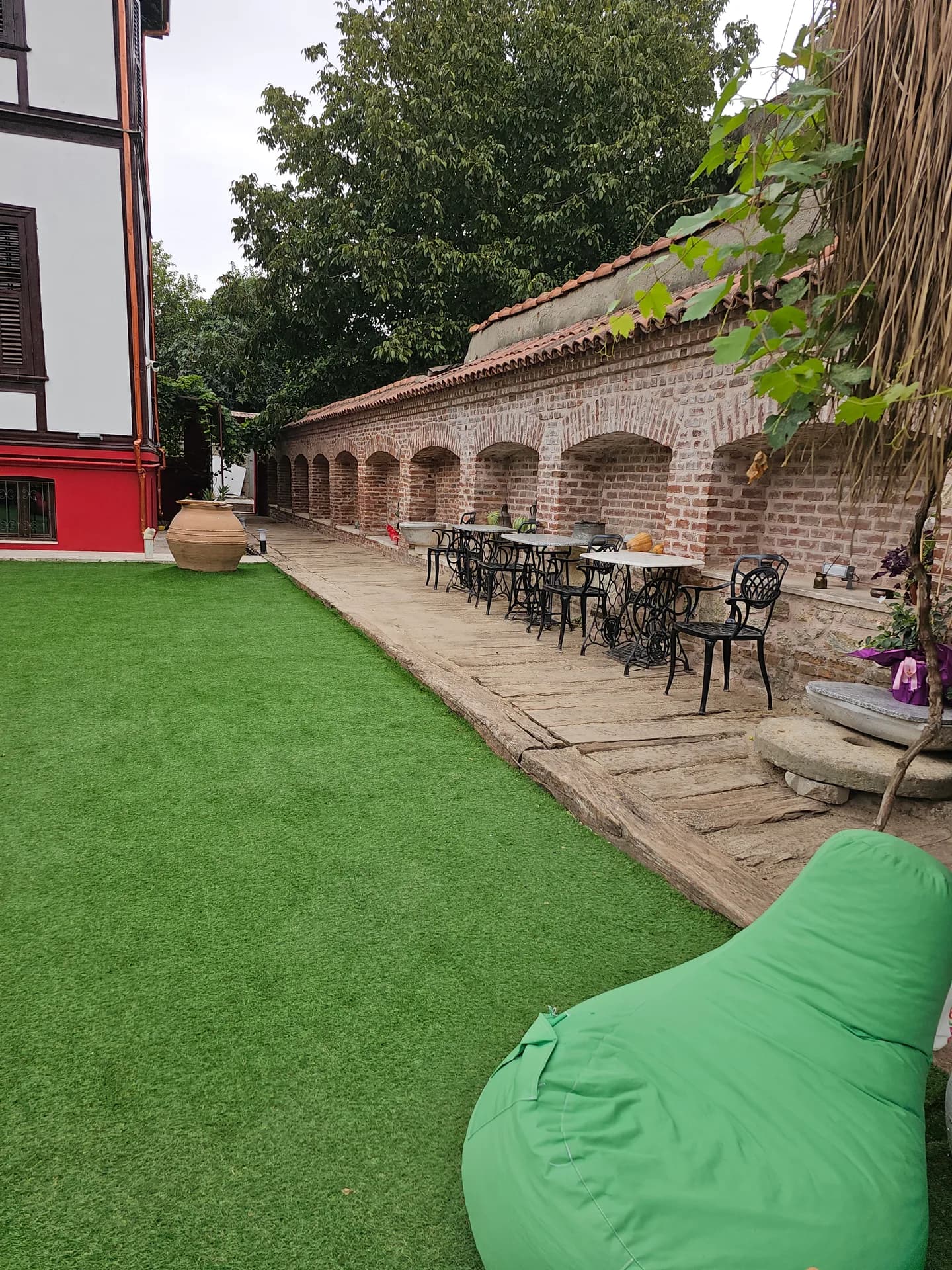
Café & Restaurant
Coffee, desserts and a relaxing break
When people in Edirne say "covered bazaar," many think of Ali Paşa Çarşısı first. Yet the core of the city's trade life is this stone building beside Eski Cami, founded roughly 150 years earlier.
At a Glance
| Topic | Details |
|---|---|
| Patron | Çelebi Sultan Mehmed (Mehmed I, r. 1413–1421) |
| Built | 1417–1418 (H. 820) |
| Architect | Hacı Alâeddin |
| Endowment | Built as a waqf to fund Eski Cami |
| Roof | 14 lead-clad domes; 6 piers in two rows of seven bays each |
| Dimensions | 40.54 × 74.94 m (approx. 3,038 m²); inner hall approx. 20 × 56 m |
| Shops | 36 cells inside; 54–56 shops on the outer façades according to sources |
| Doors | One door at the centre of each of the four sides |
| Listing | Grade I monument, inventory A 88; decision 7697 of the Protection Board, 04.07.2003 |
| Restoration | General Directorate of Foundations, 2008 |
| Address | Sabuni Mahallesi, Lüleciler Sokak; beside Eski Cami |
| From Kaleiçi | 8–10 minutes on foot |
What Does Bedesten Mean? From Cloth Seller to the City's Strongbox
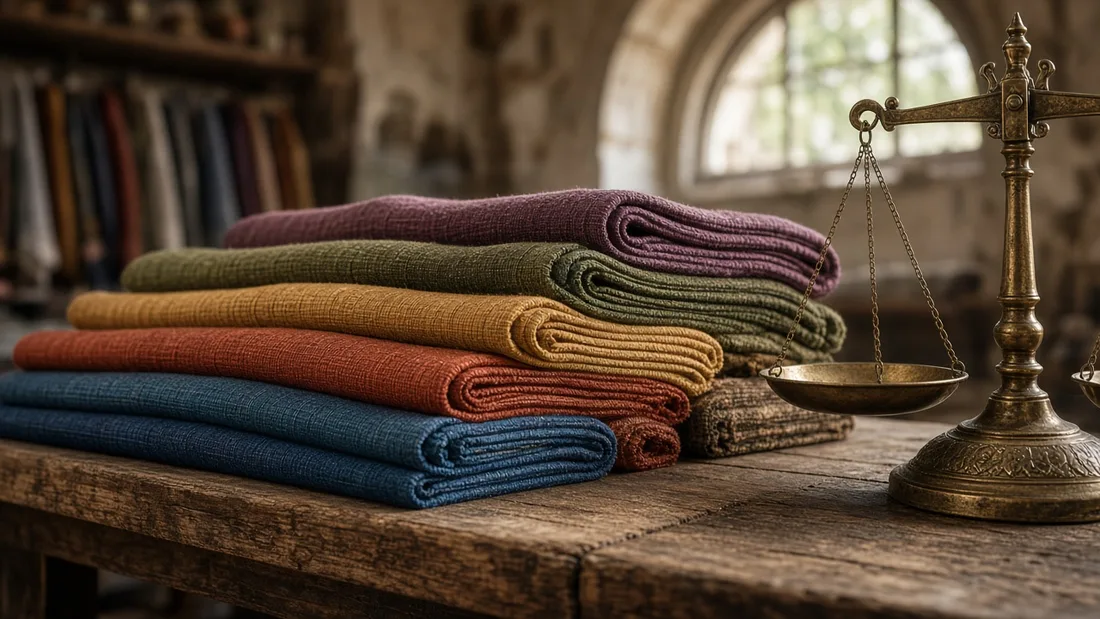
Scholars link the word *bedesten* to *bezzâzistan* or *bezistan*. In Arabic, *bezzâz* means someone who sells cloth. According to Semavi Eyice's entry in the TDV İslâm Ansiklopedisi, bedestens were not only cloth markets; jewellery, precious stones, weapons, ornate harnesses and costly fabrics were sold here too.
The real difference lay in the building. Most surrounding shops were timber and burned easily in fires. The bedesten, with thick stone walls, iron-clad doors and a few high windows, rose in the middle of the bazaar like an inner citadel. Merchants kept valuable goods, strongboxes, ledgers and guild records inside. The international virtual museum project Museum With No Frontiers (MWNF) also notes that bedesten officials checked the price and quality of goods and acted as expert witnesses in commercial disputes.
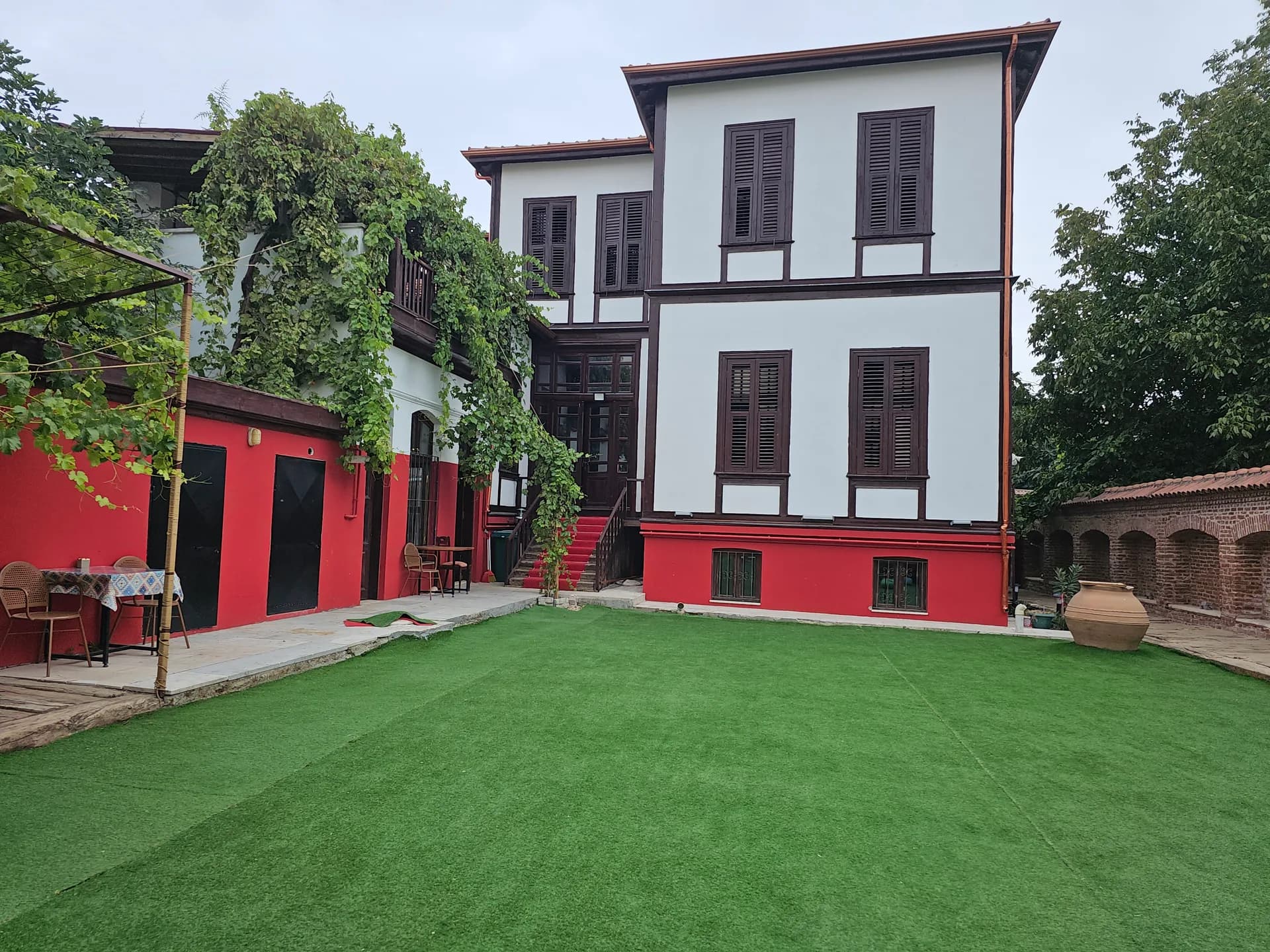
Stay
Stay in Edirne Kaleiçi with breakfast included
Eyice recalls an important rule: Ottoman cities could have many hans and arastas, but there was usually only one bedesten. Istanbul, with three bedestens, was the sole exception. Edirne gaining its bedesten at the start of the 15th century shows the weight of the capital's trade. To explore the city's place in that period, see how Edirne became an Ottoman capital.
Çelebi Mehmed, the Eski Cami Endowment and the Bursa Parallel
The bedesten was built right after Eski Cami. The mosque was completed in 1413–1414. According to Kültür Portalı and Edirne Governorship records, Çelebi Sultan Mehmed had the Bedesten built in 1417–1418 as a waqf for Eski Cami. The inventory gives the construction date as H. 820 (A.D. 1418) and the architect as Hacı Alâeddin. The TDV also passes on a tradition that work began in the time of his brother Musa Çelebi.
The endowment was simple: rent from the shops paid for the mosque's upkeep and its staff. Every merchant shopping in the Bedesten was, in effect, helping keep the mosque next door standing. We cover the mosque's architecture and calligraphy in detail in our Edirne Eski Camii guide.
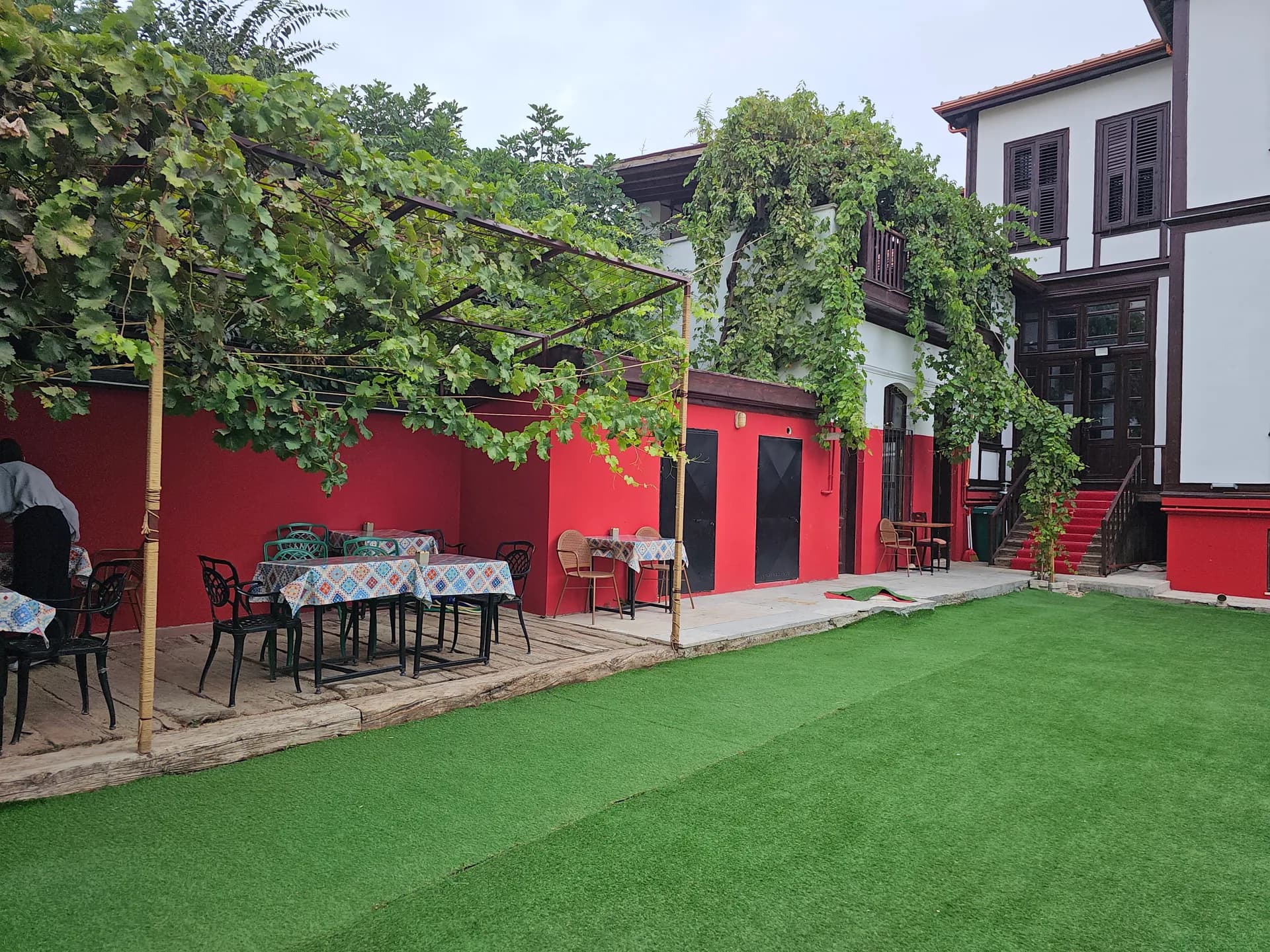
Events
Engagements, small weddings and private celebrations
To grasp the bedesten's plan, look to Bursa. According to the TDV, Bursa Bedesteni was built by Yıldırım Bayezid in 802 (1400) and divided into fourteen bays by six massive piers. Edirne repeats the same formula: six piers in a single row, fourteen bays, fourteen domes and inner shops built into the walls. Eyice notes that despite the Edirne building's simplicity, the exterior still allows a little ornament.
That plan later moved to Istanbul. An academic study on the Grand Bazaar states that construction of Istanbul's Old Bedesten began in the winter of 1455–1456 and followed the classic type inherited from Bursa and Edirne. In that sense Edirne Bedesteni is the link in Ottoman commercial architecture between Bursa and Istanbul.
Counting the 14 Domes: What to Look for On Site
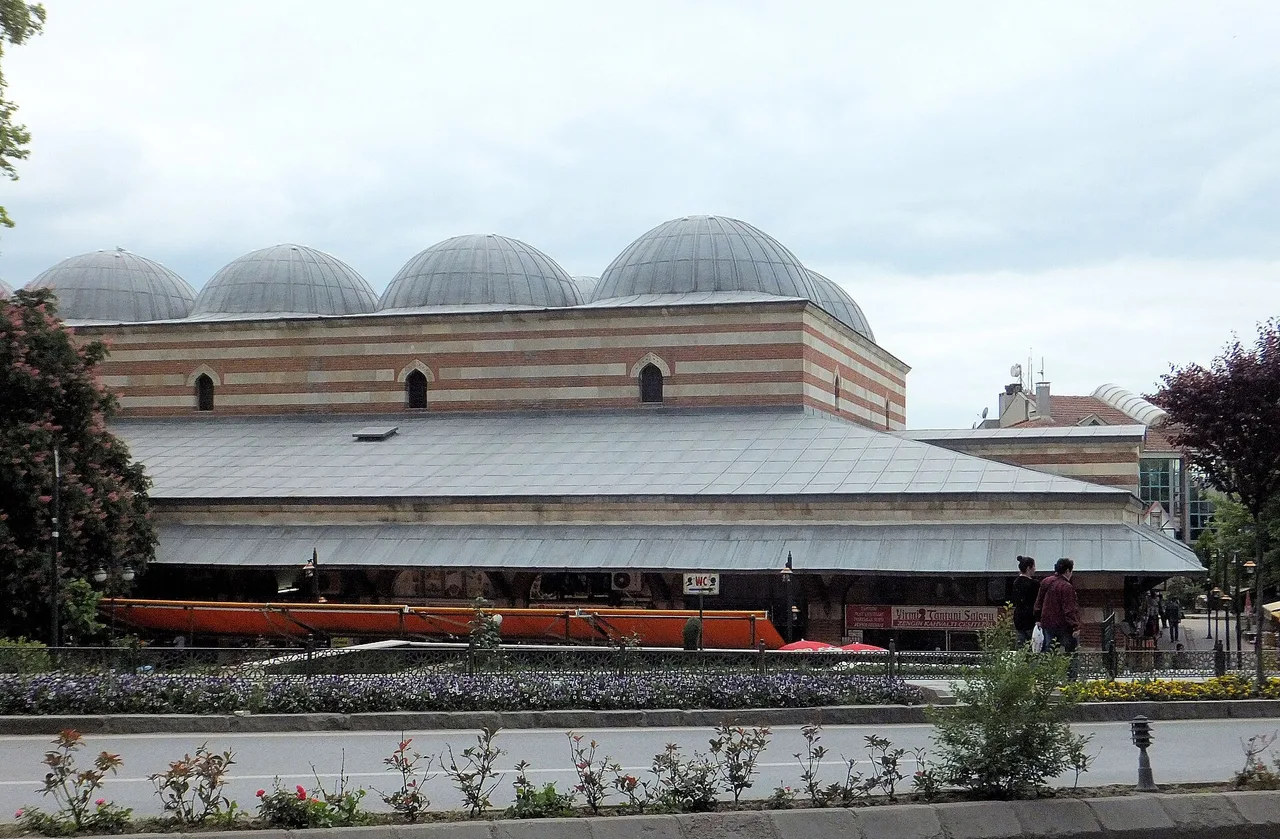
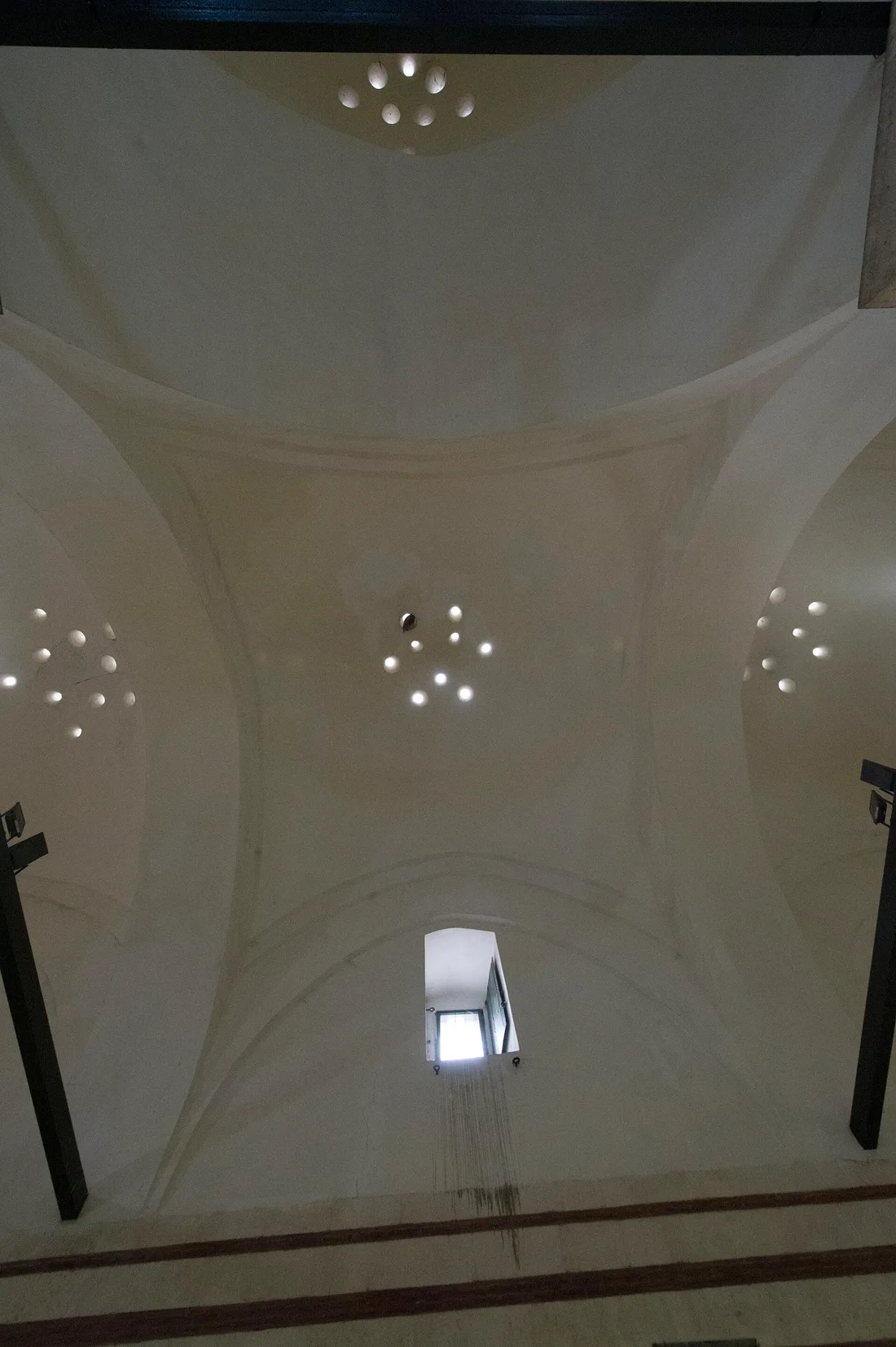
All official sources agree on 14 domes: Kültür Portalı inventory, Edirne Governorship and the TDV İslâm Ansiklopedisi give this number. The domes sit in two rows of seven, resting on the six central piers. Lead cladding makes them gleam grey-blue on sunny days.
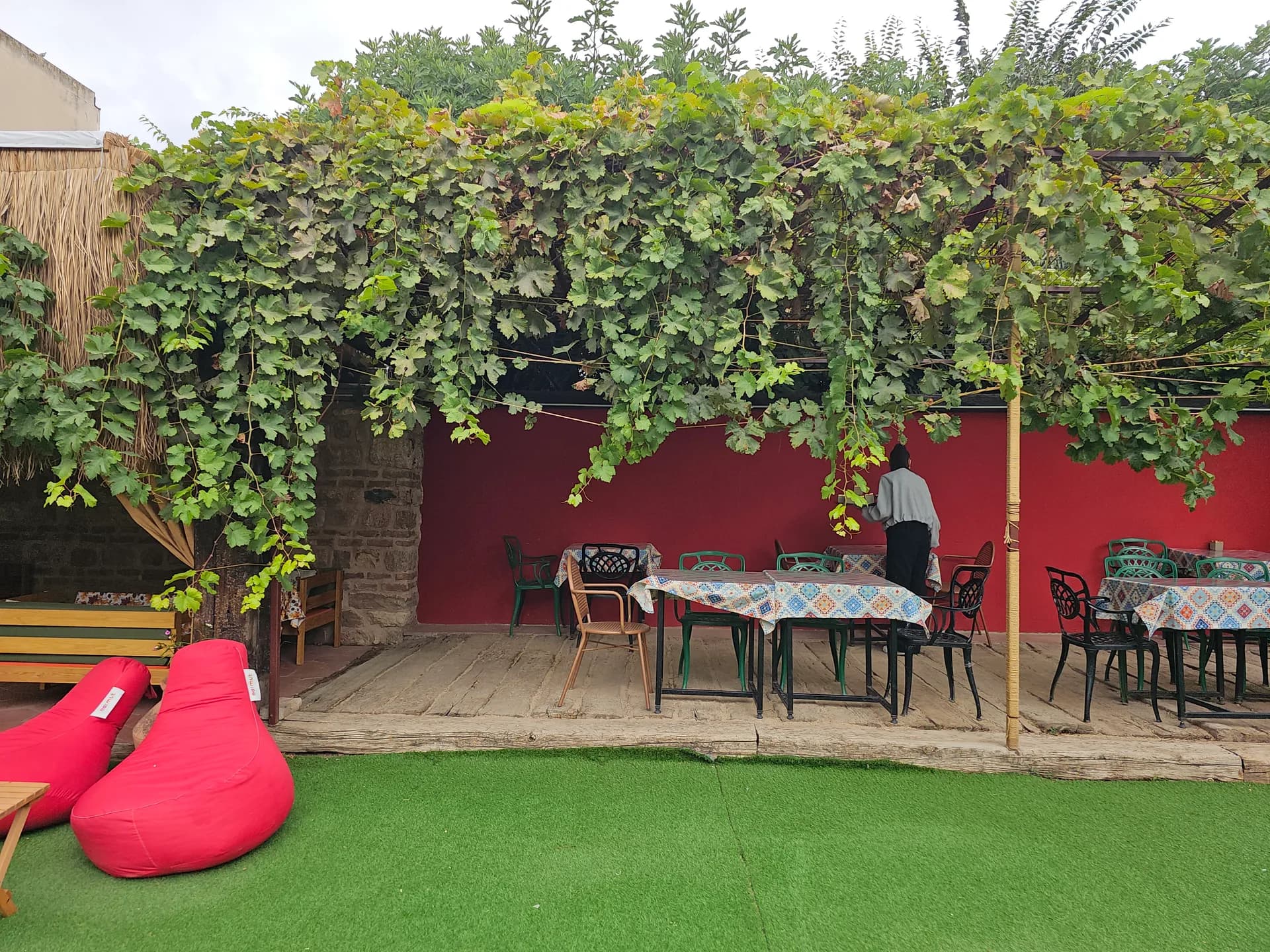
Breakfast
A generous Turkish breakfast spread in the garden
As you walk around, notice:
- Masonry: On the outer walls, courses of cut stone alternate with brick bands—that is why the building looks striped from a distance.
- Windows: Each dome bay has one pointed-arched window, so 14 windows light the inner hall. According to MWNF, each upper-window surround carries a different stone decoration. Comparing the windows from outside is a small game in itself.
- Two shop types: Outer shops have arched entrances. Inner cells are square rooms under flat roofs. There are 14 cells on each long side and 4 on each short side—36 cells in all.
- Doors: Each façade has a central door. The TDV says the layout of shops beside the doors and at the corners was solved with real skill.
- Scale: Outer dimensions are 40.54 × 74.94 metres. According to the Edirne Tax Office Directorate's city page, the inner hall is about 20 × 56 metres.
Once inside, look up. Shop signs stay at eye level; the inner faces of the domes and light through the windows give the view closest to how it looked in 1418.
Evliya Çelebi's Bedesten: 300 Cupboards, 60 Guards and a Lost Twin
The liveliest description of the bedesten comes from Evliya Çelebi in the 17th century. In the Edirne volume of the *Seyahatname* the building is called the "Murad Han Bedesteni in the middle of the city." Official inventory and the TDV name Çelebi Mehmed as patron. Evliya's account, in brief:
- Inside the bedesten there were 300 cupboards with small shops, each holding valuable goods. On one embroidered cupboard a couplet ends with the line "Oldular dîdelerim iki kapaklı dolâb."
- Visitors gape at gold and costly fabrics; the scent of aloe wood and amber makes their heads spin.
- The jewellery inside was worth "several Egyptian treasuries." So every night 60 guards lit lamps, kept watch until morning and locked the four iron doors.
- Evliya says the city's sultan bazaars had 6,700 shops in total, and this bedesten was the oldest.
The word *dolap* (cupboard) matters. According to the TDV, sales counters inside the bedesten were called *dolap*. In similar Istanbul buildings shops were also called *dolap* or *sandık* (chest).
Evliya adds something else: Edirne had an "Old" and a "New" bedesten. A translation cited in *Marmara Coğrafya Dergisi* links the older one to Gazi Hüdavendigâr (Murad I), says it had 20 domes, that a few domes had collapsed so fullers worked inside, and that junk dealers traded outside. That second building no longer stands. According to the TDV, even its location is unknown. Today "Bedesten" in Edirne means only Çelebi Mehmed's structure.
Around the Bedesten: Traces of a Trading Complex
Eyice writes that, as in Istanbul and Ankara, many hans and bazaars grew up around Edirne Bedesteni, forming a large trading site. Part of that site is still within walking distance:
- Rüstem Paşa Kervansarayı: The caravanserai Grand Vizier Rüstem Paşa had Mimar Sinan build in 968 (1560–1561) stands directly behind Eski Cami. According to Edirne Municipality it has 102 rooms on two floors and 21 shops on the front façade that fund the caravanserai.
- Ali Paşa Çarşısı: The arasta Mimar Sinan built in 1568–1569 is the great bazaar of the period after the Bedesten.
- Selimiye Arastası: Built in the time of Murad III to fund Selimiye, the TDV lists this bazaar among the markets still standing near the Bedesten.
- İki Kapılı Han: One of the hans the TDV describes as "gone." İki Kapılı Han Caddesi, where the caravanserai's main gate opens, still bears that name.
We gathered the sizes, shop counts and what to buy in each in our guide to Edirne's historic bazaars and souvenirs. The Bedesten is the oldest link on that route. Starting the bazaar walk here and moving toward Ali Paşa means walking the city's trade history in chronological order—one of the essential places to visit in Edirne for anyone tracing the old town.
Visiting Edirne Bedesten Today
The bedesten is a waqf monument under the General Directorate of Foundations. According to Kültür Portalı inventory it was restored by that body in 2008, and the "recommended use" column reads "bazaar." The aim was not to turn it into a museum but to keep it alive in its original function.
The gold and jewellery trade Evliya described no longer happens in the Bedesten. Inside and on the outer façades you mostly find wool, fabric, home textiles, clothing, bags and souvenirs. A report in the local press says the bazaar is chiefly where Edirne residents shop day to day, not tourists. The mix of shops can change over time.
A few notes for your visit:
- Entry: The bedesten is not a ticketed museum but an open bazaar. Enter through one of four doors and walk the length of the inner hall, exiting opposite if you like.
- Hours: It is a working market, not a museum. Shop opening times and whether they open on Sundays can vary; confirm before you go.
- Photos: Step back to open spaces nearby to capture the dome line and striped walls as a whole. Do not photograph shopkeepers or customers inside without permission.
- Combine visits: Eski Cami and the Bedesten fit into the same half hour. Üç Şerefeli Cami is only a few minutes away.
From Kaleiçi to the Bedesten: Location and a Break
The bedesten sits in the city centre, Sabuni Mahallesi, right beside Eski Cami. Walking from Kaleiçi takes 8–10 minutes. Ali Paşa Çarşısı is an easy stop along the way, about 5 minutes from Kaleiçi. Selimiye is 12–15 minutes from Kaleiçi (about 950 metres). You can find the neighbourhood's streets and boundaries in our Edirne Kaleiçi guide. If you want to see the Bedesten alongside monuments from other periods, browse our list of historic sites in Edirne too.
Komşu Konak is a historic guesthouse in Kaleiçi on İzmir Caddesi, Mithat Paşa Mahallesi. We have no private car park. Leave your car on the outer edge of Kaleiçi and walk to the bazaars—parking is easier there. You can plot your route from our location in Kaleiçi, Edirne (Google Maps). After the bazaar tour, take a coffee break at our historic konak café in Kaleiçi, or if you plan an early start for Selimiye next morning, see our guesthouse stays in Edirne Kaleiçi.
Frequently Asked Questions
What year was Edirne Bedesten built?+
It was built by Çelebi Sultan Mehmed in 1417–1418, Hijri year 820. The TDV also reports a tradition that construction began in the time of Musa Çelebi. Those years place it with the early Ottoman fabric beside Eski Cami, not with the later bazaar. The tradition about an earlier start is extra colour; the endowed building is the date to remember.
How many domes does Edirne Bedesten have?+
There are 14 domes. They sit in two rows of seven on six piers and are clad in lead. Two rows of seven are what you should be able to read from the roof if you look from the street. The lead cladding is why the domes read as a pale, heavy cap rather than tile.
Who was the architect of Edirne Bedesten?+
According to Kültür Portalı inventory, the architect was Hacı Alâeddin. The inventory name is the one to trust on a label. You will not need a long biography to enjoy the hall; the thick walls and the domes are the visit.
What does bedesten mean?+
The word comes from *bezzâzistan*, "place where cloth is sold." In Ottoman cities it is the thick-walled covered bazaar where jewellery, precious fabrics, weapons and other costly goods were stored and sold. Think of it as the locked, solid heart of the old market, where the costly goods were kept. That is why it feels tighter and heavier than an ordinary shopping street in Edirne.
Why was Edirne Bedesten built?+
It was endowed to provide income for Eski Cami. Shop rents paid for the mosque's upkeep and staff. The shops were meant to pay for the mosque next door. When you walk from one to the other, you are following that old link between rent and upkeep.
Are Edirne Bedesten and Ali Paşa Çarşısı the same place?+
No. The Bedesten is the 14-domed covered building from 1417–1418 beside Eski Cami. Ali Paşa Çarşısı is the long vaulted arasta Mimar Sinan built in 1568–1569. Keep them as two stops: the domed hall by the mosque, and the long vaulted market from a later century. Mixing the names is easy because they stand in the same bazaar quarter.
What did Evliya Çelebi write about Edirne Bedesten?+
He wrote that it held 300 cupboards, that the jewellery was worth "several Egyptian treasuries," and that 60 guards locked the four iron doors and kept watch each night. His account is about wealth locked in overnight, not a checklist of what you can buy today. Use it as a picture of how seriously the building was guarded, then look at the doors and the walls yourself.
How many minutes' walk from Kaleiçi to the Bedesten?+
About 8–10 minutes. Because the Bedesten stands beside Eski Cami, you can visit both at the same stop. It is a short stroll, so pair it with Eski Cami rather than crossing the city twice. Comfortable shoes matter more than a taxi for this particular hop.
How big is the Edirne Bedesten?+
The building measures about 40.54 by 74.94 metres, roughly 3,038 square metres, with an inner hall of about 20 by 56 metres. There are 36 cells inside and, according to sources, 54 to 56 shops on the outer façades. Each of the four sides has a door at its centre.
How does the Edirne Bedesten relate to the bedestens of Bursa and Istanbul?+
According to the TDV, the Bursa Bedesten was built by Yıldırım Bayezid in 802 (1400) and divided into fourteen bays by six massive piers. Edirne repeats that formula: six piers, fourteen bays, fourteen domes and inner shops built into the walls. An academic study says construction of Istanbul's Old Bedesten began in the winter of 1455–1456 and followed the classic type inherited from Bursa and Edirne.
Image Credits
- Edirne Bedesten, domes and two-tone walls: Robert Prazeres, CC BY-SA 4.0 (
https://creativecommons.org/licenses/by-sa/4.0), source:https://commons.wikimedia.org/wiki/File:Edirne_bedesten_DSCF5913.jpg, cropped and converted to WebP. - Interior view of the domes in Edirne Bedesten: Dosseman, CC BY-SA 4.0 (
https://creativecommons.org/licenses/by-sa/4.0), source:https://commons.wikimedia.org/wiki/File:Edirne_Bedesten_Bazaar_in_2017_2819.jpg, cropped and converted to WebP.
You may also like: Accommodation, Breakfast, Events.