What is Bocuk Night? The winter tradition alive in Keşan Çamlıca: pumpkin dessert, white-sheeted bocuks, rituals, festival dates and travel notes. Read on.
Bocuk Night (Bocuk Gecesi) is a folk tradition in Thrace held on what is considered the harshest night of winter, usually falling in mid-January; that night pumpkin is cooked in homes, neighbours gather, and people wish to be protected from evil and for the new year to be abundant. In Edirne, the place that keeps this tradition most alive today is the village of Çamlıca in the Keşan district. The festival held in Çamlıca since 2004 welcomes thousands of visitors every winter with white-sheeted "bocuks", servings of pumpkin dessert and a cheerful door-to-door game of scaring.
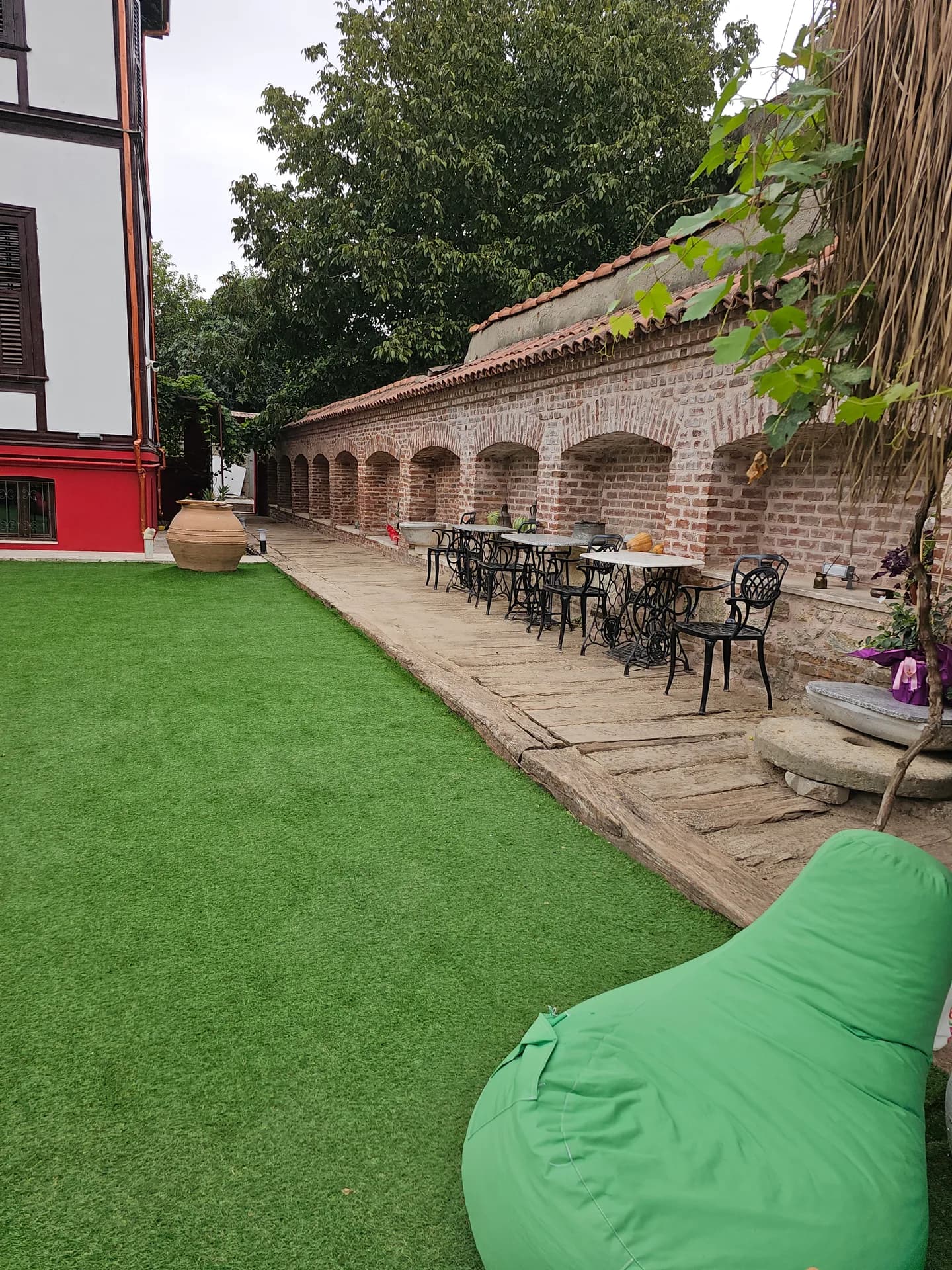
Café & Restaurant
Coffee, desserts and a relaxing break
Quick Overview
| Topic | Information |
|---|---|
| When? | Traditionally the coldest night of winter; mostly mid-January. In recent years the Çamlıca festival has been in late January–early February |
| Where? | Edirne, Keşan district, Çamlıca village (13 km from central Keşan) |
| Distance from central Edirne | About 112 km by road to Keşan, then 13 km to Çamlıca |
| Organisers | Çamlıca village administration (muhtarlık), a local cultural association and volunteers |
| Signature food | Pumpkin dessert; with akıtma, boiled corn, quince, pear and walnuts |
| Costume | White sheet, face whitened with starch or lime, mask |
| Edirne in January | Average 2.8 °C, average low −0.4 °C (MGM, 1930–2025) |
The festival date is announced anew each year and may change because of weather conditions or official decisions; confirm with current announcements before you set off.
What Is Bocuk Night? The Name Given to Winter's Harshest Night
The short answer to "what is Bocuk Night" is this: it is a tradition of gathering and protection held on the night regarded as winter's turning point, within the shared folk culture stretching from the Balkans to Thrace. Folklorist Erman Artun's article "Bocuk Night and Sedenka from the Customs of Tekirdağ", published in 1993, is considered one of the first comprehensive studies on the subject. Artun compiled the tradition in villages of Çorlu where Balkan migrants live and stressed that Bocuk is a product of Turkish folk culture nourished by a shared Balkan culture.
The tradition's place in the calendar is linked to the folk habit of dividing the year in two. In the folk calendar, the 186-day period starting on 6 May and lasting until 8 November is called the "Hızır days", and the 179-day period from 9 November to 6 May the "Kasım days". Bocuk Night falls in the winter half, that is, within the Kasım days. According to Artun, it corresponds to 8 January or the exact middle of the month in the Gregorian calendar; however, the exact day varies from region to region. The only thing that does not change is that the night belongs to January.
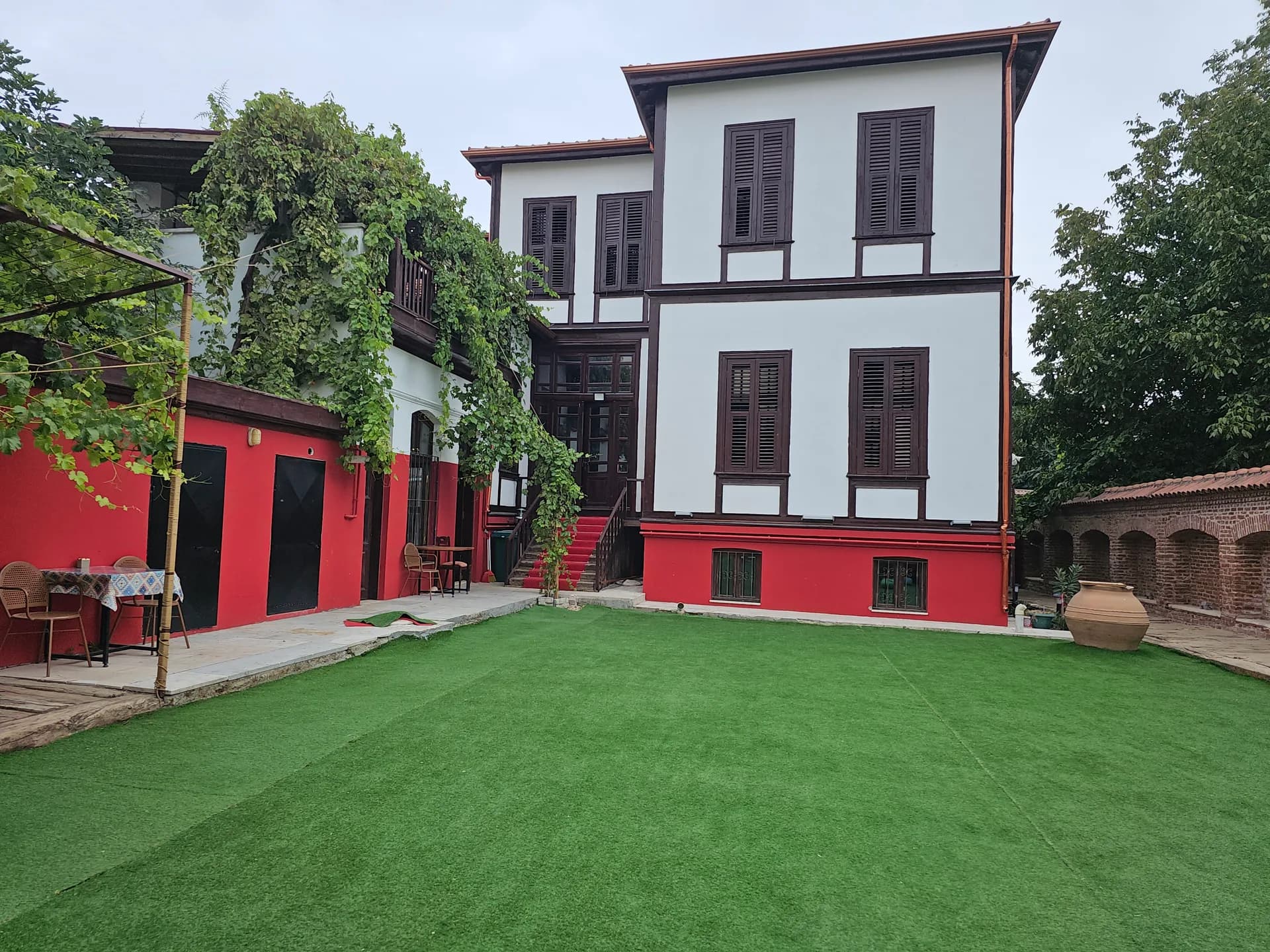
Stay
Stay in Edirne Kaleiçi with breakfast included
The essence of the night is wishing for abundance and standing together against evil. In Çamlıca it was believed that if it was not celebrated, the cows would stop giving milk and the hens would stop laying eggs.
Who Is Bocuk? Bocuk Karısı, Bocuk Anası, Bocuk Dede
What is interesting is that even the villagers who keep the tradition alive do not know the exact meaning of the word "bocuk". People from Çamlıca interviewed in field research speak of a being that wanders about in human form, dressed in white, and call it "bocuk karısı" (Bocuk's wife), "bocuk anası" (Bocuk mother), "bocuk cadısı" (Bocuk witch) or "bocuk dede" (Grandfather Bocuk). According to the belief, Bocuk climbs onto the back of anyone who stays outside that night; so no one leaves the house late.
This figure resembles a fairy-tale character more than a nightmare. Children gathered around the stove are told Bocuk stories and sung folk rhymes (mani); as guests leave the house, they joke, "Bocuk will climb on our backs." Bocuk is an excuse to get through the dark winter night with laughter.
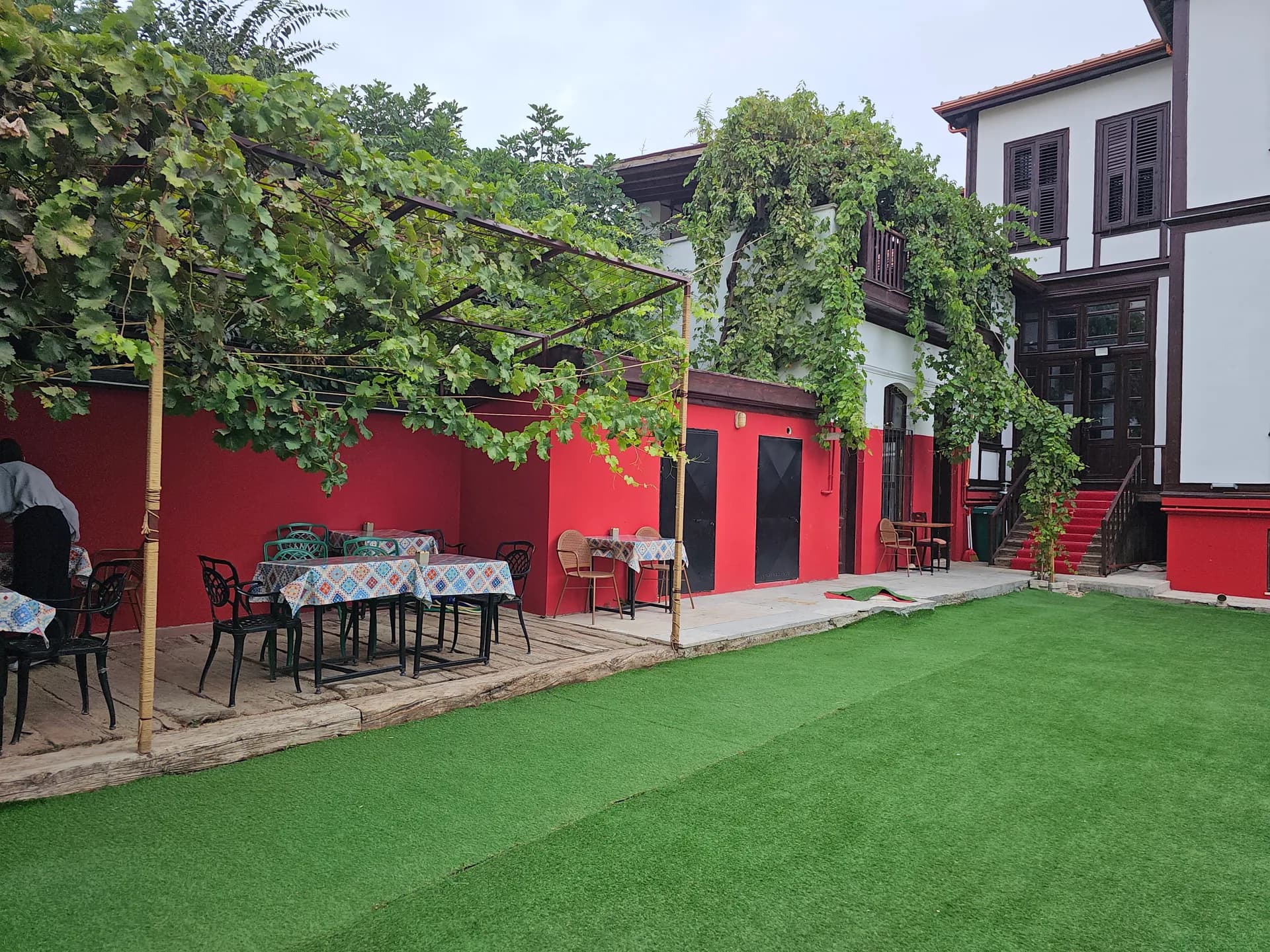
Events
Engagements, small weddings and private celebrations
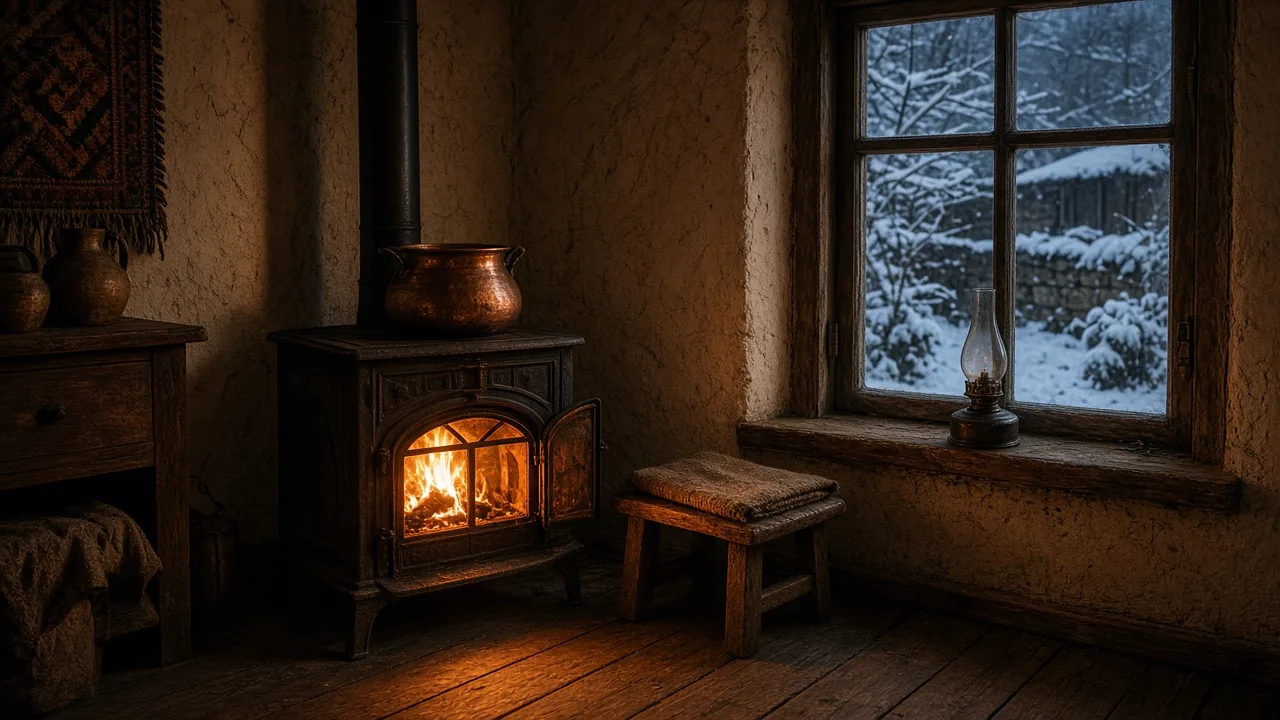
Edirne Bocuk Night Rituals: The Plank, the Barn Door and the Chimney
The rituals of Edirne's Bocuk Night resemble a bargain struck with nature. The practices that stand out in the sources are these:
- The plank placed in water: At night a piece of wood is left in a bowl of water. If in the morning the wood is found frozen on top of the water, it is believed that the people of that house will be healthy, resilient and strong all year. The elders look at this plank and interpret the coming year.
- The oven peel at the barn door: In Çamlıca, animals are made to jump over an oven peel or a fire rake placed in front of the barn door; the aim is to protect the animals from evil.
- Calling down the chimney: According to a custom compiled by Artun, if a person whose name is unique in their area shouts their name down the chimney three times, Bocuk's wife will search for them all night but will not find them.
- The tray left on the roof: In another custom, a tray of baklava is placed on the roof of the house and Grandfather Bocuk is called down the chimney; it is thought that Bocuk will then take the treat and leave the animals alone.
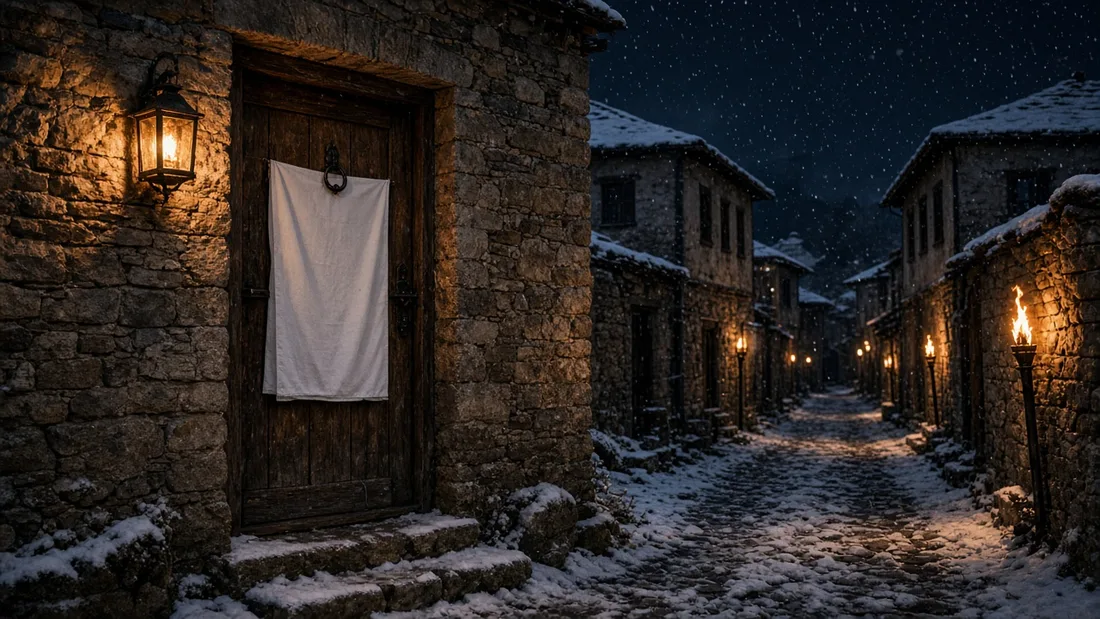
- Scaring in sheets: Towards midnight, young people wrap themselves in white sheets, whiten their faces with lime or starch, and tap on windows and ring bells and bang tins to jokingly scare the neighbours, crying "Bocuk is coming".
Although the elders in Çamlıca smile and call these beliefs "old wives' tales", they keep some of the precautions, saying "it's the custom".
The Bocuk Night Table: Pumpkin Dessert, Akıtma and Boiled Corn
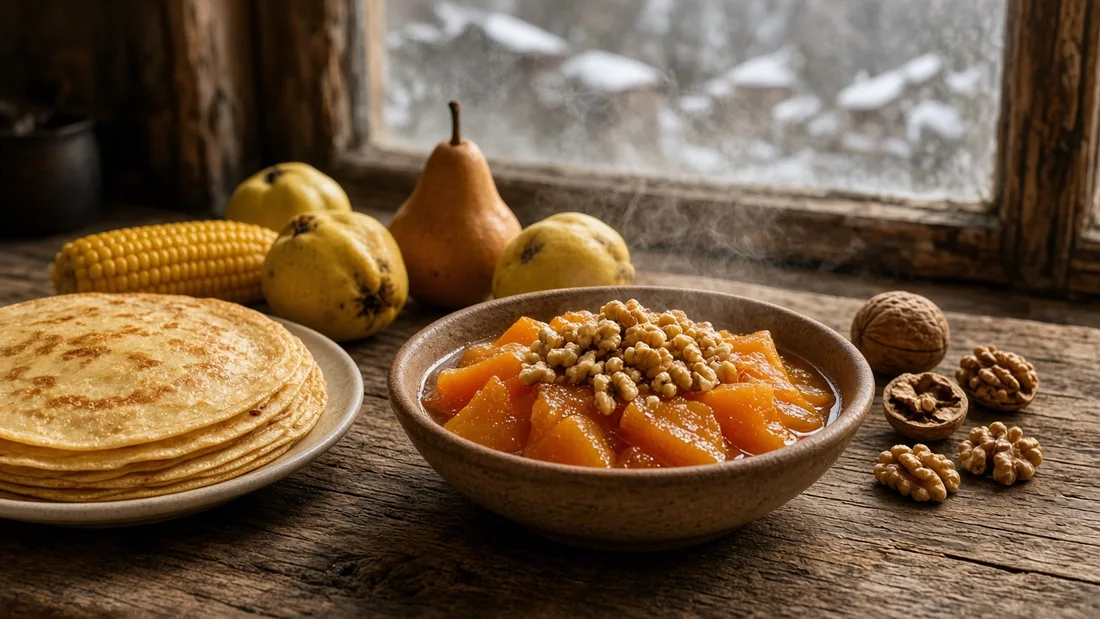
Pumpkin is the essential of Bocuk Night. In Çamlıca, pumpkin is cooked in every house and everyone in the house is expected to eat at least a bite. The saying is well known: "Eat your dessert, or Bocuk will come!" According to the belief, Bocuk does not visit a house where pumpkin is cooked and eaten; in some accounts it is also said that it does not come near because it dislikes the smell of pumpkin.
Breakfast
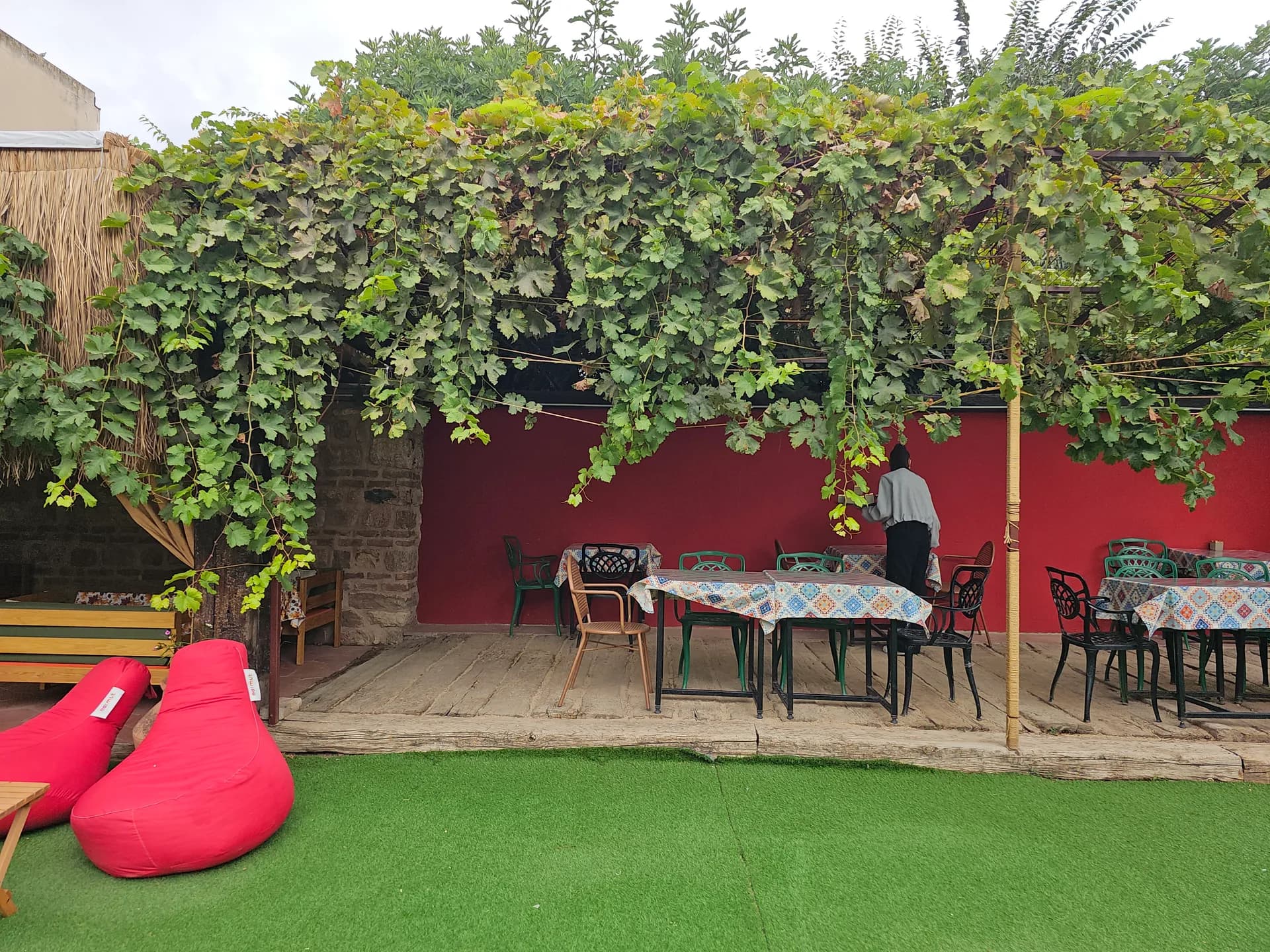
A generous Turkish breakfast spread in the garden
Pumpkin is not cooked the same way in every house. Some homes make pumpkin dessert in syrup; in others, a pinch of sugar is sprinkled over sliced pumpkin and it is baked in the stove known in Thracian villages as the "peçka". Other foods mentioned in the sources for the Bocuk table:
| Food | Note |
|---|---|
| Akıtma (thin akıtma) | A thin-batter pan dish always made alongside the pumpkin |
| Boiled corn | Described in news reports as "boiled in snow water" |
| Pears and quinces | Put on the table as winter fruit |
| Almonds, walnuts, seeds | Eaten as snacks throughout the conversation |
| Peanuts roasted on the kitchen stove | Roasted on top of the stove |
| Roasted potatoes, winter pekmez (grape molasses), flour halva | Other treats reported in field research |
Neighbours take the food they have and gather in one house to get through the night together. Those curious about Thrace's home cooking can also read our local flavours of Edirne article.
Similar Winter Traditions in Thrace and the Balkans
Academic studies show that similar traditions carrying the theme of driving away evil and wishing for abundance in midwinter are widespread across the Balkans; an article published in 2025 in the Journal of Cultural Studies (Kültür Araştırmaları Dergisi) also treats Bocuk as part of a "shared Balkan culture".
- Sedenka: A winter gathering tradition kept alive in Balkan migrant villages in Thrace, which Artun studied together with Bocuk.
- Kolada: Kırklareli researcher Nazif Karaçam suggests that the "Kolada-Kolara Night" celebrated on 8 January may be a derivative of Bocuk. In Büyükmandıra, in the Babaeski district of Kırklareli, Koleda is still celebrated with a festival today.
- Kuker: A winter tradition in Bulgaria in which masked and costumed people drive away evil spirits and wish the village health and abundance; researchers point to its shared motifs with Bocuk.
- Karakoncolos: A folk-tale creature mentioned in Turkish and Greek sources, believed to roam on winter nights.
Bocuk is also not the same as Halloween; officials in Keşan object to this comparison and stress that at its core the night is a ritual of driving away evil and of solidarity. If you are curious about Edirne's spring festivals, our Kakava and Hıdırellez festivals article covers the other end of the season.
Today's Bocuk Festival in Çamlıca
Çamlıca, 13 km from central Keşan, is a long-established settlement formerly called Grabuna. According to a 2017 article by Sarıtaş and Hacıoğlu, Bocuk Night was celebrated house by house in the village until the 1980s and turned into a festival in the 2000s. When its town (belde) status was abolished in 2014 and it became a village, there was talk of the celebration not being held, but in response to strong demand the night was held on 1 February 2014 at the Çamlıca Culture and Art House.
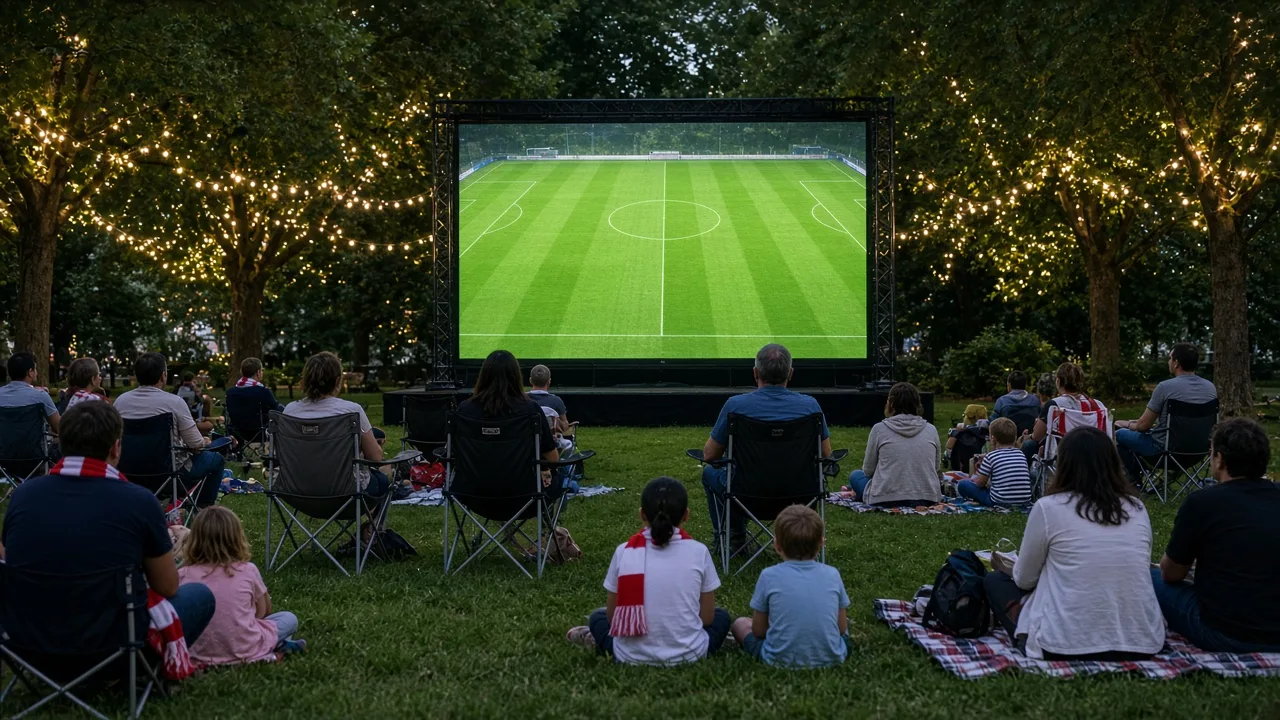
The programme of the night, held for the 17th time in 2025, was spread over three days: Friday 24 January for children and families, Saturday 25 January with performances for adults, and Sunday 26 January a Winter Fair was planned. The programme was first postponed to 1 February, then by decision of the Edirne Governorship to 8 February 2025, and was held on that day; a good example of why dates need to be confirmed.
What can you see at the festival?
- Costumes: White or red sheets, painted faces, masks and capes.
- Performances: Choreographies with ancient and medieval themes, horror story telling, live music.
- Street procession: Young people dressed as Bocuk tour the village with lanterns and torches, knocking on windows to jokingly scare the householders.
- Treats: Those who open their doors and guests who come to the culture house are welcomed with pumpkin dessert, akıtma and corn.
The tradition is also revived from time to time in central Edirne: on 18 January 2019, the Edirne Promotion and Tourism Association held a Bocuk celebration in a historic mansion in Karaağaç, the first in the centre after many years. After a procession accompanied by drums and frame drums, pumpkin dessert, boiled corn and Bocuk halva were served.
Going to Bocuk Night in Winter: Cold, Roads and Accommodation
As its name suggests, Bocuk Night falls in the coldest period of the year. According to MGM (Turkish State Meteorological Service) data for 1930–2025, the average January temperature in Edirne is 2.8 °C and the average low is −0.4 °C; the lowest value recorded in January is −19.5 °C. On average there are 12 days of precipitation during the month, and daily sunshine is about 2.4 hours. For a detailed table, see our Edirne climate and weather article.
Practical notes:
- Dress in layers. The festival takes place outdoors and at night; a hat, gloves and waterproof shoes are a must.
- Drive in daylight. It is about 112 km from central Edirne to Keşan, then 13 km to Çamlıca; because of icy roads, do not leave the return until late at night.
- Tell children beforehand. Painted faces can frighten little ones; choose the family programmes and early hours.
- Combine your plans. You can tour central Edirne before or after the festival; our what to do in Edirne in winter guide has a winter route ready. Those who want to see where the districts are can read our guide to Edirne's districts.
- Start by warming up. You can open a cold winter morning with a warm breakfast table in Edirne, and during the day take a tea break by the stove in Kaleiçi.
For those who want to stay in central Edirne, accommodation in Kaleiçi makes a good base; the Selimiye Mosque is a 12–15 minute walk from here. You can plan the journey to Keşan from our location in Kaleiçi, Edirne (Google Maps).
Frequently Asked Questions
What is Bocuk Night?+
It is a tradition celebrated in January, considered the harshest night of winter in Thracian and Balkan folk culture. Pumpkin is cooked in homes and neighbours gather; the aim is to be protected from evil and to wish for an abundant new year. Think of it as a midwinter house gathering, not a show put on only for visitors. Pumpkin, neighbours and a wish for a safer, fuller year are the heart of it.
When is Bocuk Night celebrated?+
Traditionally the date varies from region to region; according to Erman Artun, it falls on 8 January or in mid-January. The festival in Çamlıca, however, has in recent years been held between late January and early February; confirm the current date before you go. The old date and the village festival do not always fall on the same day. Check the year you are travelling before you book a room in Edirne around it.
Where is Edirne's Bocuk Night held?+
The best-known celebration is held in the village of Çamlıca in Edirne's Keşan district. The village is 13 km from central Keşan. Plan the extra distance, and do not expect to stroll there from the mosques.
Why is pumpkin cooked on Bocuk Night?+
According to the belief, Bocuk does not come and do harm to a house where pumpkin is cooked and eaten. That is why everyone in the house is expected to eat at least a bite of pumpkin dessert. The bite of dessert is the ritual, so take a taste even if you are only watching. Refusing it misses the point the household is acting out.
What else is eaten on Bocuk Night?+
The sources mention akıtma, boiled corn, pears, quinces, almonds, walnuts, seeds, peanuts roasted on the stove, roasted potatoes, winter pekmez and flour halva. The table is winter food from the district: akıtma, fruit, nuts and halva, not a single dessert. You do not need to eat all of it; knowing the spread stops you hunting for a menu that is not there.
Is Bocuk Night the same as Halloween?+
No. Although the scaring game creates a similarity, at the heart of Bocuk are wishing for abundance in midwinter, driving away evil and solidarity with neighbours; local officials also stress this difference. Enjoy the dressing-up if you wish, and still expect a neighbourhood winter custom about abundance and looking out for one another. The pumpkin is eaten, which is the clearest difference on the night.
Is Bocuk Night suitable for children?+
The festival also has programmes for children and families. Since the masks can frighten little ones, it is a good idea to choose the early hours and explain beforehand that it is a game.
What should I keep in mind when going to Bocuk Night?+
In January the average low in Edirne is −0.4 °C; dress warmly and in layers. It is about 125 km from central Edirne to Çamlıca; because of icy roads, plan your return for daylight or stay nearby. Dress for real cold, and treat the road to the village as the limiting factor. If ice is likely, come back in daylight or stay near Keşan instead of driving late to central Edirne.
How far is Çamlıca from central Edirne for Bocuk Night?+
Çamlıca is in the Keşan district, about 13 km from central Keşan. The road from central Edirne to Keşan is about 112 km, and then another 13 km to the village. The festival has been held in Çamlıca since 2004 and is run by the village administration, a local cultural association and volunteers.
What do people in Çamlıca believe happens if Bocuk Night is skipped?+
In Çamlıca it was believed that if the night was not celebrated, the cows would stop giving milk and the hens would stop laying eggs. Villagers describe a white-clad figure called bocuk karısı, bocuk anası, bocuk cadısı or bocuk dede, said to climb onto the back of anyone who stays outside. The folk calendar places the night in the Kasım days, the 179-day winter half running from 9 November to 6 May.
You may also like: Accommodation, Breakfast, Events.