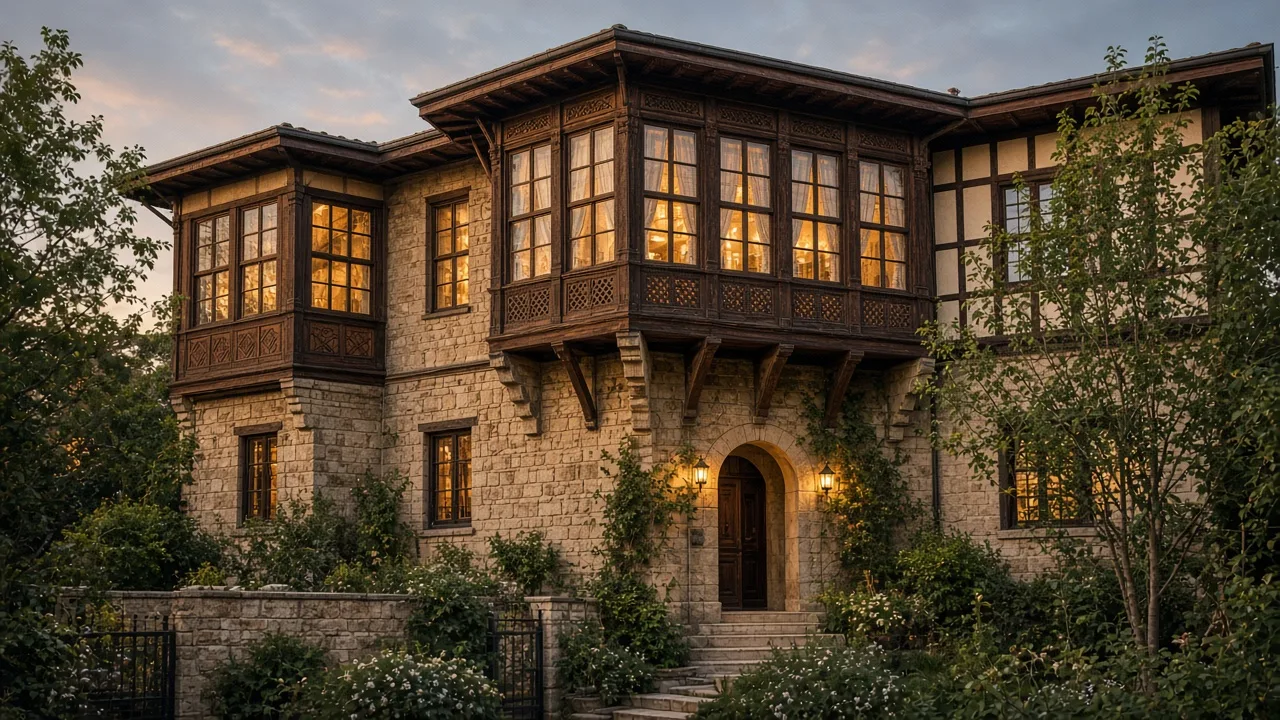
Edirne's Kaleiçi mansions were built side by side around an inner hall. Discover their architecture, the 1908 street plan and what to know before you stay.
Staying in a historic konak (mansion) in Edirne means staying inside the architectural fabric of Kaleiçi, the city's 26-hectare historic centre; these houses were built side by side on small plots, following the "inner sofa" (inner hall) plan type of the traditional Turkish house. What sets it apart from a standard stay is not just the décor: the relationship between the rooms and the hall, the use of the courtyard and the thermal balance of thick walls directly change your day-to-day experience.
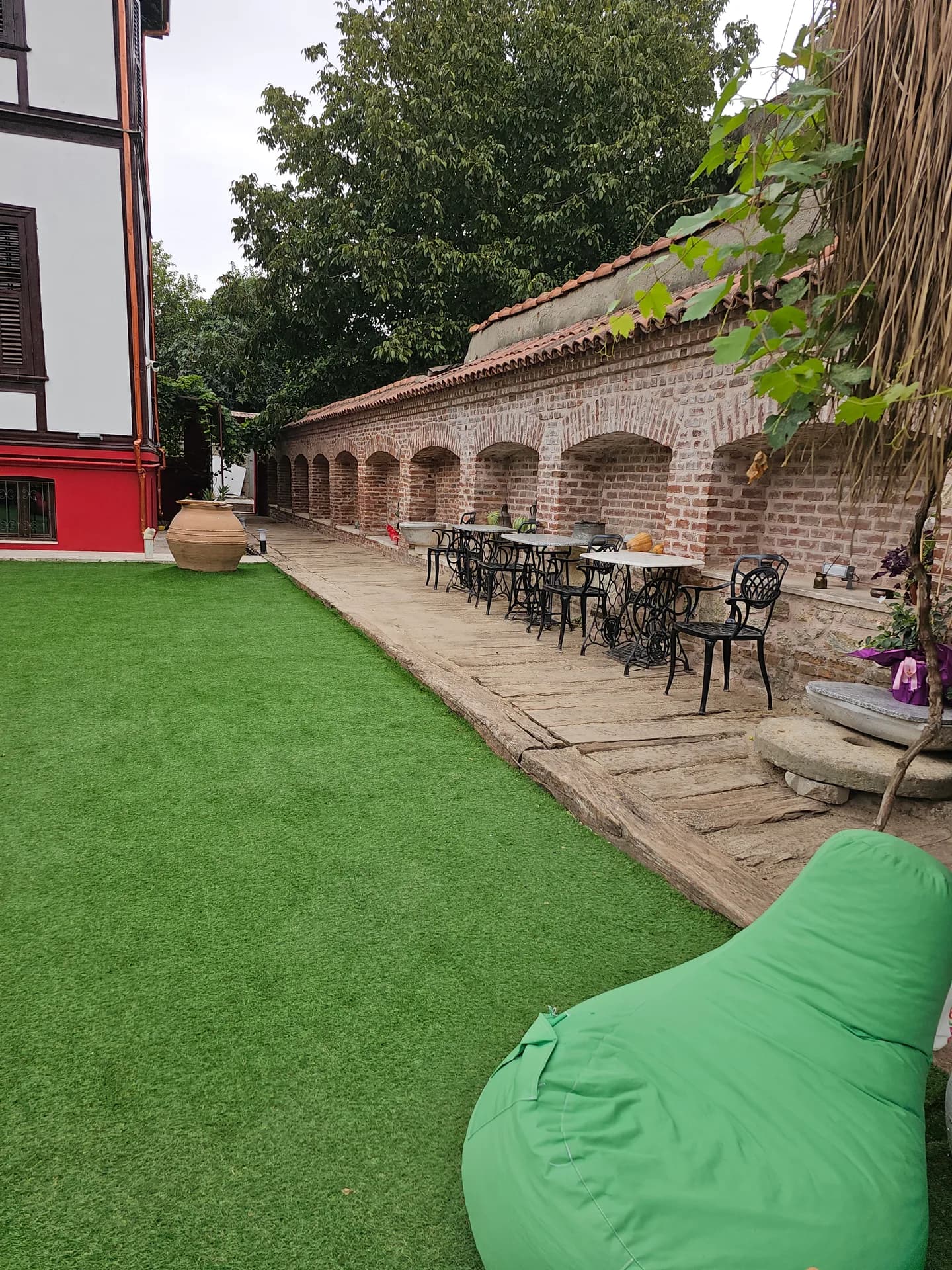
Café & Restaurant
Coffee, desserts and a relaxing break
Edirne was the first capital of the Ottoman Empire on the European continent, and that past has seeped into the fabric of the city. Staying in a historic konak means seeing this fabric from the inside, not through a shop window.
Quick Overview
| Topic | Information |
|---|---|
| Area | Kaleiçi, ~26-hectare historic city centre |
| Number of blocks | About 160 |
| Street plan | Grid (Hippodamian), 1908 |
| Typical plan | Inner sofa ("karnıyarık") |
| Building layout | Attached, small plots |
| Location advantage | Walking distance to Selimiye and the bazaar |
How Did the Kaleiçi Mansions Come About?
Kaleiçi is Edirne's original settlement core, and it took on its present look after two major disasters. The 1751 earthquake destroyed most of the houses and monumental buildings in the district. Then the Great Fire of Edirne (Harik-i Kebir) largely wiped out the settlement; although historical sources also give the date of the fire as 1902 and 1903, studies based on archive documents confirm 2 September 1905.
After the fire, on the initiative of the then mayor Dilaver Bey, a zoning plan prepared by French experts was put into practice in 1908. This plan set out not only the streets but also the shapes of the plots. Most of the mansions you see today were built after this plan, on the plots it laid out. That is why the district shows a regular fabric of about 160 blocks with streets crossing at right angles.
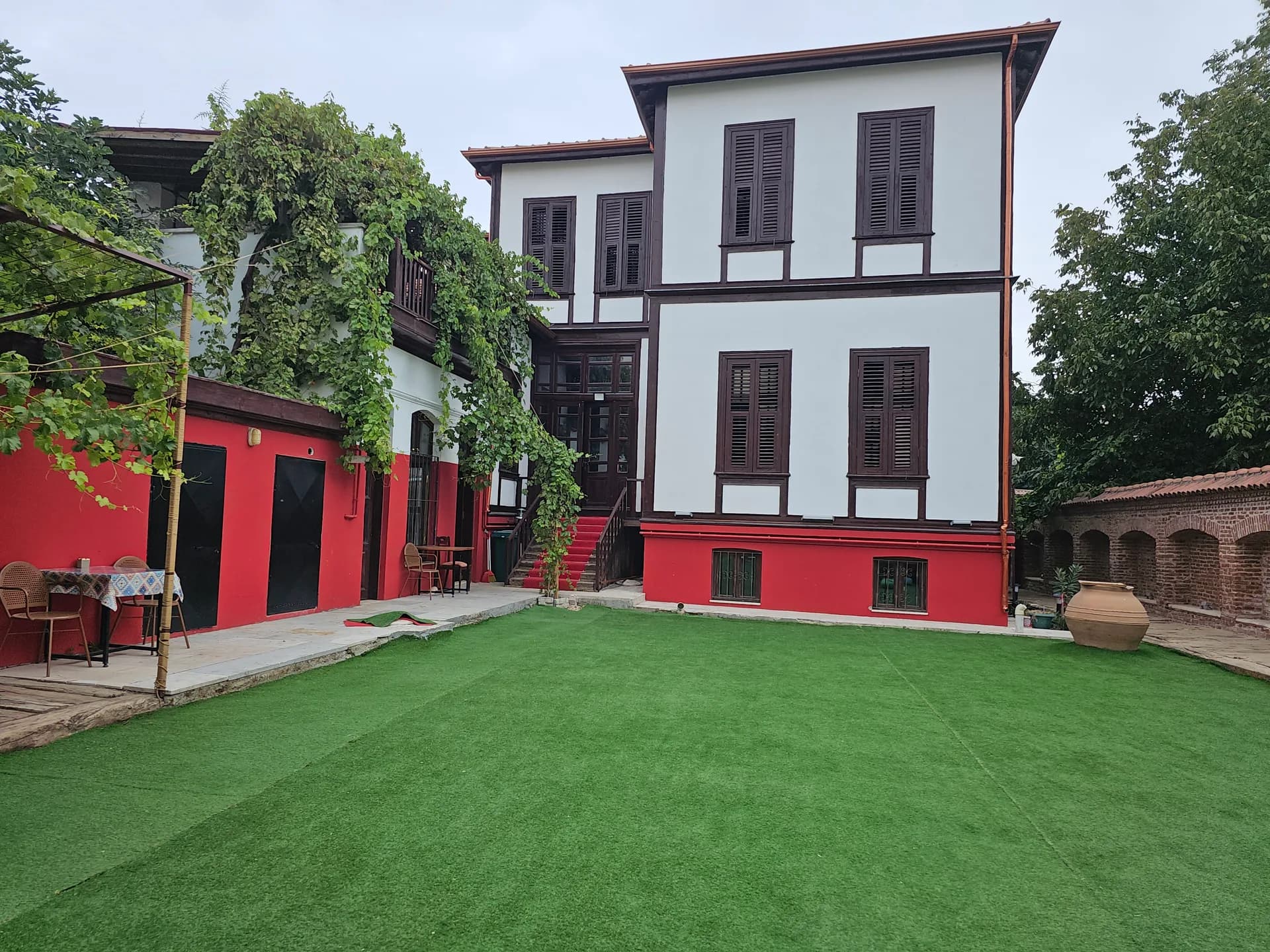
Stay
Stay in Edirne Kaleiçi with breakfast included
From the 16th century onwards, Greek Orthodox and Jewish communities lived in Kaleiçi; over time, Turkish neighbourhoods formed as well. This multi-layered past is the background to the variety of buildings in the district.
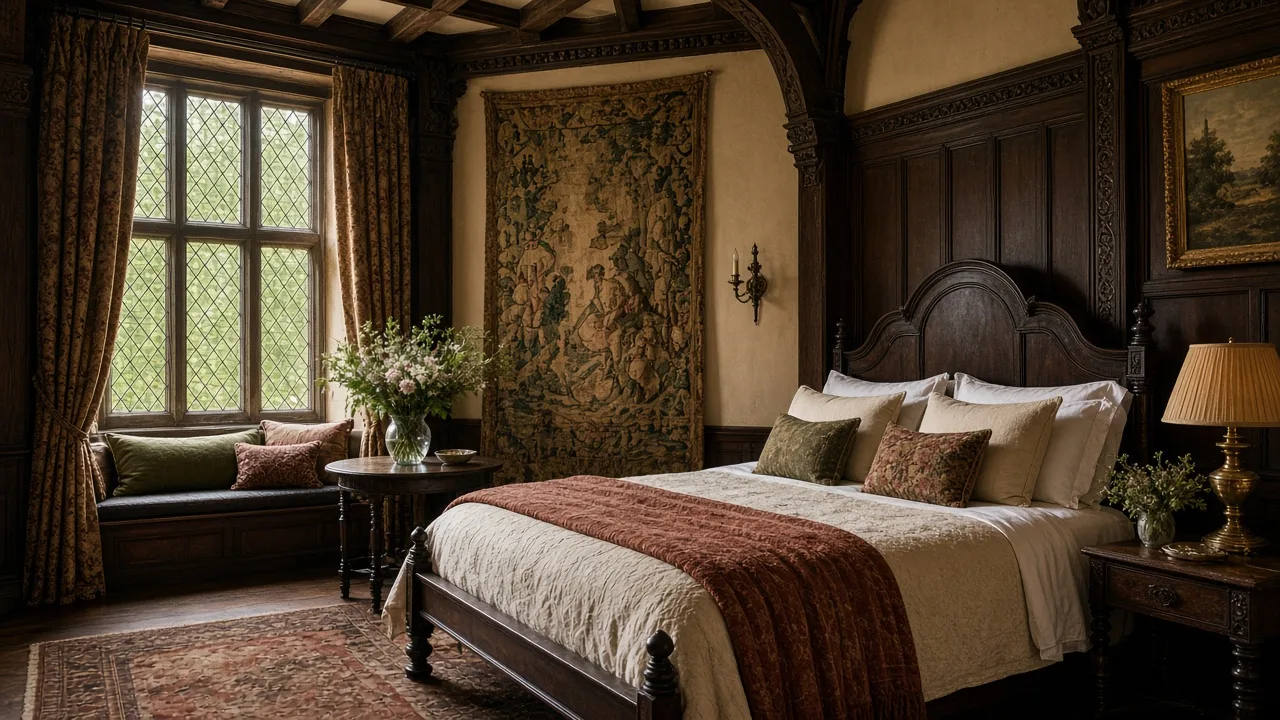
Architectural Features: What Are You Looking At?
When you stay in a konak, it is the architecture that makes the difference. The distinctive features of Kaleiçi houses:
The inner sofa plan
Academic studies show that most of the traditional houses in Kaleiçi reflect the "inner sofa" plan type of the traditional Turkish house. In this layout, also known locally as *karnıyarık*, the rooms are arranged around a sofa (hall) in the middle or to one side. The sofa is not just a corridor; it is the shared living space of the house. When you step out of your room into this shared space during your stay, you feel the logic of the plan directly.
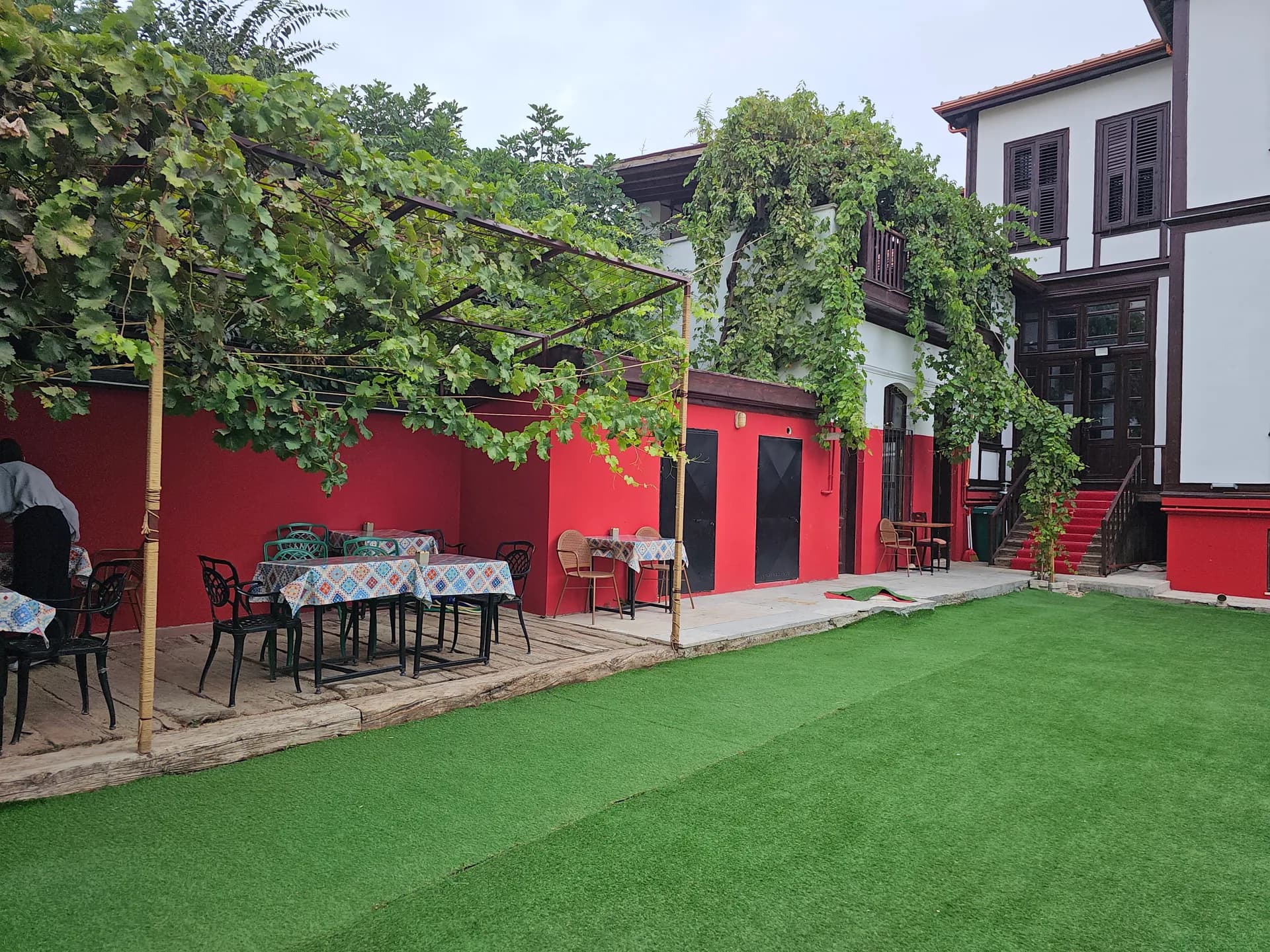
Events
Engagements, small weddings and private celebrations
Attached layout and small plots
Because the plots set out by the 1908 plan are small, the buildings mostly rise side by side. This has two consequences: the façades face the street, and natural light and ventilation are provided through special solutions within the plan. Staircase positions and door arrangements were designed around this need.
Thick walls and thermal balance
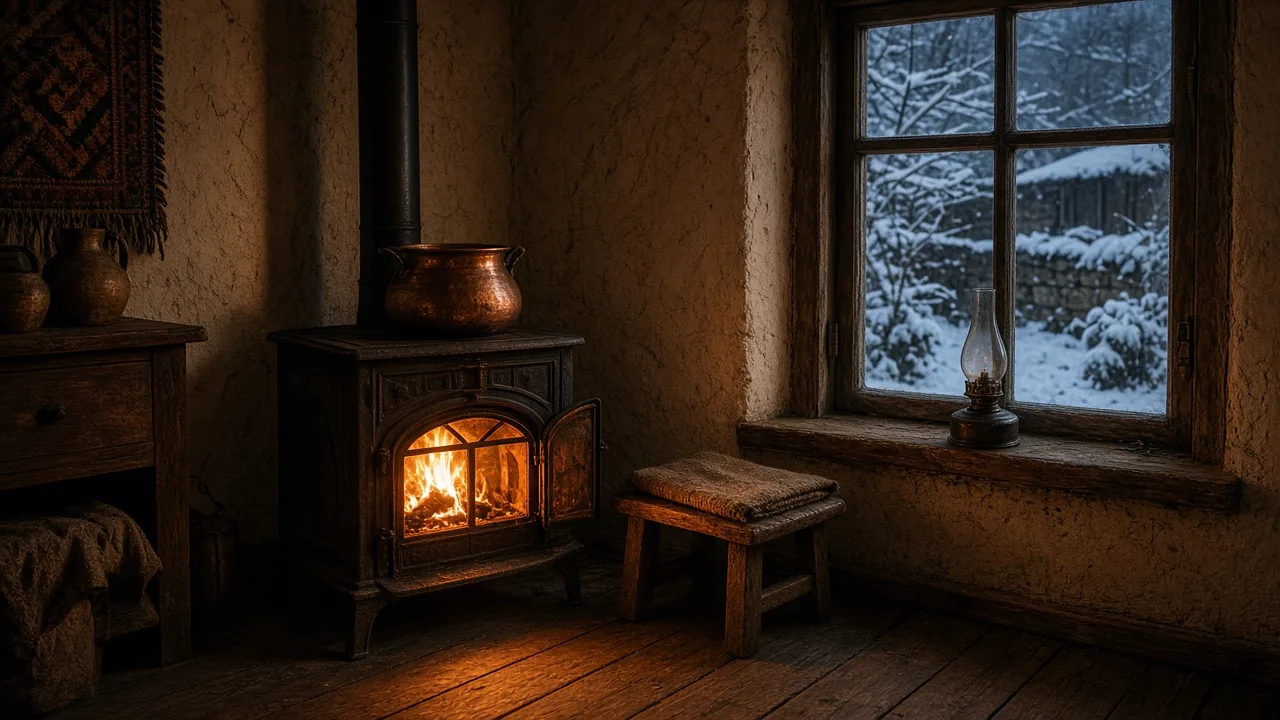
This detail makes a tangible difference to comfort. Edirne's climate has harsh extremes: according to Turkish State Meteorological Service (MGM) measurements for 1930–2025, the average temperature in January is 2.8 °C, and the average high in July–August is 32.1 °C. The recorded extremes are even more striking: 44.1 °C (July) and −19.5 °C (January). The city's snow record is 50 centimetres, on 1 February 1963. The way traditional thick-walled masonry buildings stay cool in summer and hold heat in winter is no accident in this climate; it is a solution born of necessity.
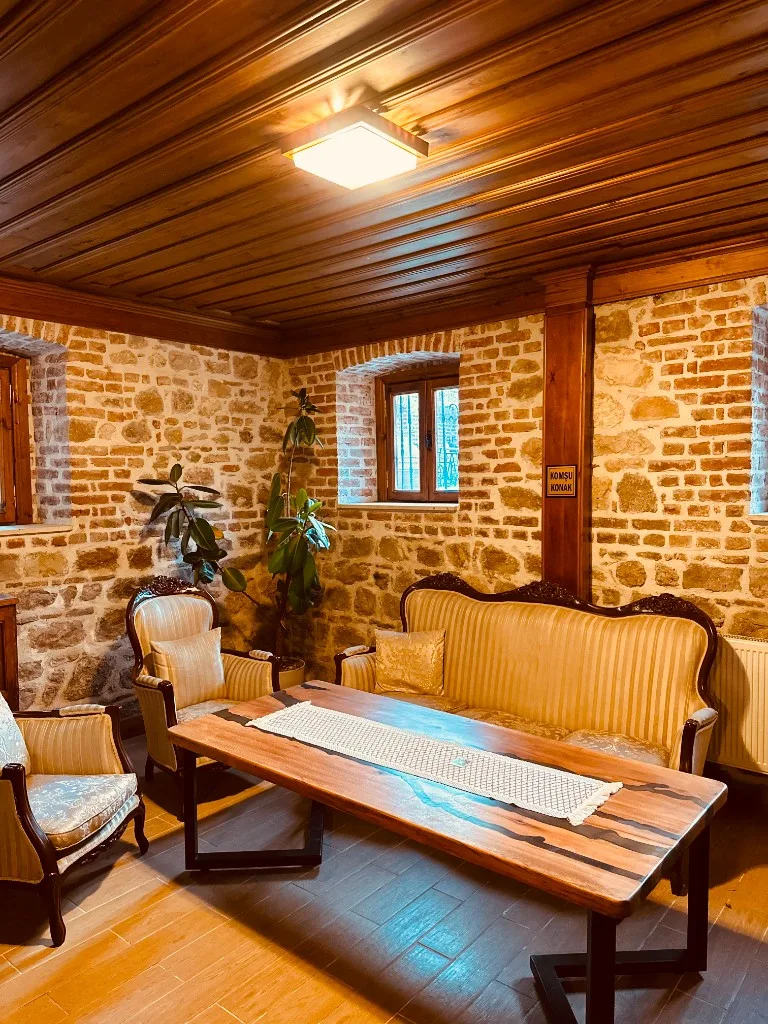
Why Are There So Few Original Mansions?
An honest answer is needed: the number of original houses in Kaleiçi that have survived to the present day is quite small. Architectural literature lists the reasons as follows:
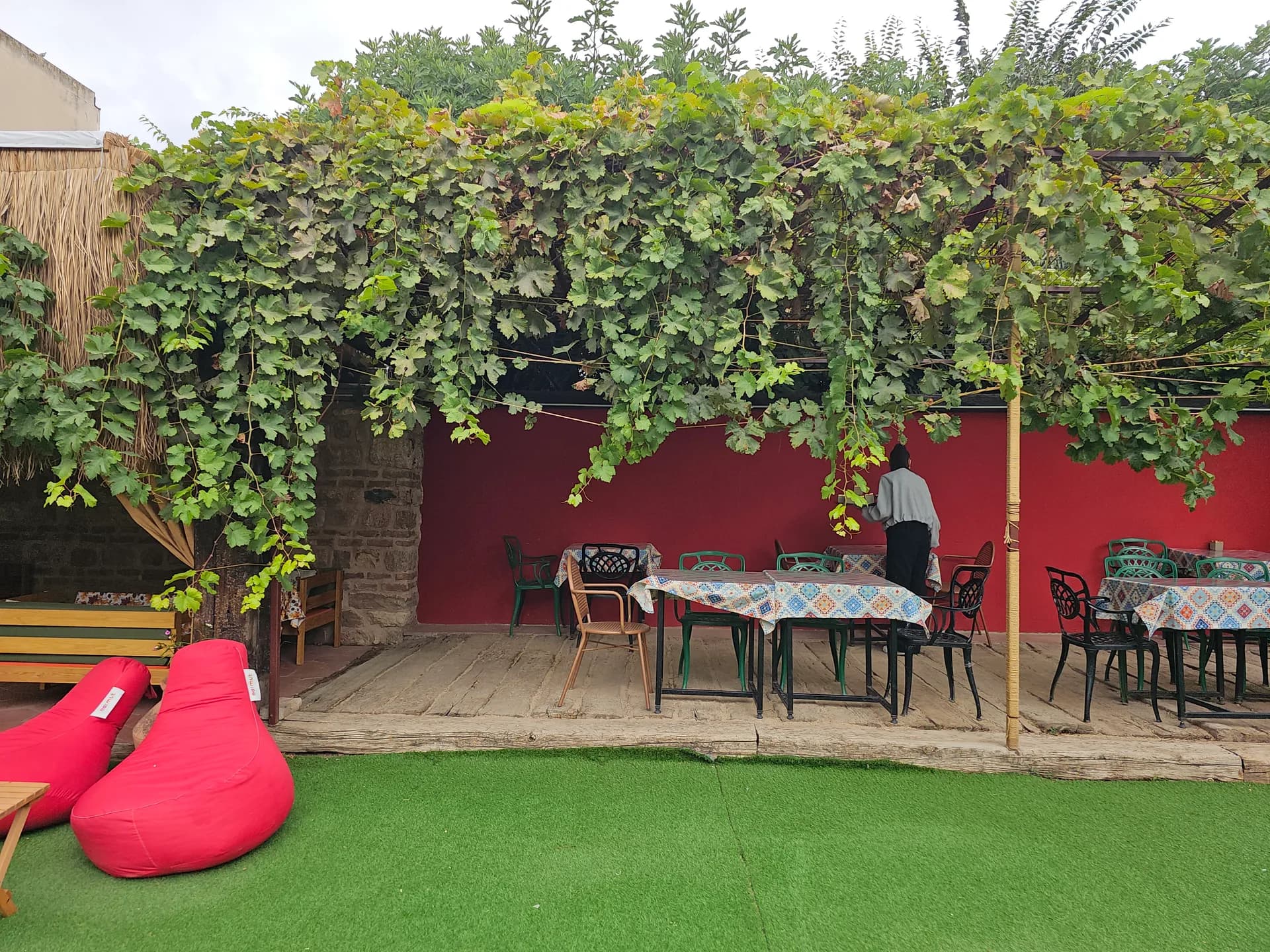
Breakfast
A generous Turkish breakfast spread in the garden
- Regulations that allowed rebuilding after earthquakes and fires
- Unlawful construction in the area
- The spread of intense commercial use from Saraçlar Caddesi (Saddlers' Street) into the district
- Gradual deterioration of plan and façade characteristics
- Alterations brought by changes of occupants
That is why staying in a restored konak that respects its fabric is not just a comfortable choice; it also means touching a heritage that is steadily shrinking.
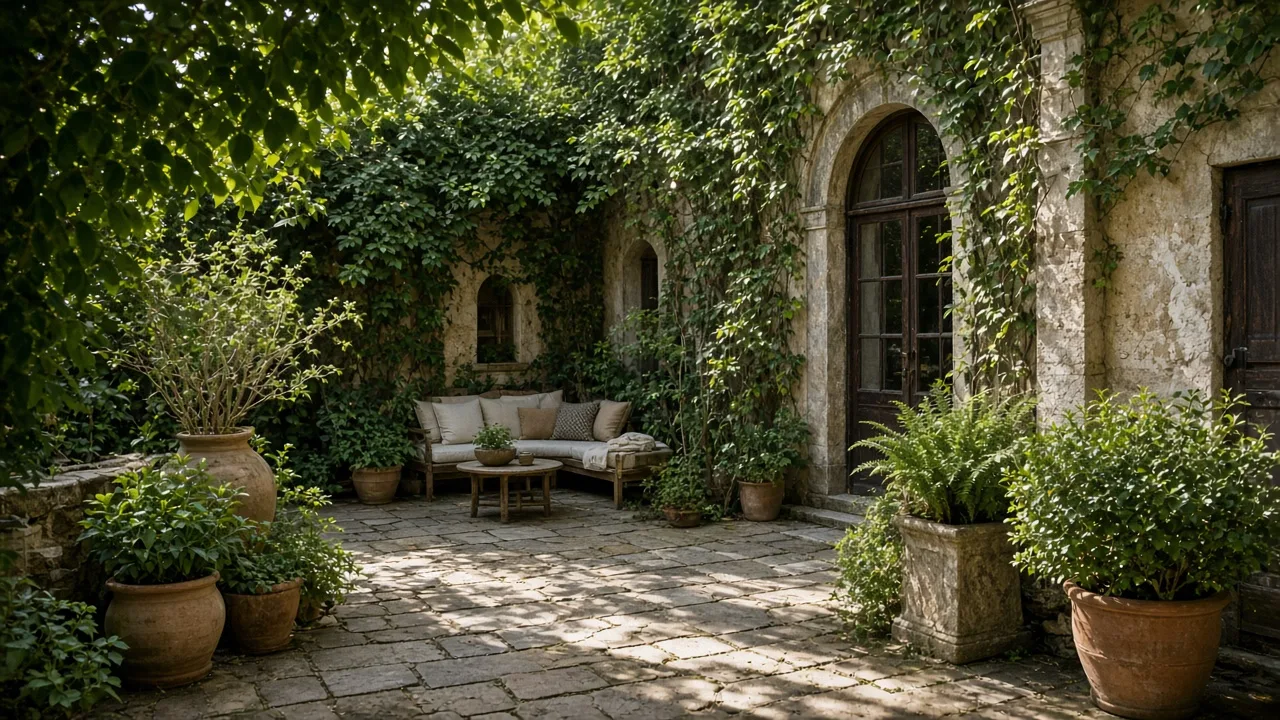
What to Keep in Mind When Staying in a Konak
Staying in a historic building has its own practicalities:
- Stairs and floor layout: Traditional houses have no lift; rooms are usually on the upper floors. If you have limited mobility, ask in advance.
- Room–sofa relationship: Since the rooms open onto the sofa, the shared space can carry sound. If quiet matters, choose a room facing the inner lane.
- Courtyard and garden: In season, the courtyard is the most precious space. Breakfast and evening sitting happen here.
- Wooden details: Wooden floors and stairs naturally creak; this is the building's character, not a flaw.
- Location: Thanks to Kaleiçi's grid plan, finding your way is easy; a 12–15 minute walk to Selimiye and Üç Şerefeli is typical.
Our konak is a private guesthouse within the fabric of Kaleiçi. We have detailed the advantages of staying in the area in our post on the advantages of staying in Kaleiçi; for general options, see our stays in Kaleiçi, Edirne page. If being close to Selimiye matters, our post on staying near Selimiye will also guide you.
Who Is It For?
- Couples: A calm konak with a courtyard suits a romantic weekend; our post on romantic stays for couples in Edirne offers ideas.
- History and architecture lovers: The building itself becomes part of the trip.
- Families: The shared sofa and courtyard make it easy to spend time together as a family. See our family stay guide.
- Short city breakers: Being in the centre lets you see a lot in two days.
If you want to choose your edirne konaklama (place to stay in Edirne) around your travel plan, our post on how many days you need for Edirne gives a clear framework for timing.
Location and Getting There
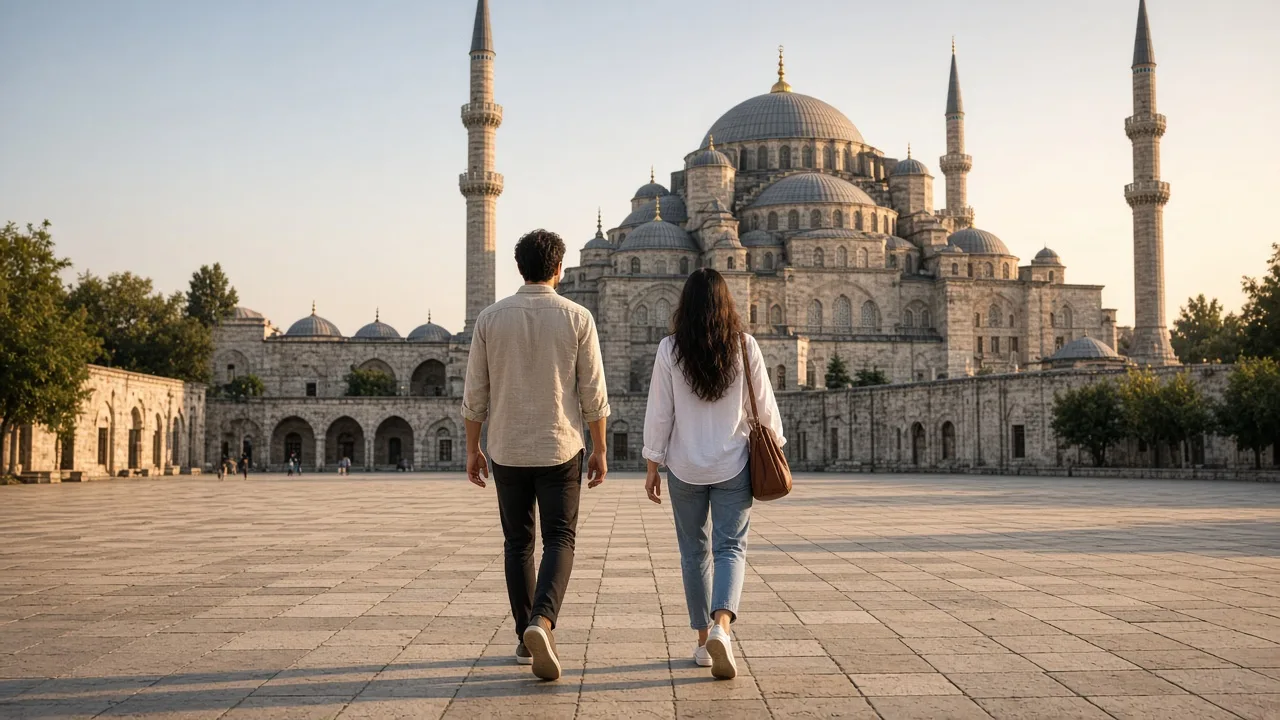
Since Kaleiçi is in the centre, you can step out of the konak and explore on foot: Selimiye Mosque and Üç Şerefeli Mosque are 12–15 minutes away, the bazaar on Saraçlar Caddesi is right next door, and the banks of the Tunca are about 10 minutes away.
Via our location in Kaleiçi, Edirne (Google Maps), you can explore the fabric of the district and the nearby stops. If you are coming from out of town, our post on how to get from Istanbul to Edirne will be useful for transport options.
Frequently Asked Questions
What does staying in a historic konak in Edirne mean?+
It means staying within Kaleiçi's historic urban fabric, in a building constructed according to the traditional plan. These houses stand side by side on small plots and mostly follow the "inner sofa" plan type. It is a house of that type, not a new block with an old front.
What is the plan type of the Kaleiçi mansions?+
Academic studies state that most of the traditional houses in Kaleiçi reflect the "inner sofa" (karnıyarık) plan type of the traditional Turkish house; the rooms are arranged around a sofa in the middle or to one side. If a description cannot say that, ask what the layout actually is.
How old are these mansions?+
The district was badly damaged in the 1751 earthquake and the Great Fire of Edirne on 2 September 1905. Most of today's fabric took shape after the zoning plan put into practice in 1908. The quarter was badly hit by the mid-eighteenth-century earthquake and the great fire, and most of today's streets took shape after the plan put in place a few years later. Historic here often means that rebuilding, not the Middle Ages.
Is staying in a historic konak comfortable?+
Traditional thick-walled buildings stay cool in summer and hold heat in winter. This is a clear advantage in a climate where the January average is 2.8 °C and the July–August average high is 32.1 °C. Thick walls stay cool in the hot months and hold warmth in a cold January. You notice that more than you notice a gadget.
Is there a lift?+
Traditional houses usually have no lift, and rooms may be on the upper floors. If you have limited mobility, be sure to ask before booking. Usually not, and the room may be upstairs. If stairs are a problem, ask before you book, not when you arrive with the bags.
Are there many original mansions in Kaleiçi?+
No, the number is small. Because of earthquakes and fires, later construction, commercial pressure and façade deterioration, most of the original houses have been lost. Earthquakes, fires, later building and worn façades have taken most of them, so do not assume every pretty front is original.
Is it far from the centre?+
No. Kaleiçi is the city's historic centre; the Selimiye and Üç Şerefeli mosques are a 12–15 minute walk away. You are not trading the house for a long ride each morning.
Is it suitable for families?+
The shared sofa and courtyard layout is well suited to family time. The short distances also make sightseeing easier for families with children. It is an easier base than a district you have to drive from.
How many blocks does the Kaleiçi mansion quarter have?+
About 160, across a historic centre of about 26 hectares. The streets are a Hippodamian grid from 1908, and the houses stand attached on small plots, on the inner-sofa plan, also called karnıyarık. What changes the day is the hall, the courtyard and the thick walls, not only the décor.
What temperature extremes has Edirne recorded?+
44.1 °C in July and −19.5 °C in January, from MGM measurements for 1930–2025. The snow record is 50 centimetres, on 1 February 1963. January averages 2.8 °C and the July–August average high is 32.1 °C, which is the climate the thick walls of a Kaleiçi konak were built for.
You may also like: Accommodation, Breakfast, Events.