Edirne Kakava and Hıdırellez Festival on 5–6 May: the bonfire at Sarayiçi, the wish ritual on the Tunca, UNESCO listing, plus travel and stay tips. Plan your visit.
The Edirne Kakava and Hıdırellez Festival is a spring festival held every year on 5–6 May at Sarayiçi and on the banks of the Tunca River. On the afternoon of 5 May, a giant Kakava bonfire is lit at Sarayiçi. The celebrations continue through the night to 9/8 rhythms. At dawn on 6 May, wishes are released into the water on the banks of the Tunca. In 2017, Hıdırellez was inscribed on UNESCO's Representative List of the Intangible Cultural Heritage of Humanity following a joint nomination by Türkiye and North Macedonia.
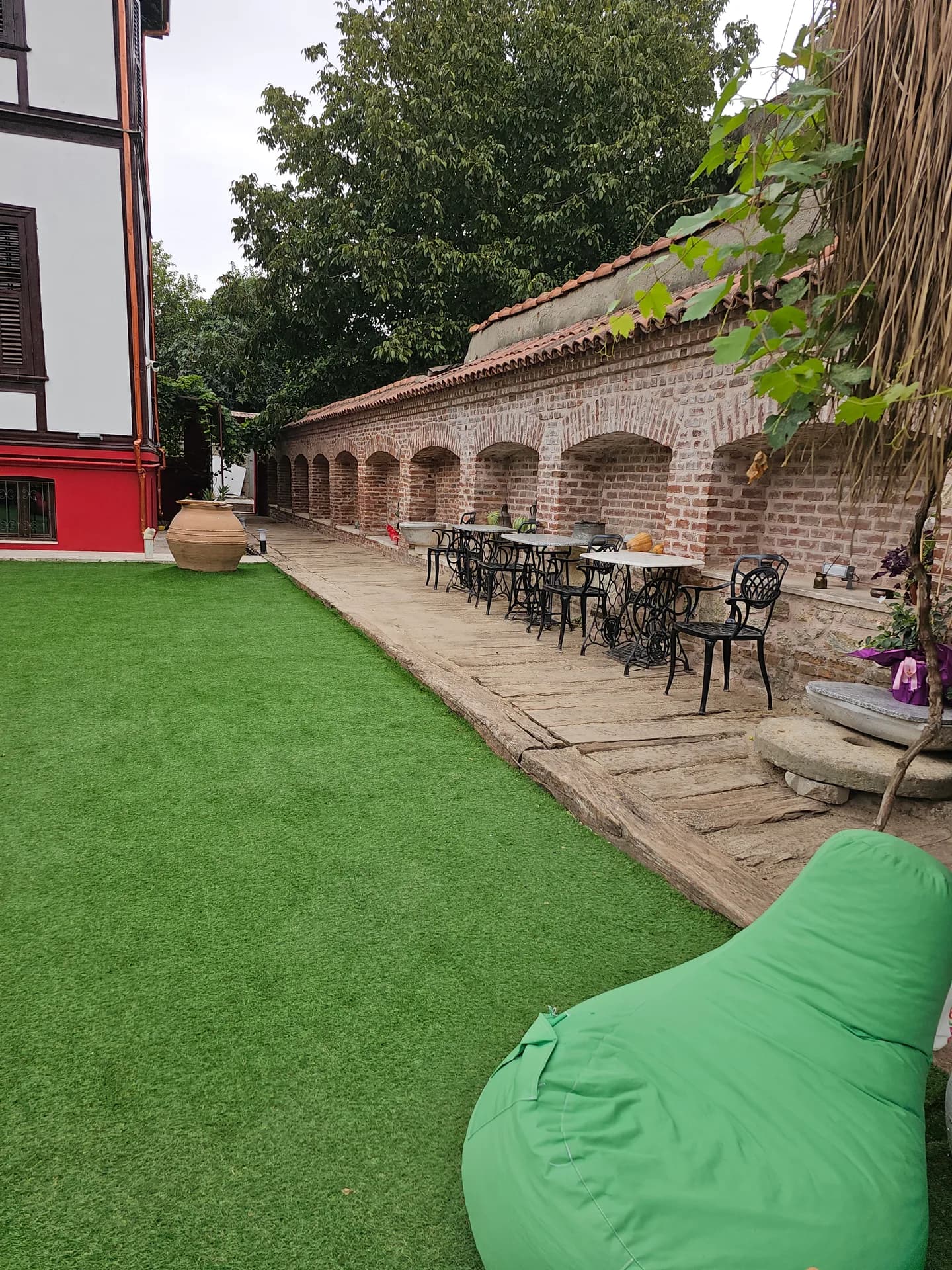
Café & Restaurant
Coffee, desserts and a relaxing break
"Kakava" is the name of Hıdırellez in Roma culture. Edirne's Roma community prepares for these days for almost a whole year. The festival brings the two most crowded and colourful days of the city's year.
Quick Overview
| Topic | Information |
|---|---|
| Date | Every year on 5–6 May |
| Place | Sarayiçi and the banks of the Tunca River |
| Kakava bonfire | 5 May, at 16:00 in 2026 |
| Welcoming spring ritual | Dawn on 6 May, Tunca riverbank (~06:00) |
| UNESCO | "Spring celebration, Hıdrellez", 2017 (12th session) |
| Organiser | Edirne Municipality |
| Entry | Open to the public, free |
| May weather | Avg. 18.0 °C; high 24.8, low 11.7 °C |
What Is Hıdırellez? Its Place in the Calendar
The name Hıdırellez comes from combining the names Hızır and İlyas. According to folk belief, Hızır comes to the aid of people on land and İlyas at sea; the two are believed to meet on earth every year on 6 May. In the UNESCO record, too, Hızır and İlyas are described as protectors of the earth and water.
The date is based on the old folk calendar. According to the TDV Encyclopaedia of Islam, in the Ottoman period the year was divided into two seasons:
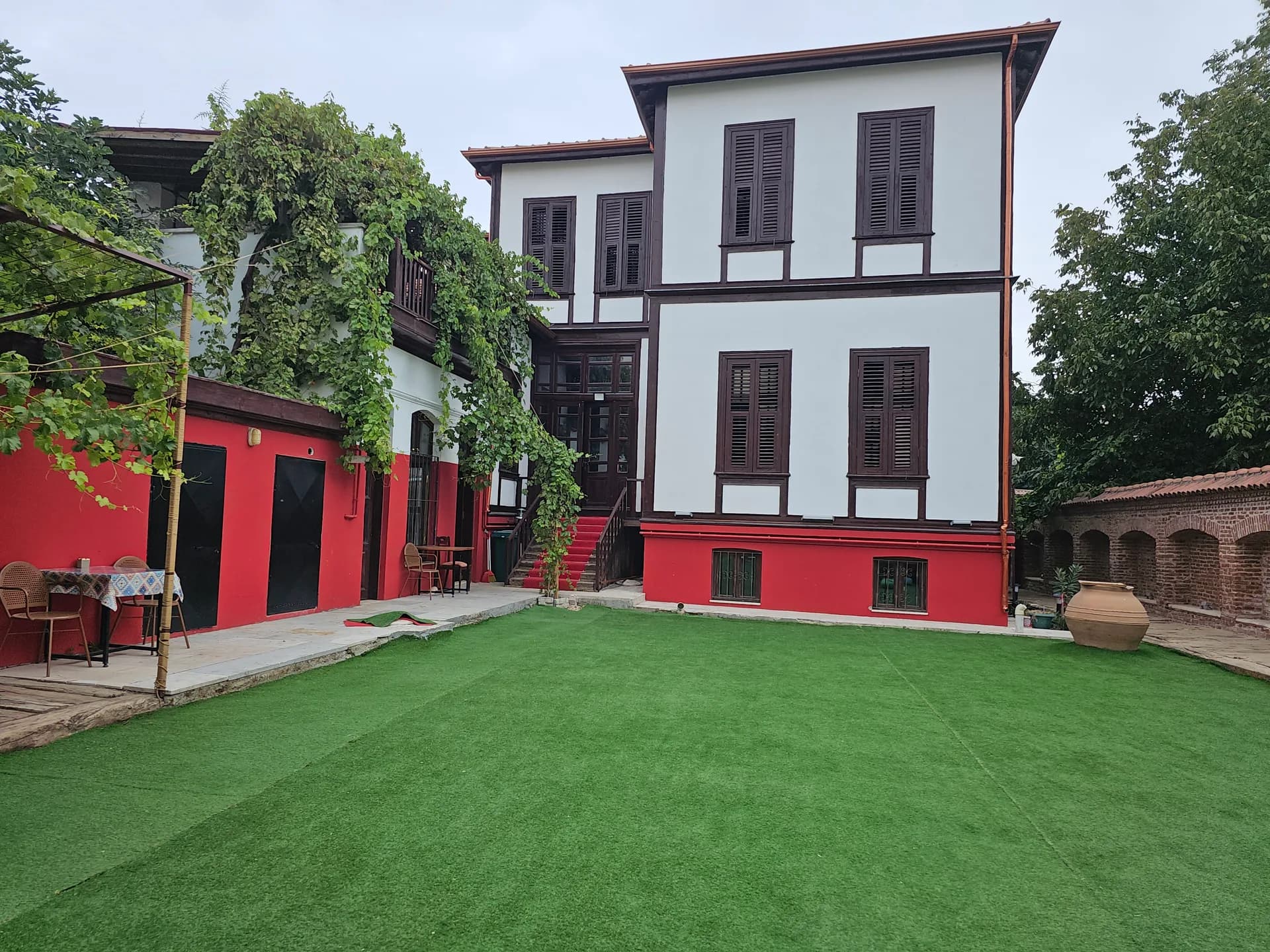
Stay
Stay in Edirne Kaleiçi with breakfast included
| Period | Dates | Length |
|---|---|---|
| Days of Hızır (summer) | 6 May – 8 November | 186 days |
| Days of Kasım (winter) | 8 November – 6 May | 179 days |
On the night between 5 and 6 May, the sun enters the sign in which the Pleiades (Ülker) star cluster lies. From this date until 7–8 November, the Pleiades are not visible after sunset. Even Ottoman archival documents show work being planned around these two periods, "from the day of Hızır to the day of Kasım". Hıdırellez has nothing to do with the Hijri calendar; it is tied entirely to the change of seasons.
The UNESCO Listing
Hıdırellez was added to the list at UNESCO's 12th Intergovernmental Committee meeting, held in December 2017 on Jeju Island, South Korea. The official name of the inscription is "Spring celebration, Hıdrellez", and the nomination was made jointly by Türkiye and North Macedonia. Hıdırellez had entered Türkiye's national inventory of intangible cultural heritage in 2009.
According to UNESCO's description, this spring celebration belongs to families, children, young people, dancers and musicians, in short, to all participants. Knowledge and skills are passed on within families and among community members through oral storytelling, observation and participation. Kakava in Edirne is one of the most crowded celebrations of this living tradition.
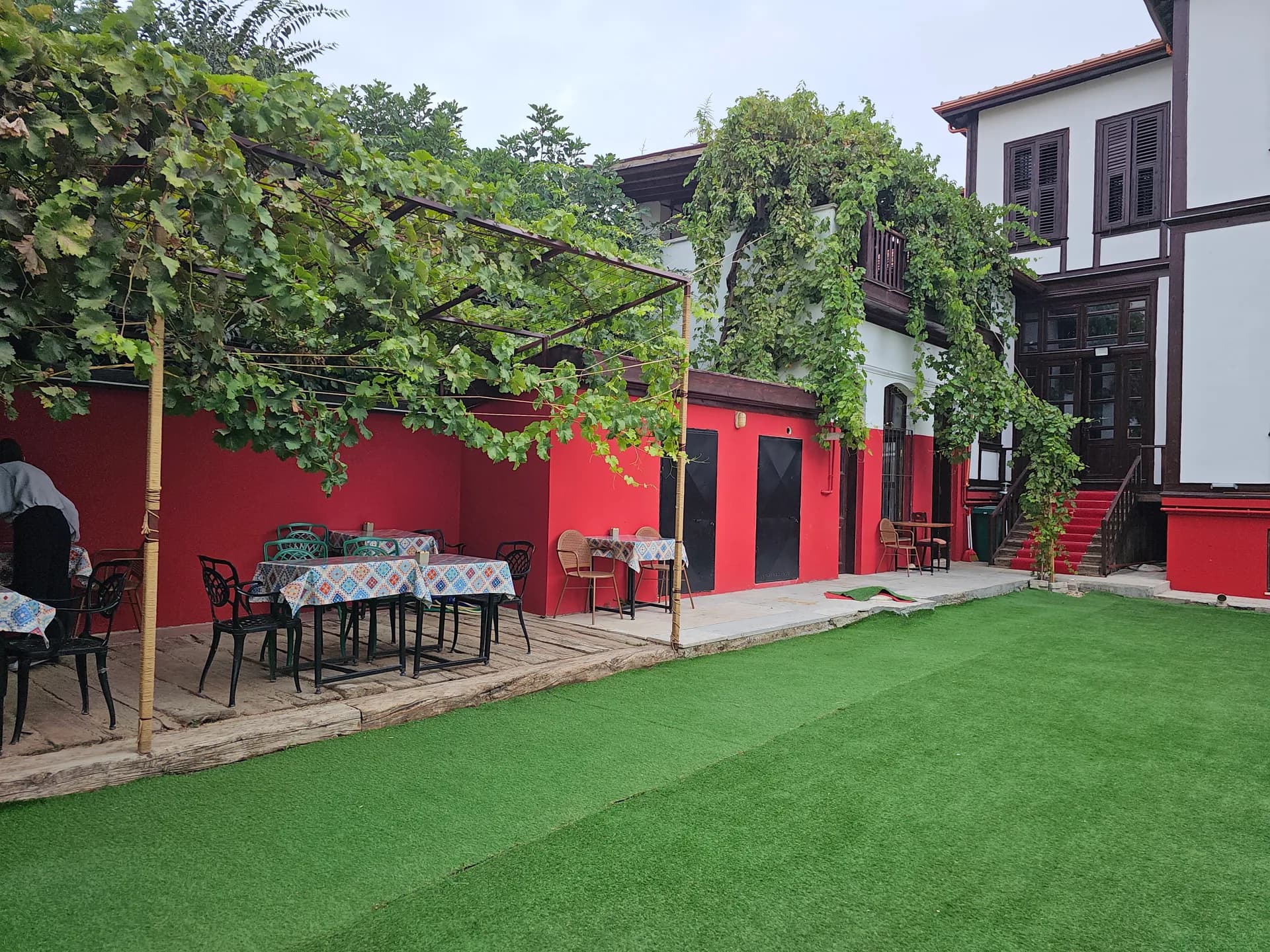
Events
Engagements, small weddings and private celebrations
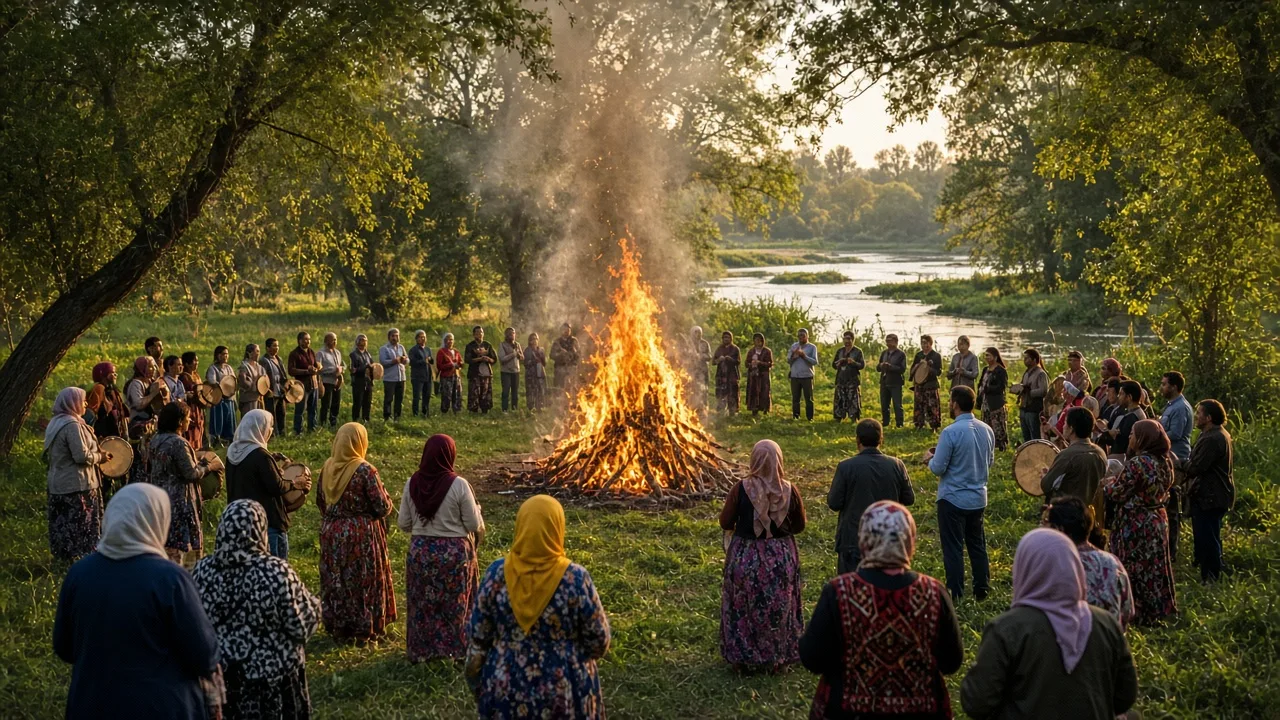
5 May: The Kakava Bonfire at Sarayiçi
The first day of the festival begins in the morning at Sarayiçi with rhythm groups. In the 2026 programme, folk dance troupes and dance groups from different cities of Türkiye and from abroad took the stage. Darbuka (goblet drum) workshops, procession preparations and concerts went on all day.
In the afternoon comes the festival's main moment:
1. Procession: The çeribaşı (community leader), residents and guests walk from the city to Sarayiçi. 2. Kakava bonfire: In 2026 it was lit at 16:00. The municipality notes that this fire is considered to date back about 1,400 years. The fire symbolises the sharing of abundance and plenty. 3. Pilaf for guests: Pilaf is served to guests beside the fire. 4. Jumping over the fire and the wish tree: Visitors jump over the fire and hang their wishes on the wish tree. 5. Music all night: Stage performances and concerts continue until morning to 9/8 rhythms.
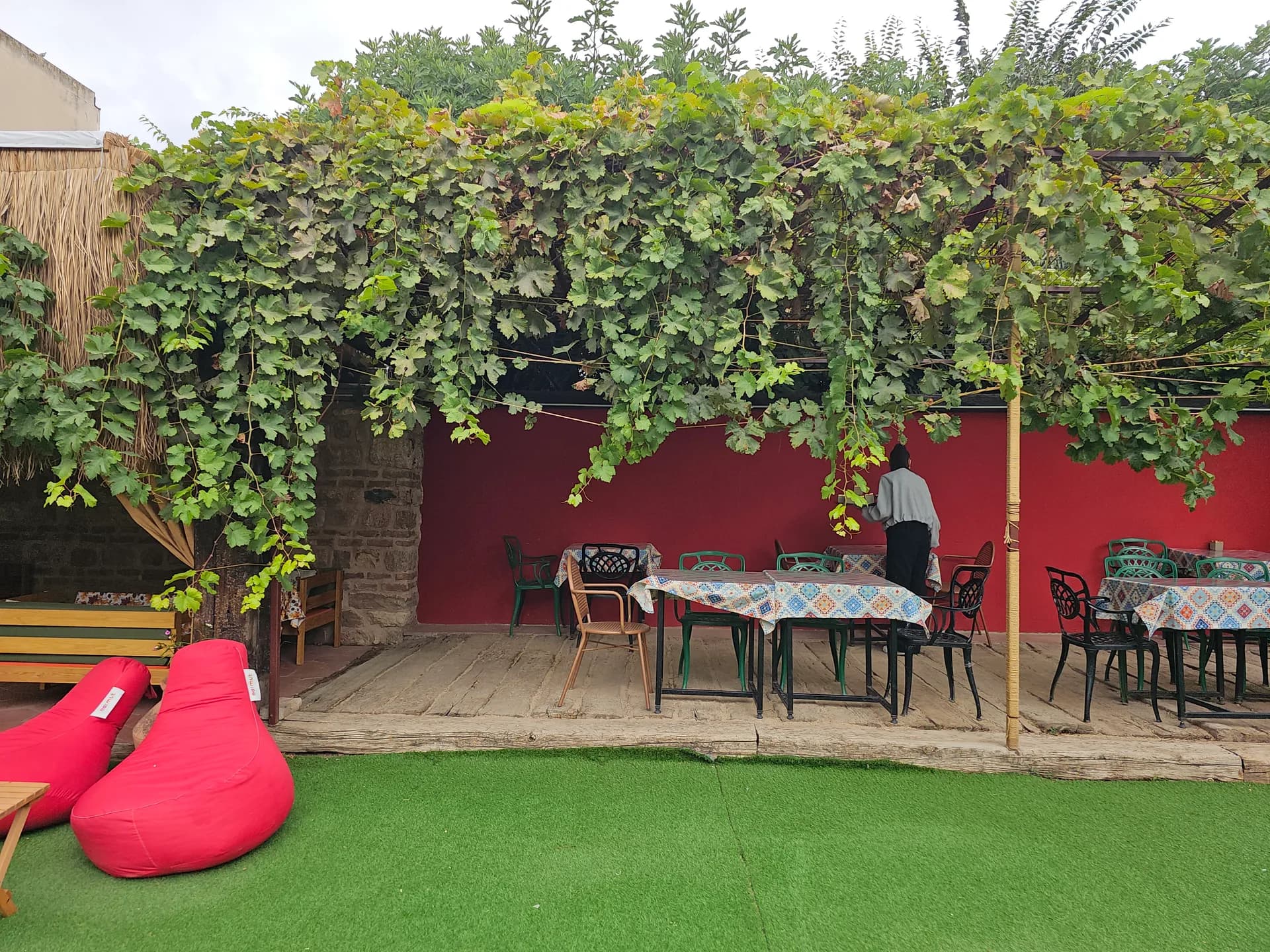
Breakfast
A generous Turkish breakfast spread in the garden
Sarayiçi is a historic island between branches of the Tunca, where the Kırkpınar wrestling is also held. For the area's history, see our guide to Sarayiçi and Kırkpınar in Edirne.
Dawn on 6 May: Welcoming Spring on the Banks of the Tunca
The second day of the festival opens with the most striking ritual unique to Edirne. With the first light of morning, at about 06:00, the crowd goes down to the banks of the Tunca River:
- Washing the face: Hands and faces are washed with river water, a wish for health and purification.
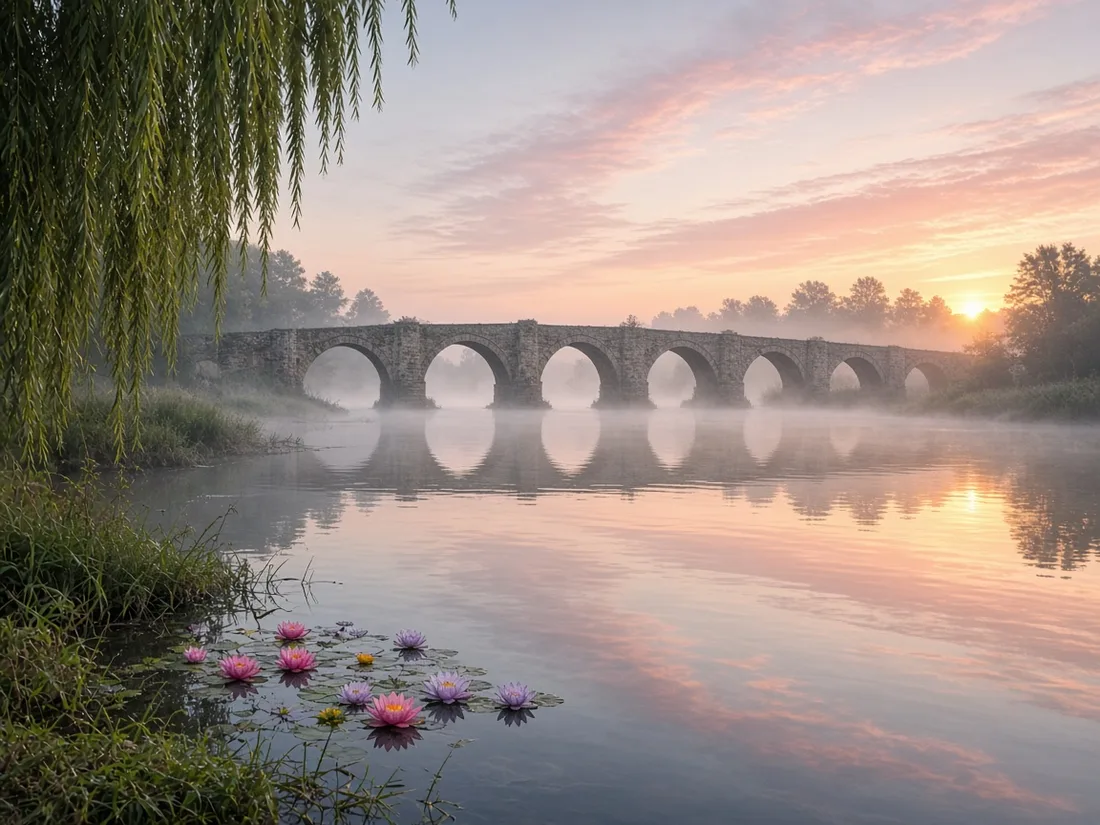
- Releasing wishes into the water: In 2026, a symbolic wish flower was released into the Tunca from the historic bridge. Wishes for abundance, peace, love and health met the water.
- River water in bottles and branches: River water filled into bottles and branches cut from trees are taken home; the branches are hung on doors.
- Young women in bridal dress: It is part of the tradition for young women of marriageable age to come to the riverside in their finest dresses or wedding gowns.
Behind this ritual lies the legend of Baba Fingo. According to the story, Baba Fingo was a leader who once guided the community. He is believed to have vanished in the waters and to return one day. Entering the water at dawn is partly a way of remembering him. After the morning ritual, the festival comes to an end.
For a map of the Tunca's banks and the city's bridges, take a look at our article on which rivers flow through Edirne.
Hıdırellez Traditions in Türkiye
Besides Kakava in Edirne, Hıdırellez is celebrated with similar rituals in many parts of Türkiye. The highlights in Ministry of Culture and Tourism publications and TDV sources are:
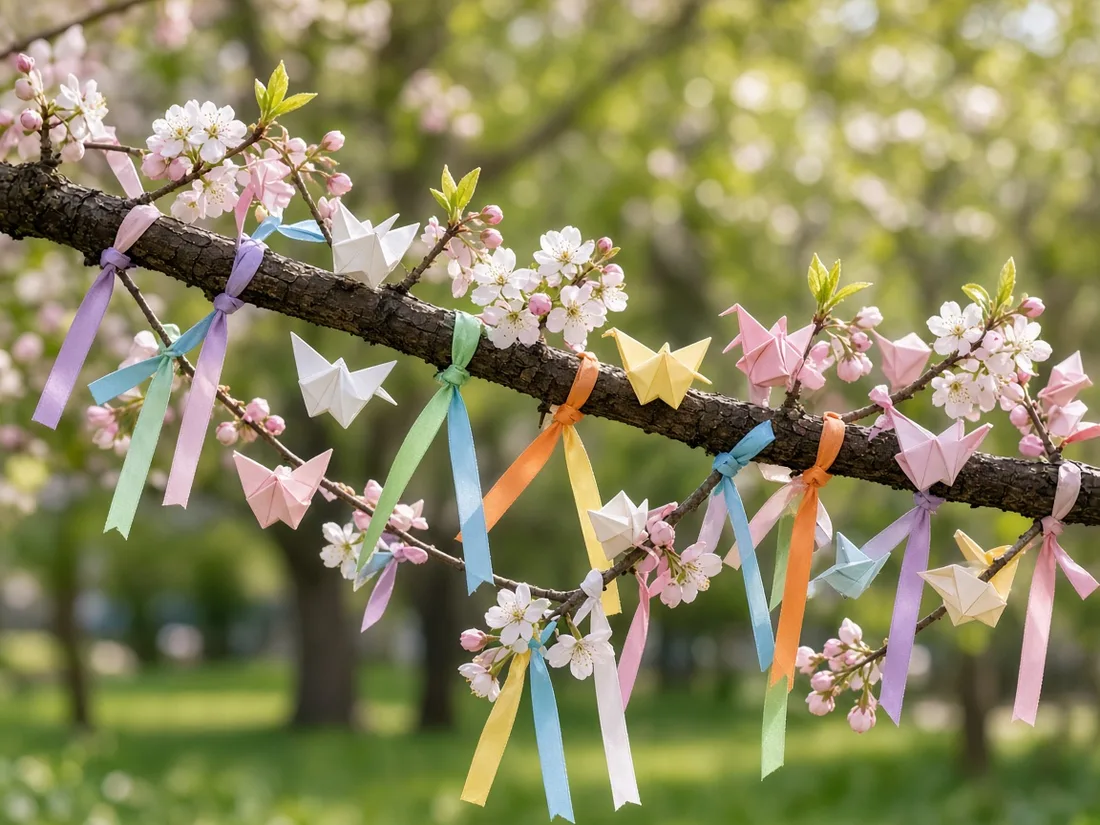
- A wish at the rose bush: Wishes are written or drawn on paper and placed at the foot of a rose bush or tied to its branch at night.
- Flower water: Flowers gathered from the fields are put in water; in the morning, faces are washed with this water.
- Drawing fortunes (kısmet çekme): Young women put their rings in a jar, and the next day they are drawn out to the accompaniment of mâni (folk quatrains).
- Jumping over the fire: Leaping over a fire for purification and health.
- Festivities in green places and by the water: Celebrations are usually held in wooded areas and by water.
- A spring table: Fresh herbs, lamb and the first produce of spring are eaten.
- Leaving containers open: For abundance, the mouths of granaries, purses and containers are left open overnight.
The rose bush, flower water and drawing fortunes are common across Türkiye. The Kakava bonfire at Sarayiçi, the dawn ritual on the Tunca and the Baba Fingo legend, however, set Edirne's celebration apart.
Practical Information for Visitors
The festival is open to the public and entry is free. In 2026, the municipality announced six separate free parking areas for the crowds. A few tips:
- Arrival: Come before noon on 5 May. The road to Sarayiçi gets very crowded around the procession and bonfire times.
- Getting there: Walking from Kaleiçi to Sarayiçi takes about 20–25 minutes. Leaving your car in the centre makes things easier.
- Clothing: In May, night temperatures drop to an average of 11.7 °C. Bring a jacket for the night programme. The Tunca bank is damp in the morning; wear comfortable, non-slip shoes.
- Crowds: The municipality announced that tens of thousands of guests attended the 2026 festival. If you are coming with children, agree on a meeting point.
- Respect: The rituals are a community's living tradition. Ask permission when taking photos, especially close-ups.
- Programme: Times, the stage programme and parking information change every year. Check Edirne Municipality's current programme before you go.
Where to Stay and a Sightseeing Plan for Kakava
5–6 May is one of Edirne's busiest periods. It is wise to book your room at least a month in advance. Staying in the city on the night of 5 May is the easiest way to make it to the 06:00 ritual on the Tunca.
A sample two-day plan:
- 5 May: Selimiye and the bazaars in the morning, move to Sarayiçi at noon, the Kakava bonfire at 16:00, concerts in the evening.
- 6 May: The Tunca bank at dawn, followed by a long breakfast and rest. In the afternoon, the Meriç Bridge or Karaağaç.
For the morning after the all-night festival, our breakfast in Kaleiçi, Edirne is served from 09:00 to 13:00. For room options, see our places to stay in Edirne page, and for proximity to the centre, our stays in central Edirne page. Our location in Kaleiçi, Edirne (Google Maps) is within walking distance of Sarayiçi.
May is also one of the best months to explore Edirne. For other spring events and the climate, see our article on the best time to visit Edirne. The spots with the most beautiful light for festival photos are in our article on Edirne photo spots.
Frequently Asked Questions
What is Kakava?+
Kakava is the name of Hıdırellez in Roma culture. In Edirne, it is celebrated every year on 5–6 May at Sarayiçi and on the banks of the Tunca with festivities organised by Edirne Municipality. It is Hıdırellez under the name used in Roma culture, kept in Edirne on the same two May days at Sarayiçi and the Tunca, with the municipality running the programme. One festival, one diary entry.
When is Kakava in Edirne?+
Every year on 5–6 May. The Kakava bonfire is lit on the afternoon of 5 May, and the ritual welcoming spring is held on the banks of the Tunca at dawn on 6 May. The dates do not move: bonfire on the first afternoon, the spring ritual at dawn the next day by the river. Plan sleep around that dawn if you want to see both.
What time is the Kakava bonfire lit?+
In 2026, it was lit at 16:00 after the procession. The time is announced each year in the municipality's programme. Check the municipality note for your year rather than copying an old clock time.
Is Hıdırellez on the UNESCO list?+
Yes. Under the name "Spring celebration, Hıdrellez", it was inscribed on UNESCO's Representative List of the Intangible Cultural Heritage of Humanity in 2017 following a joint nomination by Türkiye and North Macedonia. The listing is why the day is treated as heritage; you still just turn up in Edirne for the free events.
Why is Hıdırellez celebrated on 6 May?+
In the old folk calendar, the year was divided into two: the 186 "days of Hızır" from 6 May to 8 November and the 179 "days of Kasım" from 8 November to 6 May. 6 May is considered the start of summer. In the old calendar that morning opens the summer half of the year, after the winter half. The split is why the date is fixed rather than chosen for the weather.
Who is Baba Fingo?+
According to legend, Baba Fingo was a leader who once guided the community. He is believed to have vanished in the waters and to return one day. Entering the water at dawn on 6 May is one way of remembering him. You can watch that remembrance without having to go in yourself.
Is there an entry fee for the Kakava festivities?+
No, the festival is open to the public and free. The municipality also announces free parking areas for the crowds. Nothing to pay, and the city also points people to free places to leave a car. Arrive as if the ground will be crowded, because it is open to everyone.
Where should you stay in Edirne for Kakava?+
Kaleiçi, within walking distance of Sarayiçi and the Tunca bank, is the most practical area for catching the night programme and the dawn ritual. Book your room early for 5–6 May. Book early once your dates are those two days in May.
What is the weather like in Edirne during Kakava?+
May averages 18.0 °C, with a high of 24.8 °C and a low of 11.7 °C. The festival is held every year on 5–6 May at Sarayiçi and on the banks of the Tunca, and it is organised by Edirne Municipality. In 2026 the bonfire was at 16:00 on 5 May.
Where does the name Hıdırellez come from?+
It joins the names Hızır and İlyas. Folk belief says Hızır helps people on land and İlyas at sea, and that the two meet on earth every year on 6 May. The UNESCO record from the 12th session in 2017, a joint file by Türkiye and North Macedonia, also describes them as protectors of the earth and water.
You may also like: Accommodation, Breakfast, Events.