Edirne Palace revival: the 46-metre rebuilding of the Cihannüma Pavilion, the 11 surviving works, the 2027–2028 opening target and visitor info. Read the latest.
Edirne Palace is the Saray-ı Cedid-i Amire (New Imperial Palace), whose foundations were laid in 1450 under Murad II and which was largely destroyed in the 19th century. Handed over to the Directorate of National Palaces on 18 October 2022, the palace is being brought back to life under a five-year master plan. According to statements by National Palaces, half of the master plan has been completed; the palace's main building, the Cihannüma Pavilion, is once again visible on the city skyline, and according to the Edirne Governorship's statement in July 2026, the pavilion's restoration will be finished by the end of 2026. This work in Sarayiçi, on the banks of the Tunca, means that the building regarded as the "sister palace" of Topkapı is becoming visible again after three centuries.
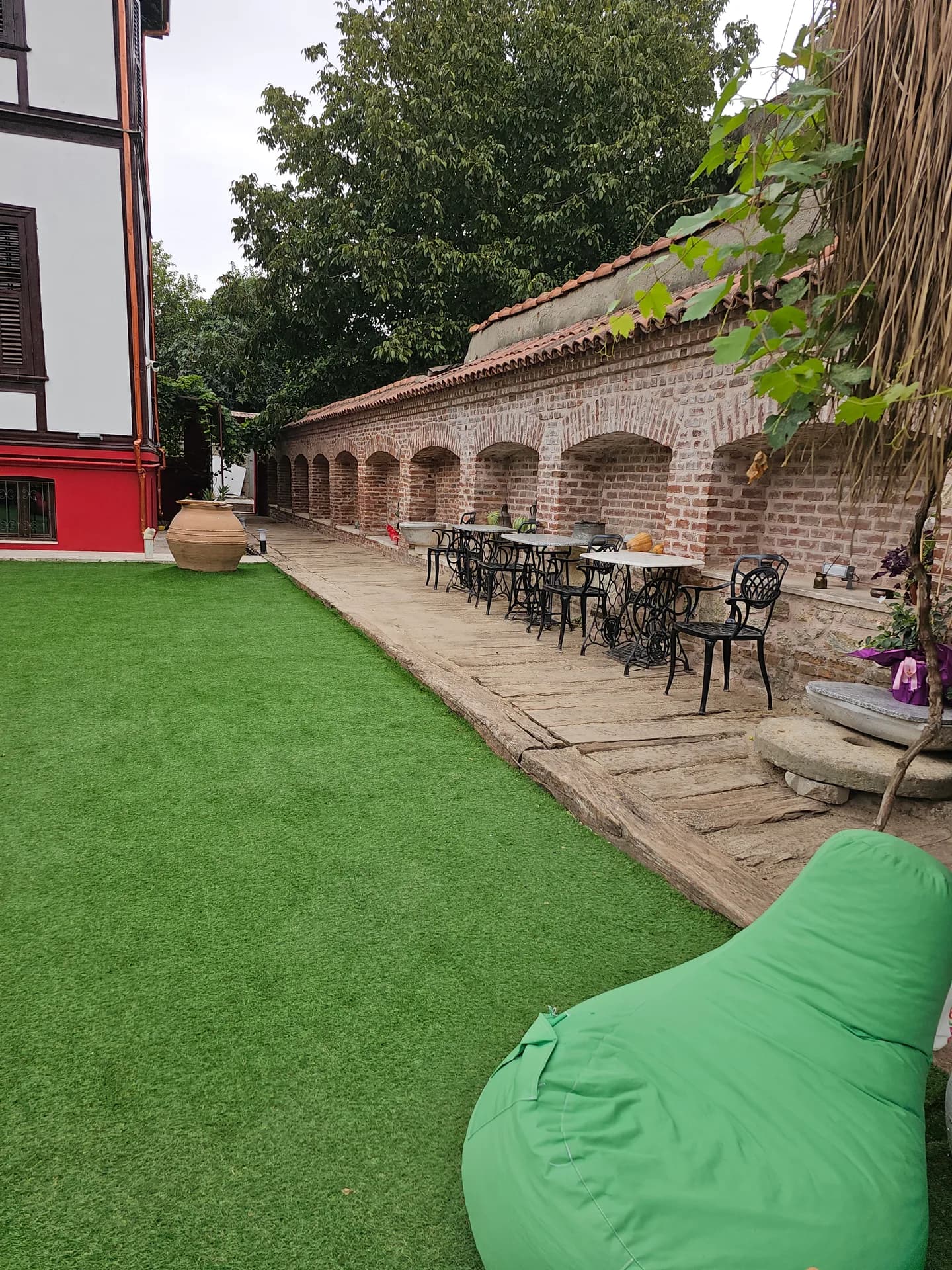
Café & Restaurant
Coffee, desserts and a relaxing break
Quick Overview
| Topic | Information |
|---|---|
| Official name | Saray-ı Cedid-i Amire (New Palace) |
| Location | Sarayiçi, banks of the Tunca River, Edirne |
| Foundation | 1450, reign of Murad II |
| Main building | Cihannüma Pavilion (reign of Mehmed the Conqueror, 1451–1452) |
| Most complete surviving building | Justice Pavilion (Adalet Kasrı, 1561) |
| Number of original buildings | About 100, according to sources |
| Surviving works | 11 |
| Responsible institution | Directorate of National Palaces (since 18 October 2022) |
| Work area | About 1,200 decares |
| Progress | Half of the master plan complete; 550 metres of courtyard wall rebuilt |
| Cihannüma Pavilion | Six storeys; will reach 46.20 metres with its conical roof |
| Opening target | According to statements, end of 2027–2028 |
| Visiting | Work is ongoing; the aim is to open it to visitors once complete |
We told the story of the palace's founding, along with a general guide to Sarayiçi and Kırkpınar, in our Edirne Sarayiçi and Kırkpınar guide.
Why Is Edirne Palace Being Rebuilt?
Edirne was the Ottoman capital from the second half of the 14th century until the conquest of Istanbul in 1453, and after the conquest it remained a second centre where sultans stayed for long periods. The palace that Murad II began on the island between two branches of the Tunca took on its main character under Mehmed the Conqueror. Under Süleyman the Magnificent and Mimar Sinan there was a second building phase: the palace was replanned, a branch of the Taşlımüsellim water supply that Sinan brought to the city was connected to the palace, and an arc-shaped canal was dug against the flood risk of the Tunca.
This great complex suffered one disaster after another in the 18th and 19th centuries. According to sources, the 1752 earthquake and the 1776 fire caused heavy damage. Partial repairs were made in 1827, but in 1829 the palace grounds were used as a military camp during the occupation of the city. During the Ottoman-Russian War of 1877–78, according to sources, the blowing up of the ammunition store near the Babüssaade destroyed most of the palace. In the years that followed, its stones were reused in other buildings.
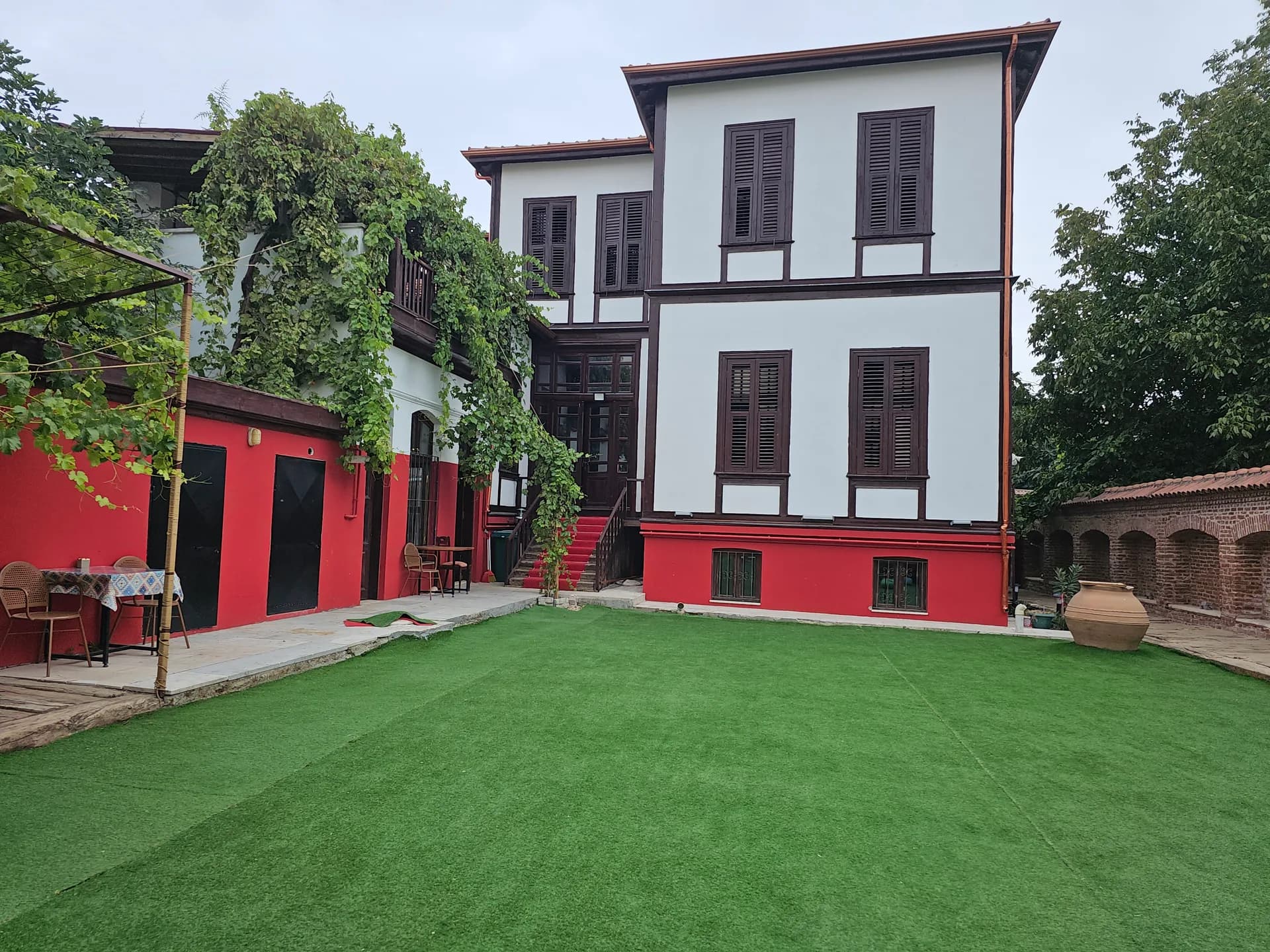
Stay
Stay in Edirne Kaleiçi with breakfast included
As a result, of a palace thought to have consisted of about 100 buildings, only 11 works have survived to the present day. The revival is therefore both a restoration and a reconstruction project based on archive documents, old photographs and excavation finds.
The 11 Surviving Works
According to information reported by Anadolu Agency, the surviving works of Edirne Palace include the following:
- Babüssaade (Gate of the White Eunuchs): The gate in front of the Chamber of Petitions. According to sources, it was rebuilt between 2001 and 2004.
- Justice Pavilion (Adalet Kasrı): A stone tower built in 1561 under Süleyman the Magnificent and associated in sources with Mimar Sinan. It is the palace's most complete surviving building.
- Matbah-ı Amire: The palace kitchen buildings.
- Water distribution house (maksem): The building where water was divided into branches. Its restoration was completed in 2024.
- Namazgahlı Çeşme: An open-air prayer place and fountain, repaired together with the water distribution house in 2024.
- Hunting Lodge (Av Köşkü): A building from the period remembered for Mehmed IV's love of hunting.
- Kum Kasrı Hammam: The hammam of the Kum Kasrı section.
The buildings that bring the list to 11, along with the walls and foundations that survive as ruins, are becoming better understood as excavations progress. The two historic bridges in the palace grounds, the Saraçhane Bridge of 1451 and the Fatih Bridge of 1452, bear witness to the palace's founding period and are still in use today.
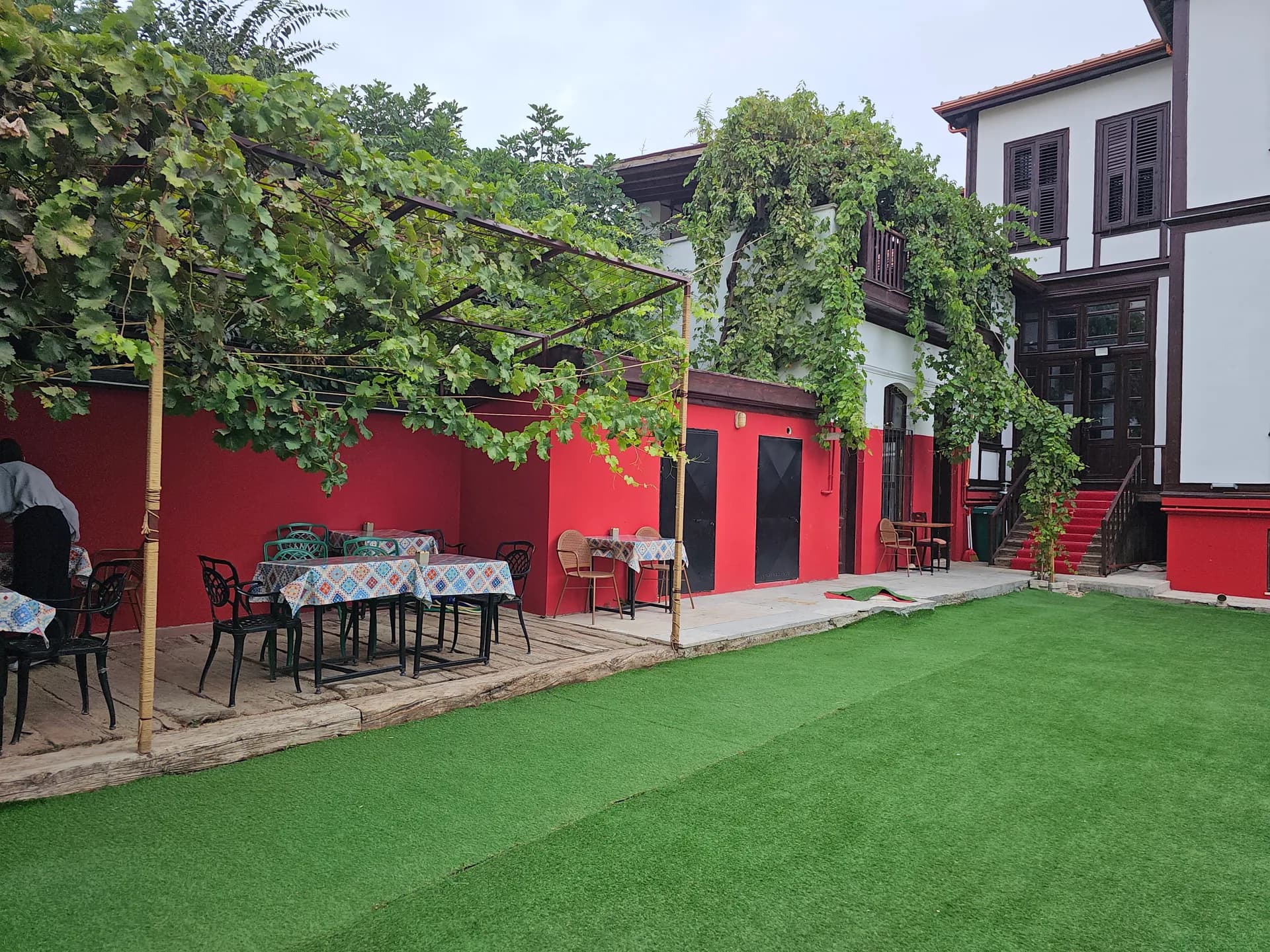
Events
Engagements, small weddings and private celebrations
The Revival Process: From 2022 to Today
According to information shared by the Directorate of National Palaces, the process has gone through these stages:
| Date | Development |
|---|---|
| From 1999 | Rescue excavations carried out by various universities |
| 2017 | Restoration and strengthening projects for the Cihannüma Pavilion approved by the conservation board |
| 18 October 2022 | Palace handed over to the Directorate of National Palaces |
| 2022–2023 | Documentation of historic buildings and remains, five-year master plan |
| 2023 | Start of a new excavation season |
| 2024 | Restoration of the water distribution house, prayer place and fountain completed |
| January 2025 | Major stage on the wall of about 400 metres, 7 metres high, surrounding the second courtyard |
| July 2025 | About 50% of the revival complete; about 70% progress on the Cihannüma |
| End of 2025–2026 | Half of the master plan complete; 550 m of courtyard wall rebuilt in total, 310 m around Kum Meydanı and 240 m behind the Matbah-ı Amire |
| July 2026 | Governorship: restoration of the Cihannüma Pavilion to be completed by the end of the year |
In statements by the President of National Palaces, the target of opening the palace was given as the end of 2027, and in another statement as 2028. As the dates may change according to the institution's announcements, the best approach is to follow the current status through the official channels of National Palaces.
How is the Cihannüma Pavilion being rebuilt?
According to the Kültür Portalı (Türkiye's culture portal), the Cihannüma Pavilion built by Mehmed the Conqueror is also known as the Taht-ı Hümayun (Imperial Throne) and is the main building of the palace. It housed the Privy Chamber (Has Oda), the Room of the Seven (Yediler Odası), the Apartment of the Holy Banner (Sancak-ı Şerif Dairesi) and the palace library. Of the six-storey pavilion, only the walls of the lower sections had survived.
Breakfast
A generous Turkish breakfast spread in the garden
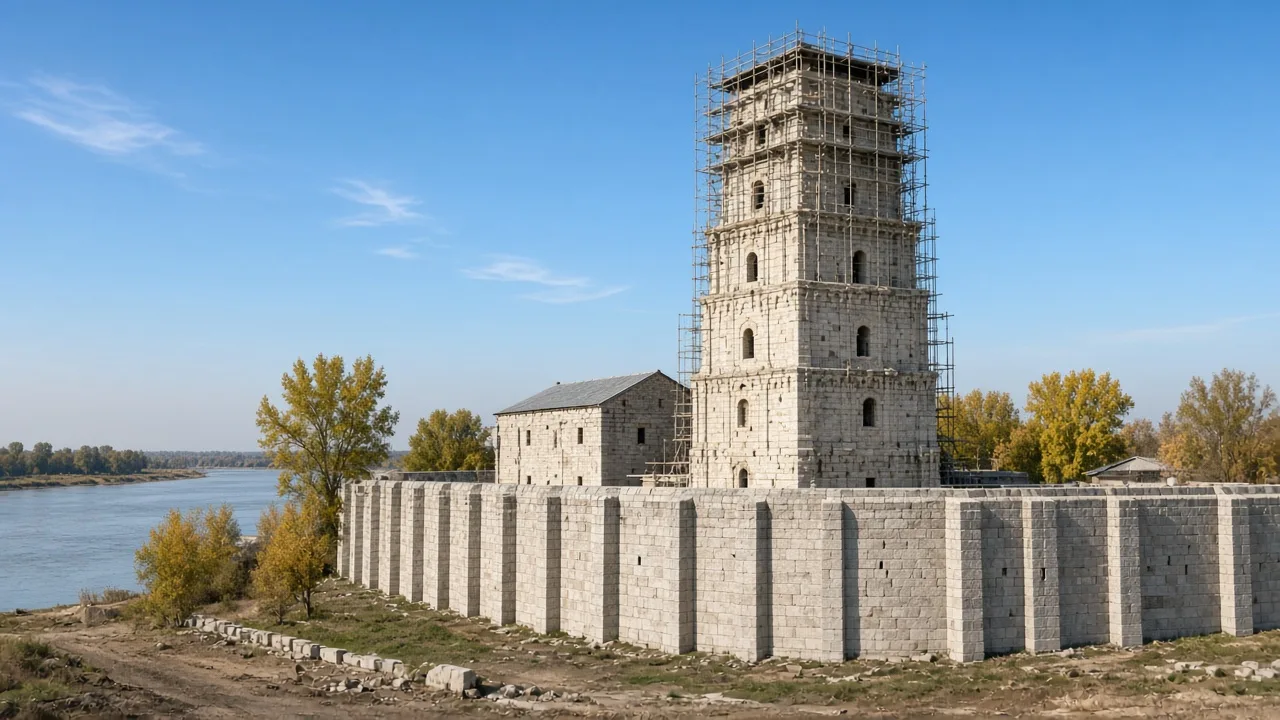
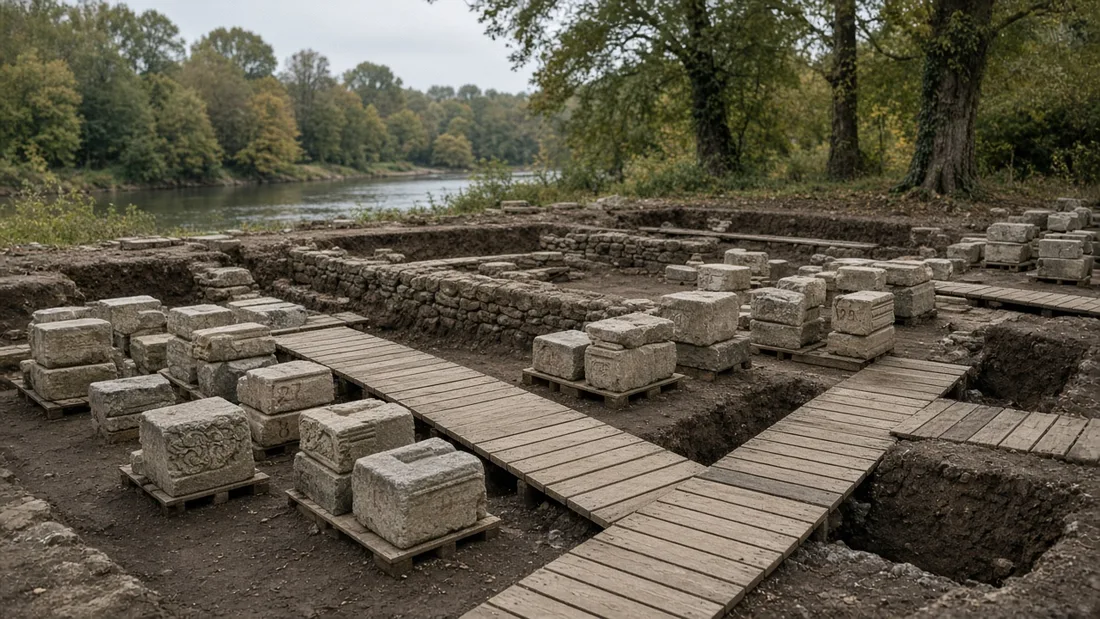
During restoration, the later mortar residues were first cleaned off by scraping. The original stones were protected using "suspension" and "numbered stacking" methods. The existing walls were then strengthened and the lost walls rebuilt according to the approved projects; work began on the intermediate floors, original doors and windows, roof structure and top coverings. According to National Palaces data, 1,500 cubic metres of dressed stone wall have been built, the marble door and window frames and the wooden joinery have been completed, and the Cihannüma Room in the tower section has been recreated. When the tower's conical roof is finished, the pavilion will reach a height of 46.20 metres.
The walls, the Chamber of Petitions and Kum Kasrı
The region's flood risk was taken into account when deciding the height of the walls; on this plain where the Tunca and Meriç meet, water was always the palace's biggest issue. Work is continuing in the Chamber of Petitions (Arz Odası), where the sultan received envoys and statesmen. In the Kum Kasrı section, excavations are ongoing; in the words of the President of National Palaces, Kum Kasrı is a building that "reflects the period features of Edirne Palace extraordinarily well".
Topkapı's Sister: Architectural Similarities
In its plan, Edirne Palace closely resembles Topkapı Palace in Istanbul. Both have courtyards arranged one after another, sections separated by gates, and a Chamber of Petitions where the sultan received visitors. The differences come largely from geography: while Topkapı was built on the hilltop of a peninsula, Edirne Palace spread over flat, flood-prone ground surrounded by the river. That is why in Edirne water management, canals and bridges became part of the palace.
Sources state that the palace was the second-largest Ottoman palace after Topkapı. To the south of the Cihannüma Pavilion, the apartments of Mehmed IV, Mustafa II and Ahmed III were built adjoining each other. Beyond these were the sections of the queen mother, the princes and palace staff, and to the west the Chamber of Petitions.
The Mahmudiye Barracks and the Museum Plan
The revival project is also known not to be limited to the palace. According to a 2025 statement by the President of National Palaces, the Mahmudiye Barracks near the palace grounds are planned to be shaped "with a contemporary museum approach". Displaying the finds from the excavations here will allow the palace's story to be told to visitors as a whole.
Visiting Edirne Palace
The palace grounds are an active work and excavation site today. The aim is to open them to the public once the restoration is complete; until then, access to some sections may be restricted. You can, however, freely see the following:
- The Justice Pavilion and its surroundings: In Sarayiçi, close to the Kırkpınar wrestling arena (Er Meydanı).
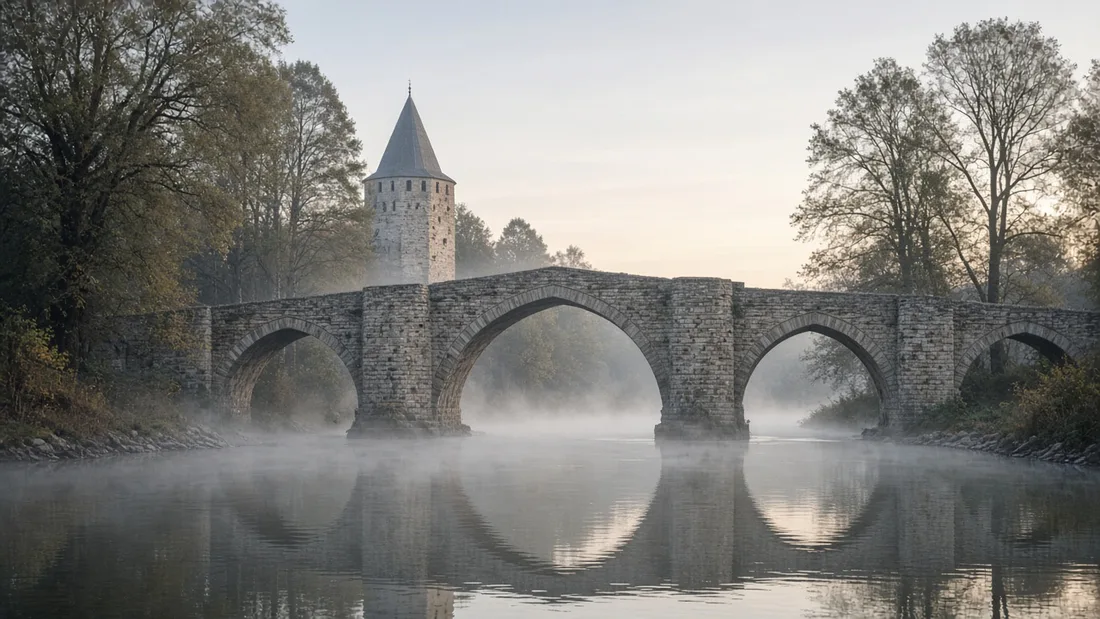
- The Fatih and Saraçhane bridges: The way across the Tunca to Sarayiçi.
- The rising Cihannüma silhouette: Visible from the bridges and the riverbank.
As visiting conditions may change, we recommend checking the current announcements of National Palaces before you go. Sarayiçi can be reached from Kaleiçi in about 10 minutes by car, or on foot by following the banks of the Tunca. If you want to combine the walk with the bridges, see our Edirne sightseeing route and walking guide.
Combining the Palace with Kaleiçi
Sarayiçi, home to Edirne Palace, and Kaleiçi can easily be visited on the same day. Spending the morning at Selimiye and the bazaars and the afternoon on the riverbank and in Sarayiçi is also the order in which the light is best. On the way back in the late afternoon, spending a night in Kaleiçi makes it easy to continue to Karaağaç the next morning. If you plan to start the day early, take a look at our breakfast in Edirne options; you can plan your route with our location in Kaleiçi, Edirne (Google Maps).
Frequently Asked Questions
Is Edirne Palace open to visitors?+
Revival and excavation work is ongoing at the palace grounds; the aim is to open it to the public once complete. The area around the Justice Pavilion and the historic bridges can still be seen today. Check the current announcements of National Palaces before you go. The revival and the digs are still going, and the public opening is the aim, not the present.
When will the Edirne Palace revival be finished?+
According to National Palaces, half of the master plan has been completed. The Cihannüma Pavilion is due to be finished at the end of 2026, and the palace as a whole is due to open between the end of 2027 and 2028. Half the master plan is reported done, with the main pavilion aimed at the end of that stated year and the whole palace later. Visit what stands now, and do not promise someone a finished palace.
Who built Edirne Palace?+
The palace's foundations were laid in 1450 under Murad II. Its main building, the Cihannüma Pavilion, was built under Mehmed the Conqueror. The palace was reorganised under Süleyman the Magnificent and Mimar Sinan. Foundations under Murad II, the main pavilion under the Conqueror, and a later reordering under Süleyman. Three reigns, one site.
Why was Edirne Palace destroyed?+
According to sources, the 1752 earthquake and the 1776 fire caused heavy damage; most of the palace was destroyed when the ammunition store was blown up during the Ottoman-Russian War of 1877–78. You are looking at a loss, not at a palace that was simply abandoned.
What remains of Edirne Palace today?+
Of about 100 buildings, 11 works have survived to the present day. They include the Babüssaade, the Justice Pavilion, the Matbah-ı Amire, the water distribution house, the Hunting Lodge, the Namazgahlı Çeşme and the Kum Kasrı Hammam. Only a small share of the original buildings. Learn the surviving names and you will know what you are seeing among the trees at Sarayiçi.
What is the Cihannüma Pavilion?+
It is the main building of the palace, built under Mehmed the Conqueror, six storeys high and also known as the Taht-ı Hümayun. It housed the Privy Chamber, the Room of the Seven, the Apartment of the Holy Banner and the palace library. The main building, tall, also called the imperial throne, holding the private rooms of the palace. It is the piece the revival is focused on, not a hall you can already wander at leisure.
Does Edirne Palace resemble Topkapı?+
Yes. With its courtyard layout, gates and sections such as the Chamber of Petitions, its plan closely resembles Topkapı; the differences come largely from the flat riverside ground. The comparison helps you read a plan that is mostly missing.
How do you get to Edirne Palace?+
The palace is in Sarayiçi, north of Kaleiçi. You can reach it in about 10 minutes by car, or on foot by following the banks of the Tunca and crossing the Saraçhane or Fatih bridge. Go in daylight.
When was Edirne Palace handed to the Directorate of National Palaces?+
On 18 October 2022, under a five-year master plan. National Palaces have said that half of the plan is complete. The Edirne Governorship said in July 2026 that restoration of the Cihannüma Pavilion would be finished by the end of 2026.
What is the official name of Edirne Palace, and when was it founded?+
Saray-ı Cedid-i Amire, the New Imperial Palace. The foundations were laid in 1450 under Murad II, in Sarayiçi on the banks of the Tunca. It was largely destroyed in the 19th century, and it is described as the sister palace of Topkapı.
You may also like: Accommodation, Breakfast, Events.