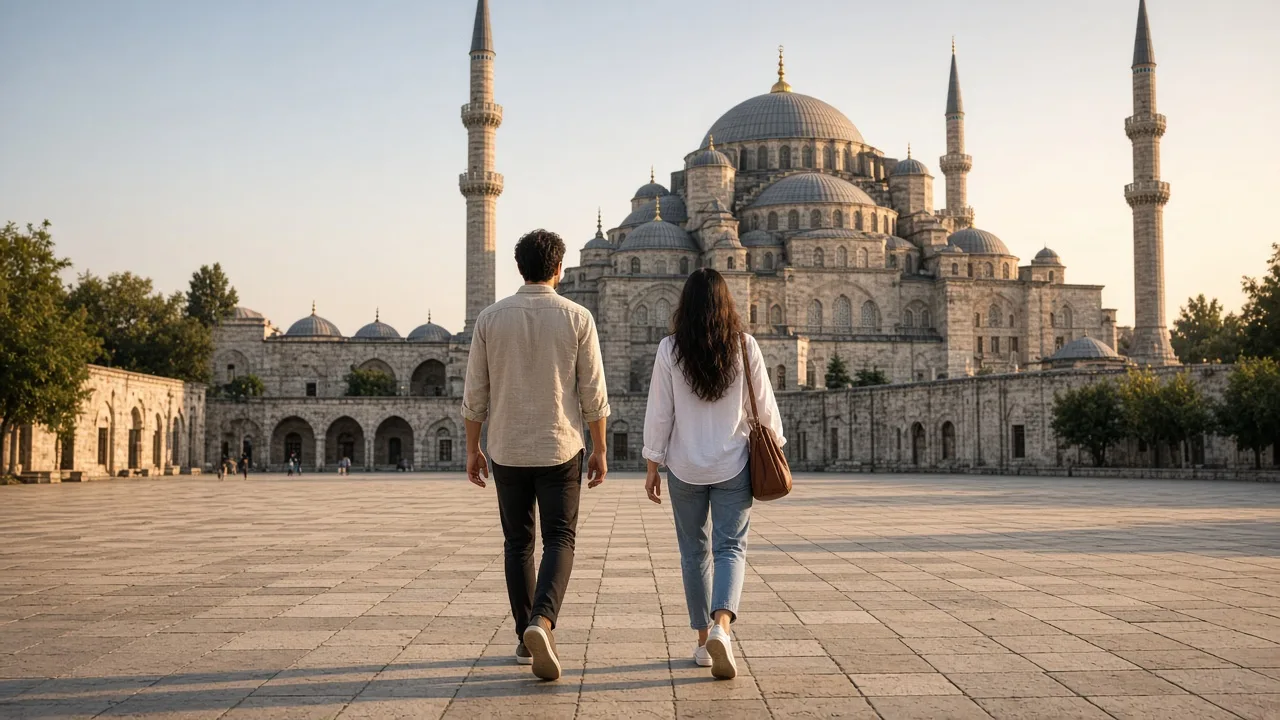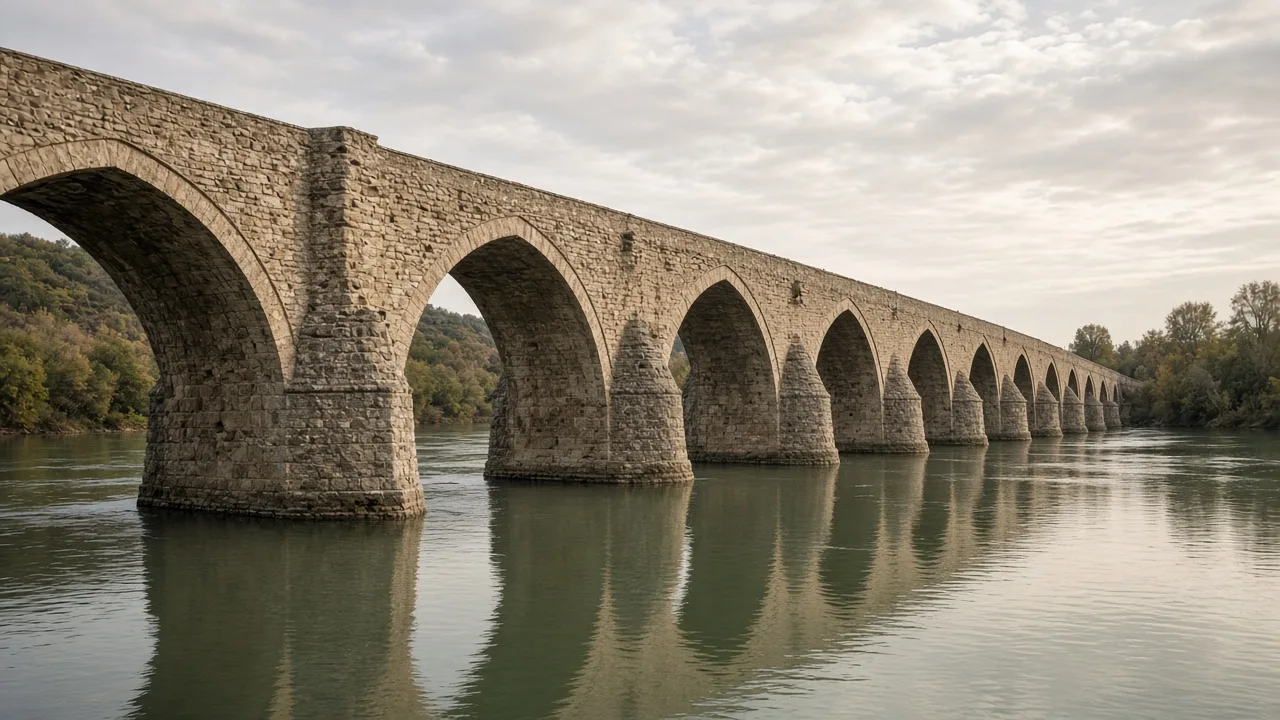
Uzunköprü day trip from Edirne: the 174-arch stone bridge built 1427–1443, its restoration status, Muradiye Mosque and registered köfte. See the day plan.
Uzunköprü, near Edirne, is a district named after the historic stone bridge that crosses it ("Uzunköprü" means "long bridge"). Built over the Ergene River in the Ottoman period in the 15th century, this bridge became one of the most remarkable engineering works of its time thanks to its many arches. According to the records of the Ministry of Culture and Tourism, the bridge was built between 1427 and 1443 in the reign of Murad II by the architect Muslihiddin; with its 174 arches it is considered the longest stone bridge to survive to the present day, and it is about 60–65 km from Edirne city centre.
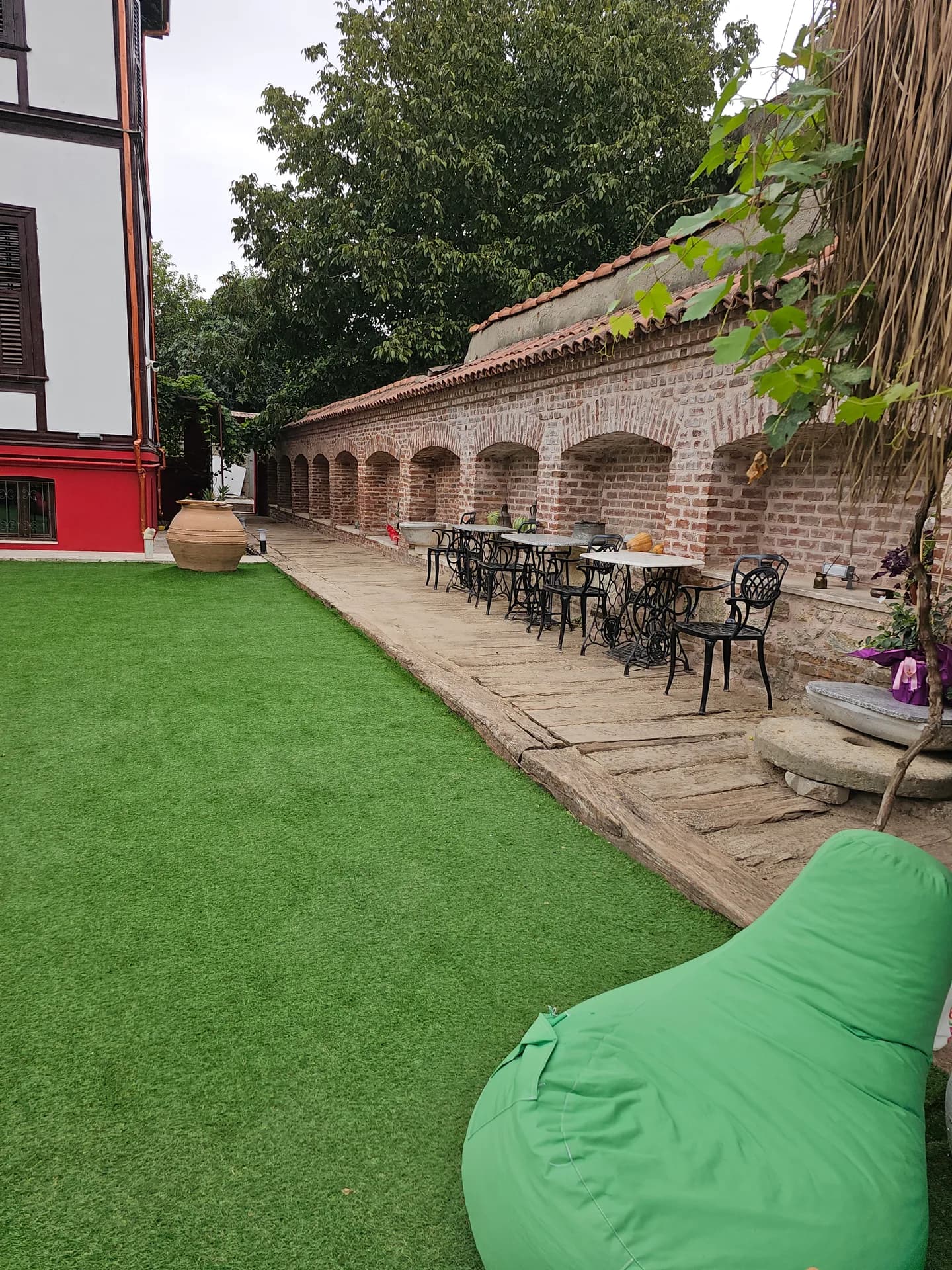
Café & Restaurant
Coffee, desserts and a relaxing break
For those who want to extend their Edirne trip a little and see the historic sights in the surrounding area, Uzunköprü makes a pleasant day-trip stop. A monumental bridge, a quiet small-town feel and a short distance: this trio is an ideal combination for a relaxed outing.
Quick Overview
| Topic | Information |
|---|---|
| Location | A district of Edirne province |
| Highlight | The historic long stone bridge |
| River | Ergene River |
| Built | 1427–1443, reign of Murad II, architect Muslihiddin |
| Size | 1,270.41 m, 174 arches (Ministry record) |
| UNESCO | On the World Heritage Tentative List since 2015 |
| Distance from Edirne | About 60–65 km, 50–70 min by car |
| Current status | Under restoration since 2021; confirm access before you go |
| Type of trip | Day trip |
Where Is Uzunköprü?
Uzunköprü is a district of Edirne whose distance from the centre suits a day trip. It takes its name from the historic stone bridge that is the district's symbol. With its quiet character and historic fabric, it offers a different atmosphere from central Edirne; it is ideal for those looking for a peaceful outing away from the crowds.
With both its historic bridge and its calm surroundings, the district is very well suited to a short getaway. After a busy sightseeing programme in the centre, the tranquillity here strikes a good balance.
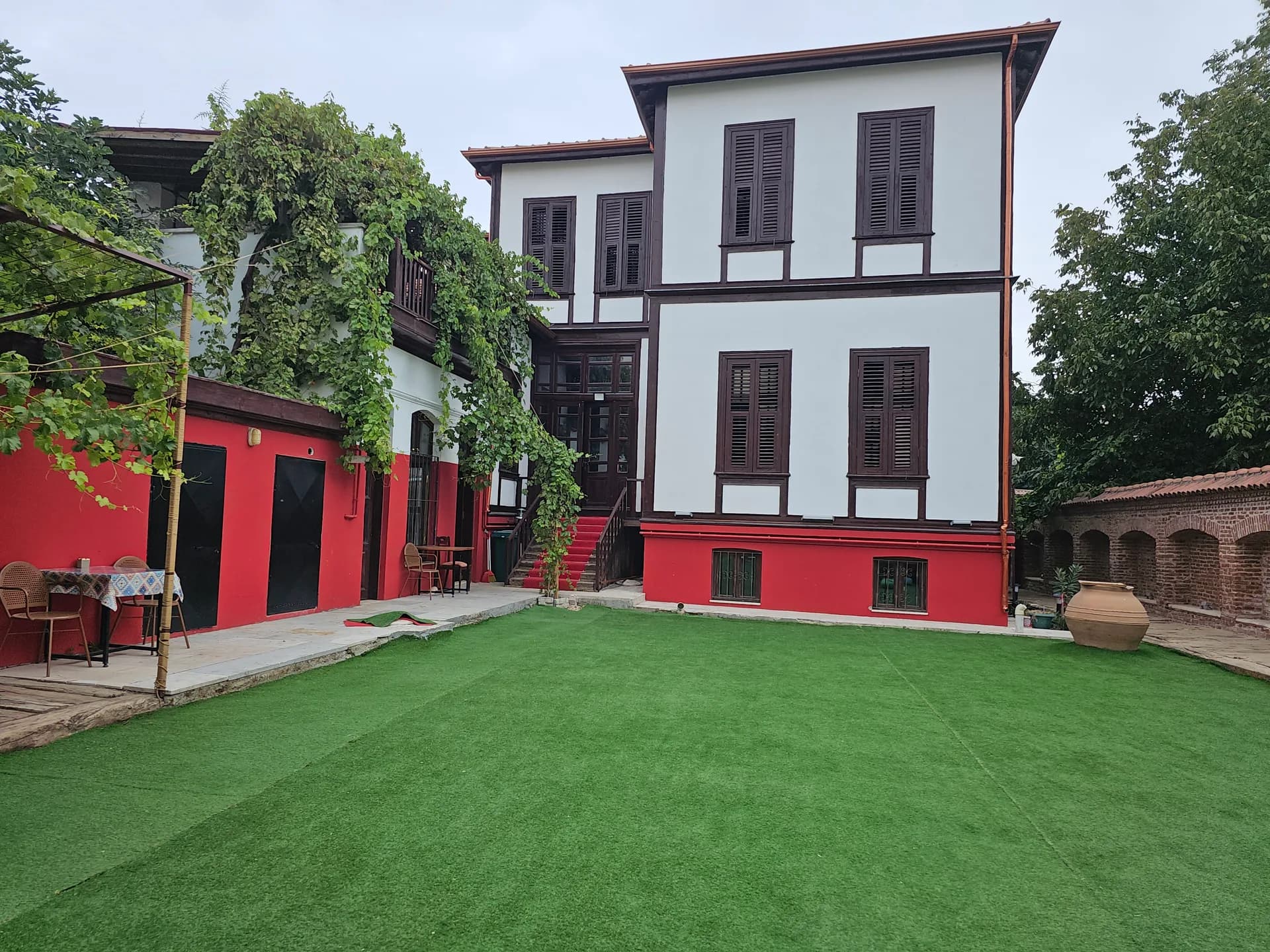
Stay
Stay in Edirne Kaleiçi with breakfast included
The Historic Bridge
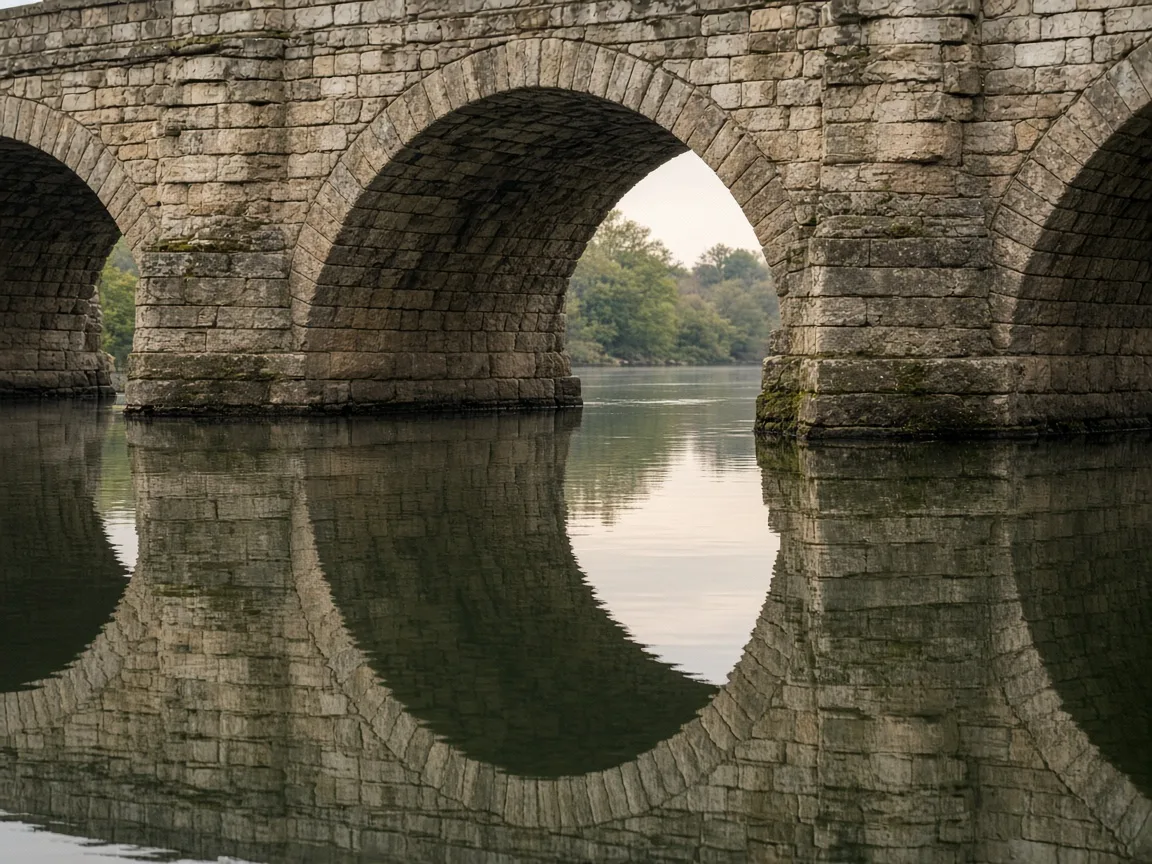
The heart of Uzunköprü is the historic stone bridge over the Ergene River. Built in the 15th century during the Ottoman period, the bridge, with its many spans (arches) and great length, is considered one of the most important engineering works of its time. Standing for centuries, it is an impressive example of stonework and of the period's approach to transport.
Walking on and around the bridge feels like stepping through history. Its long, many-arched silhouette is an attractive subject, especially for photography lovers. Its old name is the Ergene Bridge; the district takes its name from this structure. The bridge was built so that the road between Edirne and Istanbul would not be cut off when the Ergene flooded.
How Long Is Uzunköprü, and How Many Arches? Why Do Sources Differ?
The figures you read for Uzunköprü may not match; the reason is where the measurement is taken.
Events
Engagements, small weddings and private celebrations
- Ministry record: The General Directorate of Cultural Heritage and Museums gives the bridge as 1,270.41 m long with 174 arches. According to the record, three arches are thought to have ended up beneath the road that later connected to the district centre.
- Restoration statements: News of the 2021 closure mentions the bridge as 1,392–1,393 m long and 6.80 m wide.
- Visible section: The Ministry of Transport and Infrastructure, which examined the restoration, announced the section visible today as 1,266 m with 171 arches.
The bridge is built of cut limestone and travertine. Its foundations, resting on alluvial ground, sit on a wooden grid system that absorbs tremors. Most of the arches are two-centred pointed arches. The keystones show geometric motifs, plant and animal figures and Rumi palmettes. Looking up at the tops of the arches as you walk is the easiest way to spot these decorations.
Restoration and visiting today
Because of cracks in its wings, arches and surface, the bridge was closed to vehicle and pedestrian traffic in 2021 and taken into restoration. According to statements, the last comprehensive repair had been made in 1963. A concrete and reinforced-concrete layer about 1.5 m thick, added in past years, was removed by hand so as not to damage the structure. During this time, access to the district has been via a new bridge on the ring road.
As the restoration is ongoing, walking on top of the bridge may not be possible at all times. The view from the bank and from beneath the arches is usually open, however. Before you go, check the current situation in announcements from Uzunköprü Municipality or the Edirne Governorship.
Breakfast
A generous Turkish breakfast spread in the garden
What Else to See in Uzunköprü Besides the Bridge
- Muradiye Mosque: A sultan's mosque built by Murad II together with the bridge in 1443. It measures about 22 × 19 m and holds 500 people. Originally built with a dome, it was converted to a gabled roof in 1621 under Osman II. Sources describe it as the largest of the Ottoman rectangular mosques with a gabled roof. The eight-tap ablution fountain in the courtyard is also worth seeing.
- Uzunköprü Railway Station: The station building was built in 1872. The opening train of the Istanbul–Edirne railway passed through here with a grand ceremony on 18 June 1873. Today it is still one of the stops on the Halkalı–Kapıkule regional line.
- Uzunköprü Köftesi (Uzunköprü meatballs): Received geographical indication registration (mahreç işareti) on 22 September 2025. A good reason to take your lunch break in the district.
Day-Trip Plan
A practical plan for a day trip to Uzunköprü:
1. Morning departure: Set off early in the morning from Edirne city centre. 2. The bridge and around: Explore the historic bridge and the district centre. 3. Lunch break: Take a relaxed meal break in the district. 4. Return: Head back to Edirne in the afternoon to round off the day.
This plan lets you add excursions to your programme in the centre. For other day-trip ideas, take a look at our day-trip routes around Edirne post.
Travel Tips
- Season: Spring and autumn are the most balanced periods for an outdoor trip; for the best time, see our best time to visit Edirne post.
- Transport: On a day trip, plan your return time in advance.
- Comfortable shoes: There is walking on and around the bridge.
- Current information: Confirm up-to-date information about the district and the bridge before you go.
To make your Uzunköprü trip part of a wider plan, see our how many days do you need in Edirne and Edirne in 3 days travel guide posts.
Location and Getting There
Uzunköprü is mostly reached by setting off from Edirne city centre, so staying in the centre makes the day trip easier. Starting from our location in Kaleiçi, Edirne (Google Maps), you can plan a route to Uzunköprü and other stops in the area.
An Edirne stay close to the centre makes it easy to reach both the excursions and the sights in the centre; for options, take a look at our accommodation in central Edirne page. If you are coming from out of town, our how to get from Istanbul to Edirne post is useful for transport.
Frequently Asked Questions
Where is Uzunköprü?+
It is a district on the banks of the Ergene River, south-east of Edirne. It is about 60–65 km from Edirne city centre, 50–70 minutes by car. It is a day out, not a lane behind the mosques.
Where does Uzunköprü get its name?+
The district takes its name from the long, many-arched historic stone bridge over the Ergene River. The town and the bridge share the name, so say which one you are asking for.
When was the bridge built?+
According to the Ministry record, it was built between 1427 and 1443, in the reign of Murad II, by the architect Muslihiddin. It was added to the UNESCO World Heritage Tentative List in 2015. In Murad II's reign, by Muslihiddin, and later placed on the tentative heritage list.
How long is Uzunköprü, and how many arches does it have?+
The Ministry record gives 1,270.41 m and 174 arches. Restoration statements also mention a total of 1,392 m, a visible length of 1,266 m and 171 visible arches. Very long, with a great many arches, and the ministry figure and the restoration statements do not match exactly. Quote the ministry record, and treat the other counting as a second measurement.
Can you cross the bridge?+
The bridge has been closed to traffic since 2021 because of restoration; confirm from local announcements before you go whether pedestrian access is open. Ask locally whether you may walk it, because that answer changes.
Can Uzunköprü be visited as a day trip?+
Yes; a relaxed day trip is possible, setting off from Edirne city centre in the morning and returning in the afternoon. Leave Edirne in the morning and you can be back in the afternoon, without trying to add the whole centre on the same day.
When is the best time to visit?+
Spring and autumn are the most balanced periods for an outdoor trip. Spring and autumn, when standing on an open bridge is comfortable. High summer is hot, and winter is a long drive in the wet.
Can I combine Uzunköprü with other trips?+
Yes; together with other day-trip routes in the area, it can easily be added to your programme in the centre. It does not fit into the hour after Selimiye.
Why do sources give different lengths for Uzunköprü?+
The figure depends on where the measurement is taken. The Ministry record gives 1,270.41 m and 174 arches, news of the 2021 closure mentions 1,392–1,393 m and a width of 6.80 m, and the Ministry of Transport and Infrastructure announced the visible section as 1,266 m with 171 arches.
What is the Uzunköprü bridge built of?+
It is built of cut limestone and travertine. Its foundations, resting on alluvial ground, sit on a wooden grid system that absorbs tremors, and most of the arches are two-centred pointed arches.
You may also like: Accommodation, Breakfast, Events.