What is hardaliye? A traditional non-alcoholic fermented grape drink of Thrace: its taste, how it is made, how to drink it and where to buy it in Edirne.
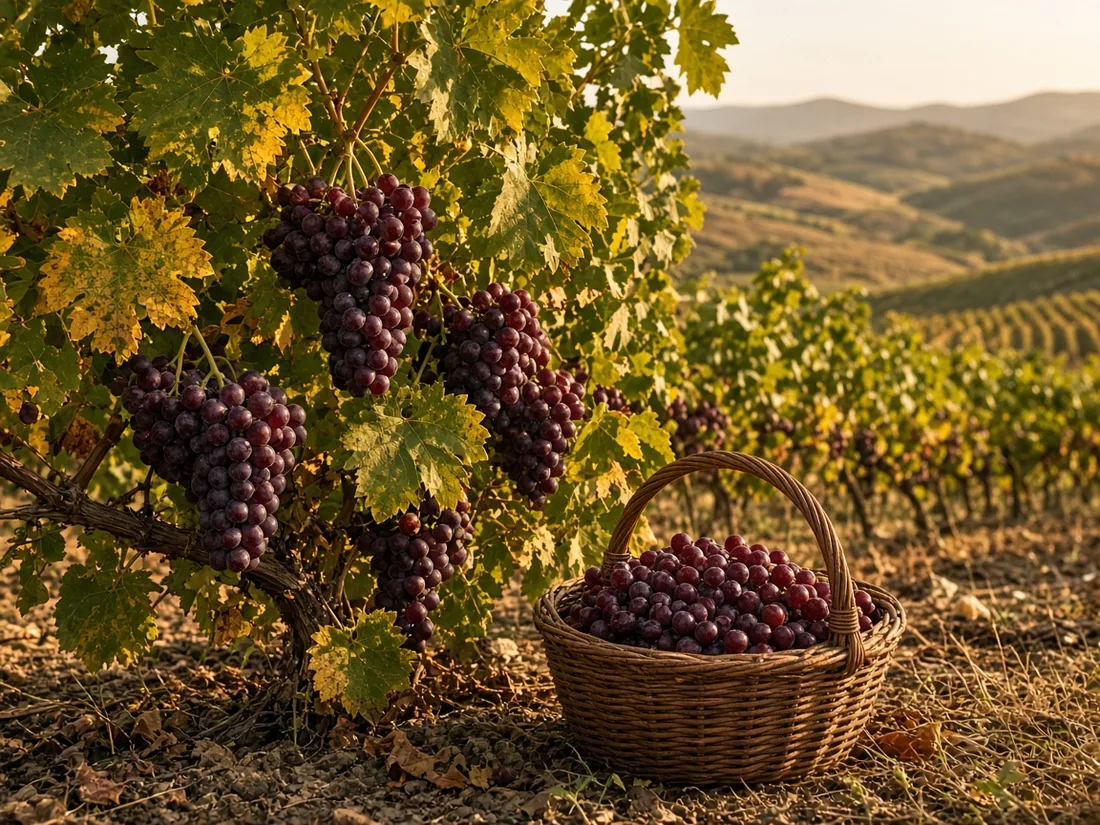
Hardaliye is a traditional non-alcoholic fermented grape drink of Thrace, made by leaving red grapes to undergo lactic acid fermentation together with crushed black mustard seed and sour cherry leaves; its official definition describes it as a non-alcoholic drink. Kırklareli Hardaliyesi received geographical indication registration at the Turkish Patent and Trademark Office on 28 December 2017 in the "non-alcoholic beverages" group. Research has nevertheless shown that homemade bottles kept for a long time can keep fermenting.
Café & Restaurant
Coffee, desserts and a relaxing break
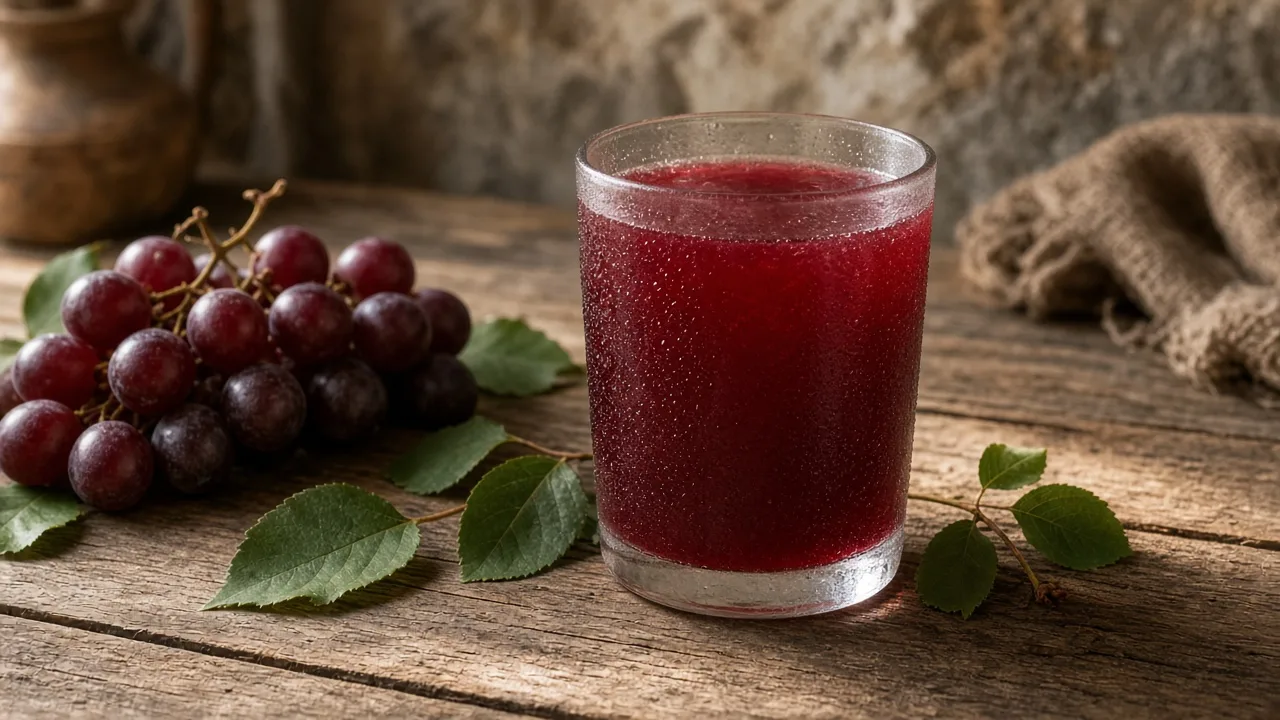
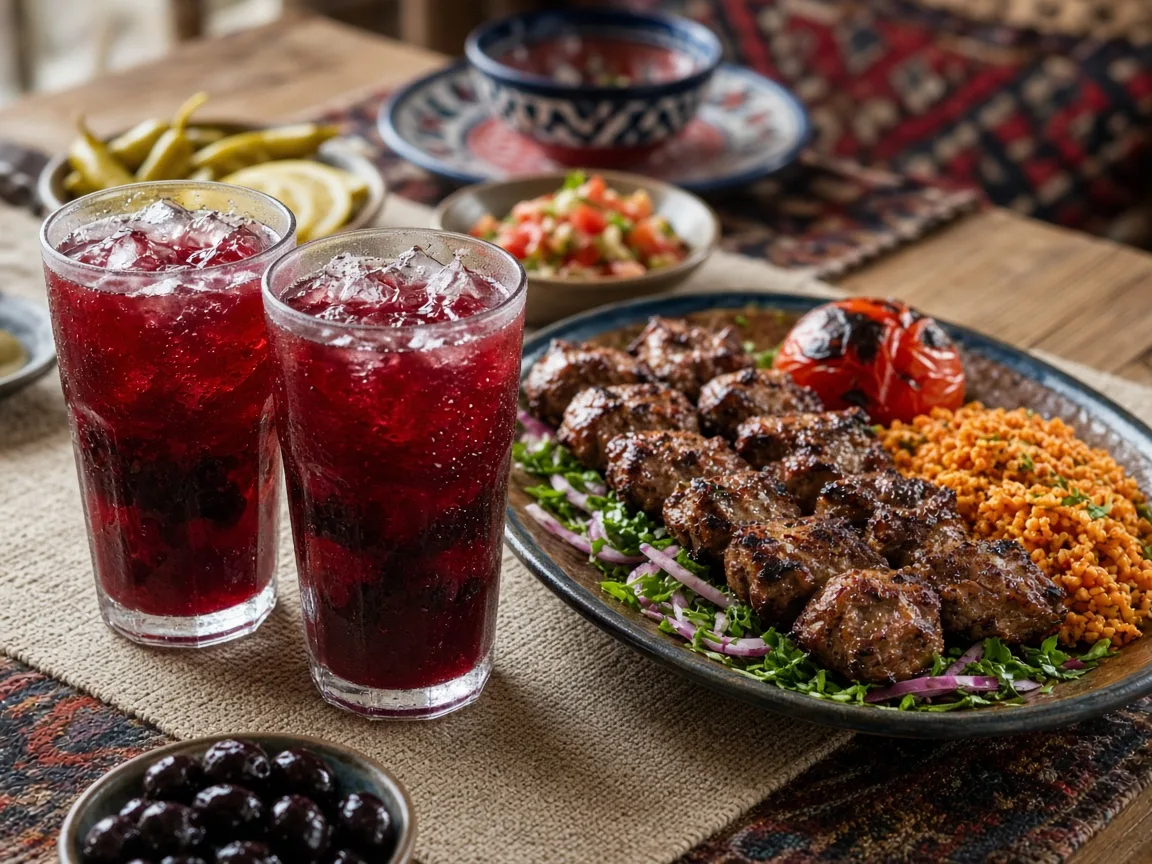
In Edirne you may come across it on a bazaar stroll, next to tava ciğeri (Edirne-style fried liver) or at the breakfast table. Its colour is a deep ruby red, and its taste is like a tangy grape juice followed by a gentle mustard warmth.
Quick Overview
| Topic | Information |
|---|---|
| Definition | Non-alcoholic grape drink made by lactic acid fermentation |
| Main ingredients | Red grapes, crushed black mustard seed, sour cherry leaves |
| Registration | Kırklareli Hardaliyesi, geographical indication, no. 278, 28.12.2017 |
| Production season | Grape harvest, October–November |
| Fermentation | 7–10 days at room temperature, up to 20 days |
| Taste | Tangy-sweet, lightly spiced, refreshing |
| Serving | Cold; on its own, at breakfast or with a meal |
What kind of drink is hardaliye?
Short answer: by definition, a non-alcoholic one. The longer answer depends on how it is made and stored.
- Official definition: The Kültür Portalı (Türkiye's culture portal) defines hardaliye as "a non-alcoholic drink produced by lactic acid fermentation". It states that the black mustard seed stops the grape juice from turning into a yeast-fermented drink. In the TÜRKPATENT record, too, the product group is "non-alcoholic beverages".
- Controlled production: A laboratory study using Papazkarası and Alphonse Lavallée grapes reported that, because yeast counts stayed low, no ethanol formed.
- Homemade samples: In a study of 23 homemade hardaliye samples collected from different parts of Kırklareli, ethanol of 0.4% to 6.0% was measured in 7 of the samples.
- Long storage: A master's thesis completed at Trakya University in 2018 measured that in samples made without chemical preservatives, ethanol rose to 11–13% (by volume) after two months at room temperature. In the same study, samples produced with preservatives only and kept in the fridge stayed within legal limits.
In practice, this is all you need to know: labelled hardaliye that has been kept in the cold chain and is drunk fresh is sold as a non-alcoholic grape drink. Do not drink a bottle that has foamed, has a bulging cap or smells sharp and over-fermented. For children, pregnant women and anyone who must avoid fermented drinks, the safest way is to read the label and avoid homemade bottles and those that have been kept for a long time.
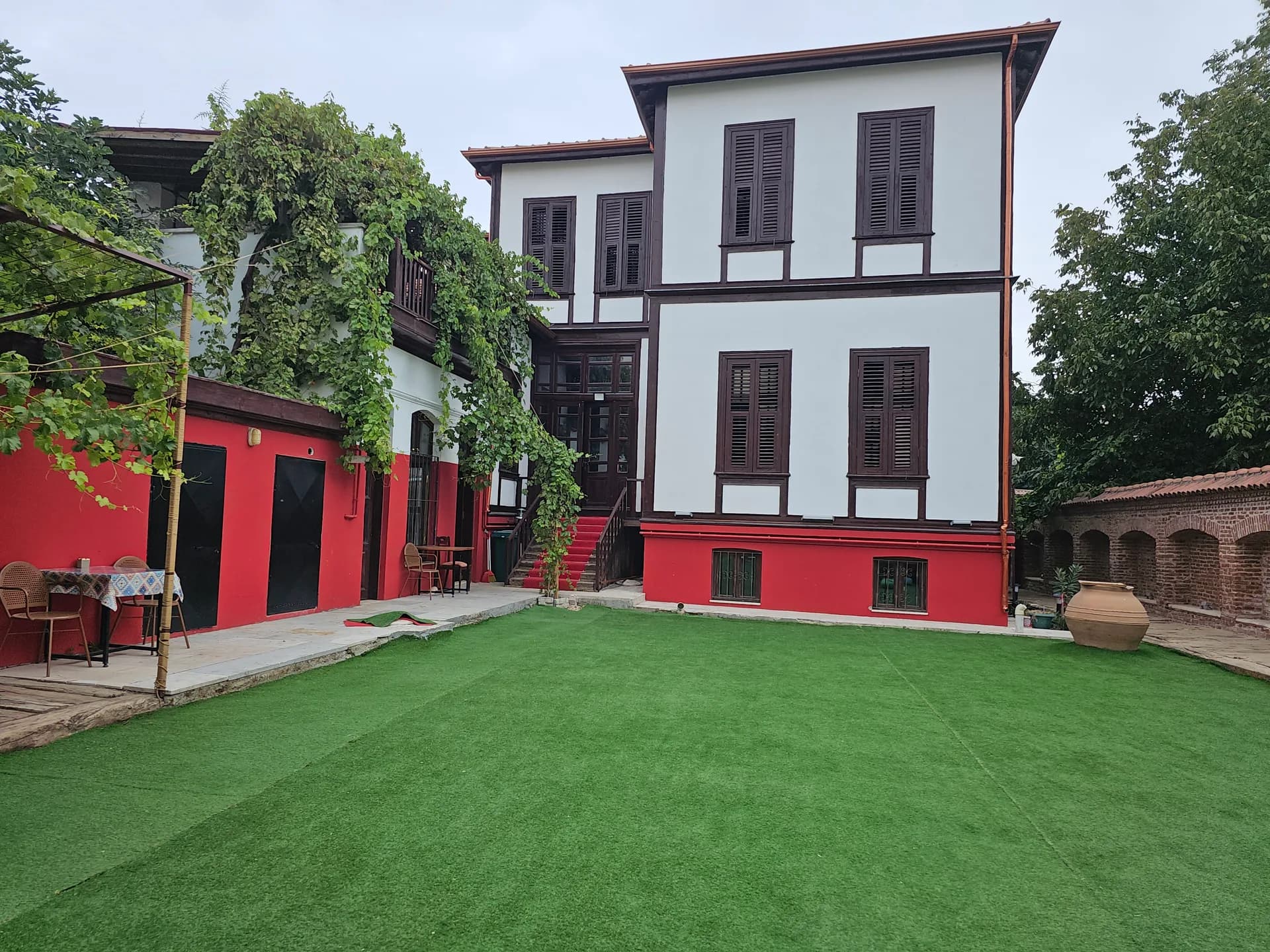
Stay
Stay in Edirne Kaleiçi with breakfast included
Is hardaliye intoxicating, and is it halal?
Is it intoxicating? Fresh, labelled commercial hardaliye kept in the cold is sold as non-alcoholic and is not drunk for that purpose. However, as the studies above show, the ethanol content of a bottle left at room temperature for a long time or made without control can rise markedly. What matters is the actual ethanol content of the bottle; so stay away from homemade bottles with an unclear date and bottles that have foamed.
Is it halal? The most reliable source on religious rulings is the Alo 190 Fatwa Line of Diyanet (Presidency of Religious Affairs). As a general principle, decision no. 30 of 2014 of the High Council of Religious Affairs considers intoxicating drinks forbidden in small and large amounts alike, while it does not regard drinks containing a very small amount of ethanol arising naturally from production as intoxicating. By this measure, a fresh labelled product and a homemade bottle kept for a long time are not the same; do not choose a bottle you are unsure of.
Is it made by yeast fermentation? No. In yeast fermentation, yeasts turn sugar into ethanol. With hardaliye the aim is lactic acid fermentation, and mustard seed is added precisely to keep yeast fermentation in check. Its deep red colour can be misleading, but it is a fermented grape drink of its own kind.
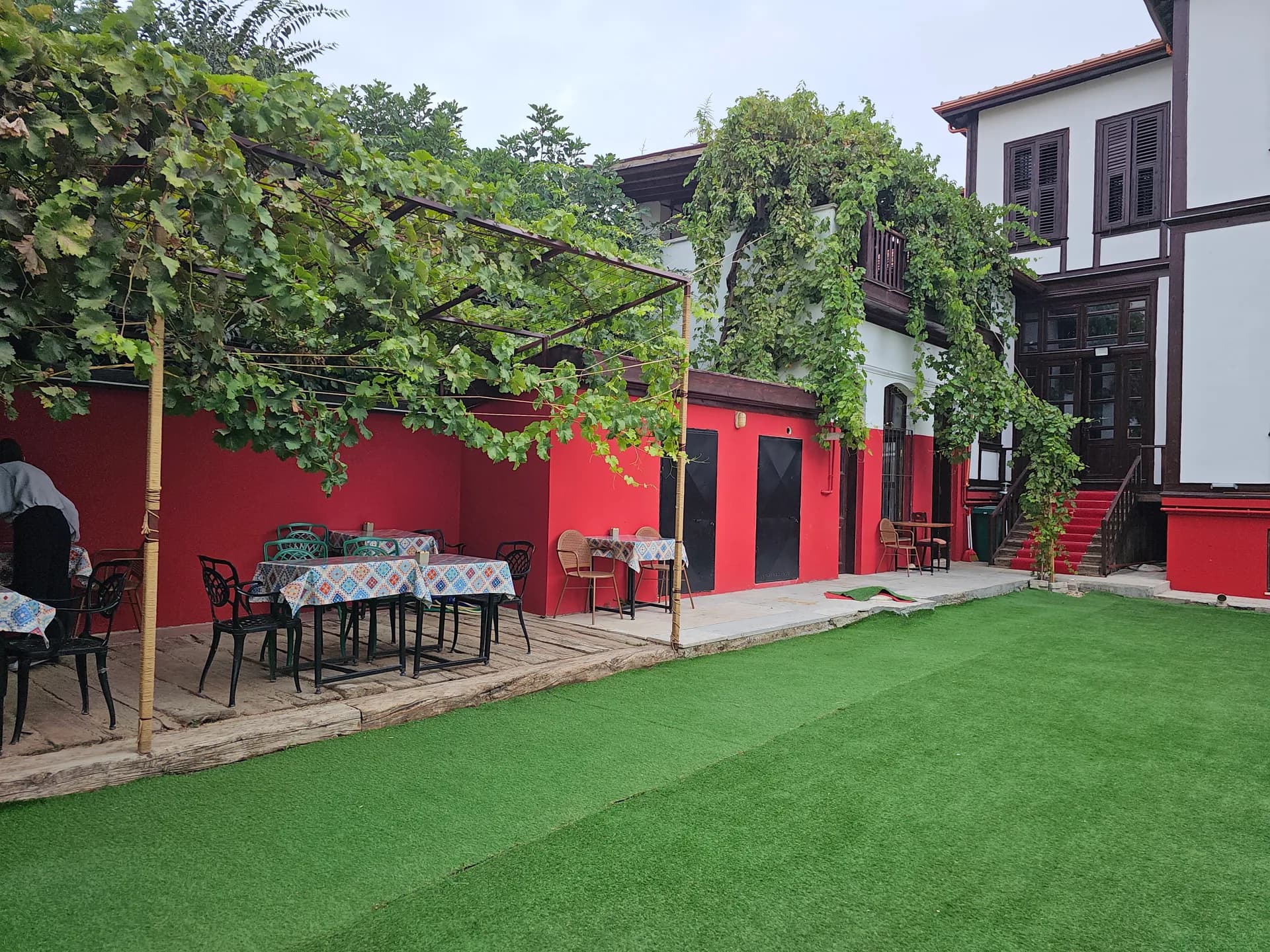
Events
Engagements, small weddings and private celebrations
What is hardaliye, and where does it come from?
Hardaliye is a way of preserving grapes born from Thrace's vine-growing culture. It takes its name from the hardal (mustard) seed added to it. According to sources, in the early 1900s it was sold in Istanbul as "Kırk Kilise Hardaliyesi", after Kırklareli's old name.
According to the Kültür Portalı, when Mustafa Kemal Atatürk visited Kırklareli on 20 December 1930, he drank hardaliye, liked it and asked for it to be made a national drink.
On the geographical indication side, Kırklareli Hardaliyesi stands out: the Kırklareli Chamber of Commerce and Industry's application of 3 April 2013 resulted in registration as geographical indication no. 278 on 28 December 2017. In Edirne, hardaliye is found in the bazaar and on local produce shelves as a shared part of the Thracian table.
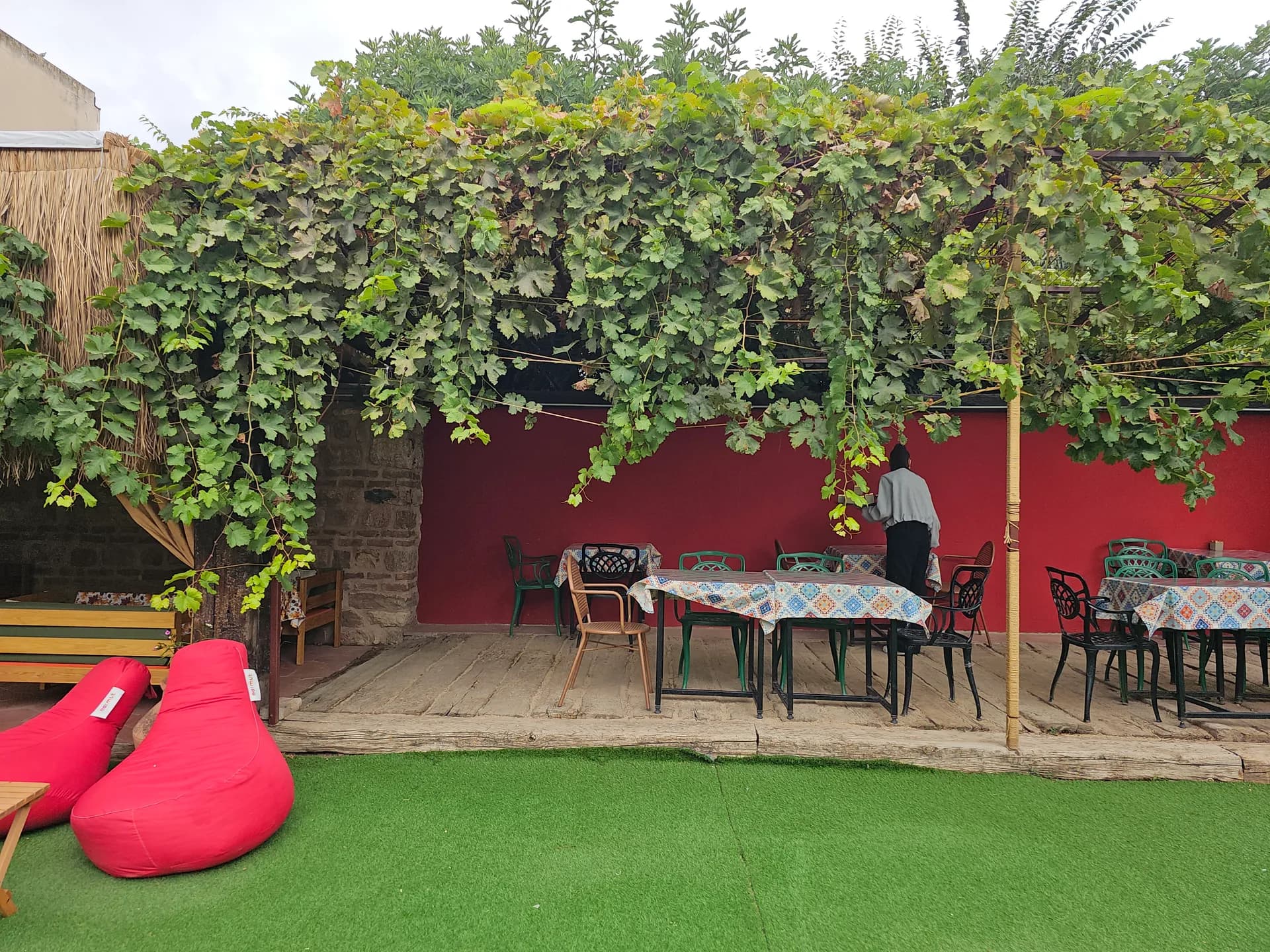
Breakfast
A generous Turkish breakfast spread in the garden
How is hardaliye made?
The traditional method takes patience and coincides with the grape harvest, that is, October–November.
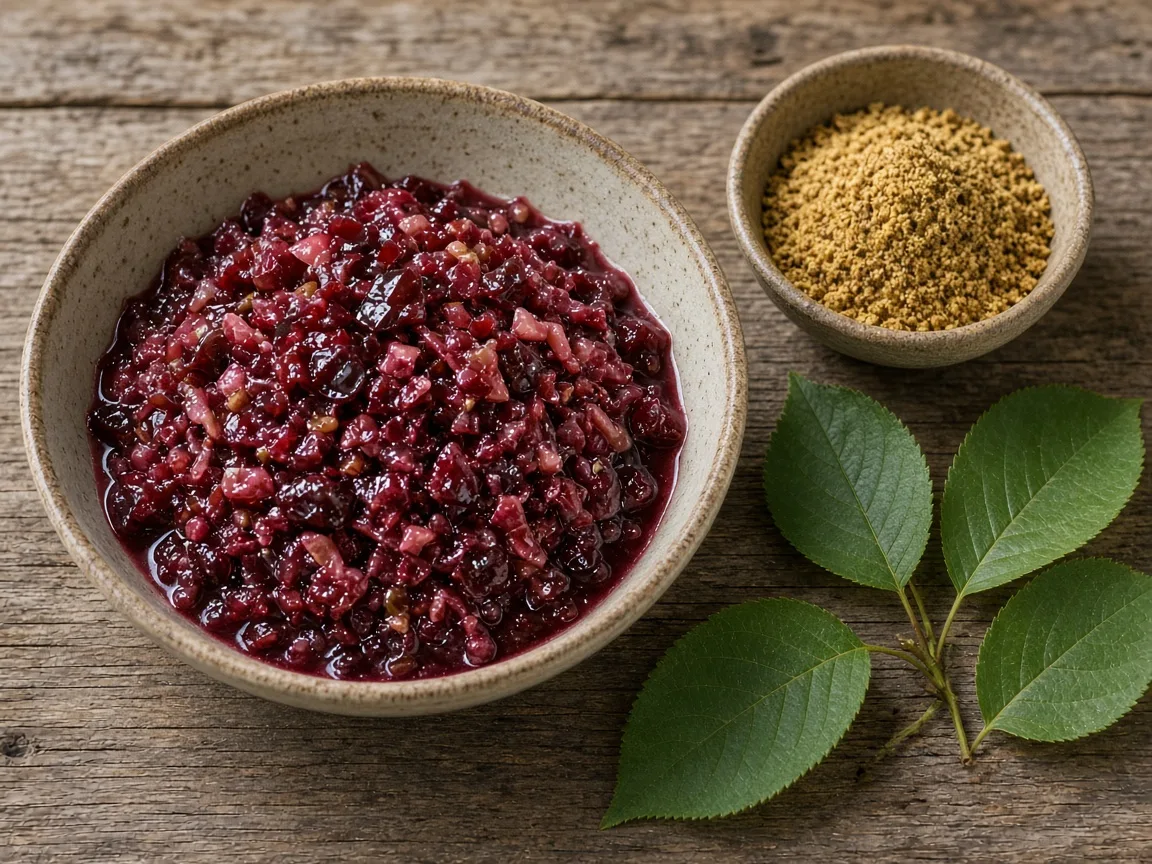
1. Choosing the grapes: In Kırklareli, red grapes such as Papazkarası, Pamit, Cardinal, Alphonse, Cabernet, Merlot, Cinsaut and Öküzgözü are used. The grapes are washed, taken off the bunch and crushed. 2. Layering: In an oak barrel with a tap about 10 cm above the base, a layer of crushed grapes and a layer of crushed black mustard seed are laid, with sour cherry leaves in between. The ratio given by the Kültür Portalı is 2 g of black mustard seed per kilogram of grapes. In commercial production, permitted preservatives are added. 3. Turning over: Once fermentation begins, the juice drawn from the tap is poured back over the top of the barrel every other day. 4. Resting: It is left at room temperature for 7–10 days, and up to 20 days if needed. A technical note from Kırklareli University recommends 14–21 days for controlled production. 5. Bottling: It is strained, bottled and kept cold.
Homemade recipes vary from family to family. This is also the part most affected by the note above: a warm environment and long resting make the yeast's work easier.
What does hardaliye taste like?
The first sip recalls a sweet grape juice, followed by the sourness of lactic acid. At the end, a gentle mustard warmth lingers in the throat. The sour cherry leaf adds a slightly astringent, green note to the aroma. Its colour is a deep ruby red; homemade hardaliye with sediment is cloudier, while strained commercial products are clearer.
The more mustard, the more heat. If you are trying it for the first time, starting cold and with a small amount makes it easier to get to know the taste.
How to drink and enjoy hardaliye
- Serve cold: It is drunk fridge-cold and is never heated. Shake the bottle gently before drinking, as the sediment settles at the bottom.
- With tava ciğeri: Its tanginess balances the richness of the frying. For pairing it with Edirne's signature dish, see our fried liver guide.
- At breakfast: It goes well with Edirne white cheese and olives. For the morning table, take a look at our breakfast in a historic Edirne mansion page.
- On its own: In summer it is a refreshing afternoon drink.
- Opened bottle: Keep it cold and finish it within a short time.
What is known about its nutritional value?
Because hardaliye is fermented together with the grape skins and seeds, it is rich in phenolic compounds. In the 23-sample study in Kırklareli, total phenolic content was measured at between 368.8 and 2,647.5 mg/L, and lactic acid bacteria were found in 16 of the samples. No coliform bacteria or *E. coli* were detected in any sample.
These findings make hardaliye a valuable traditional food, but it is not a substitute for medicine or treatment. Its sugar comes from the grapes, so those watching their blood sugar should mind the amount.
Where to buy hardaliye in Edirne
Bottled hardaliye is available in Edirne's bazaars at shops selling local products, delicatessens and supermarkets. When buying, check the production and expiry dates on the label and, if possible, whether it has been kept in a chilled cabinet. For the geographically registered Kırklareli Hardaliyesi, the wording on the box or label shows this.
What else to buy at the bazaar is covered in our historic bazaars of Edirne and what to buy article, and the full list of local flavours in our what to eat in Edirne guide. For a coffee break during your outing, see our café in a historic Edirne mansion page.
Location and Getting There
The Ali Paşa Bazaar and the Bedesten are within walking distance of Kaleiçi; you can fit hardaliye shopping into the same half day as a visit to the Selimiye. You can plan your route from our location in Kaleiçi, Edirne (Google Maps).
Frequently Asked Questions
What kind of drink is hardaliye?+
By definition it is a non-alcoholic drink and is registered as such; it is sold as a non-alcoholic grape drink. However, research has shown that 0.4–6.0% ethanol can form in some homemade samples kept for a long time. Choose a labelled, fresh product kept in the cold.
Is hardaliye made by yeast fermentation?+
No. It is made by lactic acid fermentation rather than yeast fermentation and is sold as a non-alcoholic drink. Mustard seed is added to keep yeast fermentation in check. That is why it is sold as non-alcoholic, and why a bottle left warm is no longer the drink you bought.
Can hardaliye be intoxicating?+
Fresh, labelled commercial hardaliye kept in the cold is sold as non-alcoholic. In samples left at room temperature for a long time, ethanol has been measured at up to 11–13%; so do not drink bottles with an unclear date or that have foamed. Bottles left at room temperature, foaming, or without a clear date are the ones the measurements warn about, so leave those alone.
Is hardaliye halal?+
For a religious ruling, consult the Alo 190 Fatwa Line of Diyanet (Presidency of Religious Affairs). According to decision 2014/30 of the High Council of Religious Affairs, intoxicating drinks are forbidden; a very small amount of ethanol arising naturally from production does not make a drink intoxicating. The council decision already speaks about intoxicating drinks and about a trace of ethanol that can arise naturally; a specific case belongs with them.
What does hardaliye taste like?+
It resembles a tangy grape juice; a gentle mustard warmth lingers in the throat at the end. Cold is how that balance is meant to be drunk.
How many days does it take to make hardaliye?+
In the traditional method it is left at room temperature for 7–10 days, and up to 20 days if needed. For controlled production, 14–21 days is recommended. The traditional wait is a week or so, longer if needed, and controlled production uses a set window of its own. A bottle you buy is already finished; do not leave it warm to carry on.
How do you drink hardaliye?+
Cold, never heated. It is enjoyed on its own, at breakfast or alongside rich dishes such as tava ciğeri. Warming it undoes the point of the drink.
Can children and pregnant women drink hardaliye?+
Labelled, fresh commercial hardaliye is sold as non-alcoholic. As ethanol can form in homemade or long-kept bottles, people in these groups should choose a labelled product and avoid bottles they are unsure of. The caution is about alcohol that can appear in the wrong bottle, not a reason to treat every fresh labelled glass the same way.
What is the difference between hardaliye and şıra?+
Şıra is freshly pressed, unfermented grape juice. Hardaliye is fermented for days with mustard seed and sour cherry leaves, which makes it tangier and gently warming.
Is hardaliye a geographical indication product?+
Yes. Kırklareli Hardaliyesi was registered as a geographical indication on 28 December 2017 under number 278. Look for that name on the label rather than a vague claim of a local grape drink.
You may also like: Accommodation, Breakfast, Events.