Cycling in Edirne: the Kaleiçi–Selimiye loop, Meriç Bridge to Karaağaç, the Sarayiçi bridges and Söğütlük path, with km, seasons and parking tips. Pick a route.
Cycling in Edirne is easy and enjoyable thanks to the city's flat terrain and how close its historic buildings are to each other. Kaleiçi, Selimiye and the Ali Paşa Bazaar fit into a 3–4 km loop, while Karaağaç, reached over the Tunca and Meriç bridges, is a 7–8 km round trip. The historic bridges of Sarayiçi and the direction of Trakya University's Balkan Campus are also favourite cycling routes in the city.
Café & Restaurant
Coffee, desserts and a relaxing break
Apart from the short climbs up to the hill where Selimiye stands, there is no serious slope in the centre. Riverbanks, shady groves and historic stone bridges offer enough stops to fill a day without pedalling hard.
Quick Overview
| Route | Approximate length | Surface and traffic | Time (with stops) |
|---|---|---|---|
| Kaleiçi – Ali Paşa – Selimiye loop | 3–4 km | Narrow streets, cobbles in places | 1.5–2 hours |
| Kaleiçi – Tunca and Meriç bridges – Karaağaç | 7–8 km round trip | Main road and bridges | 2–3 hours |
| Söğütlük Nation's Garden bike path | 4.45 km | Traffic-free park path | 30–45 minutes |
| Sarayiçi bridges tour | 5–6 km | Quiet riverbank | 1.5–2 hours |
| Kaleiçi – Balkan Campus | ~14 km round trip | Main artery, heavy traffic | 1–1.5 hours |
| Best months | May, September, October | According to MGM, May avg. 18.0 °C, September 20.2 °C | — |
Distances are approximate route lengths between known points; check a map before you set off.
Edirne's Bike Culture: Flat Land, Students and Numbers
In Edirne, the bicycle is less a tourist activity than an everyday means of transport. The report of the Regional Safe Cycle Paths Implementation Project, published in 2016 by the Thrace Development Agency, shares the results of a survey of 151 cyclists in Edirne:
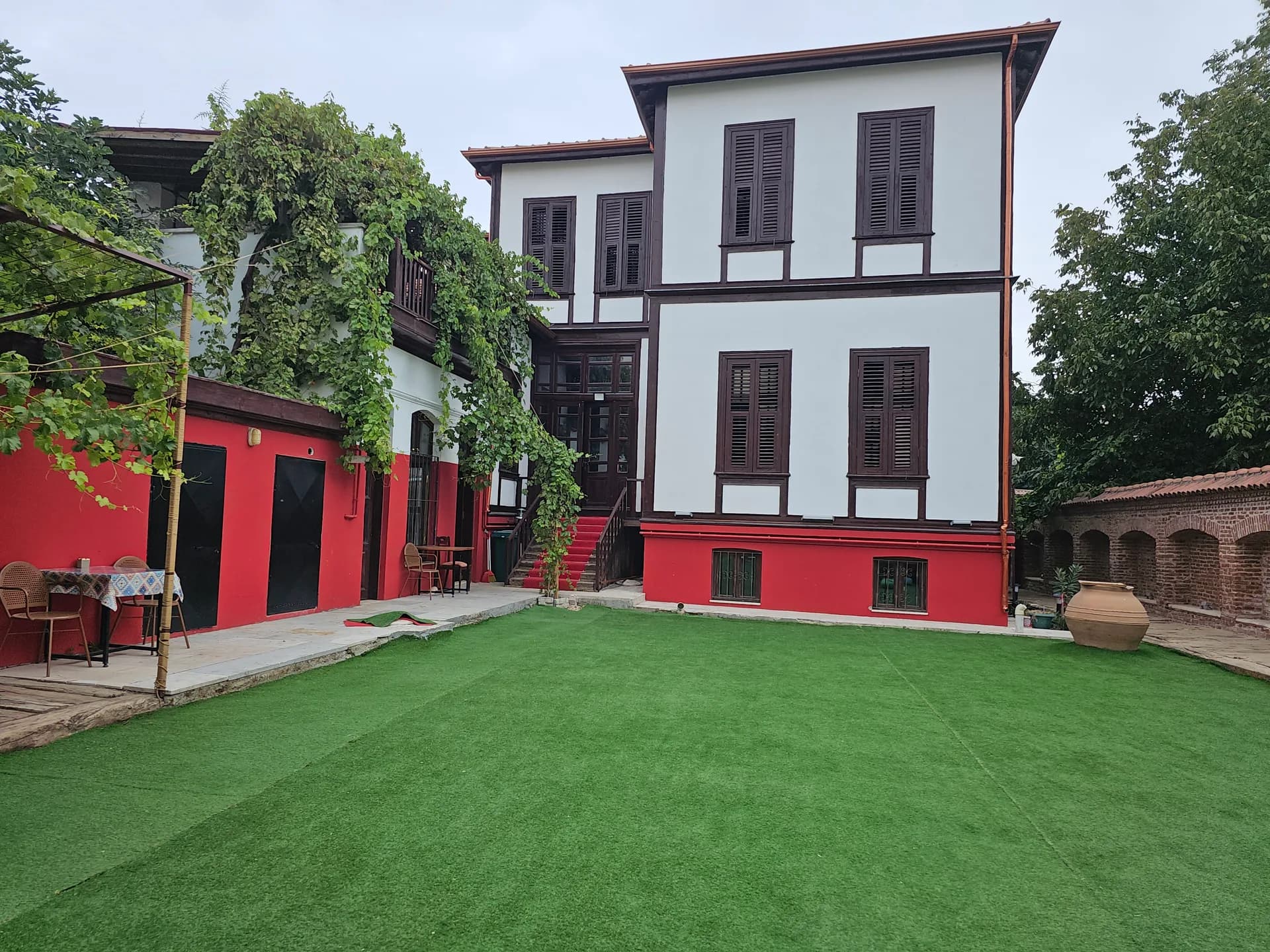
Stay
Stay in Edirne Kaleiçi with breakfast included
- 91% of participants own a bicycle.
- 28% ride more than once a day, and 27% ride 3–4 days a week.
- Among the purposes for using a bicycle, getting to work (29%), shopping (24%) and education (22%) stand out.
- Among the places where trips begin are the Şükrüpaşa (42%) and Kocasinan (19%) neighbourhoods and the Balkan Campus, while the most frequent destination is Karaağaç, at 32%.
The report stresses that most users are young people and university graduates. The student population plays a big part in this: according to Trakya University's 2024–2025 data, it has 41,428 students. According to WRI Türkiye, the bicycle's share in transport across Türkiye is about 2%; in Edirne, however, the bicycle is a means of transport seen on the street every day.
Infrastructure, however, still lags behind this culture. In the Union of Municipalities of Türkiye's 2025 table, the registered length of dedicated bike paths for Edirne Municipality is 2.98 km. That is why cyclists mostly use quiet neighbourhood streets, parks and shared roads. The 4,450-metre bike path (according to TOKİ data) in the Söğütlük Nation's Garden, opened on 2 June 2025, has become one of the city's longest traffic-free cycling routes.
Edirne also lies on an international route. The EuroVelo 13 (Iron Curtain Trail) of the European cycle route network enters Türkiye at Pazarkule, passes through Edirne and continues along the Bulgarian border towards Kırklareli. Every year during European Mobility Week, 16–22 September, bike tours are organised in the city; at one of the recent events, about 60 cyclists from three countries gathered on Saraçlar Caddesi (Saddlers' Street).
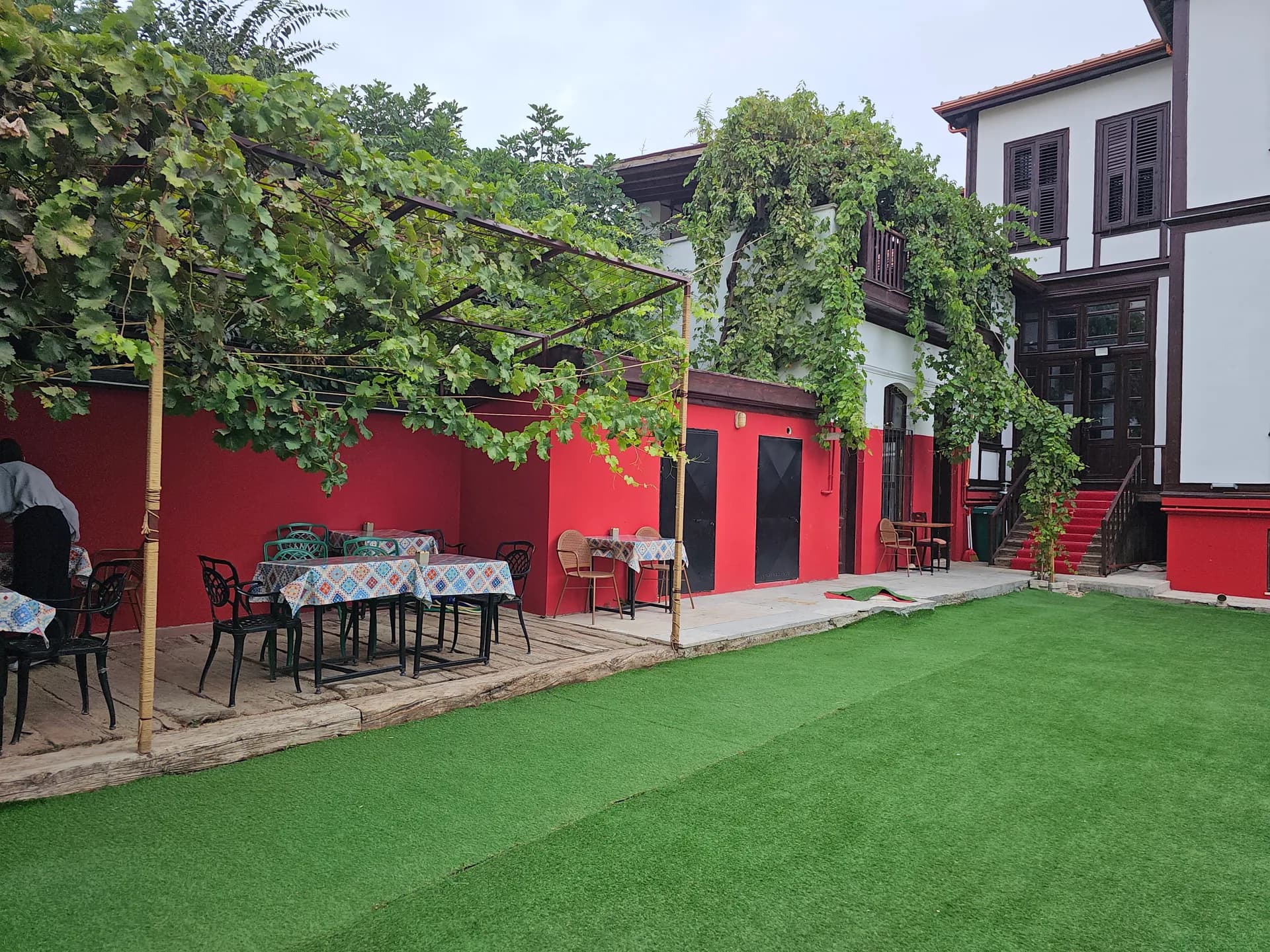
Events
Engagements, small weddings and private celebrations
Edirne Cycling Routes: 4 Itineraries
Route 1: Kaleiçi – Ali Paşa Bazaar – Selimiye Loop (3–4 km)
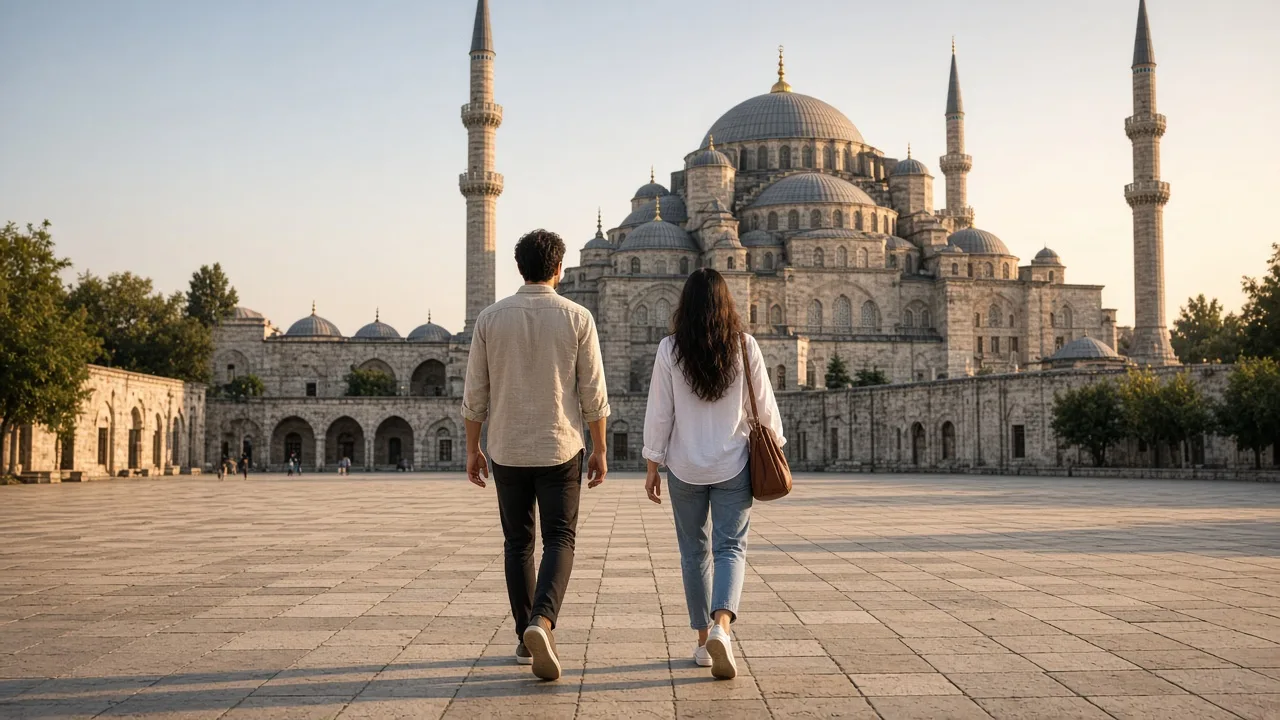
The shortest and fullest route for first-time visitors. Leave the narrow streets of Kaleiçi and head for Saraçlar Caddesi. This street, about 700 metres long, has been pedestrianised since 2008; at busy times it is best to get off and push your bike here. Passing around the Ali Paşa Bazaar, a work of Mimar Sinan that runs parallel to the street, you reach the Old Mosque (1403–1414) and the Üç Şerefeli Mosque (1438–1447). The last stop is the Selimiye Mosque, built by Mimar Sinan between 1568 and 1574 and on the UNESCO World Heritage List since 2011.
The streets of Kaleiçi are cobbled in places, and vehicles move slowly in the narrow lanes. Ride in a low gear, ready to brake and giving way to pedestrians. If you would rather do the same route on foot, our Edirne sightseeing route and walking guide offers a detailed plan.
Route 2: Over the Tunca and Meriç Bridges to Karaağaç (7–8 km round trip)
Edirne's most classic cycling route runs south from Kaleiçi along the Karaağaç road. The road first crosses the Tunca Bridge. Also known as the Ekmekçizade Ahmet Paşa Bridge, the structure was, according to sources, begun in 1607–1608 and completed in 1615; it has 10 arches on 11 piers and was restored faithfully to the original in 2008. Then, about 2 km from Kaleiçi, comes the Meriç Bridge, completed between 1842 and 1847. According to the Kültür Portalı (Türkiye's culture portal), the bridge is 263 metres long and has 12 arches. The pavilion in the middle of the bridge is one of the city's favourite spots for watching the river at sunset.
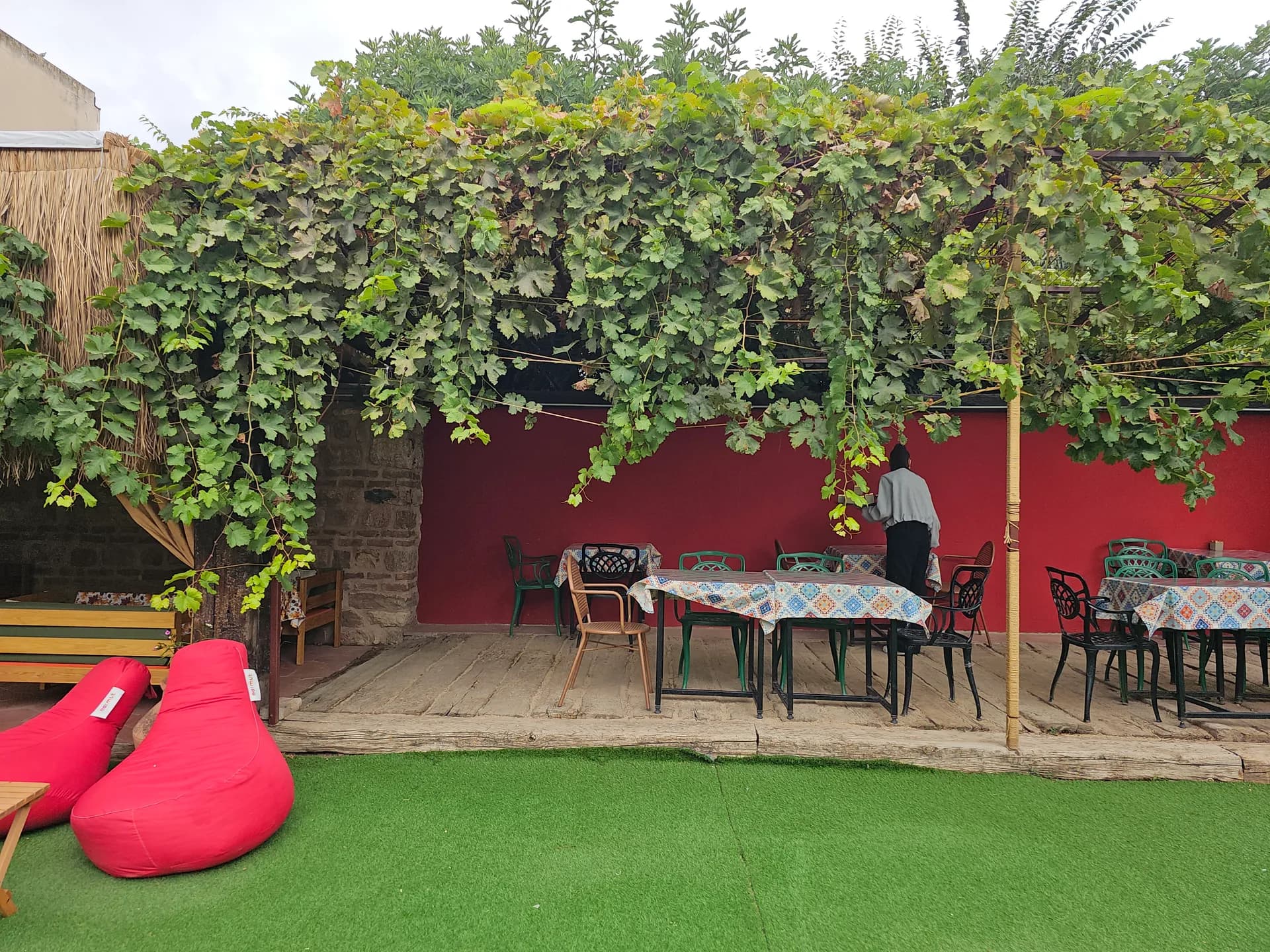
Breakfast
A generous Turkish breakfast spread in the garden
Once over the bridge you reach the Söğütlük Nation's Garden on Lozan Caddesi. Of its 515 decares, 410 decares are green space; the bike path running through the woods and along the Meriç is ideal for leaving the main road and taking a quiet ride. The garden is reported to be open from 06:00 in the morning; confirm the current visiting hours before you go.
At the end of the route in Karaağaç, the historic station building completed in 1914 and the Lausanne Monument await you. From Kaleiçi to this point is about 3–4 km. The road continues from here to the Pazarkule border crossing; for a sightseeing ride, turning back at Karaağaç is enough. We describe the neighbourhood's history and stops in our Karaağaç travel guide.
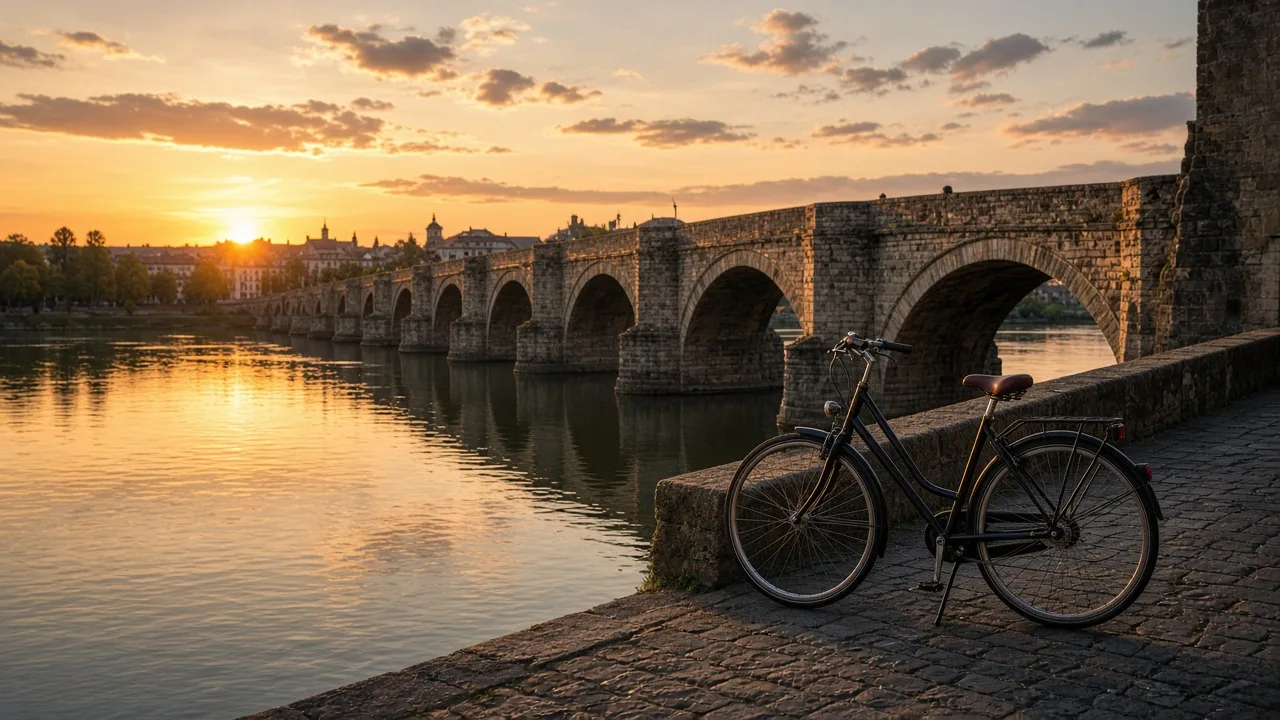
Route 3: Sarayiçi Bridges Tour (5–6 km)
This route runs north from Selimiye down to the Tunca bank and crosses Ottoman-era bridges one after another:
- Kanuni Bridge (1553–1554): According to the Edirne Directorate of Culture and Tourism, it is a work of Mimar Sinan; it is 60 metres long with four arches. It links the city to Sarayiçi, the Hasbahçe (privy garden) of the old palace.
- Fatih Bridge (1452): A small three-arched stone bridge on the northern branch of the Tunca.
- Saraçhane (Şahabettin Paşa) Bridge (1451): According to the Kültür Portalı, it is 120 metres long and 5 metres wide.
In Sarayiçi you can ride comfortably on flat, wide paths among the Kırkpınar wrestling arena, the Adalet Kasrı (Pavilion of Justice) and the remains of the Saray-ı Cedid. During Kırkpınar week (29 June–5 July in 2026) and the Kakava–Hıdırellez Festival on 5–6 May, the area gets very crowded; on these days it is better to leave your bike outside the area. For the area's history, see our Sarayiçi and Kırkpınar guide.
Route 4: Towards Trakya University's Balkan Campus (~14 km round trip)
The Balkan Campus, about 7 km from the city centre, is according to the survey one of the points where cycling trips most often begin. This route is less a sightseeing ride than one for those who want to get to know the city's student life. The thing to watch is the urban crossing of the D-100 highway: the 2016 report states that the design speed of this section is 90 km/h and that it poses a risk to cyclists at junctions. Use parallel neighbourhood streets as much as possible, and at junctions get off and cross at the pedestrian crossing. A new bike path of about 5 km along the Southern Ring Road had been announced; confirm its current status with the municipality.
Where to Leave Your Bike? Parking Etiquette at Mosques and Bazaars
The mosques of Edirne are historic buildings where worship continues. Following a few simple rules when leaving your bike protects both the building and the congregation:
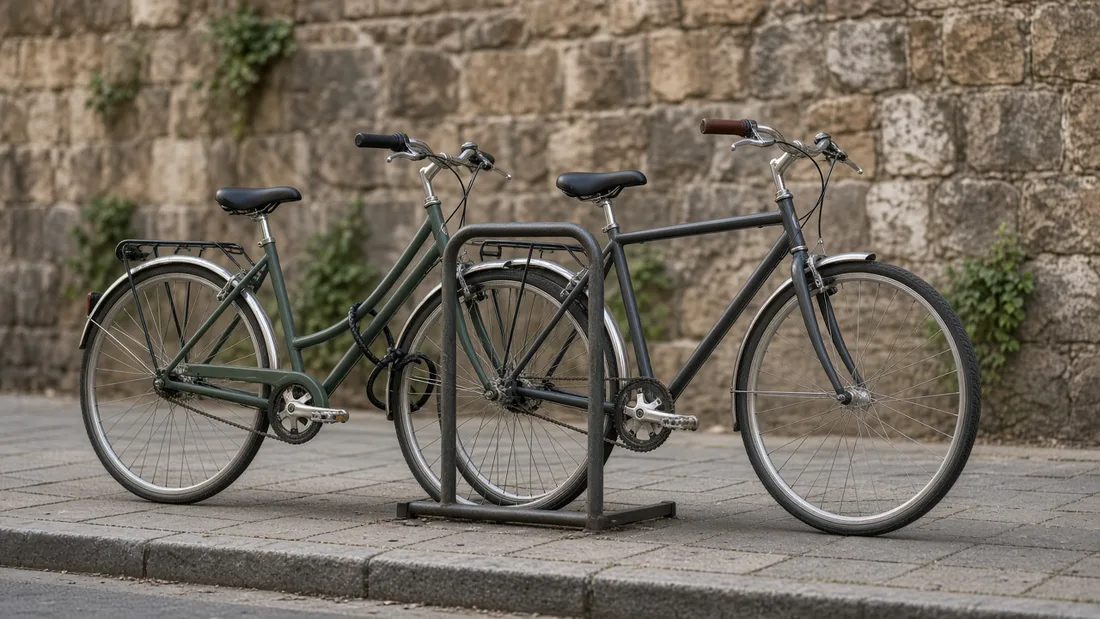
- Do not ride into the courtyard. Leave the bike outside the courtyard gate, at a point that does not block pedestrian flow or entrances.
- Do not lean it on historic walls. Stone walls, door jambs, fountains and ablution fountains can be damaged; use bike racks if there are any, otherwise the kickstand.
- Mind prayer times. Entrances get crowded especially before and after Friday noon prayers; plan your visit and your bike's spot around these times.
- Be ready with suitable clothing. If you will go inside, keep a scarf or a long top in your bag; a light layer to put on over sportswear is enough.
- Do not take your bike into the bazaars. Even pushing a bike into covered bazaars such as the Ali Paşa Bazaar, the Bedesten and the Selimiye Arasta causes problems in the crowd; lock it outside.
Even for short stops, locking the bike to a fixed rack is a good habit.
Safety, Season and What to Bring
Edirne's climate sets the cycling calendar. According to data from the Turkish State Meteorological Service (MGM), the average high in July and August is 32.1 °C; in these months, ride early in the morning or in the late afternoon. May (average 18.0 °C), September (20.2 °C and only 4.7 rainy days) and October (14.5 °C) are the most balanced months. As April and May have more than 10 rainy days, do not forget a rain jacket. In January the average low falls to −0.4 °C; fog and ice by the river can make the road slippery in the morning.
What to bring:
- A helmet; front and rear lights and reflectors
- A sturdy lock
- At least one bottle of water; two in summer
- Sunscreen and a hat or bandana
- A spare inner tube, a small pump and tyre levers
- A light rain jacket and a scarf for mosque visits
For those looking for a rental bike, there are rental points in the city from time to time; confirm the location, price and opening hours from an up-to-date source before you go. If you are coming with your own bike, enter the city on the wide avenues rather than the narrow streets of Kaleiçi.
A Break in Kaleiçi After Your Ride
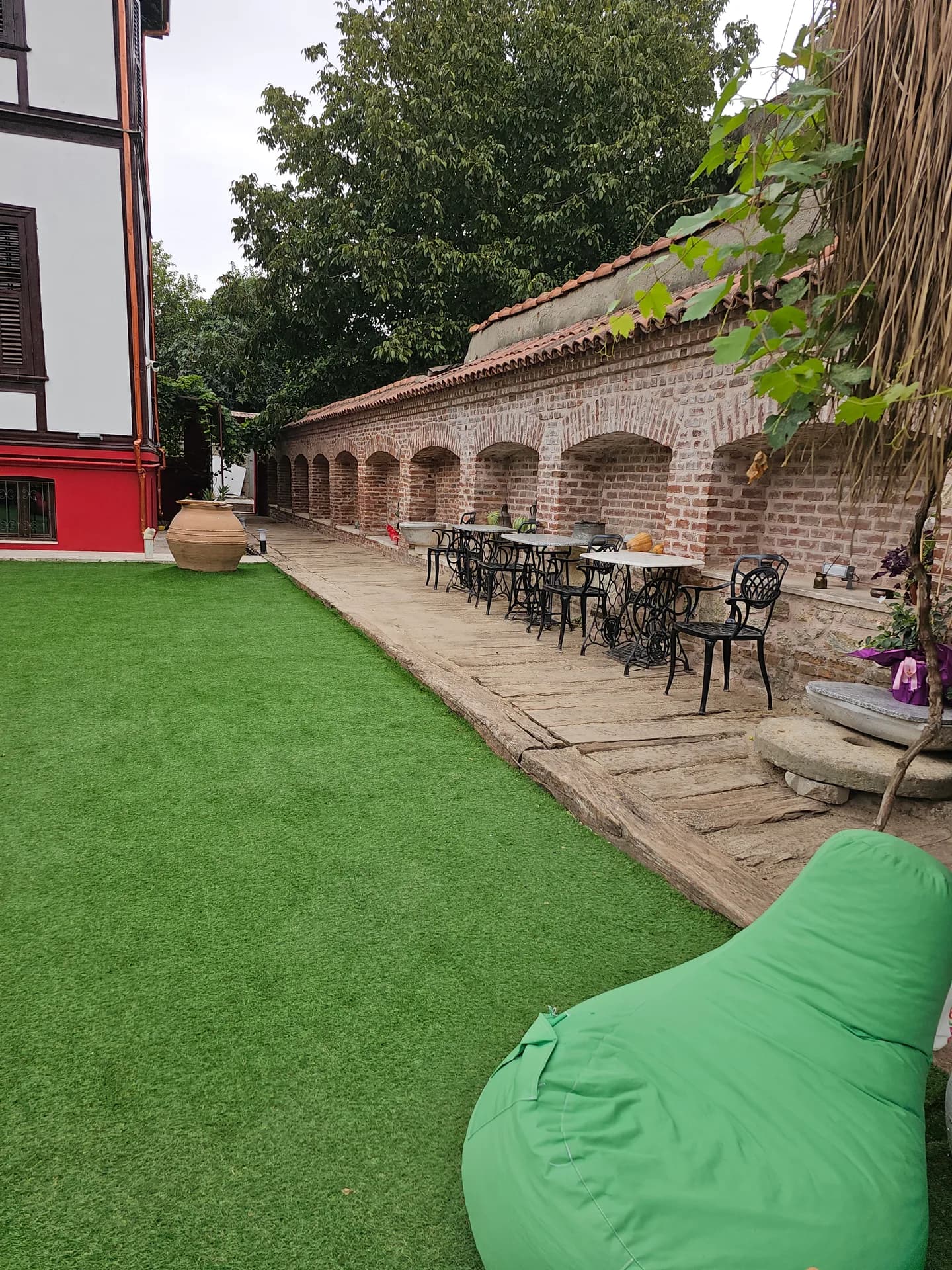
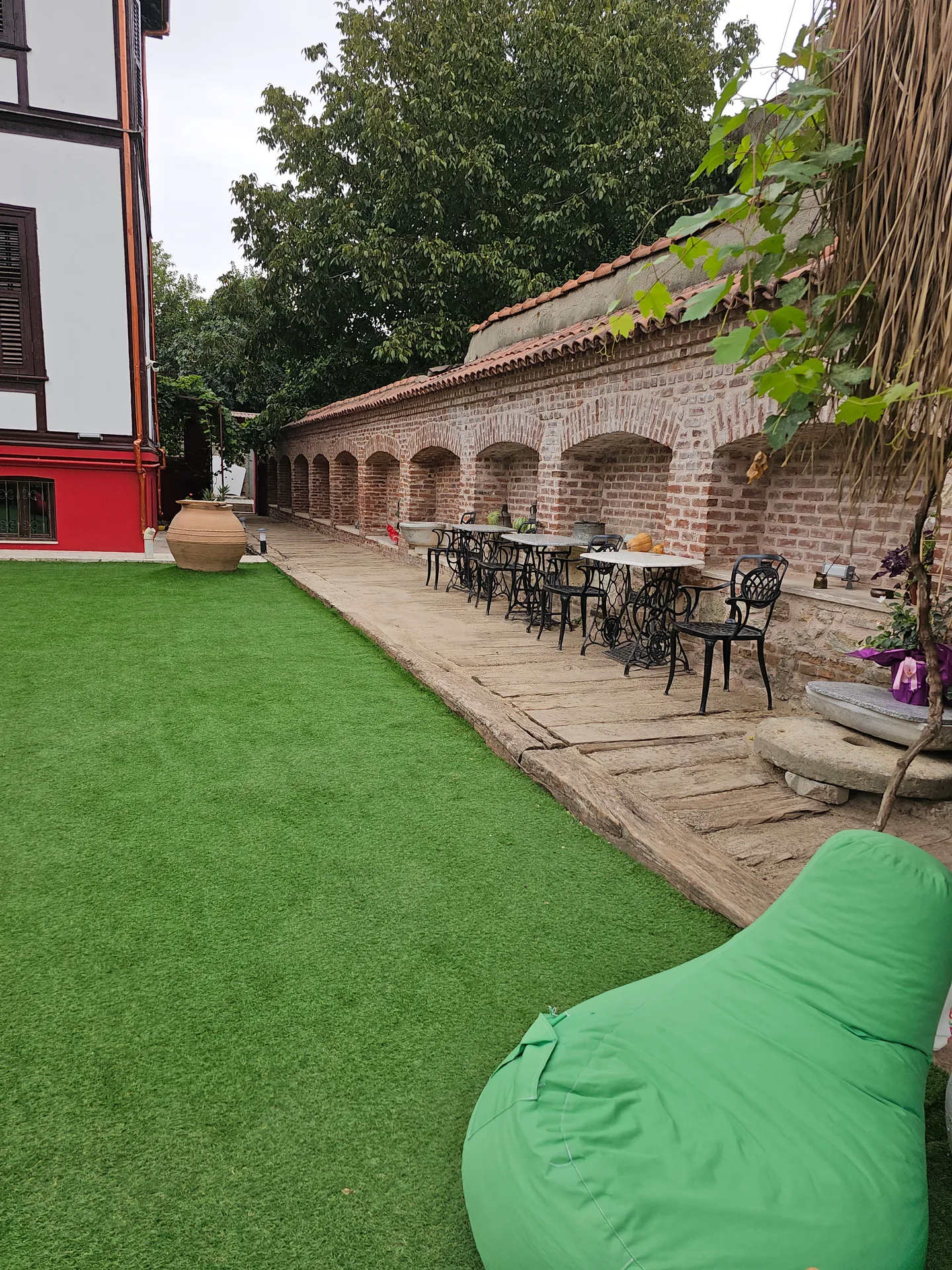
Most routes start from Kaleiçi and return here. Staying in the centre lets you set off in the cool of the morning and rest in the shade of a courtyard in the midday heat. The konak is on İzmir Caddesi, on the outer side of Kaleiçi; it is a 12–15 minute walk to Selimiye and a few minutes to the Ali Paşa Bazaar. For a place to stay, see our edirne kaleiçi konaklama page for the historic quarter, and for a hearty morning before you start pedalling, our edirne serpme kahvaltı (spread breakfast) page. You can mark your starting point via our location in Kaleiçi, Edirne (Google Maps) and plan your route from there.
Frequently Asked Questions
Is Edirne a good city for cycling?+
Yes. The centre is largely flat, and the historic buildings are 1–4 km from each other. According to a 2016 survey, 91% of cyclists in the city own a bicycle, and more than half ride at least 3 days a week. The flat centre and the short gaps between monuments are what make a bike useful for a visitor, not a sports ride. You can link several sights without a long climb.
Are there bike paths in Edirne?+
Yes, but they are limited. In the Union of Municipalities of Türkiye's 2025 table, 2.98 km of bike paths are registered for Edirne Municipality. The Söğütlük Nation's Garden has a 4,450-metre traffic-free bike path. Do not expect a continuous network. The protected stretch in the garden by the river is the easy traffic-free piece; elsewhere you are often sharing ordinary streets.
Can you rent a bike in Edirne?+
There are rental points in the city from time to time. As location, price and opening hours can change, confirm them from an up-to-date source before you go. Treat a rental as something you confirm close to the day, because points and hours move. If nothing is open, the centre is still small enough to walk.
Can you cycle to Karaağaç, and how many km is it?+
Yes. From Kaleiçi over the Tunca and Meriç bridges to the area around the historic station and the Lausanne Monument in Karaağaç is about 3–4 km; the round trip is 7–8 km. It is a realistic out-and-back from Kaleiçi, using the bridges rather than a highway. Allow time to stop at the station area instead of treating it as a sprint.
Can you cycle to the Selimiye Mosque, and where do you leave the bike?+
Yes. Leave the bike outside the courtyard, at a point that does not block the entrances, and without leaning it on historic walls. At prayer times, especially on Fridays, the entrance gets crowded. Park it clear of doorways and off the historic walls, then walk in. On a Friday, or at any prayer, expect the entrance to be busy and choose a spot that does not block worshippers.
What is the best season for cycling in Edirne?+
May, September and October are the most balanced months. In July and August the average high is 32.1 °C, so you need to ride early in the morning or in the late afternoon. The balanced months let you ride in the middle of the day. In the hottest months, keep to the early morning or the late afternoon, and carry water.
How many km is the bike path in the Söğütlük Nation's Garden?+
According to TOKİ data it is 4,450 metres; it runs through the woods and along the Meriç River. The garden opened on 2 June 2025. That path is the place to ride without traffic, through trees and along the river. It is a loop for pleasure, not the way you cross the city to the mosques.
Does EuroVelo 13 pass through Edirne?+
Yes. EuroVelo 13, known as the Iron Curtain Trail, enters Türkiye at Pazarkule, passes through Edirne and continues towards Kırklareli. The city sits on a long international route, so you may meet touring riders as well as local ones. If you are following the trail, this is a sensible place to rest before you continue.
How long is a first cycling loop in central Edirne?+
The Kaleiçi, Ali Paşa Bazaar and Selimiye loop is about 3–4 km, on narrow streets with cobbles in places, and takes about 1.5–2 hours with stops. Saraçlar Caddesi is about 700 metres long and has been pedestrianised since 2008, so at busy times it is best to get off and push the bike. Apart from the short climbs up to Selimiye, the centre has no serious slope.
What do surveys say about everyday cycling in Edirne?+
A 2016 Thrace Development Agency survey of 151 cyclists found that 91 percent own a bicycle, 28 percent ride more than once a day and 27 percent ride three or four days a week. Work accounted for 29 percent of trips, shopping 24 percent and education 22 percent. Trakya University's 2024–2025 figures list 41,428 students, which helps explain why the bicycle is an everyday sight on Edirne's streets.
You may also like: Accommodation, Breakfast, Events.