Edirne fruit soap: a palace tradition dating to the 1600s, its 2019 registration, 24 fruit shapes, handmade production and what to check when buying. Explore it.
Edirne fruit soap is a handicraft dating back to the 1600s, in which grated soap paste is scented with essence, shaped by hand to the size of a real fruit, coloured with food dye and glazed. It is known locally as "mis sabunu" (fragrant soap). The Turkish Patent and Trademark Office registered the product as a geographical indication (mahreç işareti) under the name "Edirne Mis Meyve Sabunu" (Edirne Fragrant Fruit Soap) on 9 September 2019 with number 452. As long as it does not get wet, it keeps its original appearance for 10–15 years, which is why it is mostly bought today as a decoration and a gift.
Café & Restaurant
Coffee, desserts and a relaxing break
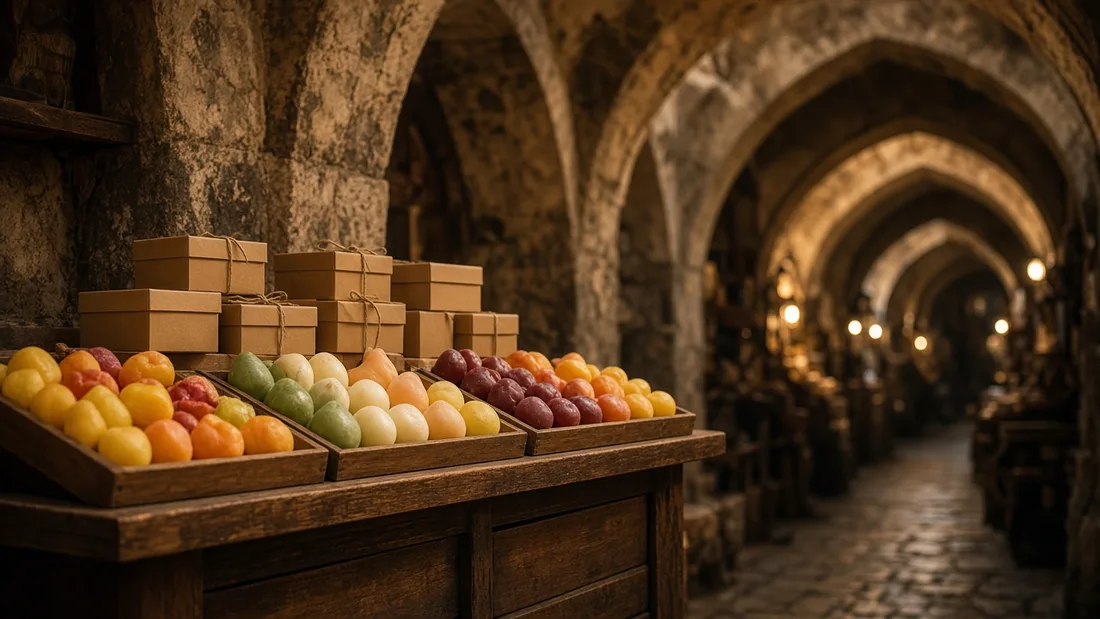
If you have ever seen apples, quinces and watermelon slices in the Selimiye's arasta (covered bazaar) or on the stalls of the Bedesten and thought for a moment they were real fruit, you are not alone. Each of those fruits is a soap shaped individually by hand.
Quick Overview
| Topic | Information |
|---|---|
| Registered name | Edirne Mis Meyve Sabunu |
| Registration no. / date | 452 / 09.09.2019 |
| Application | 17.09.2012, file no. C2012/129 |
| Registration type | Geographical indication (mahreç işareti) |
| Registered by | Edirne Chamber of Commerce and Industry |
| Geographical boundary | Edirne province; all production stages in Edirne |
| History | 17th century; a widespread trade in the early 19th century |
| Shapes listed in the registration | 24 fruit shapes |
| Durability | 10–15 years if kept dry |
| Where to buy | Selimiye Arasta, Bedesten, Ali Paşa Çarşısı |
What Is Edirne Fruit Soap?
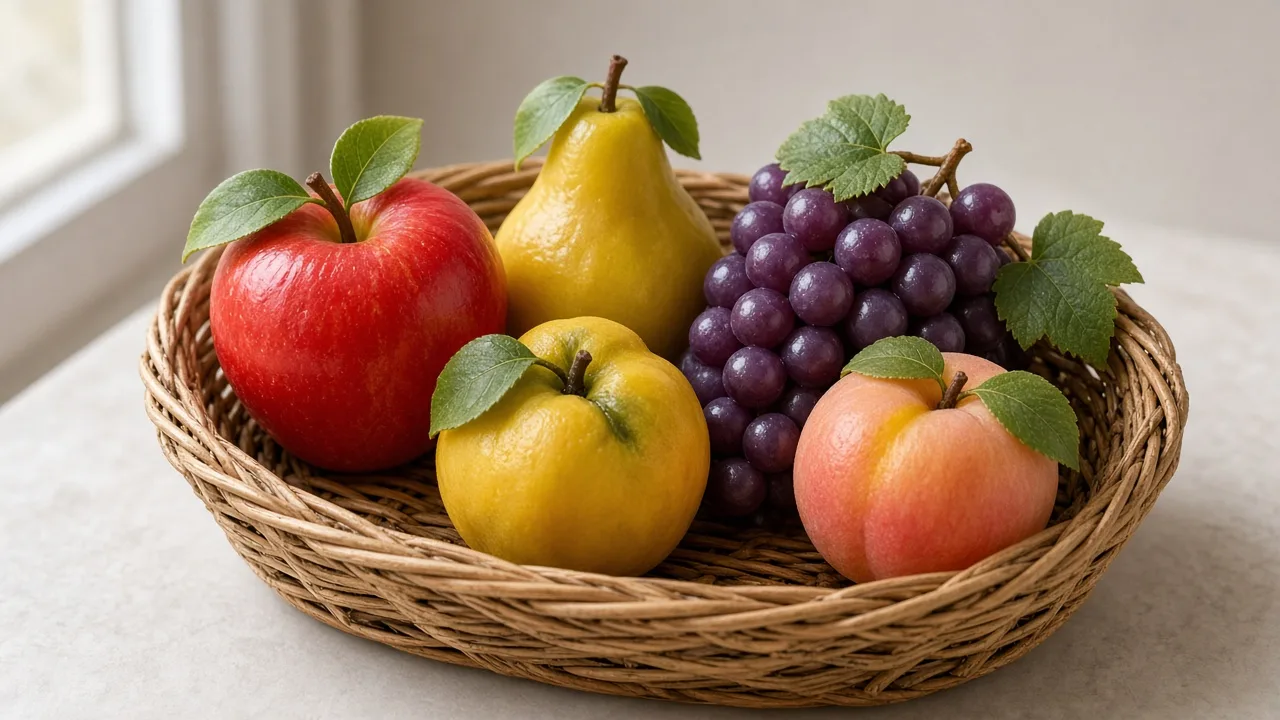
According to the registration document, Edirne fragrant fruit soap is made using white soap, yellow and green transparent soap, essence, water, food dye and decorative accessories. What sets it apart from an ordinary bar of soap is that each piece is shaped by hand rather than in a mould, and is the same size and colour as a real fruit. Even the blush of a peach, the stalk of a cherry and the leaf of a pear are imitated.
The word "mis" refers to the fragrance. The essence added to the paste gives off a light scent in the room or wardrobe where the soap is kept. That is why it is locally called "mis sabunu" or "scented fruit soap".
Stay
Stay in Edirne Kaleiçi with breakfast included
The Ottoman Palace Tradition and History
According to the Kültür Portalı (Türkiye's culture portal) and the Edirne Governorship's promotional text, fruit soap production first emerged in Edirne, and its history goes back to the 1600s. In the 17th century, soap mixed with musk, ambergris and rose essence into a paste began to be shaped to the size of fruit and dyed in its real colours. Over time it became one of the precious gifts presented to the Ottoman palace, to sultans and to local and foreign dignitaries.
Sources give the soap two other nicknames:
- Palace soap: Because orders from the palace had to be fulfilled first.
- Sultan's soap: Because of the sultan's meticulousness about both cleanliness and gifts.
As the Edirne Governorship relates, most of the soaps produced never reached the market but were sent to Topkapı Palace in Istanbul. The sultans' daughters kept fruit soap in their rooms and considered it an important part of their trousseau. Fruit soap was also included in the gifts the sultans sent to foreign heads of state.
Events
Engagements, small weddings and private celebrations
The registration document states that fruit soap making was one of Edirne's popular trades in the early 19th century. The name of the city's Sabuni neighbourhood is also associated with this craft. It is the neighbourhood where the Defterdar Mustafa Paşa Mosque stands today.
Decline and Revival
Such a deep-rooted craft almost disappeared in the first half of the 20th century. According to compilations on Edirne's urban culture, a few masters kept the craft alive during this period. With the death of one of them, Basri Ergörsel, in 1993, fruit soap making entered a period of decline again.
In the early 2000s the craft was revived through the work of Trakya University, the Edirne Governorship, the Edirne Provincial Directorate of Culture and Tourism and the Public Education Centre. Women trained in courses opened by the Public Education Centre began producing in their homes and workshops. According to a report by Anadolu Agency, for many women these courses meant a contribution to the household budget and savings for a trousseau.
Breakfast
A generous Turkish breakfast spread in the garden
The geographical indication process is a continuation of this revival. The Edirne Chamber of Commerce and Industry applied on 17 September 2012. After a review lasting seven years, the product was registered on 9 September 2019 with number 452. Protection under Industrial Property Law No. 6769 is valid from the date of application.
Handmade Production: From Paste to Glaze
The production method in the registration document shows how much patience the craft demands:
1. Grating: Soaps with a moisture content of about 2% are passed through a grating machine. 2. Paste: 150 g of hot water is added to every 1 kg of grated soap to make a paste. Inspections look for a water ratio of 15%. 3. Scent: Essence is added to the paste, which is left to rest for a day. 4. Shaping: The paste is divided into pieces the size of a real fruit and shaped one by one by hand. Seeds, leaves and stalks are added, as on a real fruit. 5. Drying: It is left to rest for 3–5 days, depending on the humidity and temperature. 6. Dyeing: It is coloured with food dye in the fruit's real colour and left to rest again. 7. Glazing: It is dipped into vats of hot glaze to give it shine. 8. Final rest and packaging: After a final rest of 48 hours, each soap is wrapped individually in protective paper.
Adding up the resting stages, the time from resting the paste to packaging comes to about a week for a single soap.
What Do Inspectors Look For?
The registration provides for an inspection body coordinated by the Edirne Chamber of Commerce and Industry. The body includes at least one member each from the Trakya University Vocational School of Technical Sciences, the Edirne Public Education Centre and Evening Art School Directorate, and the Association for the Promotion of Edirne and Tourism. Inspections are carried out once a year, and at any time in case of a complaint, without notifying the producer. The main requirements are:
- The product must be glazed
- The colours must match the real fruit
- The shape must not deform easily and must not carry mould or knife marks
- The essence must have been added at the paste stage
- The packaging must suit the product and must not contain misleading statements
What Fruit Shapes Are There?
The registration document lists 24 shapes:
| Group | Shapes |
|---|---|
| Apples and pears | Red apple, green apple, golden apple, green pear, yellow pear |
| Grapes and figs | Yellow grape, green grape, purple grape, green fig, black fig |
| Citrus and tropical | Lemon, orange, banana, pineapple |
| Stone fruit | Peach, apricot, plum, cherry |
| Others | Quince, pomegranate, split pomegranate, strawberry, melon, watermelon slice |
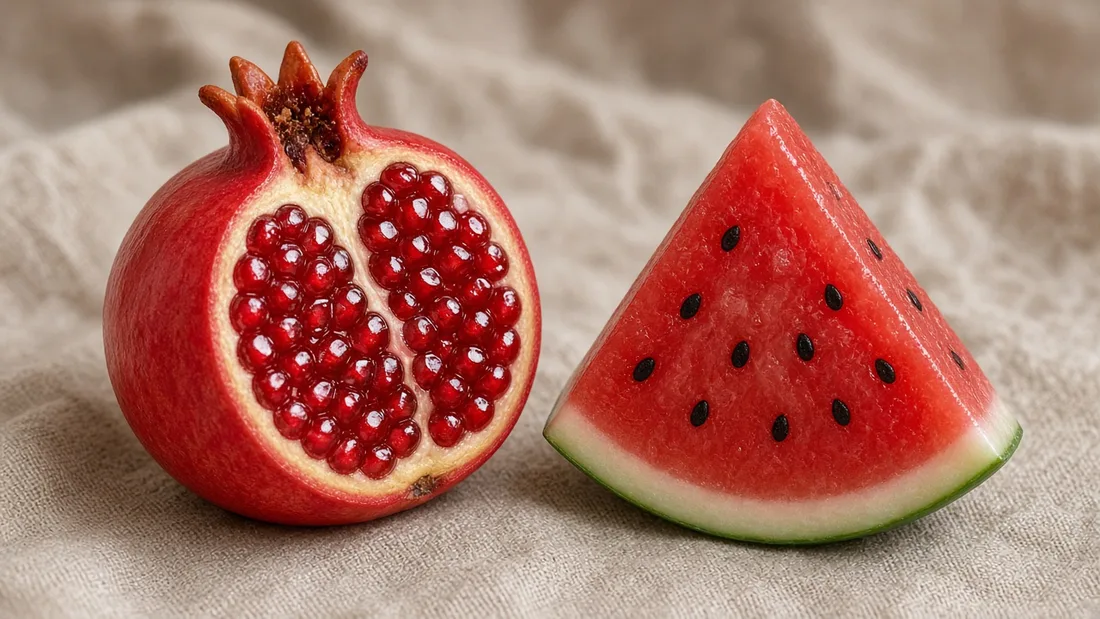
The ones that usually attract the most attention are the split pomegranate and the watermelon slice, which show the inside; in both, the fruit's interior is recreated complete with its seeds. In the bazaar these shapes are sold individually, in small boxes or in wicker basket arrangements.
Musk Fragrance and the Trousseau Tradition
In the Ottoman recipe, the fragrance came from three sources: musk, ambergris and rose. Today's registration text simply says "essence" and leaves the choice of scent to the producer. That is why in the bazaar you can find soaps scented with rose, lavender, lemon or the fruit itself.
In Edirne, fruit soap was long an essential part of the trousseau chest. Soaps placed in the chest both scented the fabrics and became decorations for the new home. Today they are still placed in rooms, living rooms and wardrobes for their fragrance, and they hold an important place among souvenirs. A basket of fruit soaps is one of the most traditional gifts to take back to a loved one from Edirne.
Where to Buy Edirne Fruit Soap
Fruit soap can be found at almost every souvenir stall in Edirne's historic bazaars. The main places are:
- Selimiye Arasta: It runs along the west of the Selimiye Mosque's outer courtyard. According to sources, it is about 255 m long and has 124 shops.
- Bedesten: Right next to the Eski Mosque (Old Mosque). It was built in 1417–1418 by Sultan Mehmed I (Çelebi Mehmed) to provide income for the Eski Mosque and has 14 domes.
- Ali Paşa Çarşısı: On the Saraçlar Caddesi (Saddlers' Street) side. It was built by Mimar Sinan in 1568–69 and is about 300 m long.
All three bazaars are within a few minutes' walk of each other and can easily be explored in half a day. For badem ezmesi (almond paste), deva-i misk halva and other souvenirs, our Edirne's historic bazaars article offers a detailed shopping list. For sweets to take home alongside the soap, have a look at our Edirne's famous desserts article.
Prices vary by size, the difficulty of the shape and the packaging. There can be a big difference between a single soap and a ready-made basket. Ask the seller for the current price before buying.
What to Look For When Buying
- Look for the words "Edirne Mis Meyve Sabunu" on the packaging or the product. The registration requires these words to be easily visible on the product.
- Choose pieces with no mould seams or knife marks and with natural-looking colour transitions.
- Check that the glaze is even and shiny. A matt, sticky surface may indicate that the glaze has not fully dried.
- Smell it lightly. As the scent is in the paste, it should be noticeable all over the soap.
To Use or to Display? Storage Tips
Technically, fruit soap is soap and can be used to wash your hands. In the past it was also used for cleaning. However, because of its glazed and dyed surface, the intensive labour involved and its 10–15-year durability, today it is mostly chosen for decoration and fragrance. When it gets wet, the glaze and dye deteriorate and the shape is lost.
For storage:
- Keep it dry. Do not put it in steamy places such as the bathroom.
- Keep it out of direct sunlight. The food dye can fade over time.
- Store it in a closed box. The scent lasts longer.
- Wrap it in paper if you put it in a wardrobe. The glaze does not touch the fabric, and the scent still spreads.
- Keep it out of reach of children. Because it looks so much like real fruit, small children may put it in their mouths.
Location and a Break Between the Bazaars
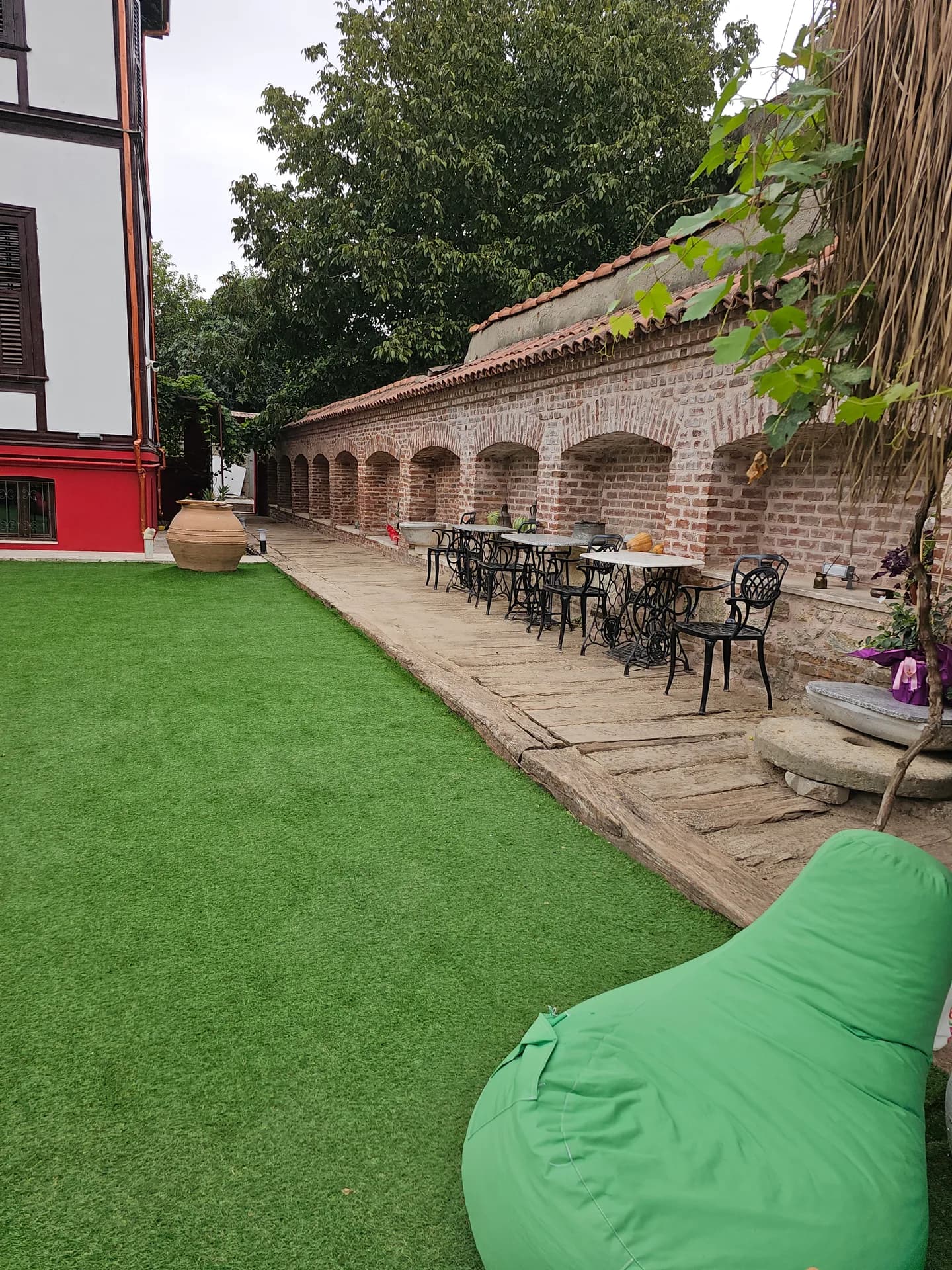
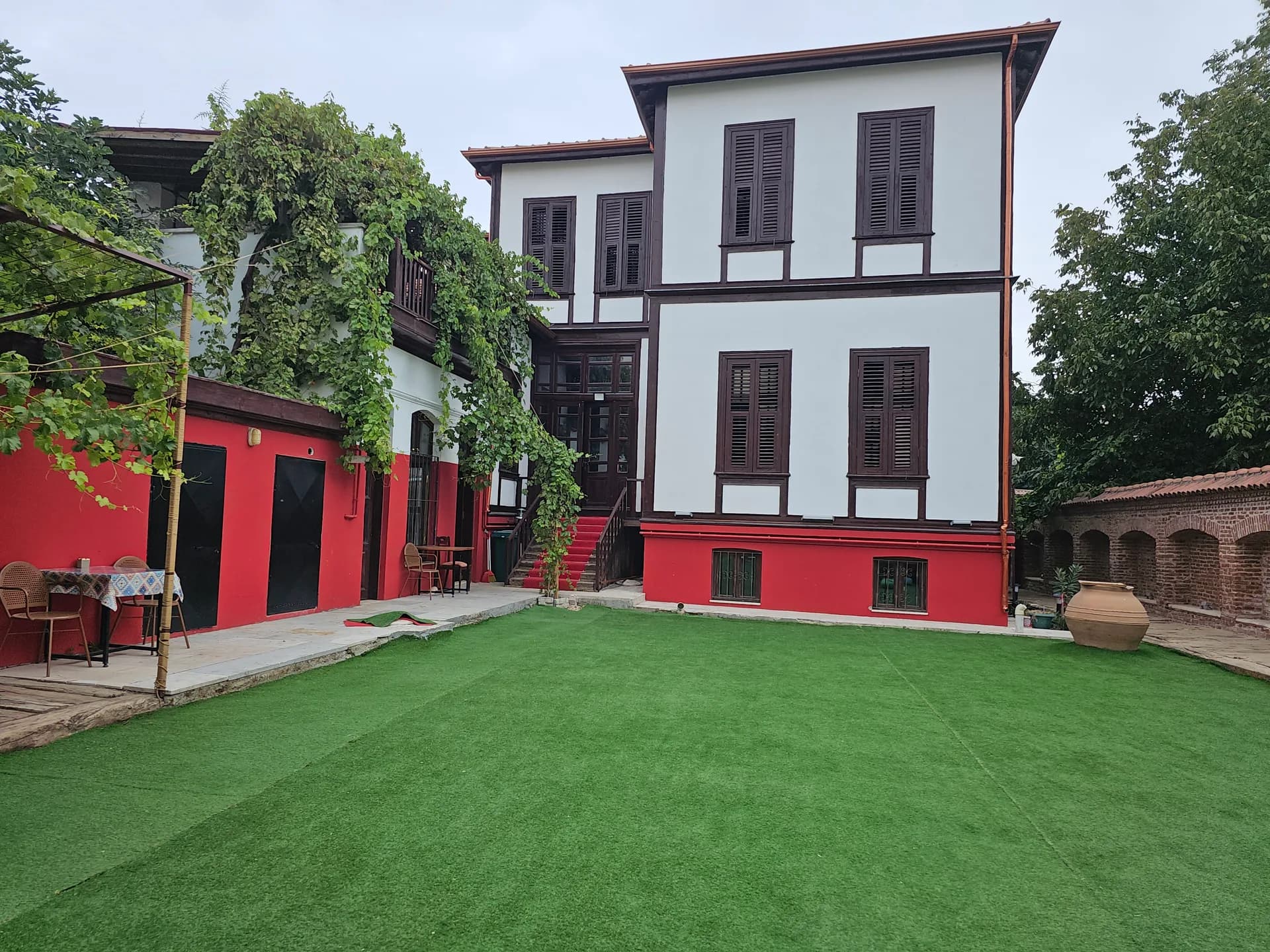
A coffee break balances the day as you walk from the arasta to the Bedesten and from there to Ali Paşa Çarşısı. We serve Turkish coffee and dibek coffee (stone-ground Turkish coffee) in our courtyard; for the menu, see our café in Kaleiçi, Edirne page. Our location in Kaleiçi, Edirne (Google Maps) is at İzmir Caddesi No: 18, a few minutes' walk from the bazaars. If you would like to shop in the cool of the morning, have a look at our places to stay in Kaleiçi, Edirne, and to see the city's other sights, our things to see in Edirne guide.
Frequently Asked Questions
Does Edirne fruit soap have a geographical indication?+
Yes. It was registered as a geographical indication (mahreç işareti) under the name "Edirne Mis Meyve Sabunu" on 9 September 2019 with number 452. The application was made by the Edirne Chamber of Commerce and Industry on 17 September 2012. Yes, under the full registered name, filed by the chamber of commerce. Look for that name, not for a fruit-shaped soap with no place on the label.
How old is the tradition of Edirne fruit soap?+
The registration document and the Kültür Portalı trace its history to the 1600s, that is, the 17th century. Fruit soap making became one of Edirne's widespread trades in the early 19th century. The record takes it back to the seventeenth century, and it was a widespread trade by the early nineteenth. You are buying a local craft, not a novelty invented for visitors.
Why is it called "mis sabunu"?+
The essence added to the paste gives the soap a lasting, pleasant fragrance. In the Ottoman period this scent came from musk, ambergris and rose essence. The name comes from this fragrance. The name is about fragrance that lasts, which is also why people put it among clothes.
Can you use Edirne fruit soap?+
You can, because it is real soap. However, its glaze and dye deteriorate when it gets wet. As it lasts 10–15 years if kept dry, most people use it as a decoration and to scent their wardrobes. It is real soap, but water spoils the glaze and the colour.
How many kinds of fruit soap are there?+
The registration document lists 24 shapes, such as varieties of apple, pear, grape, fig, pomegranate, split pomegranate, quince, peach, apricot, plum, cherry, strawberry, lemon, orange, banana, pineapple, melon and watermelon slice. The registration lists a long set of fruit shapes. You are choosing a form; the craft behind them is the same soap.
Where can you buy fruit soap in Edirne?+
It is easiest to find at the souvenir stalls of the Selimiye Arasta, the Bedesten next to the Eski Mosque and Ali Paşa Çarşısı. The three bazaars are within walking distance of each other. Do the three as one errand rather than three trips.
How can you tell genuine Edirne fruit soap?+
The words "Edirne Mis Meyve Sabunu" should appear on the product or the packaging. Because it is shaped by hand, it carries no mould marks, its colours match the real fruit and its surface is evenly glazed. The registered name on the piece or the box, no mould seam, colours that follow the fruit, and an even glaze. A perfect plastic shine is the thing to walk past.
How should fruit soap be stored?+
It should be kept in a dry place out of the sun, preferably in a closed box. If it is put in a wardrobe, it should be wrapped in paper. Damp places such as the bathroom damage the glaze.
Why is Edirne fruit soap called palace soap and sultan's soap?+
It is called palace soap because orders from the palace had to be fulfilled first, and sultan's soap because of the sultan's meticulousness about both cleanliness and gifts. Most of the soaps produced never reached the market but were sent to Topkapı Palace in Istanbul.
What is Edirne fruit soap made of?+
According to the registration document, it is made using white soap, yellow and green transparent soap, essence, water, food dye and decorative accessories. The registration lists 24 fruit shapes, and the essence added to the paste gives off a light scent in the room or wardrobe where the soap is kept.
You may also like: Accommodation, Breakfast, Events.