Edirne's famous sweet is badem ezmesi, registered as no. 656. Deva-i misk, peynir helvası, zerde and kurabiye: where to buy, how to store. Plan your sweet route.
Edirne's famous sweet is Edirne Badem Ezmesi (almond paste). The Turkish Patent and Trademark Office registered it as a geographical indication (mahreç işareti) under number 656 on 25 January 2021. The same winter, on 6 January, Deva-i Misk Helvası (a spiced sugar confection) was registered under number 643. In the bazaar these are joined by Kavala / un kurabiyesi (flour cookies) and a glass of hardaliye; when you buy a box, the geographical indication emblem on the packaging is what sets the registered paste apart.
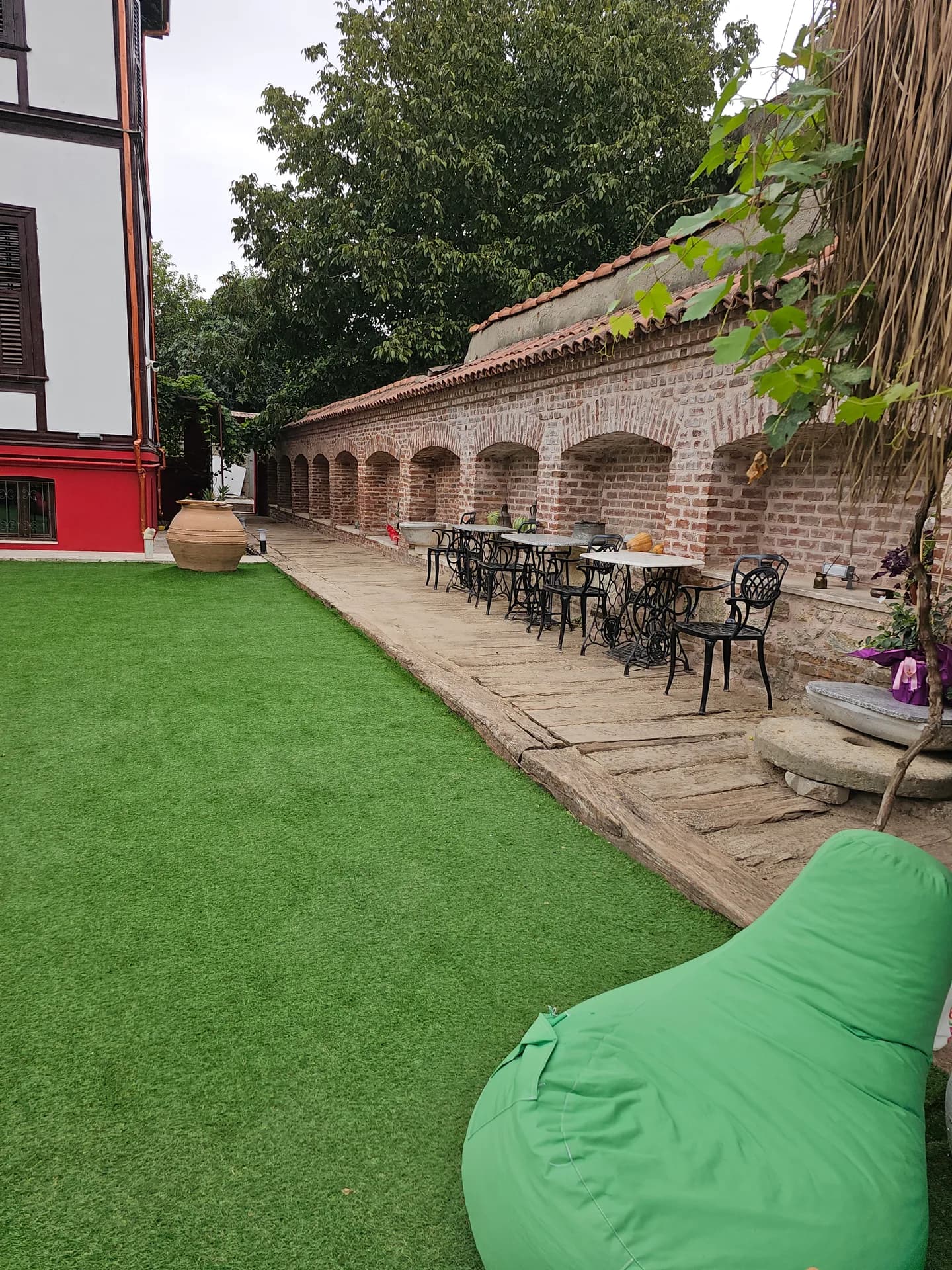
Café & Restaurant
Coffee, desserts and a relaxing break
Quick Overview
| Taste / topic | Status | Source / number | Note |
|---|---|---|---|
| Edirne Badem Ezmesi | Geographical indication | Registration 656, 25.01.2021 | ETSO application 24.12.2012 |
| Deva-i Misk Helvası | Geographical indication | Registration 643, 06.01.2021 | ETB application 31.12.2018 |
| Edirne GI products | Provincial list | 14 registrations (November 2025) | The sweet ones are the paste + the helva |
| Flour / Kavala cookies | Local, not a GI | Ministry "What to buy?" | Arasta and Bedesten |
| Hardaliye | Thracian drink | Kırklareli geographical indication 2017 | Not a GI specific to Edirne |
| Where to buy | Historic bazaars | Ali Paşa, Arasta, Bedesten | Look for the emblem on the packaging |
| Best season | All year | Keep cool in summer | Specification: a dry place |
Edirne Badem Ezmesi: registration, composition, making
Edirne Badem Ezmesi is listed on the Geographical Indications Portal as a geographical indication (mahreç işareti). The file number is C2013/003, the application was filed on 24 December 2012, and the registrant is the Edirne Chamber of Commerce and Industry (ETSO; 1. Murat Mahallesi, Talat Paşa Caddesi No: 80). The geographical boundary is the province of Edirne. The product group is "chocolate, confectionery and derived products".
According to the specification, the paste is produced as 55% sugar, 35% almonds and 10% water, with a ±5% tolerance. The almond is the plump, hard-shelled Hacı Alibey (48-5) variety grown in Edirne. The same document gives this variety's kernel yield as 33–38%, its double-kernel rate as 22–27%, kernel length as 22–27 mm, width as 10–15 mm, in-shell weight as 3–4 g and kernel weight as 1–1.5 g. The tree is early-bearing; its tendency to alternate bearing is described as "almost non-existent".
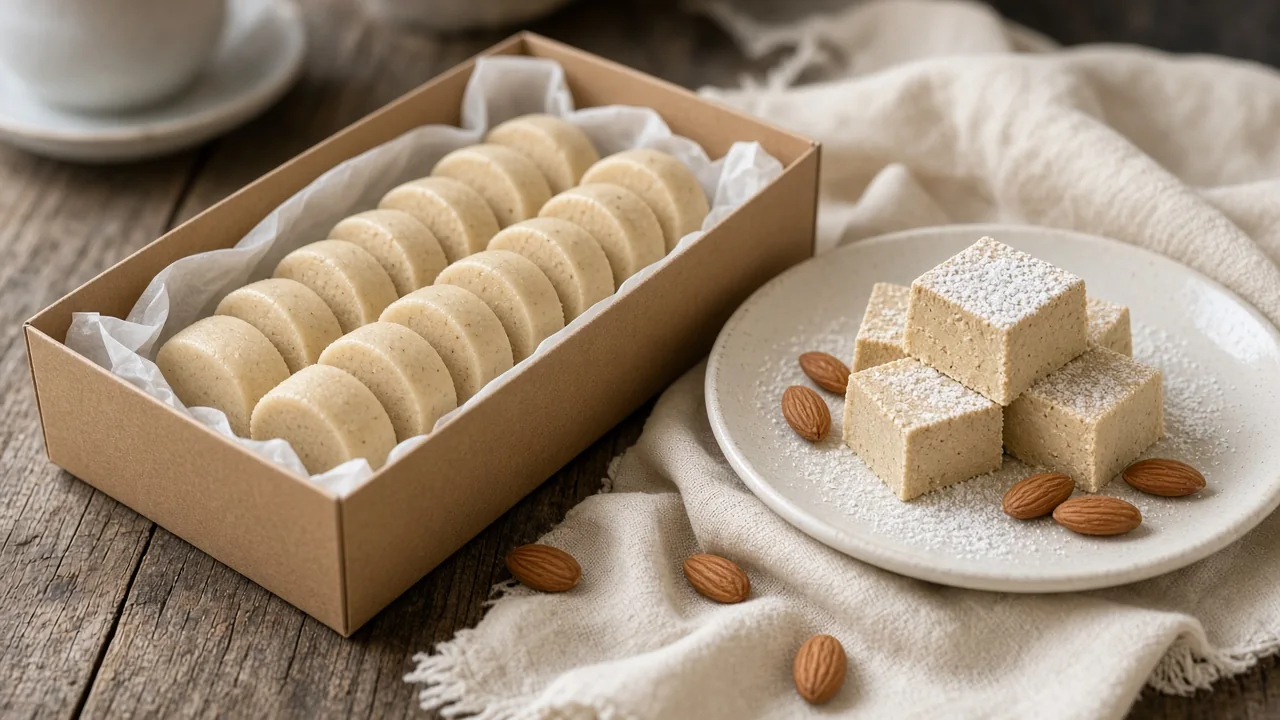
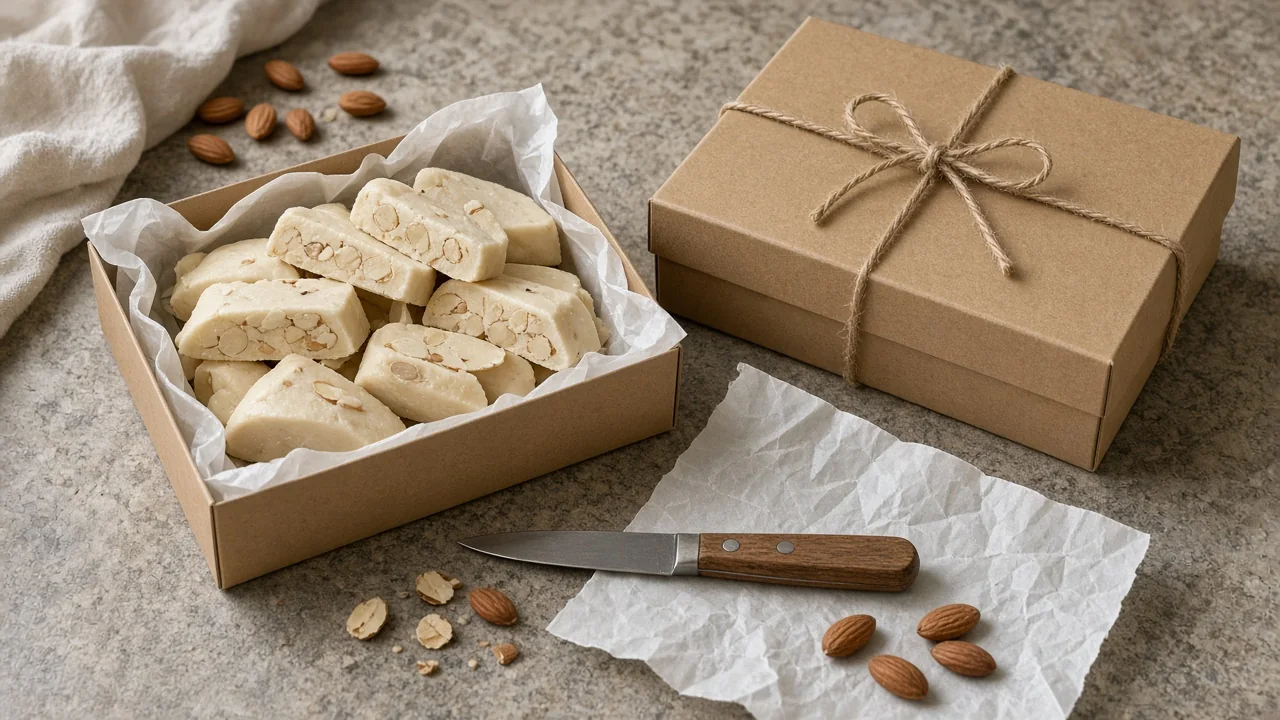
The making steps are in the document too: the almonds are blanched in hot water, the brown skin is peeled off, they are dried in an oven at 70 °C and ground to 1–5 mm. White sugar, water and cream of tartar (potassium tartrate) are boiled up to 120 °C. The ground almonds are added to the syrup; the paste cools on a marble counter, is kneaded by hand and cut into cylindrical slices. It is sold in a Bristol board box lined with greaseproof paper. In hot weather it is kept somewhere cool and dry, in cold weather at room temperature, away from damp.
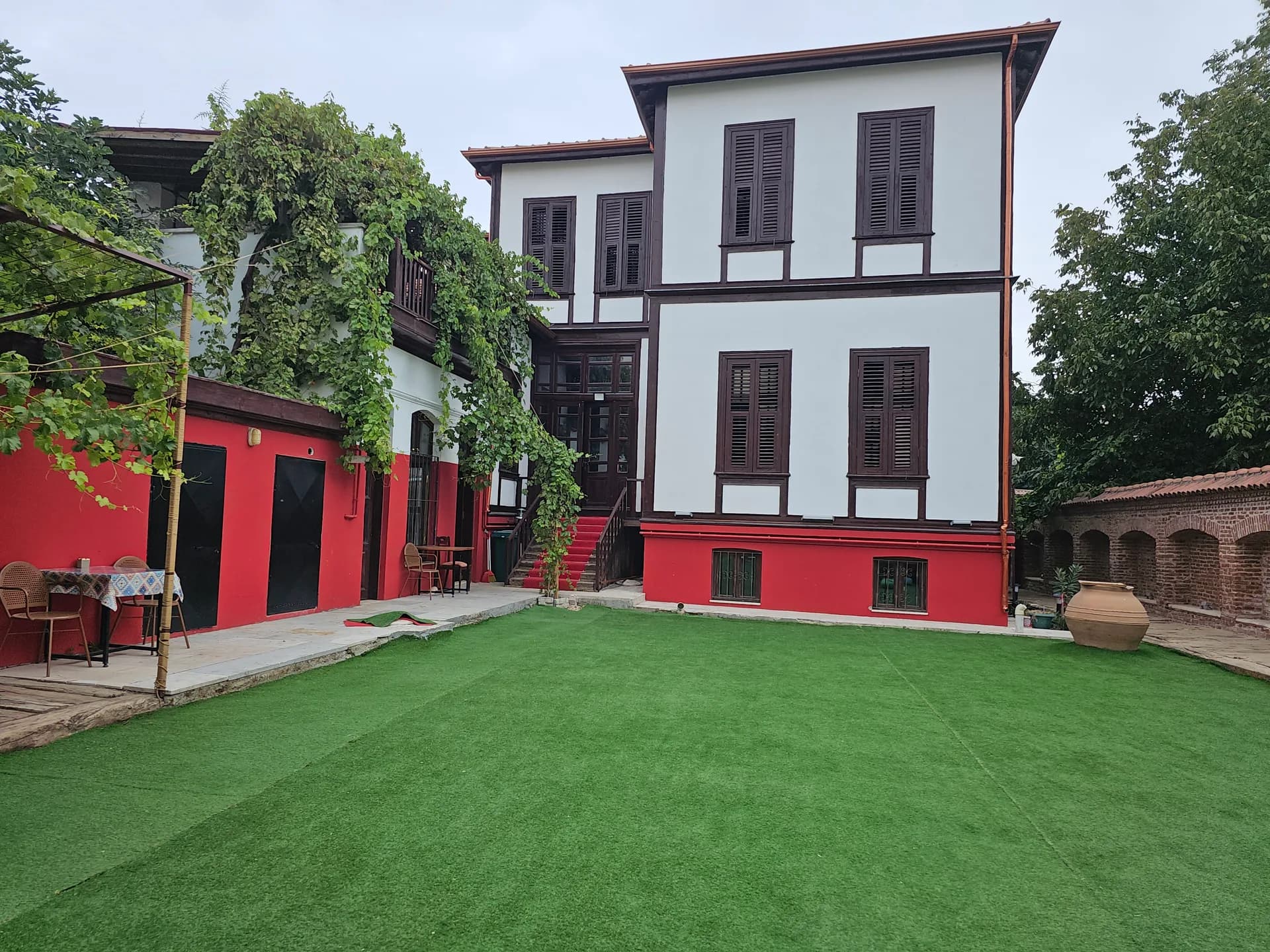
Stay
Stay in Edirne Kaleiçi with breakfast included
Look for the words "Edirne Badem Ezmesi" and the geographical indication emblem on the packaging. If there is no room on the packaging, the same wording must be displayed visibly in the shop. Checking this mark before you open the box separates the registered product from imitations.
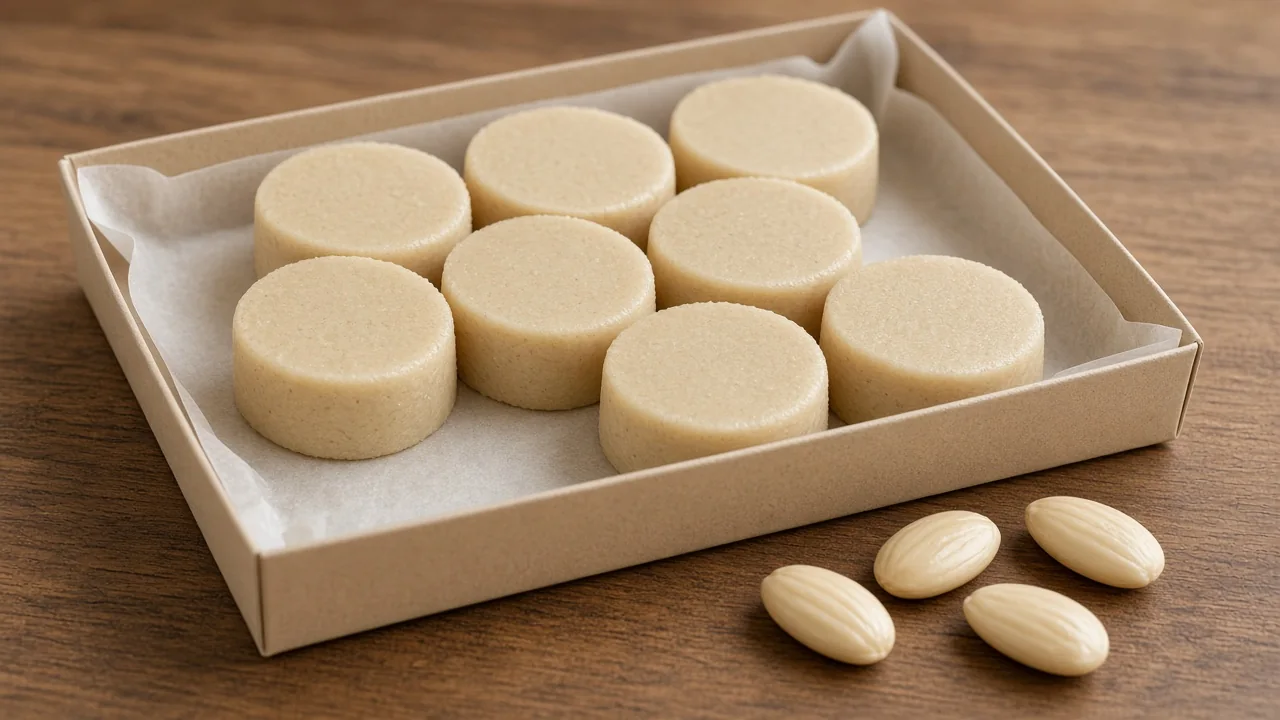
Edirne Deva-i Misk Helvası: 39 spices, registration 643
Edirne's second registered sweet is Deva-i Misk Helvası. The portal record: geographical indication (mahreç işareti), file C2018/247, application 31 December 2018, registration 643, dated 6 January 2021, registrant Edirne Commodity Exchange (ETB). The product group is "bakery and pastry products, dough-based foods, desserts".
The Kültür Portalı (Türkiye's culture portal) and the exchange's announcement state that the helva is made with 39 kinds of spices and ingredients, egg white, sugar and potassium bitartrate. The mixture ratio in the document is 73% sugar, 25% water, 1.5% egg white, 0.4% spice mix and 0.1% potassium bitartrate. The spice list includes cinnamon, cloves, allspice, ginger, nutmeg, black pepper, nigella seeds, cardamom, saffron, mastic and other herbs that evoke the scent of musk. Sources give the meaning of the name as "fragrant and good for the body".
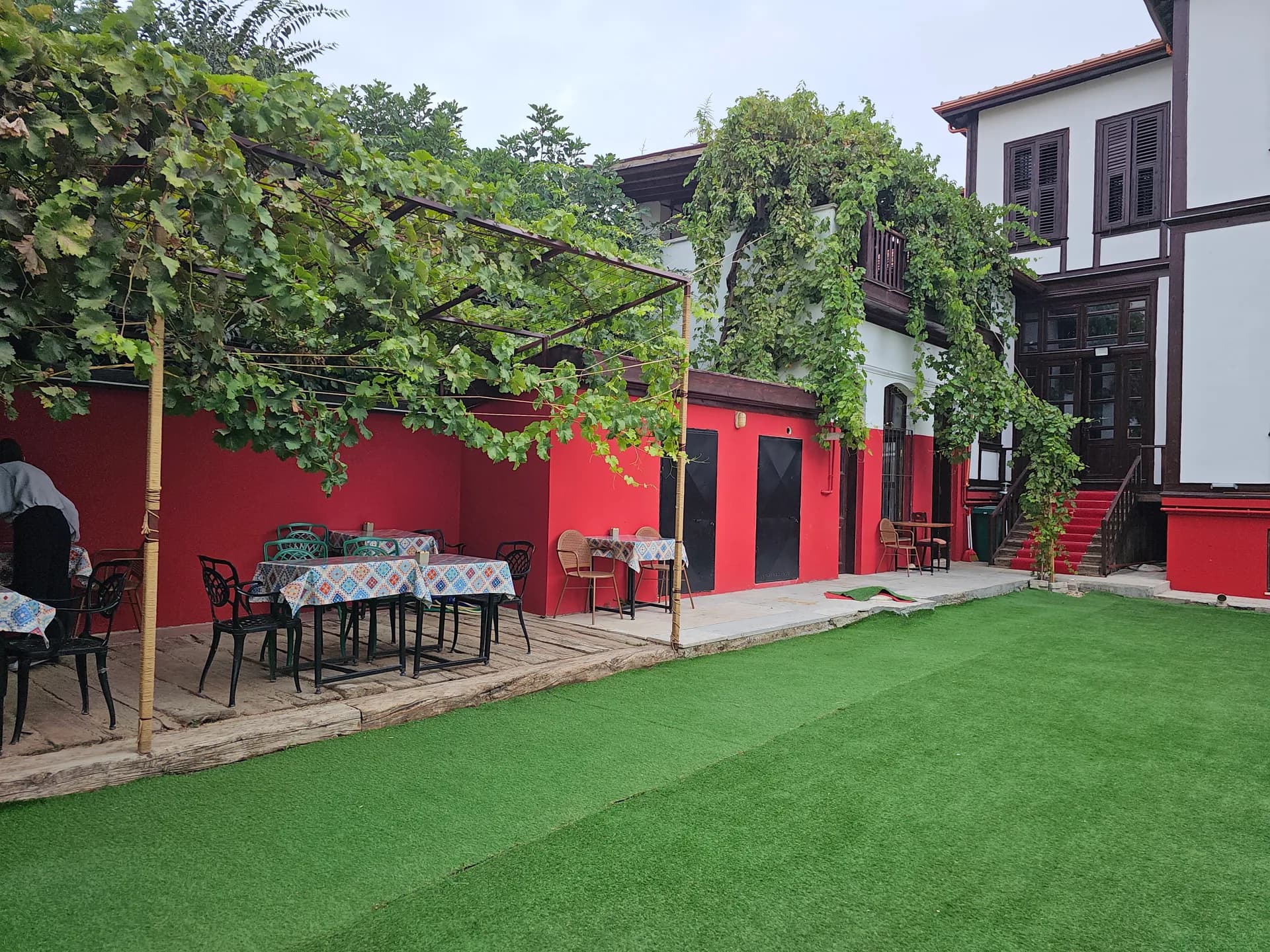
Events
Engagements, small weddings and private celebrations
The Edirne Commodity Exchange relates that in Ottoman Edirne the helva was handed out free to the public and served on certain days at the Bayezid II Hospital (Şifahane). The complex was built between 1484 and 1488 and today can be visited as the Health Museum. Stopping by the museum on the same day you buy the helva at the bazaar connects the sweet to its place. Some accounts count 41 ingredients in total; the number in the registration text is 39.
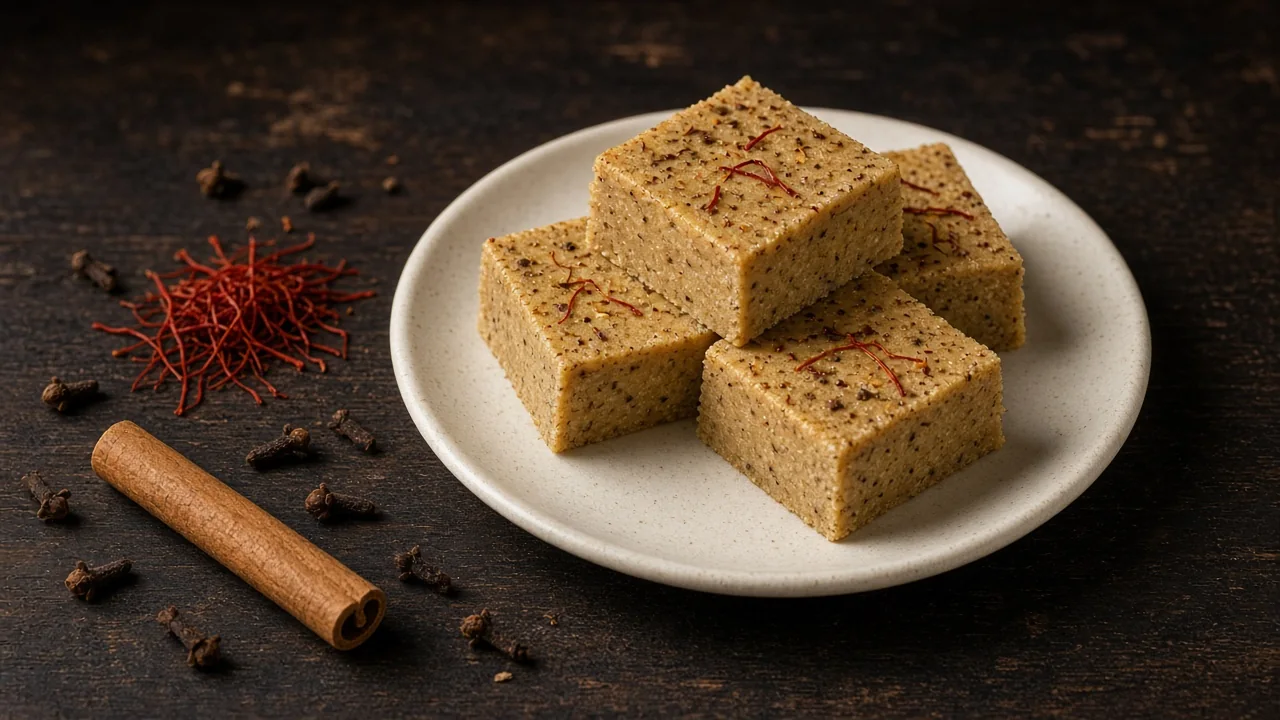
Other sweets in Edirne: cookies, helva, the bazaar plate
Edirne's sweets are not just the two GI products. The Ministry of Culture and Tourism's "What to buy?" page lists Kavala (almond) cookies as one of the most sought-after sweets in the bazaar; locally the same product is also called Edirne kurabiyesi or un kurabiyesi (flour cookie). The Provincial Directorate of Trade keeps the flour cookie on its list of local products. This cookie is not a registered geographical indication, but it is often seen on the stalls of the Arasta and the Bedesten.
Peynir helvası (cheese helva) appears on Thracian tables and is also associated with the Gelibolu area. It can be found at some stalls in Edirne, but it is not the province's registered sweet. As a drink after dessert, hardaliye is served: a traditional non-alcoholic fermented grape drink of Thrace, made with grapes, mustard seeds and sour cherry leaves. The geographical indication registration for hardaliye belongs to Kırklareli (2017). It has a place on the Edirne table, but calling it "Edirne's registered drink" would be wrong.
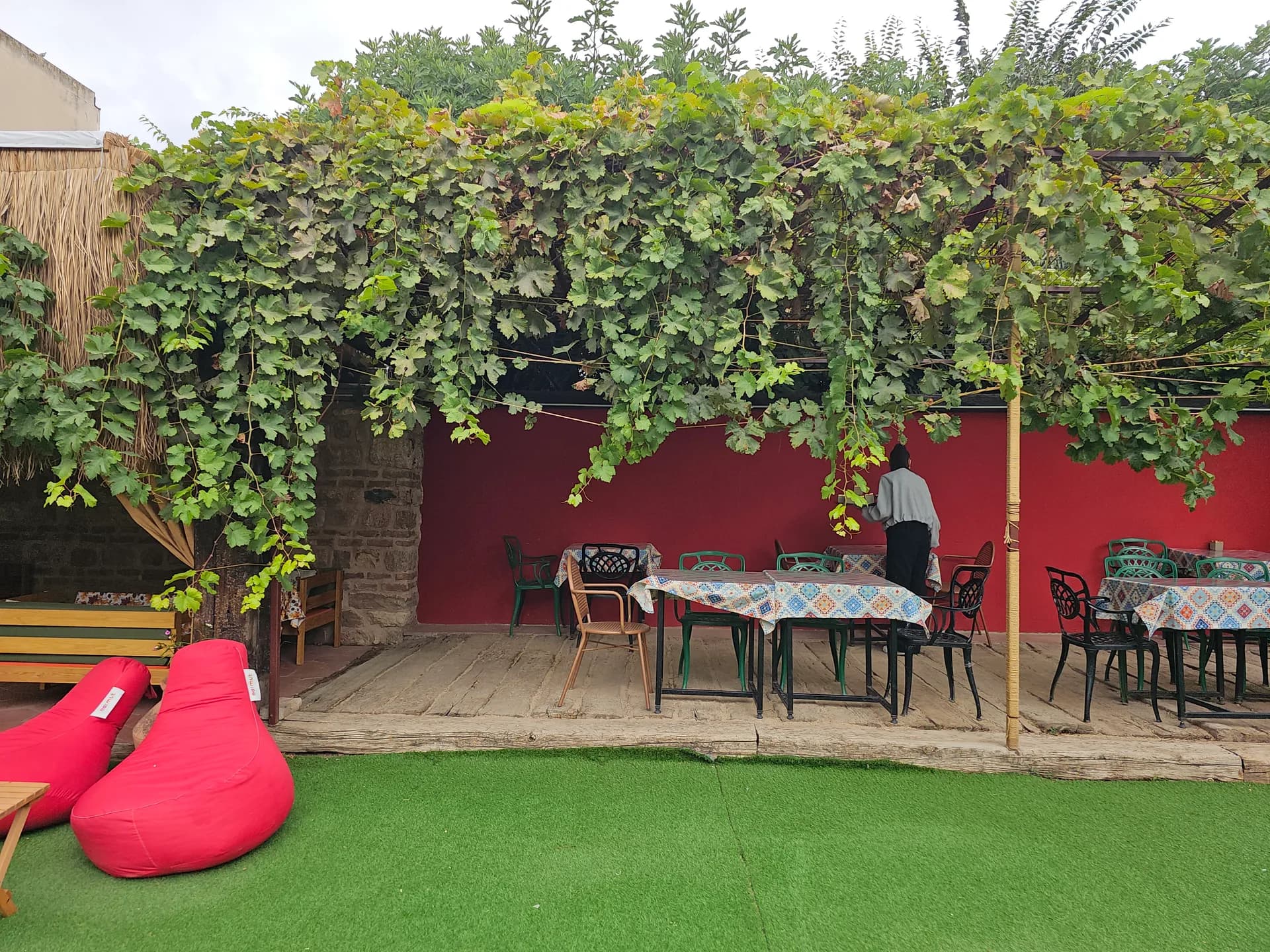
Breakfast
A generous Turkish breakfast spread in the garden
In November 2025 the Tourism Committee of the Edirne Provincial Council counted 14 products with geographical indications in the province. The sweet ones on this list are Edirne Badem Ezmesi and Deva-i Misk Helvası. The others are savoury or agricultural items such as cheese, tava ciğeri (Edirne-style fried liver), mis sabunu (scented soap), İpsala rice and farm produce from Keşan and Meriç. If you are after sweets, you do not need to memorise the whole GI list; the two sweets plus the cookie are enough.
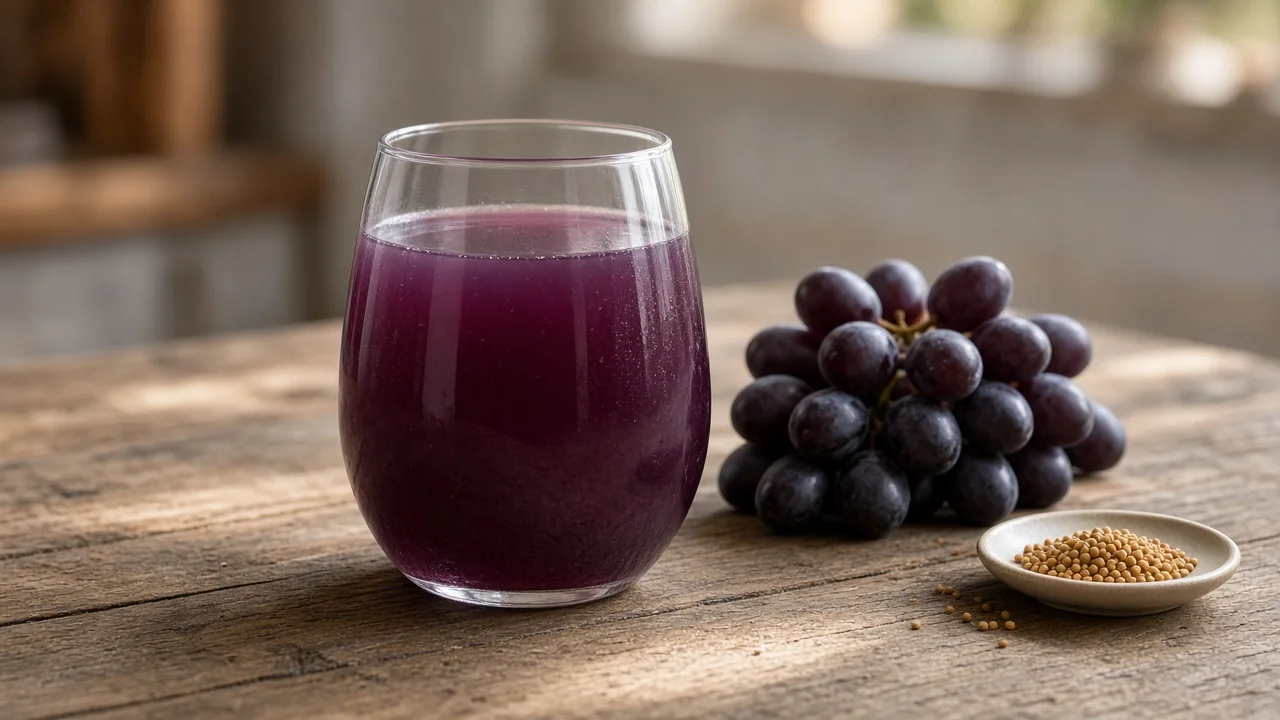
Edirne sweets and the Ottoman palace kitchen
Edirne was the Ottoman capital for about ninety years between 1363 and 1453; after the capital moved to Istanbul, the sultans' hunting and summer palace remained here. That is why the palace helvahane's (confectionery kitchen's) knowledge of syrups, almonds and spices sank deep into the city's sweet culture. Badem ezmesi and Deva-i Misk are the two registered products of this heritage; the ones below are not registered, but they are the tastes that come to the table when people talk about Edirne sweets.
Peynir helvası
A Thracian dessert in which fresh unsalted cheese is roasted with semolina, sugar and butter and then baked, usually served hot and sprinkled with crushed pistachios. It is eaten as a small portion after dinner on winter evenings. Because it should be eaten fresh, it is a dessert to enjoy on the spot, not a gift.
Zerde
Cooked with rice, sugar, rosewater and saffron, zerde is a bowl dessert of palace origin; in Edirne it is handed out at weddings, on holiday tables and at mevlid (memorial) gatherings. It is topped with pomegranate seeds and pistachios. Being light, it goes well after a heavy liver meal.
Kabak tatlısı
Between October and December, in pumpkin season, it is often made in Thracian homes. Pumpkin cooked in its own juice with sugar is served with tahini and walnuts or with kaymak (clotted cream). It is the seasonal dessert to look for on café menus if you visit in autumn.
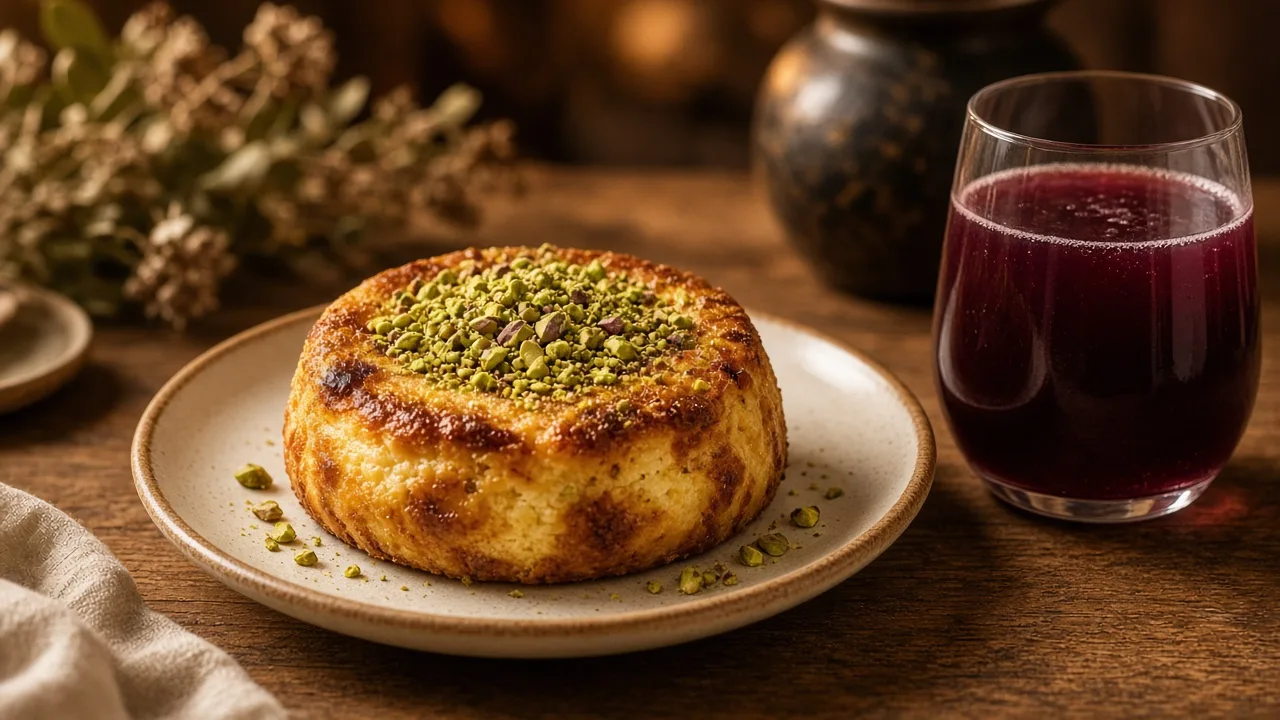
Edirne sweets by season
- Winter (December–February): Hot peynir helvası and kabak tatlısı, with strong tea or Turkish coffee.
- Spring (March–May): Badem ezmesi, Deva-i Misk and flour cookies for a coffee break in the garden.
- Summer (June–August): Light zerde and cold hardaliye. Do not leave a box of badem ezmesi in the sun in the heat; the specification calls for a cool, dry place.
- Autumn (September–November): Fresh hardaliye after the grape harvest and the first trays of kabak tatlısı.
A simple rule helps when fitting sweets into your day: after a heavy tava ciğeri meal, a slice of badem ezmesi and tea; after dinner, hot peynir helvası. For a dessert and coffee break in a garden in Kaleiçi, take a look at our café recommendations in Kaleiçi, Edirne.
Where to buy sweets in Edirne: Ali Paşa, Arasta, Bedesten
The place to buy Edirne sweets is the historic bazaars. The Ali Paşa Bazaar is a work of Mimar Sinan from 1568–1569; it is covered, shady in summer and dry in winter. The Selimiye Arasta is part of the mosque complex; the Selimiye was built between 1568 and 1574 (some sources say 1575). The Bedesten belongs to the Eski Cami (Old Mosque) complex and dates from the early 15th century. All three are within walking distance of Kaleiçi and the Saraçlar line.
When shopping, check the wording and emblem on the box: the geographical indication logo for badem ezmesi, the registration wording for Deva-i Misk. Prices vary from stall to stall; ask about the current price, the scales and the weight before you buy. On a hot day do not leave the box in the car boot; the specification calls for a cool place away from damp.
Komşu Konak is at Mithat Paşa Mahallesi, İzmir Caddesi Kaleiçi No: 18. Back from the bazaar, the box is opened in the konak's garden; a small slice is enough at breakfast — it is a finishing touch, not the main sweet. For directions, our location in Kaleiçi, Edirne (Google Maps) is all you need. The Selimiye and the Arasta are a 12–15 minute walk from here.
How Edirne sweets fit into breakfast, gifts and your trip
On the Edirne serpme kahvaltı (spread breakfast) table, badem ezmesi sits in thin slices. Breakfast at the konak is served 09:00–13:00, in the garden when the season allows. Do not treat the paste as a main item at breakfast: with cheese, honey and jam on the table, one or two slices are the finish. Deva-i Misk is spiced; it goes better with afternoon tea than in the morning.
As a gift, the box travels; tava ciğeri does not. According to sources, the Istanbul–Edirne road is about 230–238 km, or 2.5–3.5 hours at a quiet time. Keep the box in an air-conditioned cabin. For those returning from the border, Kapıkule is 17–19 km from the centre and Pazarkule 5–7 km; the bazaar stop ends in Kaleiçi.
Fit the sweets into your sightseeing day like this: the Selimiye and the Arasta in the morning, liver at lunch, a box from Ali Paşa in the afternoon, the konak in the evening. For the food side, see our what to eat in Edirne article; for the bazaar list, our historic bazaars of Edirne article.
You can also enjoy your Edirne sweet break at the konak: edirne konaklama is under the same roof, while the Edirne desserts at our Kaleiçi café page links the sweets to the café–restaurant menu. If you are thinking of an event or a private table, a slice of paste can be added to the menu with our private dinner organisation in Edirne.
Common mix-ups about Edirne sweets
The first mix-up: assuming every almond paste is "Edirne Badem Ezmesi". The registration requires Hacı Alibey (48-5) almonds and the 55% / 35% / 10% range. A box without the emblem can still be a gift; it is just not the geographical indication product.
The second: confusing Deva-i Misk with plain tahini helva. This helva is a light-coloured, fragrant confection with 39 spices; it is not a tahini or flour helva.
The third: listing hardaliye as an Edirne GI. The drink is on the Thracian table; the registration belongs to Kırklareli. The fourth: thinking all 14 GIs are sweets. Most of the list is cheese, meat, pulses and fruit.
Prices, opening hours and stock vary from stall to stall; confirm with a current source before heading to the bazaar.
Frequently Asked Questions
What is Edirne's famous sweet?+
Edirne's famous sweet is Edirne Badem Ezmesi. Its Turkish Patent registration number is 656, its registration date 25 January 2021, and its type a geographical indication (mahreç işareti). The second registered sweet is Deva-i Misk Helvası (registration 643, 6 January 2021). Almond paste is the one with the registration people mean, and deva-i misk is the second registered sweet. If a box has neither name, it may still be pleasant and it is not this claim.
Which almonds are used for Edirne Badem Ezmesi?+
The specification requires the Hacı Alibey (48-5) variety grown in Edirne. Its kernel yield is 33–38%, and the kernel is 22–27 mm long. The paste is produced as 55% sugar, 35% almonds and 10% water, with a ±5% tolerance. A homemade slab can be good and still not be the registered paste.
How many spices are in Deva-i Misk Helvası?+
The Kültür Portalı and the registration description say 39 kinds of spices and ingredients. The mixture is 73% sugar, 25% water, 1.5% egg white, 0.4% spices and 0.1% potassium bitartrate. It has a historical link with the Bayezid II Hospital (1484–1488). It is a historic sweet, dense by design, not a light pudding.
Where can you buy sweets in Edirne?+
The Ali Paşa Bazaar (1568–1569), the Selimiye Arasta and the Bedesten are the first stops. Look for the geographical indication emblem on the box. Komşu Konak is in Kaleiçi; back from the bazaar, the box is opened in the garden. The three old bazaars are the first hunt, and the emblem on the box is what you are looking for. Back in Kaleiçi you can open the box at the house rather than eating it in the street.
Is hardaliye Edirne's registered drink?+
No. Hardaliye is the grape drink of Thrace, sold as a non-alcoholic grape drink; its geographical indication registration belongs to Kırklareli (2017). It is served on the Edirne table but does not appear on the province's GI list as a sweet or a drink. No. It is the non-alcoholic grape drink of Thrace, and the registration sits with Kırklareli. You will be offered it in Edirne; that does not make it an Edirne geographical indication.
Are flour cookies a geographical indication?+
No. The Ministry page lists Kavala / Edirne cookies as a gift item, and the Provincial Directorate of Trade lists flour cookies as a local product. No known geographical indication registration exists. No known registration. They are listed as a local gift, which is a recommendation, not a protected name. Buy them as Kavala or Edirne cookies without expecting an emblem.
What are the sweets of Edirne?+
The registered ones are Edirne Badem Ezmesi and Deva-i Misk Helvası. To these are added flour (Kavala) cookies, hot peynir helvası, zerde and, in season, kabak tatlısı (pumpkin dessert), with hardaliye to drink alongside. That is the table; you do not need a seventh pudding.
How should badem ezmesi be stored?+
The specification calls for a cool, dry place in hot weather, room temperature in cold weather, away from damp. Do not leave it in the car boot in summer. The Bristol board box comes lined with greaseproof paper; keep the lid closed. Cool and dry in hot weather, ordinary room temperature when it is cold, always away from damp, and never shut in a hot car. Keep it in the lined box it came in.
How many geographical indication products does Edirne have?+
In November 2025 the Tourism Committee of the Provincial Council counted 14 registrations. The sweet ones are Badem Ezmesi and Deva-i Misk Helvası. Products still at the application stage (kaz oturtması, Mecidiye melon, Çeribaşı cherry) do not yet add to the list of sweets. Applications still in progress are not yet names you can trust on a label.
Who applied to register Edirne's almond paste and Deva-i Misk?+
An ETSO application for Edirne Badem Ezmesi was filed on 24 December 2012, and it was registered as number 656 on 25 January 2021. Deva-i Misk Helvası followed an ETB application of 31 December 2018 and was registered as number 643 on 6 January 2021. A November 2025 provincial list counts 14 geographical indications, and the sweet ones among them are the paste and the helva.
You may also like: Accommodation, Breakfast, Events.