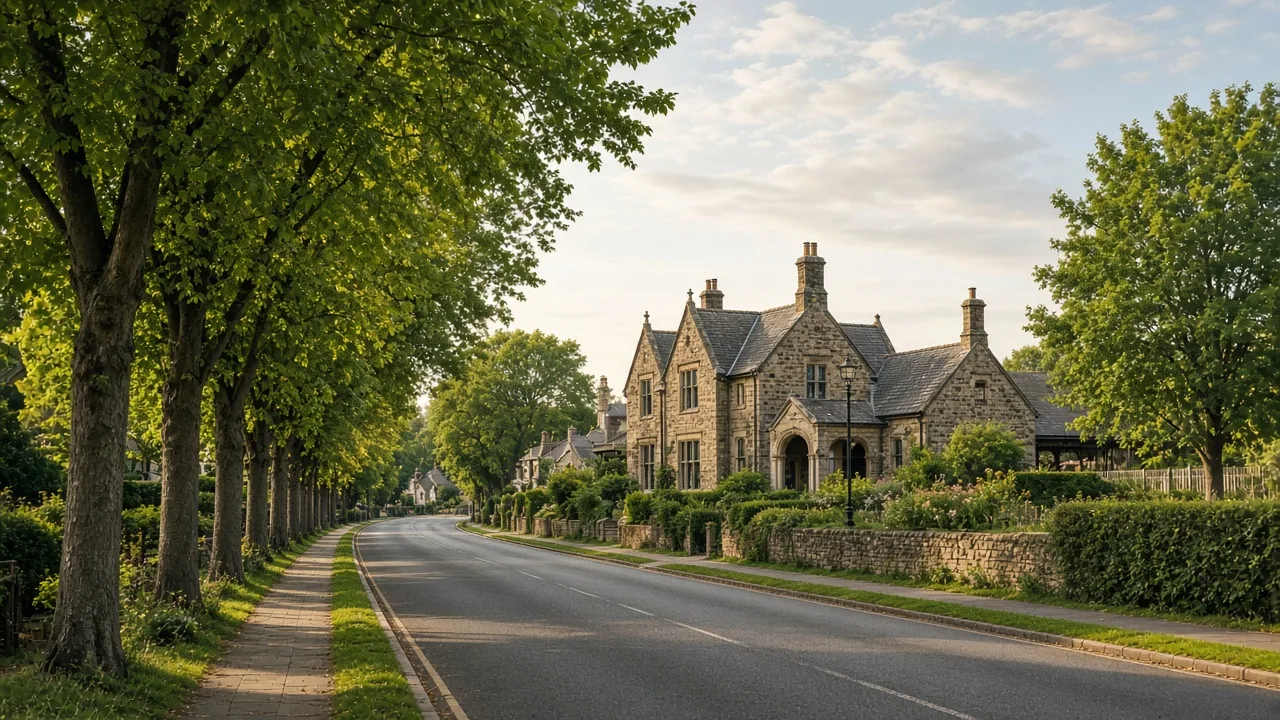
Visit Edirne's Karaağaç: the district settled at Lausanne and handed over on 15 September 1923. See the monument, museum, station and Söğütlük on a half day.
Edirne's Karaağaç district is the area left to Türkiye under the Treaty of Lausanne (1923) as part of the settlement of the war reparations question, and officially handed over on 15 September 1923; it has a special place as the only part of Türkiye lying west of the Meriç River. The district is home to the Lausanne Monument, the Museum of the National Struggle and Lausanne, the historic railway station building and the Söğütlük Millet Bahçesi (Söğütlük Public Garden) on the banks of the Meriç.
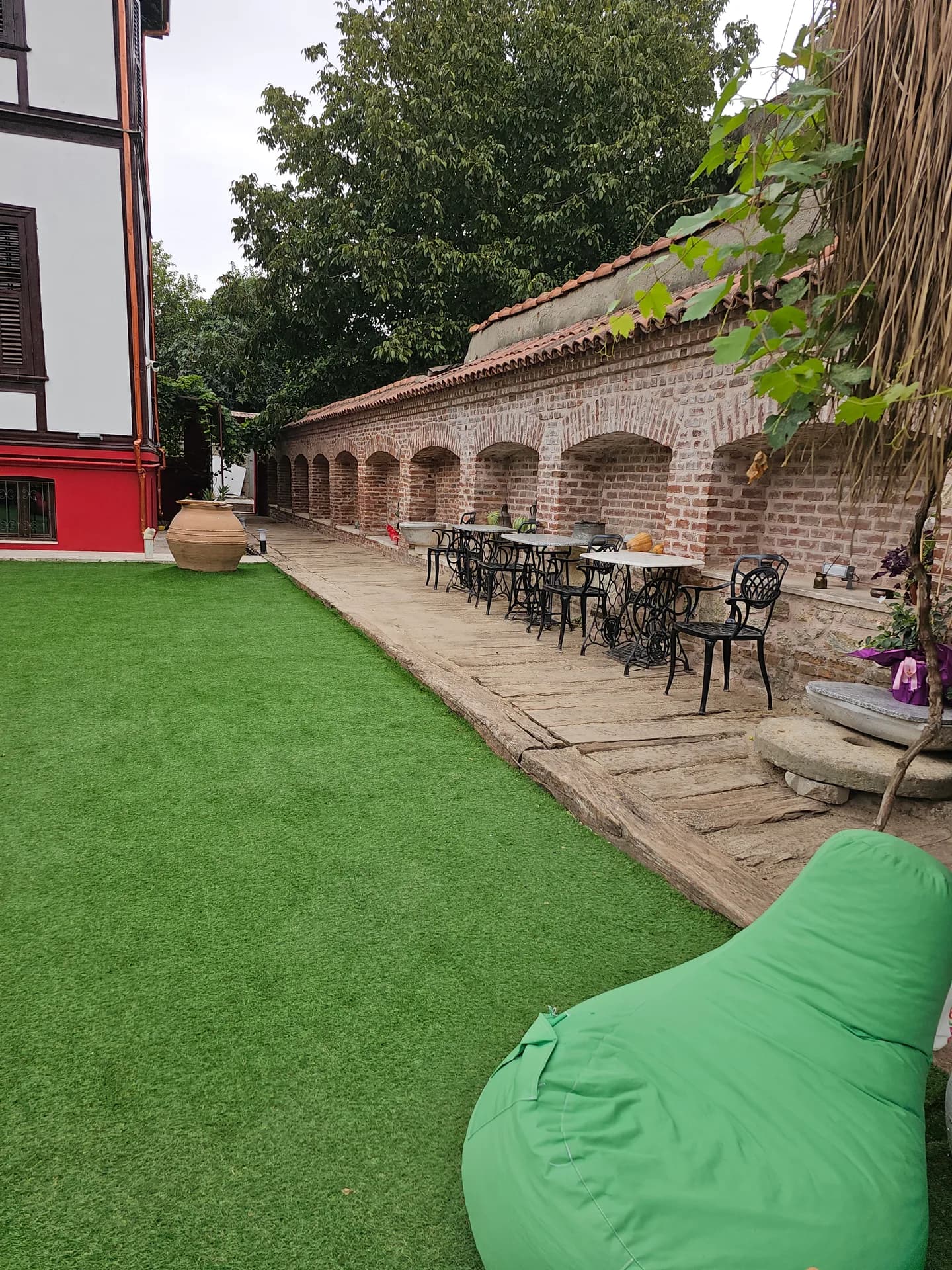
Café & Restaurant
Coffee, desserts and a relaxing break
Karaağaç is a quiet district reached from the centre by crossing the Meriç Bridge. It is one of the stops most visitors to Edirne skip, yet one of the most meaningful in historical terms.
Quick Overview
| Topic | Information |
|---|---|
| Location | West bank of the Meriç River |
| Handover date | 15 September 1923 |
| Lausanne Monument | Opened on 19 July 1998 |
| Museum | Museum of the National Struggle and Lausanne (2016) |
| Green space | Söğütlük Millet Bahçesi, ~2 km from the centre |
| Duration | Half a day |
Why Is Karaağaç Important?
During the negotiations of the Treaty of Lausanne, signed on 24 July 1923, the question of war reparations led to long discussions. In the second phase of the conference, it was resolved by leaving the Karaağaç area and its railway station, on the west bank of the Meriç River, to Türkiye. The handover of the area took place at a ceremony held on 15 September 1923.
This gave Karaağaç a geographical distinction: the district is the only part of Türkiye that lies west of the Meriç River. So on your way from the centre to Karaağaç you have to cross a river, and that crossing also becomes a history lesson.
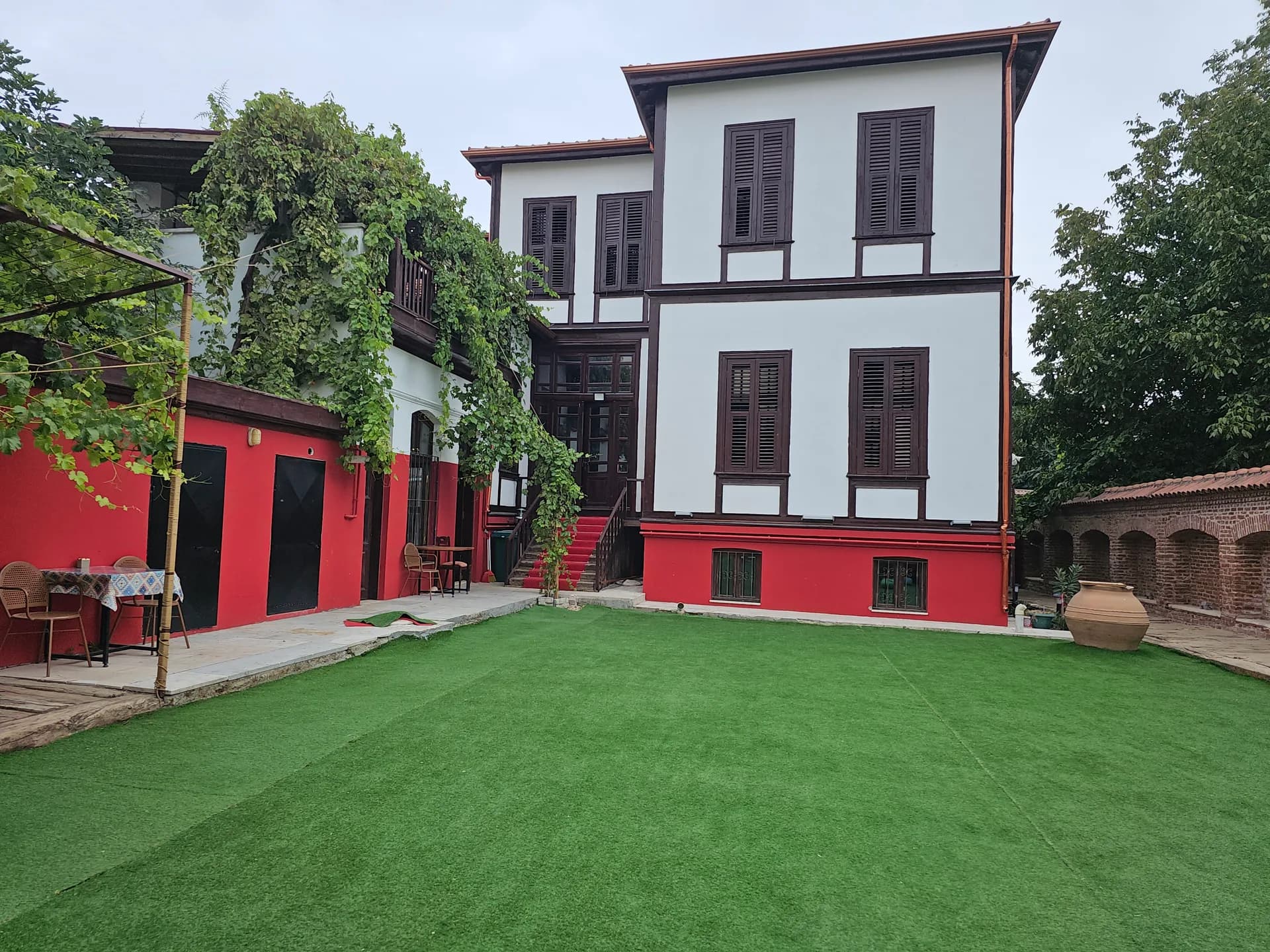
Stay
Stay in Edirne Kaleiçi with breakfast included
The Lausanne Monument and the museum in the district were created to keep the memory of this historical event alive.
1. The Meriç Bridge: The Crossing Point
The road to Karaağaç crosses the Meriç Bridge. Also known as the Mecidiye or New Bridge, its construction began in 1833 under Mahmud II and was left unfinished for financial reasons and because of the sultan's death. Today's bridge was completed by his son Sultan Abdülmecid between 1842 and 1847.
According to the Kültür Portalı, the bridge is 263 metres long, 7 metres wide and has twelve arches; Edirne Governorship data also record eleven relief openings above its piers. It is the most recent of Edirne's historic bridges.
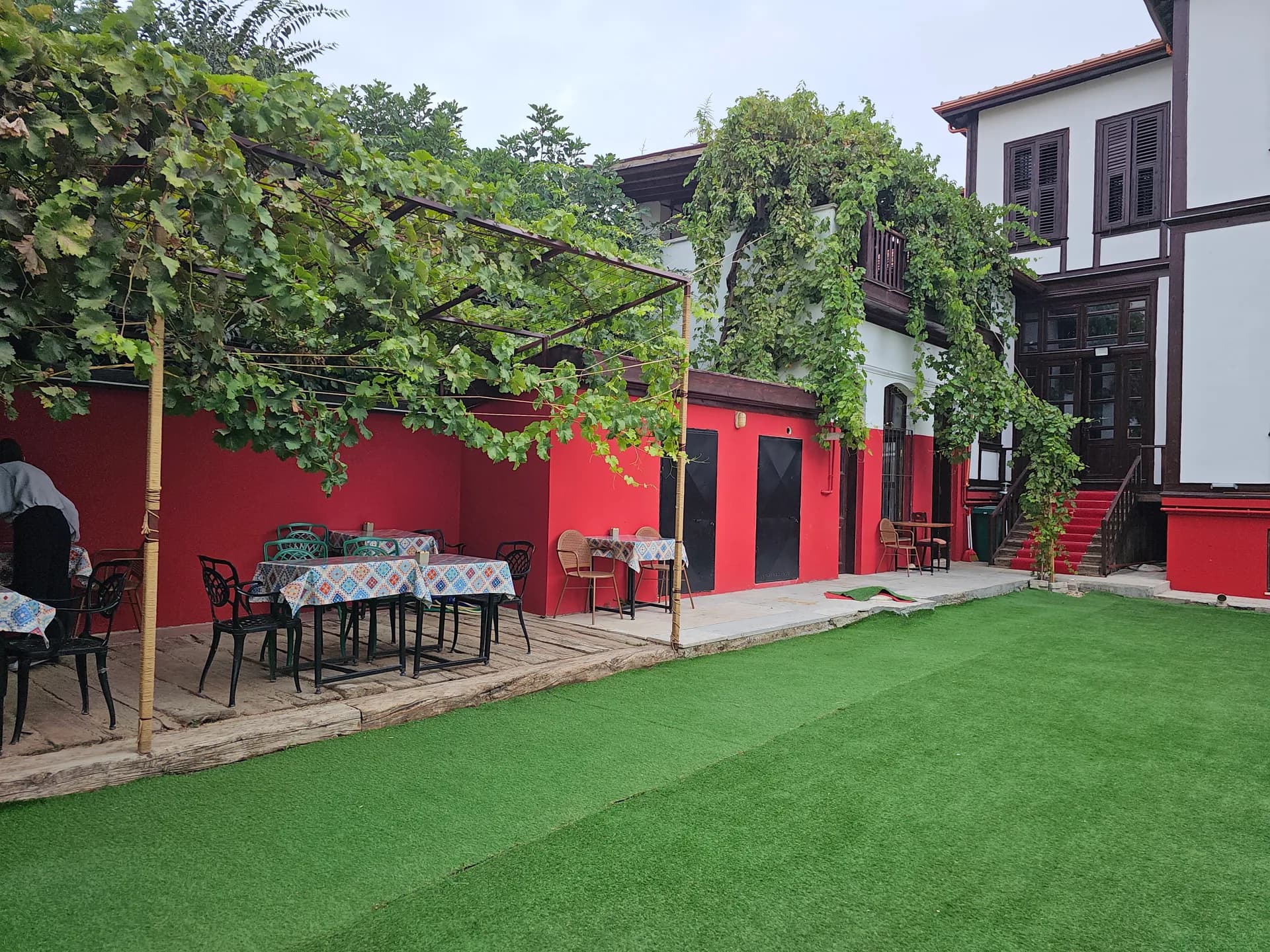
Events
Engagements, small weddings and private celebrations
The bridge's original inscription was written in ta'liq script by the poet Ziver Bey and was lost in the early 20th century; today's inscription was written faithfully to the original by the calligrapher Mustafa Uğur in 1966.
Take a few minutes to walk across the bridge; its twelve arches and the river view make it one of the best photo spots of the day. If you want to extend your riverside walk, see our Meriç and Tunca river walking route article.
2. The Lausanne Monument and Square
The monument, located on the Trakya University campus in Karaağaç, is the symbol of the district. The decision to erect a Lausanne Monument on the campus was taken by the University Senate on 27 November 1996; the stated reason was that the Karaağaç area had become part of the Republic's territory through the Treaty of Lausanne.
Breakfast
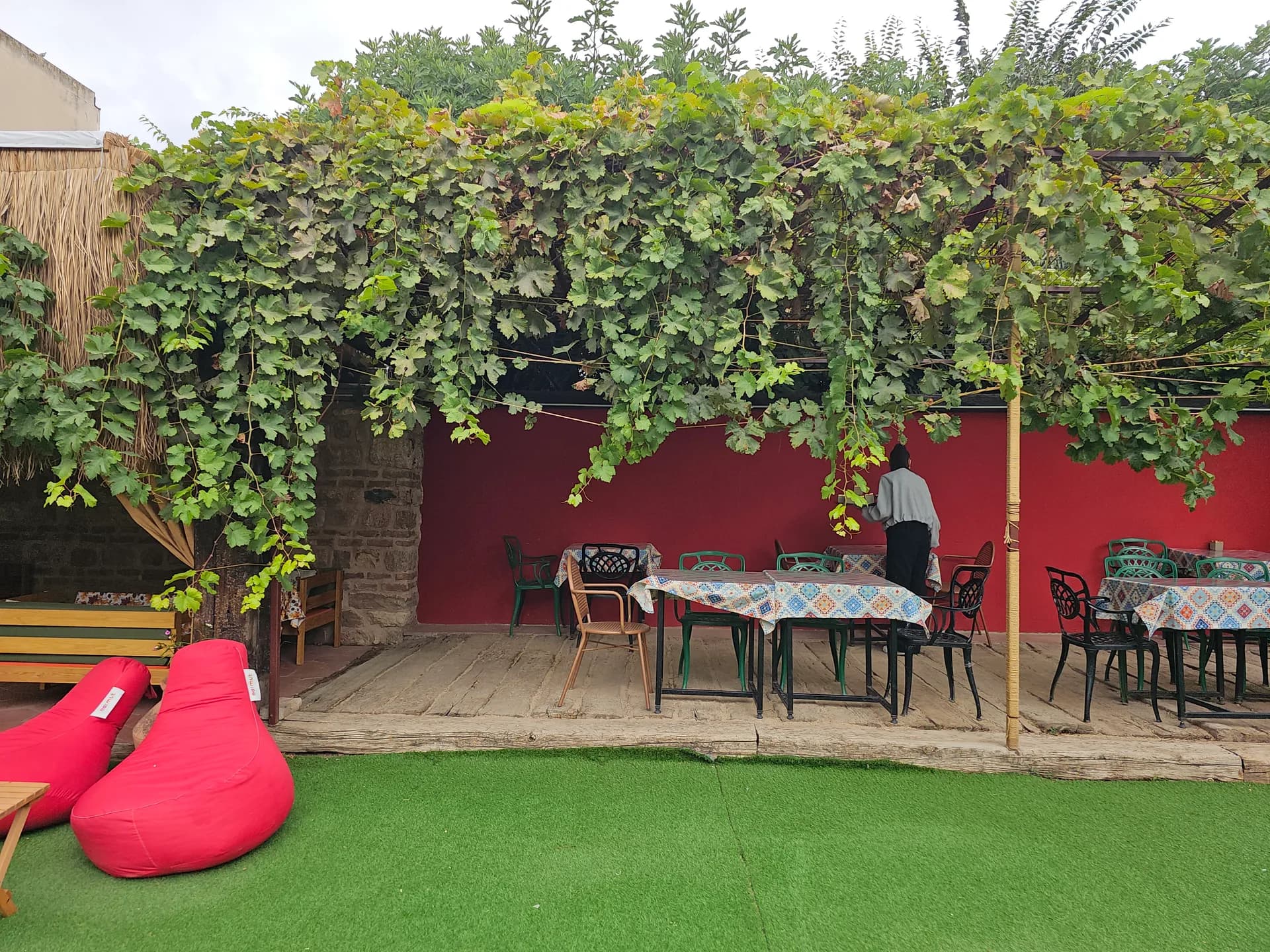
A generous Turkish breakfast spread in the garden
The Lausanne Monument and Square were completed in 110 days and opened on 19 July 1998 by the then President, Süleyman Demirel.
3. The Museum of the National Struggle and Lausanne
The museum (Milli Mücadele ve Lozan Müzesi) is on Trakya University's Karaağaç Campus, within the Faculty of Fine Arts. Its founding took a long time:
- 1996: The idea of a Lausanne Museum first emerges, taking shape alongside the names "Lausanne Monument", "Lausanne Square" and "Lausanne Museum".
- End of 2014: As the Faculty of Fine Arts needs more space, the museum moves; its collection is transferred to the current building.
- 29 January 2015: By decision of the University Senate, the museum is renamed the "Museum of the National Struggle and Lausanne".
- 19 April 2016: The museum reopens to visitors, enriched with information, documents and materials and with a renewed display.
As its name suggests, the museum covers not only Lausanne but also the period of the National Struggle (the Turkish War of Independence). Among Edirne's museums it has the most unusual location; for the city's other museums, see our guide to Edirne's museums.
4. The Historic Karaağaç Railway Station
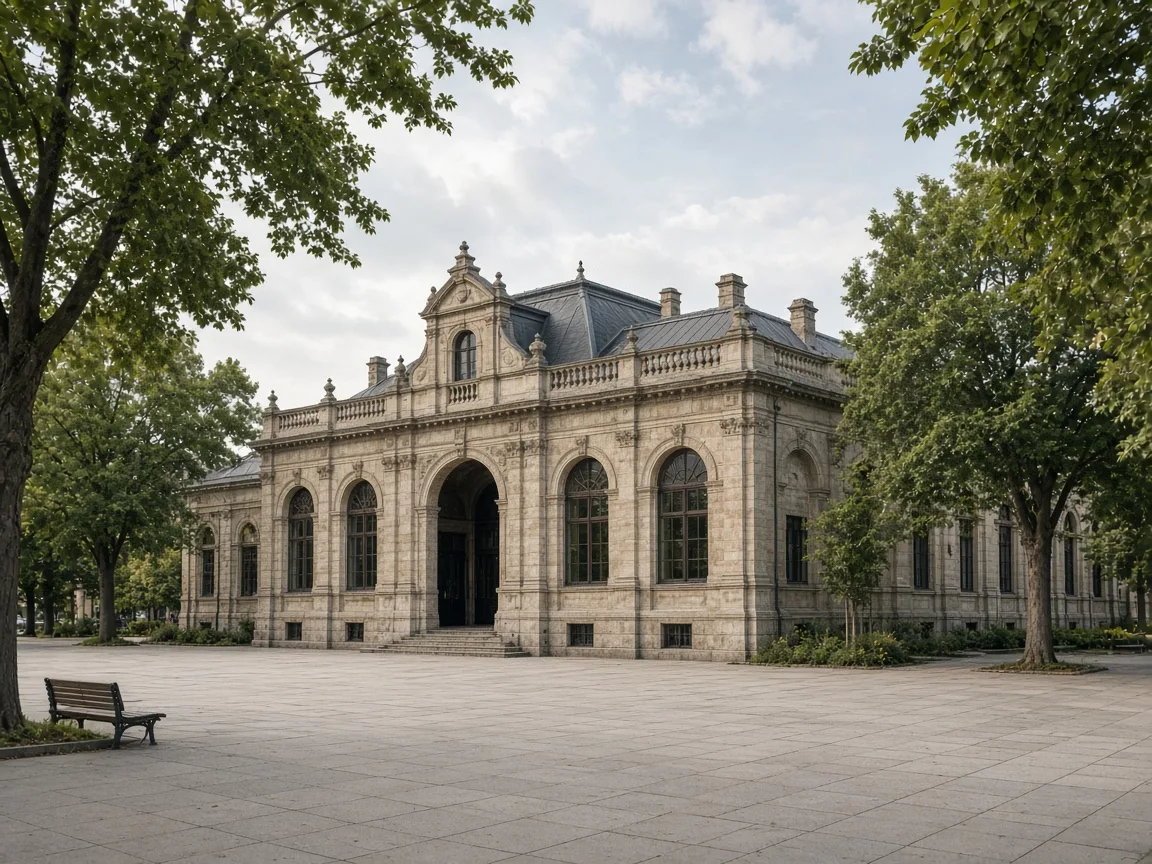
"Karaağaç Station", transferred at Lausanne as part of the reparations settlement, is the key building in the district's history. The historic station building was allocated to Trakya University in 1977 and is used by the university today. The building is the most tangible reminder of the district's railway past.
It is also interesting architecturally: the long-fronted building, which carries the character of the station buildings of its time, stands at the heart of the campus.
5. Söğütlük Millet Bahçesi
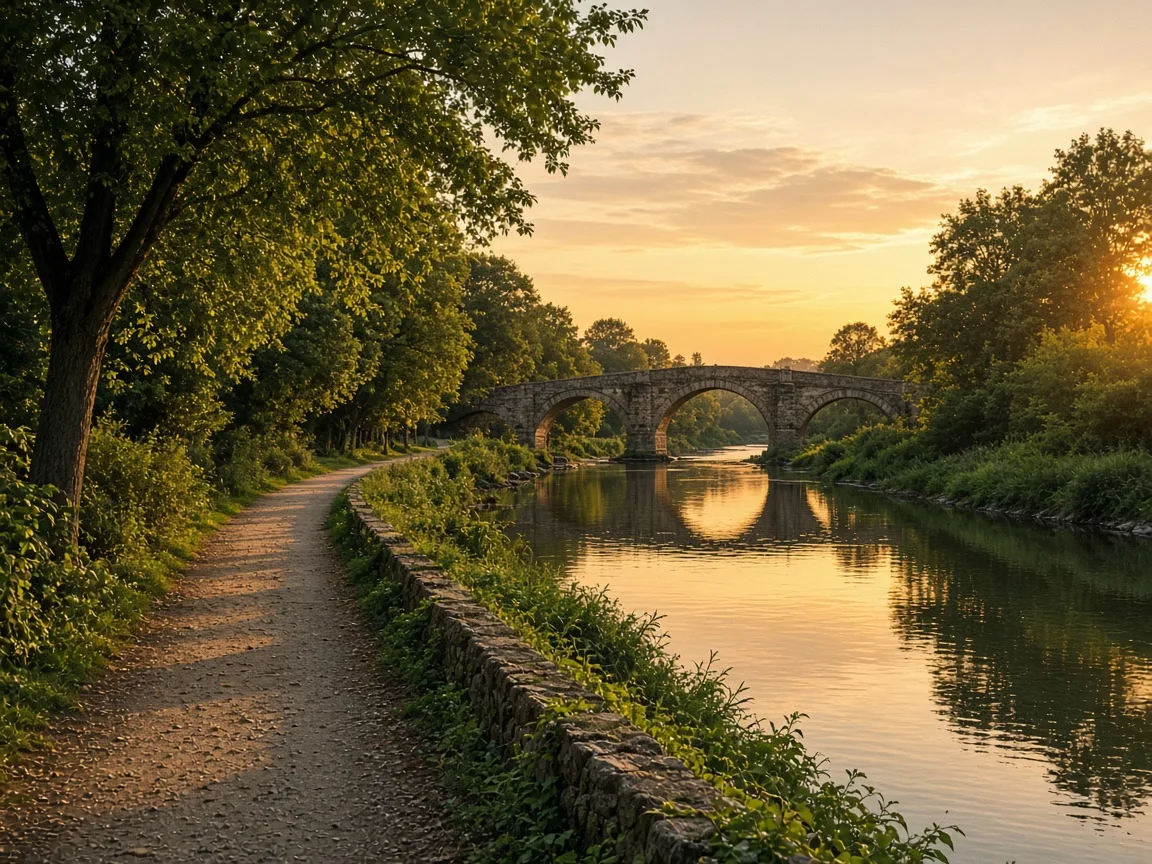
This area on the Karaağaç road (Lozan Caddesi) is the natural complement to a visit to the district. Long known as the "Söğütlük Urban Forest", it was turned into the Söğütlük Millet Bahçesi through a comprehensive redesign and opened on 2 June 2025.
The figures show how large it is:
- 515 dönüm (about 51.5 hectares) in total, of which 410 dönüm is green space
- A walking trail of about 10 kilometres on natural ground
- A cycle path of about 5 kilometres, partly along the Meriç and partly through the woods
- A 1-kilometre walkway paved with granite
- A 750-metre seating and walking area on the Meriç bank, and a 1,250-metre terraced layout on the opposite bank
- 64 fountains
The area is open from 06.00 in the morning; inside are sports pitches, children's playgrounds, open-air tea gardens, a library and terraced seating. It is about 2 kilometres from the centre. In its first months it welcomed more than 2 million visitors.
A Half-Day Karaağaç Route
1. Centre → Meriç Bridge: A 20–25 minute walk. 10 minutes on the bridge. 2. Bridge → Trakya University Karaağaç Campus: A short walk. See the Lausanne Monument and Square. 3. Museum of the National Struggle and Lausanne: 45–60 minutes. 4. Historic station building: On the campus, 15 minutes. 5. Söğütlük Millet Bahçesi: A 45-minute walk along the riverbank and a break at an open-air tea garden. 6. Return: Back to the centre the same way.
This route fits the third day of a three-day programme very well; for details, see our Edirne in three days guide. To decide how many days you need, our how many days to spend in Edirne article will help.
Practical Tips
- Getting there: As it is close to the centre, you can walk; it is also reachable by city transport.
- Duration: Half a day is enough. If you plan a long walk at Söğütlük, allow a full day.
- Museum hours: Because it is part of the university, visiting hours may change; it is best to confirm before you go.
- Season: As the visit is mostly riverside and green space, May–June and September–October are the best times. In September the average temperature is 20.2 °C and there are 4.7 rainy days (Turkish State Meteorological Service, 1930–2025). Details are in our best time to visit Edirne article.
- Footwear: Most of the Söğütlük trail is natural ground; trainers are a must.
- Children: Söğütlük has children's playgrounds; see our family travel guide to Edirne.
Location and Getting There
As Karaağaç is close to the centre, staying in the centre makes this trip easier: you can walk to the Meriç Bridge and cross into the district.
On our location in Kaleiçi, Edirne (Google Maps) you can measure the distance to the Meriç Bridge and Karaağaç. A central Edirne konaklama (stay) lets you complete this half-day route without tiring yourself out; for options, see our stay in a historic Kaleiçi konak page and our advantages of staying in Kaleiçi article. If you are coming from out of town, our how to get from Istanbul to Edirne article shows the way.
Frequently Asked Questions
Where is Karaağaç?+
It lies to the southwest of Edirne, on the west bank of the Meriç River. It is reached from the centre by crossing the Meriç Bridge and is the only part of Türkiye west of the Meriç. South-west of the city, on the far bank of the Meriç, and the only part of Türkiye on that side of the river. You reach it by crossing the Meriç Bridge.
Why is Karaağaç associated with Lausanne?+
During the Treaty of Lausanne negotiations, the question of war reparations was settled by leaving the Karaağaç area and its railway station to Türkiye. The area was officially handed over on 15 September 1923. The monument stands here because of that settlement.
When did the Lausanne Monument open?+
The Lausanne Monument and Square were completed in 110 days and opened on 19 July 1998. On that July date, after a short build of a few months. It is a monument and a square, so do not look for a ticket desk as if it were a museum.
Where is the Museum of the National Struggle and Lausanne?+
On Trakya University's Karaağaç Campus, within the Faculty of Fine Arts. The museum opened to visitors under its current name on 19 April 2016. Ask for the campus, not for a shop on the high street.
What is the Karaağaç railway station used for today?+
The historic station building was allocated to Trakya University in 1977 and is used by the university today. The university has had the building since the late nineteen-seventies and still uses it. Do not come here to buy a train ticket.
What is there at Söğütlük Millet Bahçesi?+
On its 515 dönüm site there is a walking trail of about 10 km, a 5 km cycle path, 64 fountains, children's playgrounds, sports pitches and open-air tea gardens. It opened on 2 June 2025. It is new, so expect made paths rather than an untouched grove.
How long does a visit to Karaağaç take?+
Half a day is enough for the monument, the museum and the station building. If you plan a long walk at Söğütlük, allow a full day. A long walk at Söğütlük turns it into a full day, so decide before you leave the centre.
How do you get to Karaağaç?+
From the centre, walk across the Meriç Bridge (20–25 minutes) or take city transport. It is the next district, not a lane behind the mosque.
Which season is best to go?+
As it is mostly an open-air visit, May–June and September–October are the best times. Late spring and early autumn, because most of what you do is outdoors. High summer and deep winter are the harder ends of the year.
When was Karaağaç officially handed to Türkiye?+
On 15 September 1923, under the Treaty of Lausanne, as part of the settlement of war reparations. It is described as the only part of Türkiye lying west of the Meriç. The Lausanne Monument opened on 19 July 1998, and the Museum of the National Struggle and Lausanne dates from 2016.
You may also like: Accommodation, Breakfast, Events.