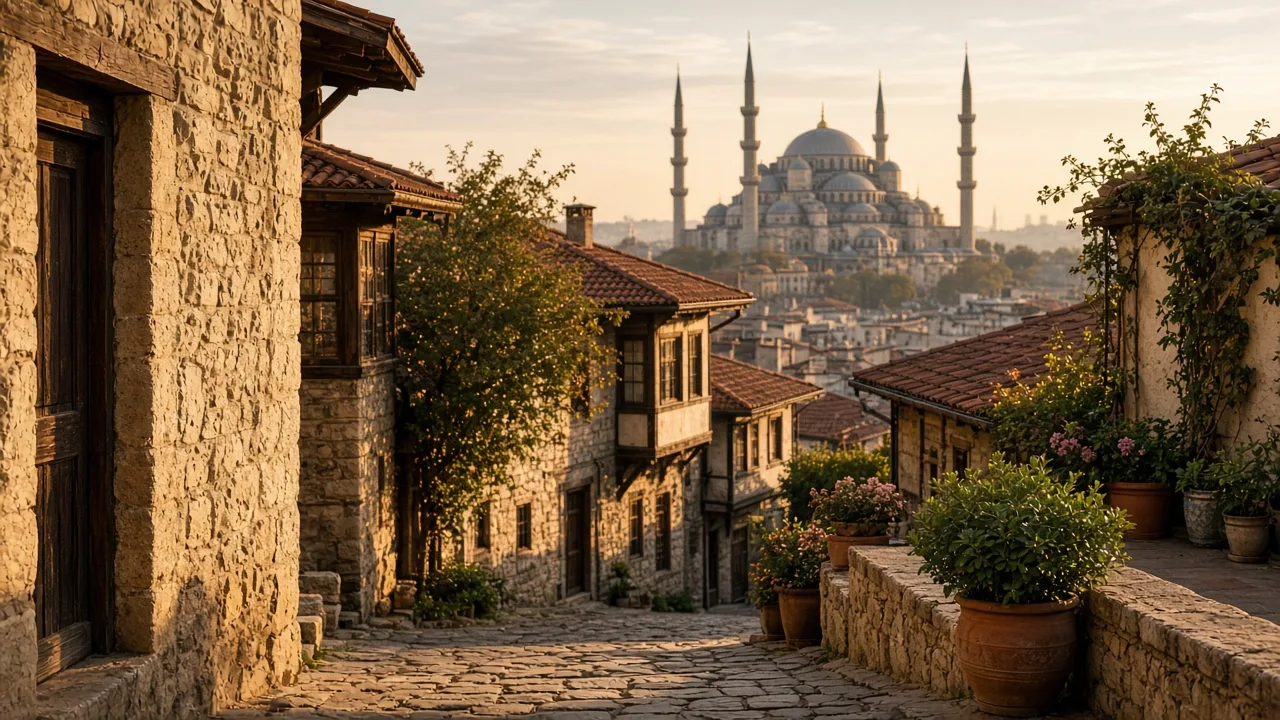
Edirne in 3 days: Selimiye and the great mosques, the Tunca complex and bridges, then Karaağaç and museums. Follow an hour-by-hour plan with walking distances.
Three days in Edirne are just right for exploring three separate layers of the city at a relaxed pace: on day one the monumental mosques in the centre and Kaleiçi, on day two the complex, historic bridges and Sarayiçi on the Tunca bank, and on day three Karaağaç and the museums across the Meriç. Below you will find an hour-by-hour plan for each day, concrete facts about the stops and walking distances.
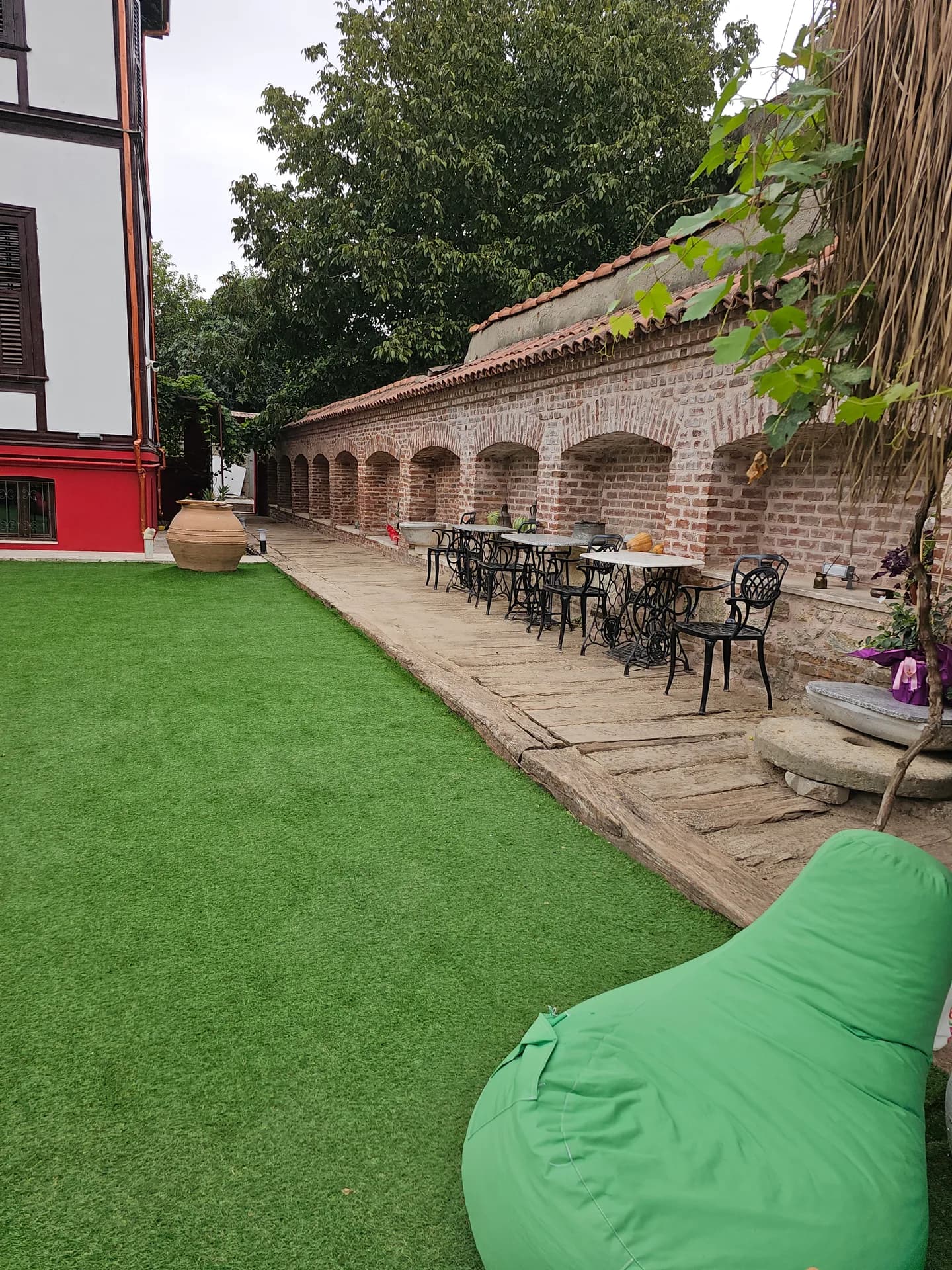
Café & Restaurant
Coffee, desserts and a relaxing break
The advantage of three days is not having to rush. The centre can be seen in two days; the third day creates breathing room for Karaağaç, the museums and the riverside. The plan below assumes you are staying in the centre.
Quick Overview
| Day | Area | Highlights |
|---|---|---|
| Day 1 | Centre, Kaleiçi | Selimiye, Üç Şerefeli, Old Mosque, bazaars |
| Day 2 | Tunca bank | Health Museum, historic bridges, Sarayiçi |
| Day 3 | Meriç, Karaağaç | Meriç Bridge, Lausanne Museum, City Museum |
| Pace | 5–7 km of walking a day | Central stops within walking distance |
| Best season | May–June, September–October | Mild weather, little rain |
Day 1: The Three Mosques in the Centre and Kaleiçi
Edirne has a saying: "The calligraphy of the Old Mosque, the gate of Üç Şerefeli, the structure of Selimiye." On day one we visit exactly these three buildings.
09:00 — Selimiye Mosque and Complex
The building Mimar Sinan called his "masterpiece" was completed in 1574 and built in the name of Sultan Selim II. It was added to the UNESCO World Heritage List in 2011 (list no. 1366); the decision was taken under criteria (i) and (iv) at the 35th session of the World Heritage Committee on 19–29 June 2011.
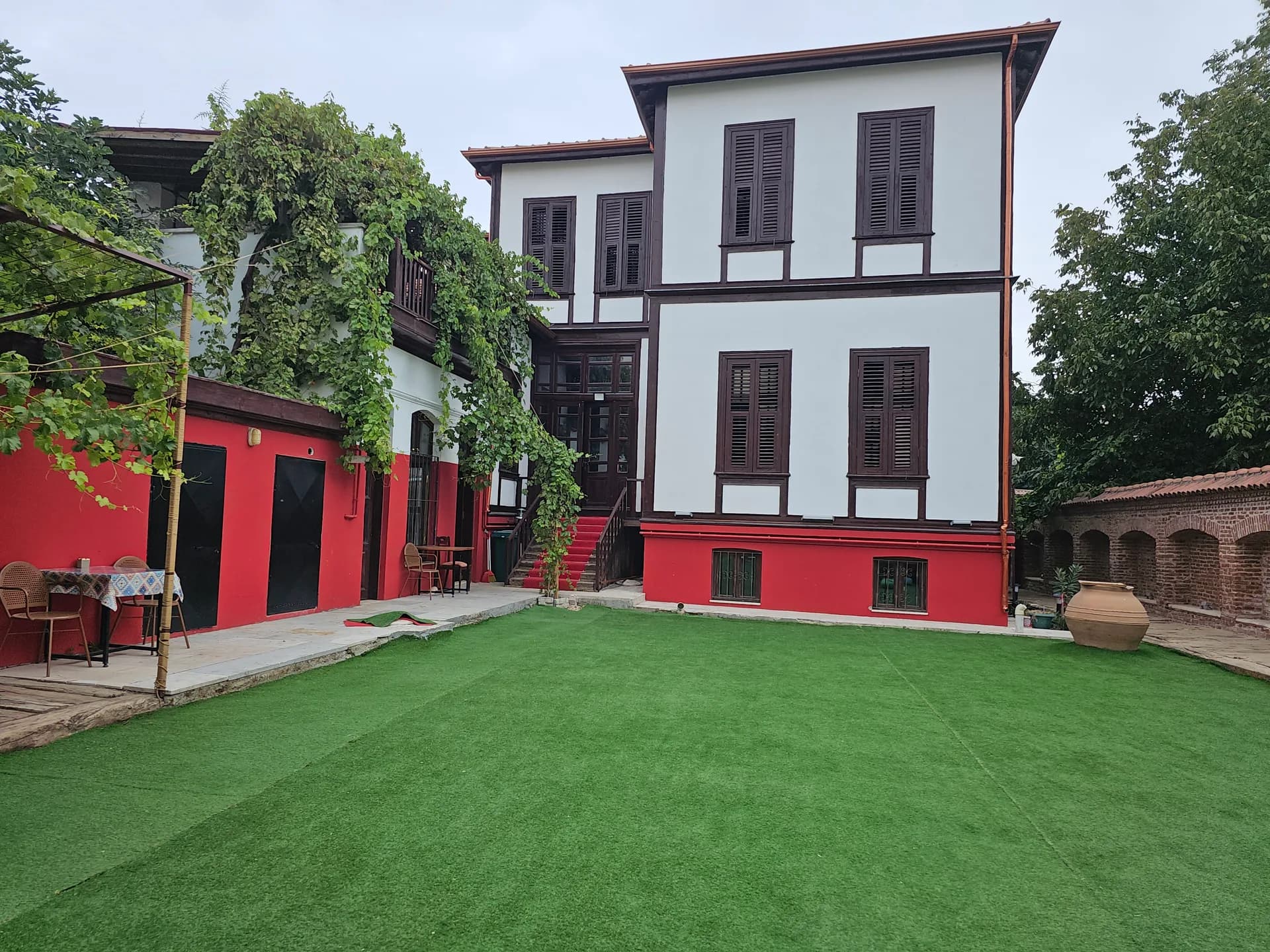
Stay
Stay in Edirne Kaleiçi with breakfast included
The figures explain why the building matters so much: the dome is about 31.3 metres in diameter and 43.28 metres high; the four minarets are 70.89 metres, reaching about 85 metres with their finials. The shaft diameter of the minarets is only 380 centimetres — in other words, this height is carried by an extremely slender shaft. The north-east and north-west minarets each have three balconies, and each balcony is reached by its own staircase, none of which can see the others.
The complex is not just a single mosque: the arcaded inner courtyard, the outer courtyard, madrasas, the arasta (covered bazaar), a primary school, a library and a timekeeper's room form a whole. For a detailed visit, see our Selimiye Mosque visiting guide.
10:30 — Museum of Turkish and Islamic Arts
It is housed in the madrasa building of the Selimiye complex, so you move into the museum without leaving the courtyard. Ottoman-period works are on display, and the section reflecting Ottoman water culture is especially interesting. As it belongs to the Ministry, the MüzeKart (museum pass) is valid.
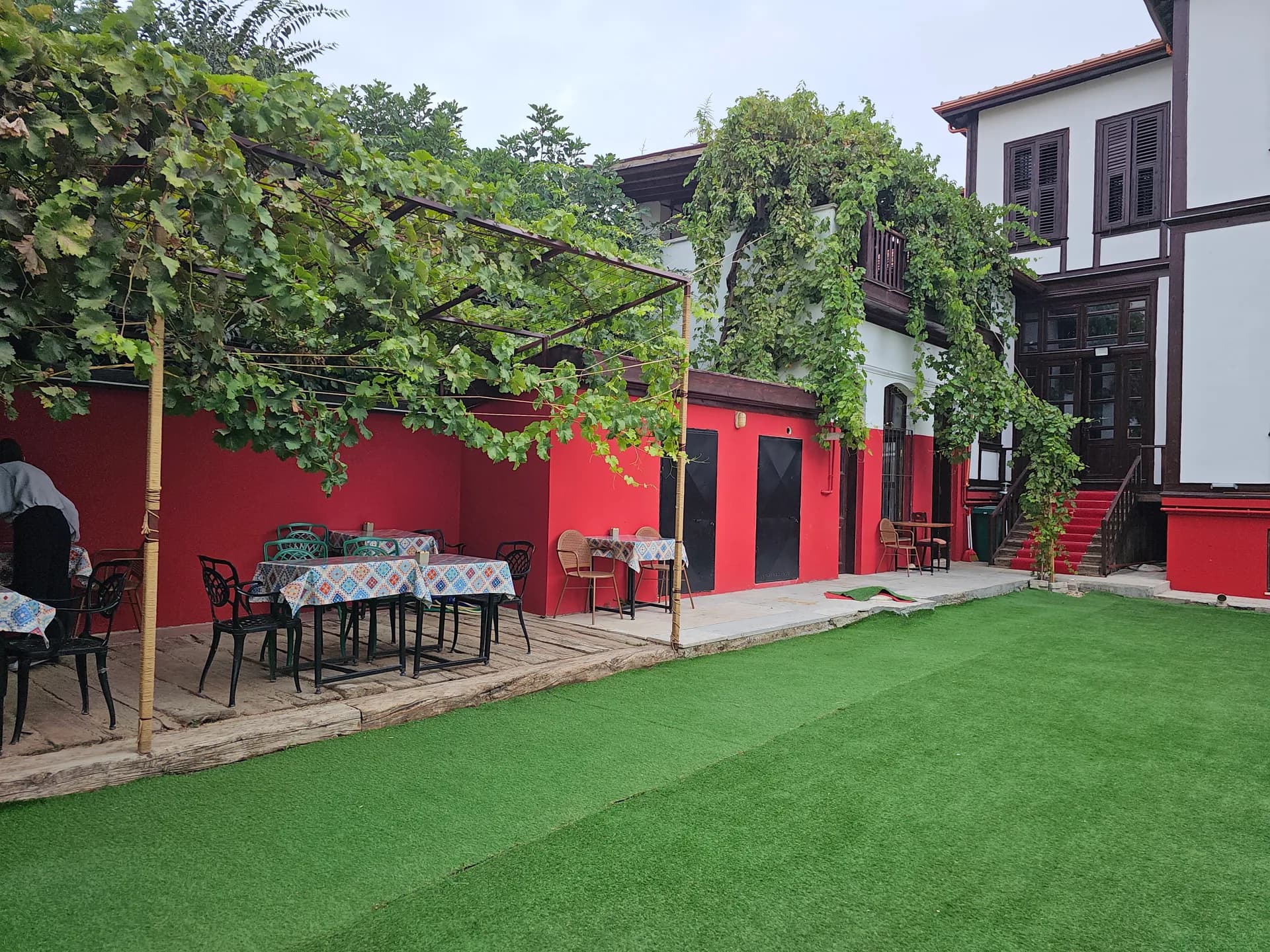
Events
Engagements, small weddings and private celebrations
11:15 — Edirne Museum (Archaeology and Ethnography)
Right next to Selimiye. Construction began in 1969, and it opened on 13 June 1971. Address: Meydan Mah. Kadirpaşa Mektep Sok. No: 7. It consists of two indoor sections and a garden display; terracotta and glass pieces, stelae, jewellery and coins from excavations in Thrace are on show.
13:00 — Lunch and the Üç Şerefeli Mosque
The Üç Şerefeli Mosque was built by Murad II between 1438 and 1447. The minaret that gives it its name is 67.62 metres high; until Selimiye was built it was the tallest Ottoman minaret. Its most interesting feature: its three balconies are reached by 203 steps, via three separate staircases that cannot see one another. This arrangement later influenced Selimiye too.
With a dome of about 24 metres in diameter, the building had the largest Ottoman dome of its time, and it contains the first large arcaded courtyard in Ottoman architecture. Its four minarets are of different heights and patterns (spiral, fluted, lozenge). It was damaged in the 1752 earthquake and repaired in 1763.
Breakfast
A generous Turkish breakfast spread in the garden
15:00 — The Old Mosque
It was built between 1403 and 1414; construction was begun by Emir Süleyman, son of Yıldırım Bayezid, and completed by Çelebi Sultan Mehmed. It is one of the important examples of the multi-domed great mosque type and stands right in the city centre. The reason it is remembered for its "calligraphy" in the saying is the large-scale calligraphic inscriptions inside. For details of both mosques, see our Üç Şerefeli Mosque and Old Mosque guide.
16:00 — Bazaars and Kaleiçi
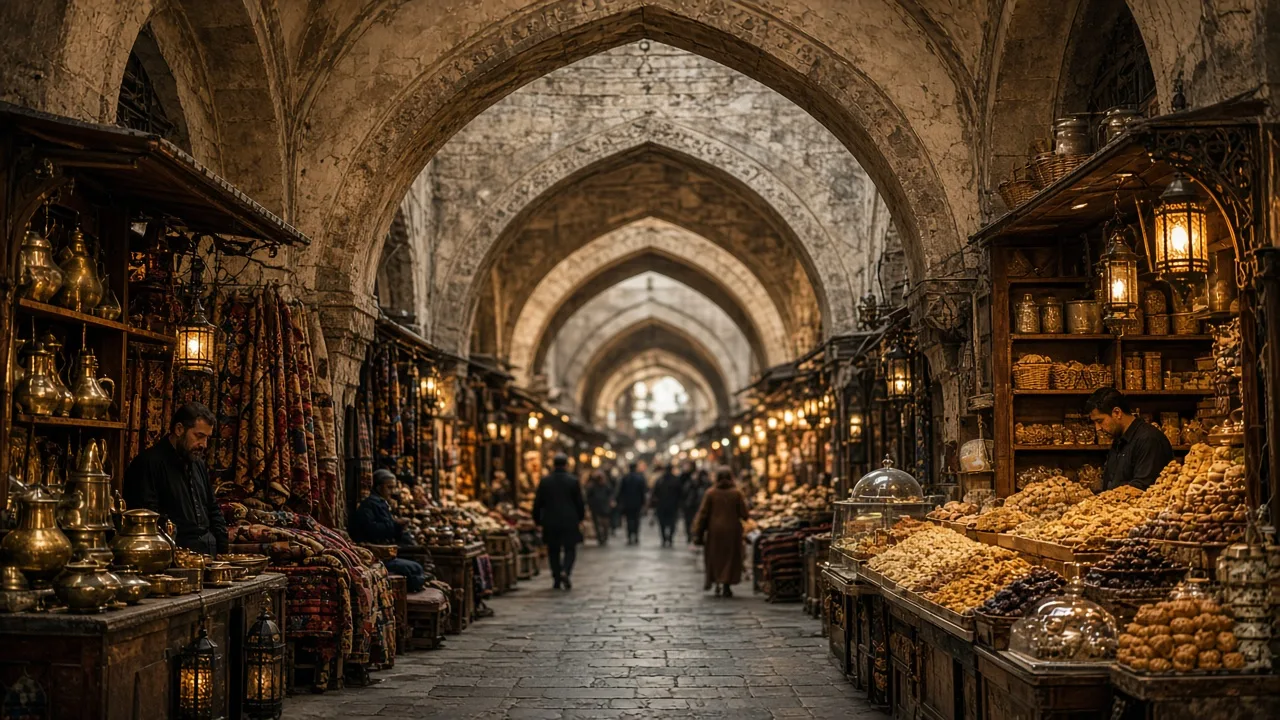
From the historic bazaars around the Old Mosque, move on to Saraçlar Caddesi (Saddlers' Street) and from there to Kaleiçi. Kaleiçi is the city's first settlement core; with an area of about 26 hectares and 160 blocks, it is made up of grid streets crossing at right angles. This layout is the product of the development plan applied in 1908, after the Great Edirne Fire of 2 September 1905. For shopping, our historic bazaars of Edirne and what to buy post, and for the evening our Edirne dinner guide, will point the way.
Day 2: The Tunca Bank, Bridges and Sarayiçi
On day two we move to the west of the city, along the Tunca River.
09:30 — Sultan Bayezid II Complex Health Museum
The strongest stop of the day. The complex was built by Sultan Bayezid II in 1488 in the Yeniimaret district, on the bank of the Tunca; it consists of a darüşşifa (hospital), a medical madrasa, a mosque, a soup kitchen, a guesthouse and storerooms. The darüşşifa went down in history as an institution where mental and nervous illnesses were treated with music and the sound of water.
The complex was transferred to Trakya University in 1984; the darüşşifa section opened as a museum on 23 April 1997 and won the Council of Europe Museum Prize for 2004. It is one of two museums from Türkiye to have received this prize. As it belongs to the university, the MüzeKart is not valid, and a separate ticket is required. For details, see our Edirne Health Museum guide. Allow 1–1.5 hours for this stop.
11:30 — Historic Bridges
The bridges over the Tunca are among Edirne's least-known treasures:
- Gazi Mihal Bridge: Its origins go back to the Byzantine period; it was repaired by Gazi Mihal in the 15th century. According to Highways measurements, it is 184.18 metres long and 5.90 metres wide, with 16 arches spanning 8.50 metres. It was ruined in the 1752 earthquake and repaired under Mustafa III; the visible structure today largely dates from the reign of Abdülhamid II. When Evliya Çelebi passed through Edirne in 1653, he described this bridge as unrivalled in length and width.
- Saraçhane Bridge: Also known as the Şahabettin Paşa or Horozlu Bridge. It was built in 1451 by Şahabettin Paşa, Governor-General of Rumelia; it is 120 metres long, 5 metres wide and has 12 arches. Its central arch collapsed in 1702; in 1706, under Mustafa II, it was repaired and extended by 50 metres.
If you would like to extend your riverside walk, our Meriç and Tunca river walking route post sets out the route in detail.
14:00 — Sarayiçi
Sarayiçi, near the Saraçhane Bridge, is home to the arena where the Historic Kırkpınar Oil Wrestling takes place. The Kırkpınar Oil Wrestling Festival was inscribed on UNESCO's Representative List of the Intangible Cultural Heritage of Humanity in 2010. The same area is where the Kakava bonfire is lit every year on the evening of 5 May. For details, see our Sarayiçi and Kırkpınar guide.
16:00 — Hıdırlık Redoubt (Balkan History Museum)
On a hill overlooking the city, built between 1886 and 1888, it is the city's largest redoubt. It has 18 artillery rooms, a 120-metre tunnel and 4 gallery rooms. Today it serves as the Balkan History Museum; its view is also ideal for closing the day.
Day 3: Crossing the Meriç — Karaağaç and the Museums
09:30 — Meriç Bridge
It is also known as the Mecidiye or New Bridge. Construction began in 1833 under Mahmud II but was left unfinished for financial reasons; today's bridge was completed by his son Sultan Abdülmecid between 1842 and 1847. According to the Kültür Portalı, it is 263 metres long, 7 metres wide and has twelve arches; Edirne Governorship data also record eleven relief openings above the piers. It is the latest of Edirne's bridges.
The bridge's original inscription was destroyed during the occupation period; today's inscription was written faithfully to the original by the calligrapher Mustafa Uğur in 1966. A note: until the 19th century the Meriç was used as a waterway reaching the Aegean Sea, and cut-stone quays were built on both banks of the bridge for ships to moor.
10:30 — Karaağaç and the National Struggle and Lausanne Museum
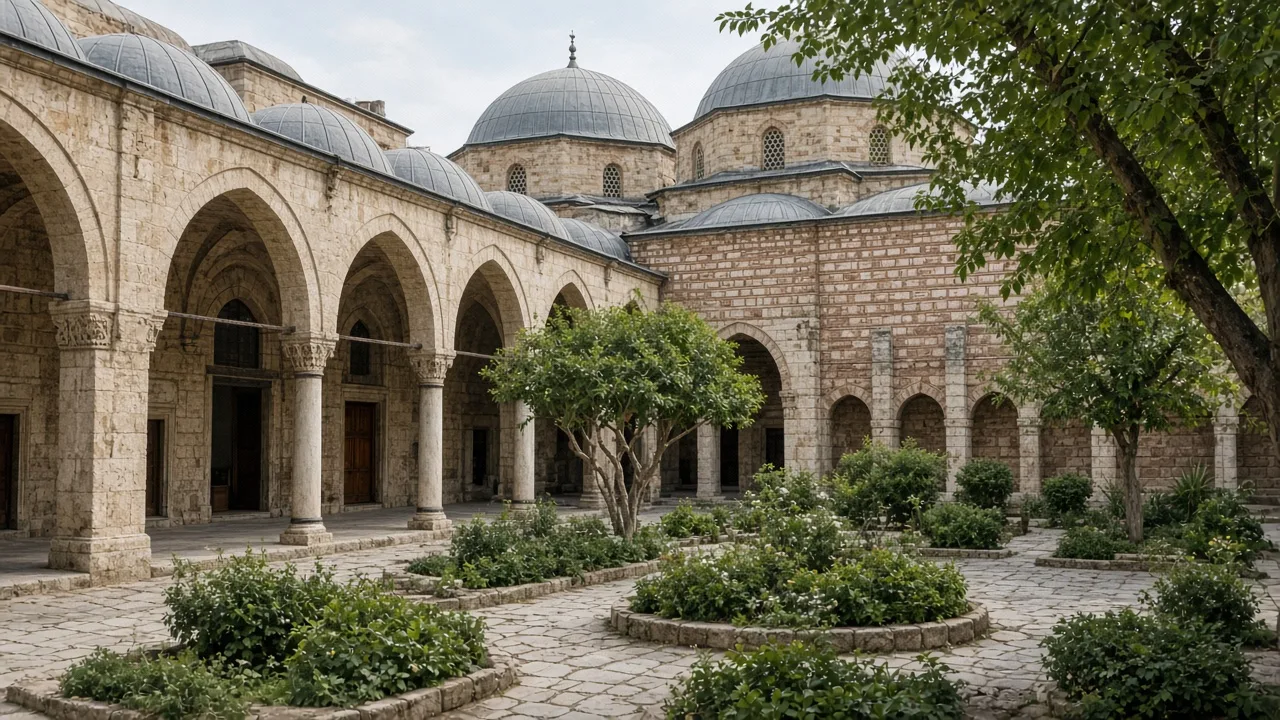
Once over the bridge you arrive in Karaağaç. The museum is on Trakya University's Karaağaç Campus, within the Faculty of Fine Arts. The Lausanne Monument and Square on the campus was completed in 110 days and opened on 19 July 1998. The museum's name was set as the "National Struggle and Lausanne Museum" by a Senate decision dated 29 January 2015, and it opened to visitors with its renewed display on 19 April 2016. For a tour of the area, see our Karaağaç travel guide.
13:30 — Edirne City Museum
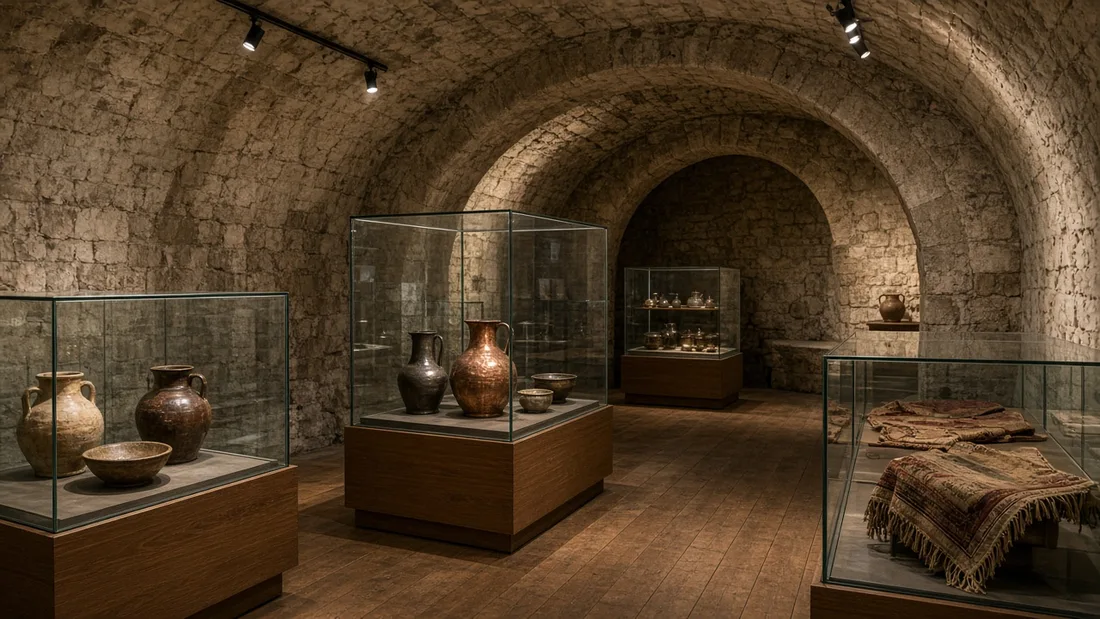
Return to the centre and pull the city's story together. The museum is housed in the historic Hafız Ağa Mansion; in the early 20th century this building was used as a secret branch of the Committee of Union and Progress. The display tells Edirne's story chronologically from the Neolithic period to the present, using three-dimensional silicone figures, digital screens and interactive touch panels. Address: Hacı Hasan Sokak, Babademirtaş Mahallesi.
15:30 — Remaining museums or free time
There are 17 museums operating in Edirne (TÜİK 2025 Cultural Heritage Statistics). Depending on your interests, you can add the Necmi İğe House Ethnography Museum, the Hasan Ali Yücel Children's Museum or the İlhan Koman Sculpture and Painting Museum. The full list is in our Edirne museums guide.
Location and Getting There
This three-day plan assumes you are staying in the centre, because all of day one and the start of day two are within walking distance. You can measure the distances to the stops via our location in Kaleiçi, Edirne (Google Maps). A central edirne konaklama saves real time on a plan where you walk an average of 5–7 kilometres a day; for options, see our historic mansion stay in Kaleiçi page. If you are coming from outside the city, our how to get from Istanbul to Edirne post explains the transport.
Frequently Asked Questions
Can you see Edirne in 3 days?+
Yes, three days is ideal for a relaxed pace. On day one you can comfortably see the mosques in the centre and Kaleiçi, on day two the Tunca bank and Sarayiçi, and on day three Karaağaç and the museums. Keeping each day in one part of the city means you walk a neighbourhood rather than crossing Edirne twice. Leave a little slack after lunch so a slow museum visit does not push the last stop into dusk.
Where should you start on the first day?+
At the Selimiye Mosque. The Museum of Turkish and Islamic Arts and the Edirne Museum next to it can be combined in the same walk. Do those three before lunch, while energy is high, and leave the bazaars for later, when you want to wander. Starting elsewhere is how the morning cluster slips.
When was Selimiye added to the UNESCO list?+
In 2011. It was inscribed with list number 1366 at the 35th session of the World Heritage Committee on 19–29 June 2011. You do not need the session details to enjoy the courtyard, but the year is the fact people ask about when they stand in front of the mosque. Hold on to that, and let the rest of the inscription history wait.
How tall is the minaret of the Üç Şerefeli Mosque?+
67.62 metres. Until Selimiye was built it was the tallest Ottoman minaret, and its three balconies are reached by 203 steps via three separate staircases that cannot see one another. You can take in the height from the courtyard without climbing. If you do go up, the separate staircases are the detail to notice; they are why the balconies feel unusual.
Is the MüzeKart valid at the Health Museum?+
No. As the museum belongs to Trakya University, a separate ticket is required. The MüzeKart is valid at the Ministry-run Edirne Museum, the Museum of Turkish and Islamic Arts and the Hıdırlık Redoubt. On the day you go to the Health Museum, budget a separate ticket even if the card has already covered the museums in the centre. Check before you walk out, so the extra payment is not a surprise at the door.
How long is the Meriç Bridge?+
According to the Kültür Portalı, it is 263 metres long, 7 metres wide and has twelve arches. It was built by Sultan Abdülmecid between 1842 and 1847. The length is a stroll, not a hike, so it fits beside the rest of the day without taking the whole afternoon. Walk across once for the view over the river, then carry on.
How much do you walk per day over three days?+
An average of 5–7 kilometres. As the central stops are close to each other, the walking is not tiring; comfortable shoes are enough. Spread across a day of stops, that distance feels gentler than a single march, because you pause to look. Comfortable shoes and a sit-down meal are enough between the central mosques.
Which season should you go in?+
May–June and September–October are the most balanced periods. In September the average temperature is 20.2 °C and there are 4.7 rainy days. For details, see our best time to visit Edirne post. Those months keep three walking days pleasant. In hotter weather, put the longer outdoor stretch in the morning and leave the brighter courtyards for when you are glad of a pause.
How much will it cost?+
Accommodation, transport and museum entry vary; for an item-by-item calculation, see our how much does a trip to Edirne cost post. What you are pricing is nights in the centre, tickets where the card does not apply, and meals between the sights. Confirm the current figures before you travel, because those amounts change.
What should you see on the second day of a three-day trip to Edirne?+
Day two follows the bank of the Tunca, beginning at the Sultan Bayezid II Complex Health Museum in the Yeniimaret district, built in 1488. The darüşşifa there is remembered for treating mental and nervous illnesses with music and the sound of water, and the museum section opened on 23 April 1997. Later stops include the Gazi Mihal and Saraçhane bridges, Sarayiçi and the Hıdırlık Redoubt overlooking the city.
You may also like: Accommodation, Breakfast, Events.