Why is Edirne white cheese special? The 2007 registration, origin name, 90-day ripening, storage and how to spot imitations, all in this guide. Read it now.
Edirne white cheese (Edirne beyaz peyniri) is a geographically indicated cheese made only from milk, rennet and salt, ripened in brine for at least 90 days and registered with the Turkish Patent and Trademark Office under number 93 since 23 October 2007. It is made from cow's, sheep's or goat's milk, on its own or mixed. Its colour is a slightly yellowish white, and its texture is semi-hard with no holes. In 2024 its registration type was changed from "geographical indication" (mahreç işareti) to "designation of origin" (menşe adı); this means that today every stage, from milking to sealing the tin, must take place within the borders of Edirne.
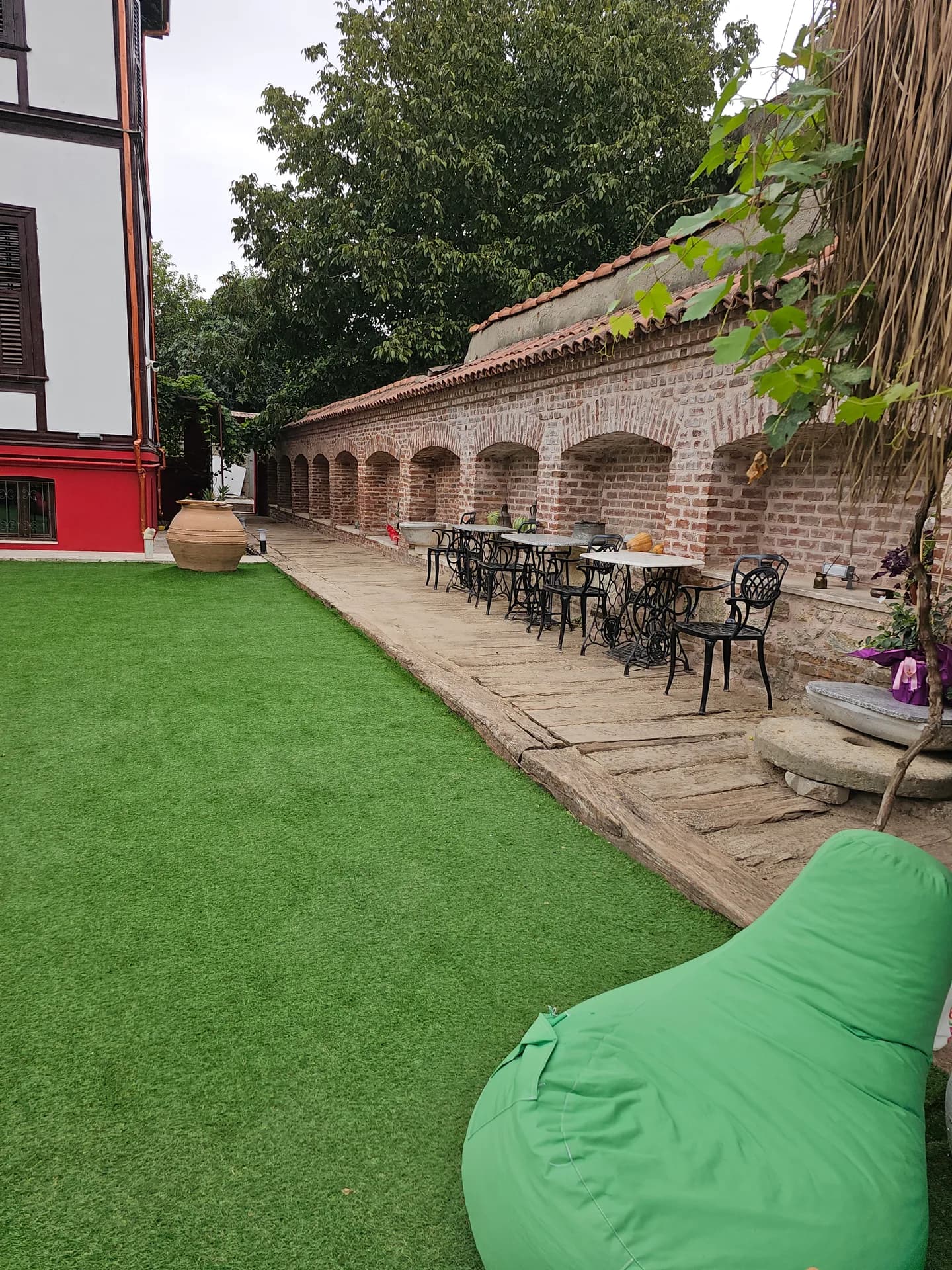
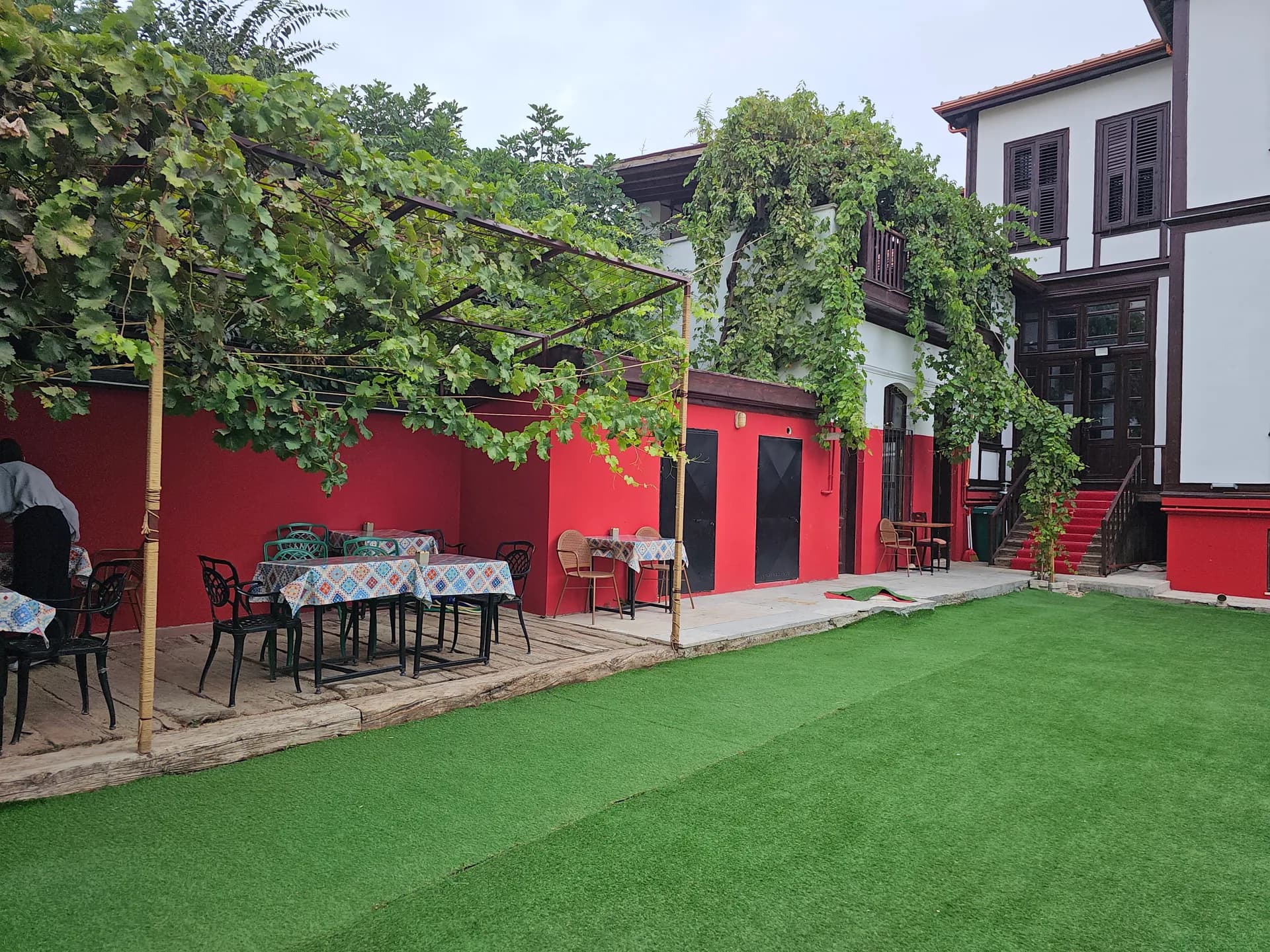
Café & Restaurant
Coffee, desserts and a relaxing break
It is often the first plate people reach for at the breakfast table. But the story of this cheese goes far beyond the plate, out to the plains of the Tunca and Meriç rivers.
Quick Overview
| Topic | Information |
|---|---|
| Registration no. / date | 93 / 23.10.2007 |
| Application | 10.05.2004, file no. C2004/005 |
| Registered by | Edirne Chamber of Commerce and Industry (ETSO) |
| Registration type | Designation of origin (by Bulletin no. 168 dated 01.03.2024) |
| Milk | Cow, sheep, goat; on its own or mixed |
| Ingredients | Only milk, cheese rennet, salt |
| Ripening | At least 90 days in cold storage at 2–4 °C |
| Structure | Full-fat, semi-hard, no holes |
| EU process | Applied on 26.12.2024, PDO-TR-03390 |
What Is Edirne White Cheese?
According to the Turkish Patent registry, Edirne white cheese is made by pasteurising fresh milk from dairy animals in Edirne province and its districts, then adding rennet, draining, moulding, salting in brine and ripening in cold storage. The distinguishing feature the registration emphasises is the ingredient list: nothing is used apart from milk, rennet and salt, with no additives or processing aids.
The registration document links the cheese's character to geography. The milk of animals grazing on the plains, pastures and meadows formed by the Tunca, Meriç, Arda and Ergene rivers, and on local herbs and thyme, gives the cheese its colour, aroma and flavour. The Turkish Traditional Cheese Inventory of the Ministry of Agriculture and Forestry also classifies the cheese as "full-fat, semi-hard, with a hole-free/smooth structure".
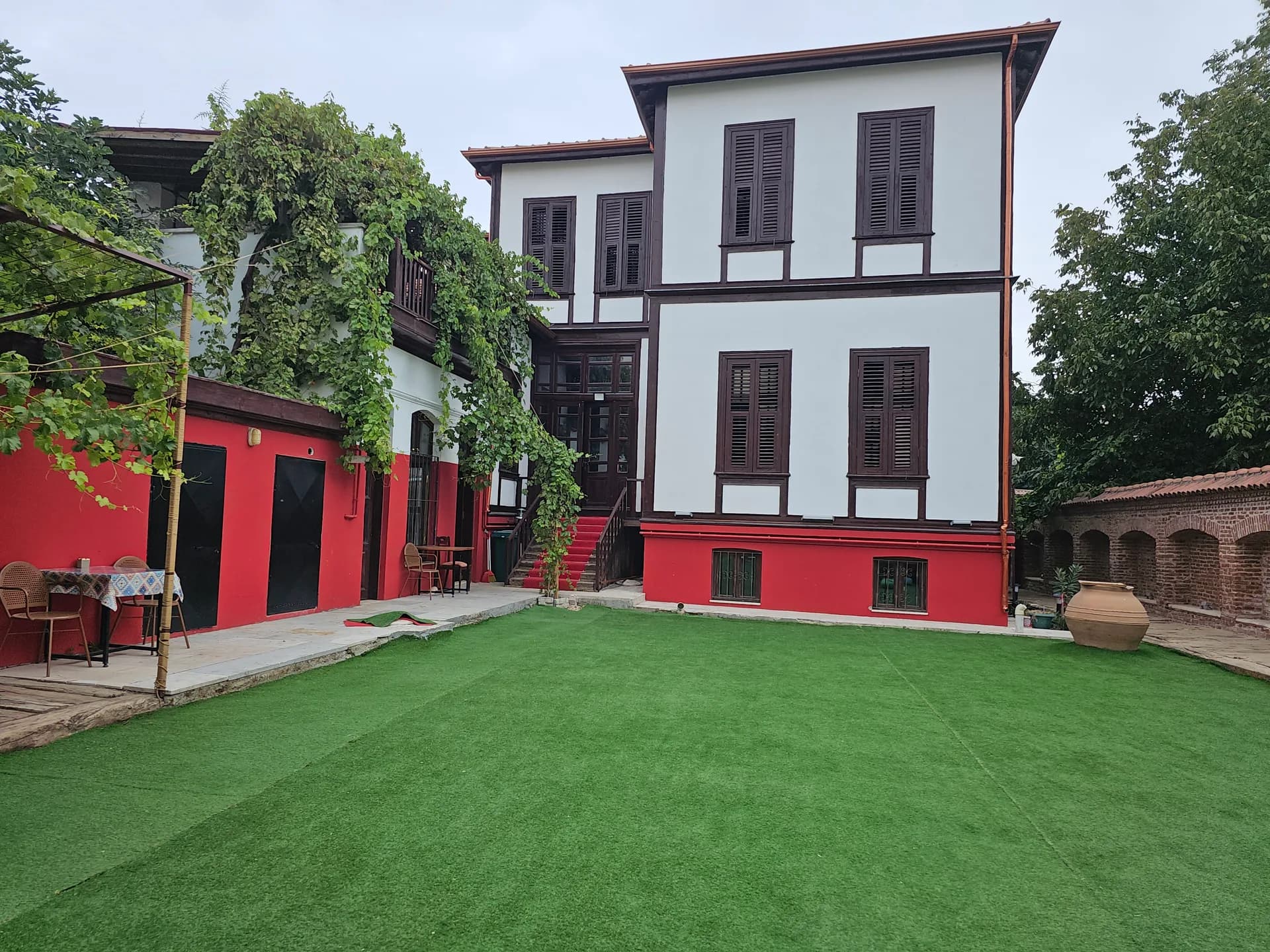
Stay
Stay in Edirne Kaleiçi with breakfast included
Edirne's relationship with cheese is not new. In 1968, a study by Ahmet Kurt titled "Processing Technique of Edirne-Type (Brined) White Cheese" was published in a technical bulletin of the Faculty of Agriculture at Atatürk University. In other words, "Edirne-type" has been used as the name of a production technique for half a century.
Geographical Indication: The 2007 Registration, the 2024 Designation of Origin and the EU Application
The registration process began with ETSO's application on 10 May 2004 and ended with registration number 93 on 23 October 2007. The first registration was a "geographical indication" (mahreç işareti). Under Industrial Property Law No. 6769, a geographical indication only requires at least one stage of production to take place in the region. A designation of origin, by contrast, requires production, processing and all other stages to take place within the geographical boundary.
ETSO's amendment application was published in Geographical Indication and Traditional Product Name Bulletin No. 168, dated 1 March 2024, and the registration became a "designation of origin". As a result, a cheese made with milk collected outside Edirne can no longer use the name "Edirne white cheese".
Events
Engagements, small weddings and private celebrations
The next step was Europe. ETSO applied to the European Commission on 26 December 2024. The application passed preliminary review and was recorded under number PDO-TR-03390. According to ETSO, this is the first application from Türkiye in the cheese category under the EU's Regulation 2024/1143, which entered into force on 13 May 2024. As of October 2026 the EU registration has not yet been concluded; the process is ongoing.
In 2026 the cheese also became the subject of a festival. The main theme of the 3rd From Soil to Table Edirne Gastronomy Festival, organised by the Edirne Governorship on 18–20 September 2026, was Edirne white cheese. According to press reports, the festival welcomed about 120,000 visitors over three days, and a 150-metre cheese table was set up.
What Milk Is Used, and How Is It Made?
The registration does not set a fixed ratio for the type of milk. Cow's, sheep's and goat's milk from the collection area within the geographical boundary can be used on its own or mixed. The milk is not skimmed, no water is added, and it contains no antibiotics or acidity-neutralising substances. That is why the question "what percentage is sheep's milk?" has no single answer. Each producer decides the ratio and states it on the label.
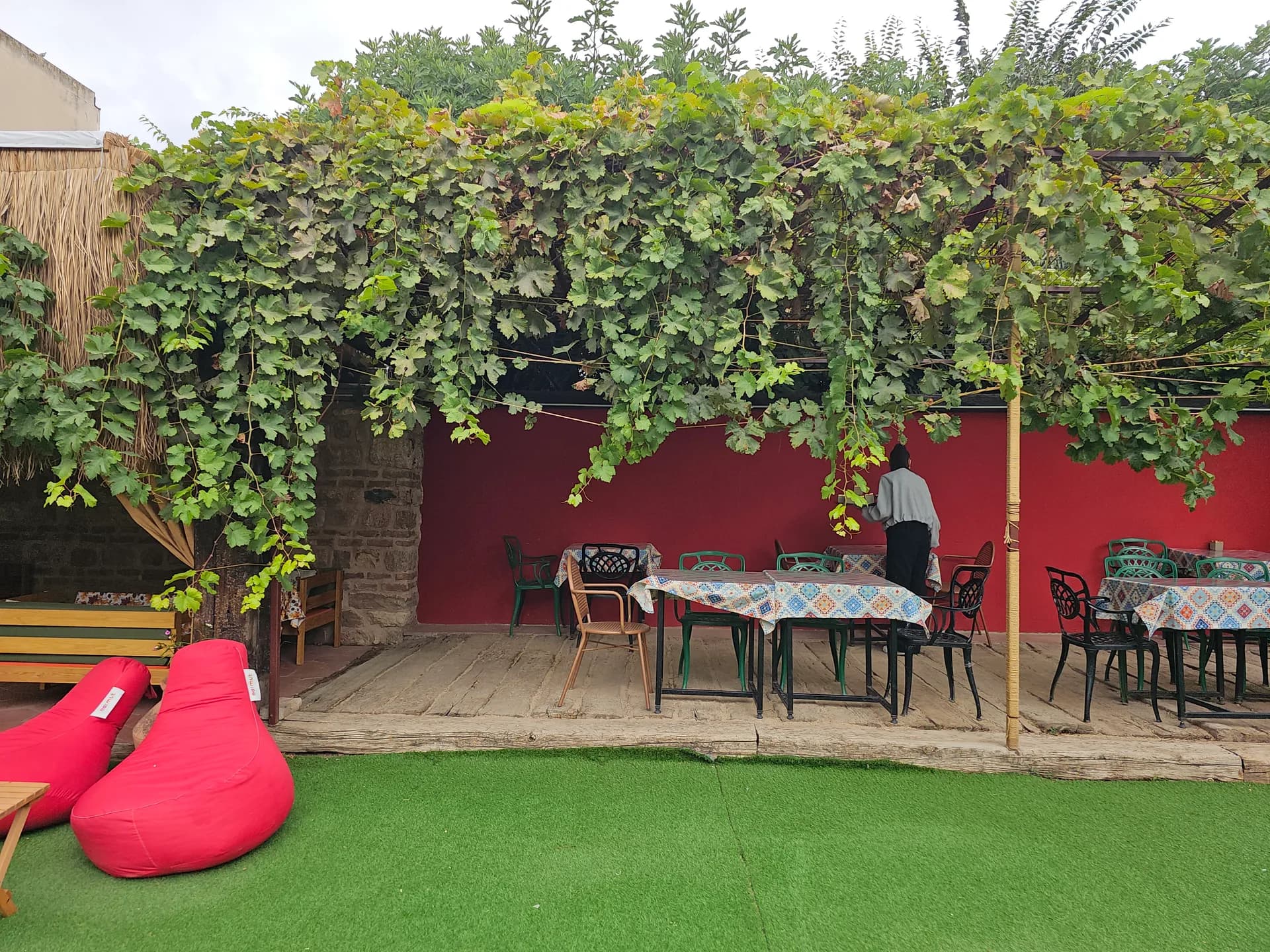
Breakfast
A generous Turkish breakfast spread in the garden
According to the registration text and the Traditional Cheese Inventory, production goes as follows:
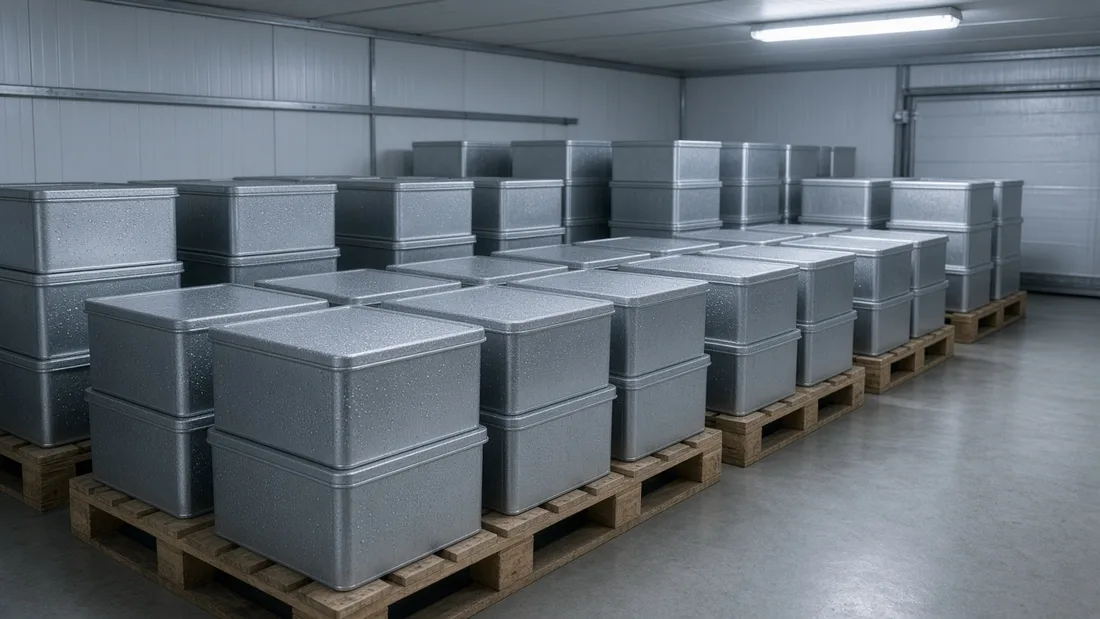
1. Pasteurisation: The milk is heated at 65–68 °C for 20–30 minutes. 2. Adding rennet: Animal rennet is added to milk cooled to 30–32 °C. The amount of rennet is adjusted so that coagulation takes about 1.5 hours. 3. Cutting the curd: The curd is cut into 1–2 cm pieces with curd knives. 4. Pressing: The curd is placed in a press cloth and pressed for 2–4 hours. The inventory gives 2–3 hours in summer and 3–4 hours in winter. Pressing time determines how firm the cheese will be. 5. Brine: The cheese, cut into blocks, is left in salted brine for 14–16 hours. Sources give the brine strength as 15–18 degrees Baumé. 6. Resting and tinning: Processed sea salt is sprinkled over the blocks, which rest for 1–3 days and are then packed into tins. Sources give the tin weight as 18 or 20 kg. 7. Ripening: Once the pH has dropped to about 4.7–5.0, the tins are sealed. The tins are kept in cold storage at 2–4 °C for at least 90 days.
At the end of this period the cheese goes on sale. The Traditional Cheese Inventory notes that production continues all twelve months of the year; so Edirne white cheese is not seasonal but available every month.
Taste and Texture: Fresh Versus Aged
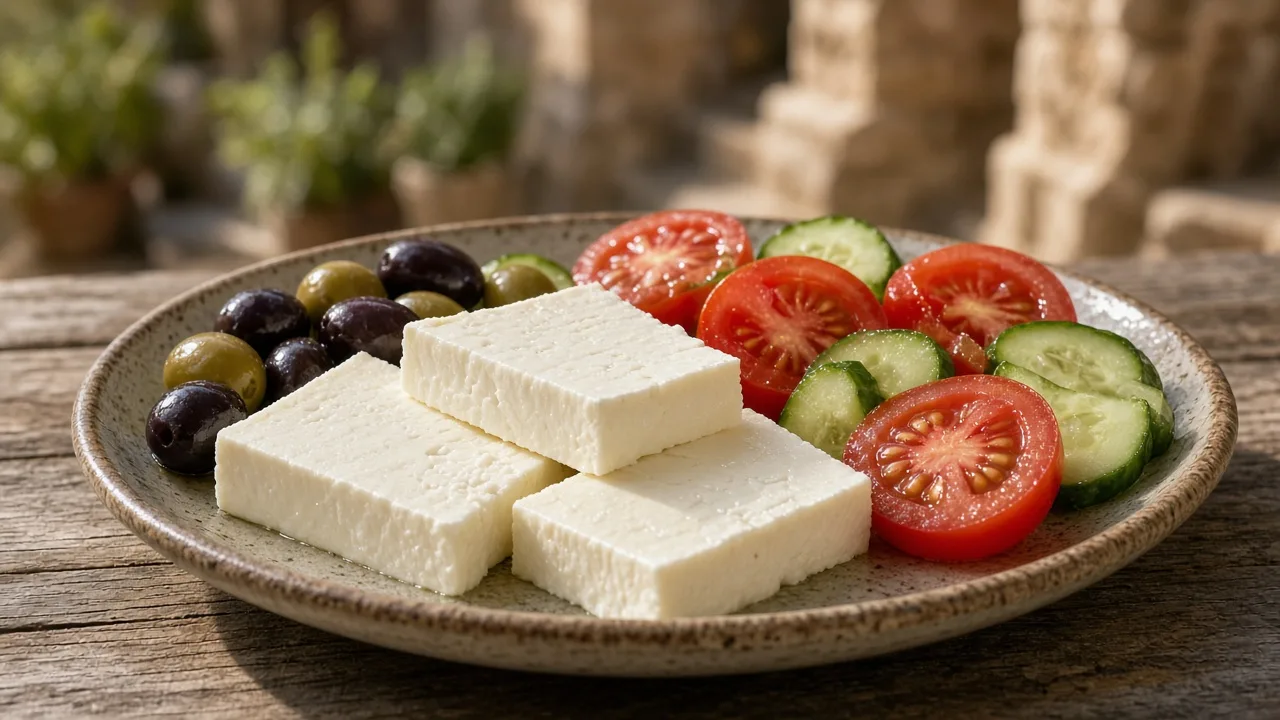
An Edirne white cheese that has completed its ninety days has a slightly tangy taste with balanced saltiness. It does not crumble when cut with a knife, yet it melts easily in the mouth. Its colour is not snow white but slightly yellowish. This shade comes from the milk fat and from ripening.
The longer it ripens, the firmer the cheese becomes, the deeper its aroma and the saltier it tastes. Putting fresh and aged cheese side by side is a common habit at Edirne tables. One is soft and milky, the other sharp and distinctive. Trying this difference when choosing your plate is the easiest way to get to know the cheese.
At Breakfast and in Edirne Cooking
Edirne white cheese is eaten mostly at breakfast. It shares the plate with tomatoes, cucumber, olives, butter, and honey with kaymak (clotted cream). It is also at the heart of our own table. On our Edirne serpme kahvaltı (spread breakfast) plate we put fresh and aged cheese side by side, alongside homemade jams and warm pastries. You can see the full spread we serve in our courtyard in Kaleiçi on our breakfast in Edirne page.
Other uses of the cheese in the kitchen:
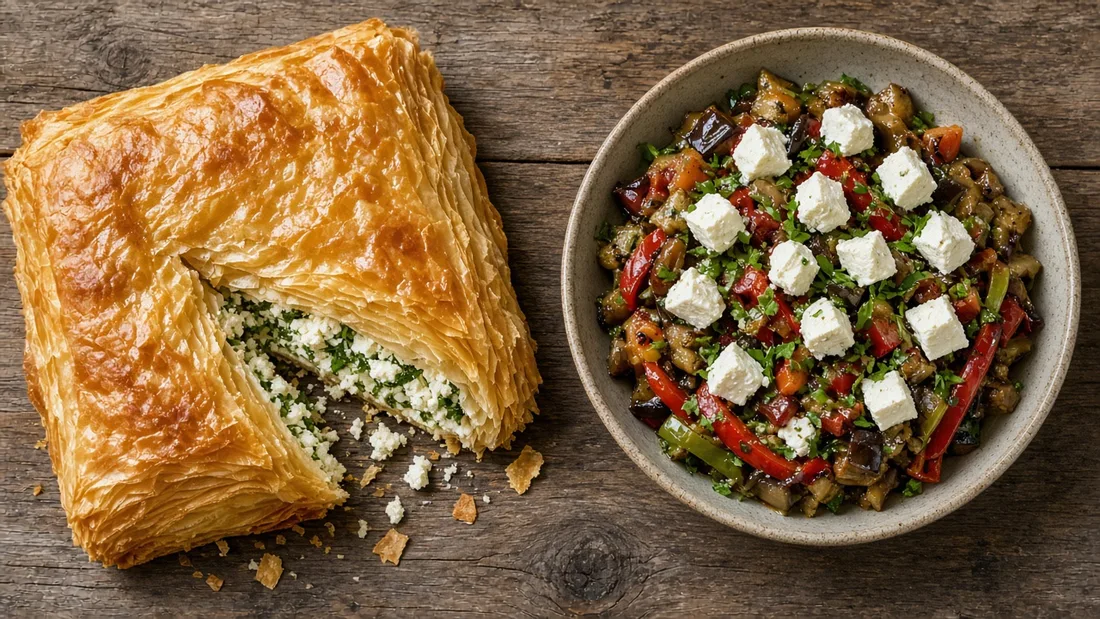
- Börek and pişi: Crumbled cheese with parsley becomes the filling for su böreği (layered water börek) and sigara böreği (rolled cheese pastries).
- Mamzana: This salad from Edirne cooking, made with aubergine, peppers and tomatoes, is often served topped with diced white cheese.
- Peynir helvası (cheese halva): This dessert, also mentioned in academic compilations on Edirne cuisine, is made by roasting unsalted fresh cheese, eggs, flour and sugar.
- Meze plate: It accompanies summer tables with melon, watermelon or tomatoes.
Tava ciğeri (Edirne-style fried liver) is a separate matter. The classic plate pairs the liver with fried dried Karaağaç peppers, tomatoes and onions or cacık (yoghurt with cucumber). White cheese is not a required part of this plate. Still, at many tables you can see a small plate of cheese before or alongside the liver. For how the liver is cooked and what is served with it, see our Edirne fried liver guide; for the city's other flavours, see our what to eat in Edirne article.
How to Store It
Brined cheese keeps best in its own liquid. Things to watch at home:
- Do not pour away the brine. Leave the cheese in the liquid of its tin or jar; every surface should stay under the liquid.
- Top up with salted water if the liquid runs low. Cover the cheese with brine made by adding salt to drinking water. Ankara University's dairy technology lecture notes recommend a salt ratio of 16–20% for soft cheeses. Less salt is enough at home, but a brine that is too diluted can make the cheese soft and sticky.
- Keep it in the fridge at 2–4 °C. This is also the storage temperature at which the cheese ripens.
- Do not freeze it. White cheese with a high water content falls apart after thawing and loses its texture.
- Use a clean, dry knife. Bread crumbs and moisture getting into the jar speed up mould.
- Soak it in water to reduce saltiness. For a slice that tastes too salty, putting it in cold water the night before breakfast is enough.
How long an opened tin lasts depends on storage conditions and the age of the cheese. The use-by date on the packaging always takes precedence.
Where to Buy Edirne White Cheese
The easiest places to find the cheese are the delicatessens, cheese and grocery shops in the city centre and the area around the bazaar. The Edirne Chamber of Commerce and Industry notifies the Turkish Patent Office of the producers entitled to use the registered name; you can ask the seller whether the product you are buying falls within this scope. Some dairies and producer cooperatives also sell the cheese directly. You can buy it by the tin, in vacuum-packed slices or by the kilo.
If you are travelling, a vacuum pack or a small tin with a tight lid is the safest option. In summer, an ice pack makes it easier to keep the cold chain. For the bazaars of Kaleiçi and what you can buy there, our Edirne's historic bazaars article will guide you.
The price varies with the size of the tin, the type of milk and the ripening time. Confirm the current price with the seller before buying.
How to Spot Imitation Edirne Cheese
With the designation of origin, it has become easier to recognise the real product. What to look for:
- Logo and emblem: The registration requires the logo reading "Edirne Beyaz Peyniri" and the designation-of-origin emblem to appear on the product itself or its packaging. For loose sales, where they cannot go on the packaging, the logo and emblem must be displayed somewhere easily visible in the shop.
- "Type" and "style" wording: Packaging that says "Edirne tipi" (Edirne-type), "Edirne usulü" (Edirne-style) or simply "beyaz peynir" (white cheese) is not registered Edirne white cheese.
- Ingredient list: If you see anything on the label other than milk, cheese rennet and salt (such as milk powder, whey powder, starch, vegetable oil or preservatives), the product does not match the registered recipe.
- Place of production: The producer's address must be within the borders of Edirne province.
- Look and texture: The real product has no holes, is semi-hard and slightly yellowish. Be cautious with cheeses that are overly soft and creamy, or chalk-white and crumbly.
Location and a Breakfast Suggestion
When you come to Edirne, the best way to get to know the cheese is at a morning table a 12–15 minute walk from Selimiye. Our location in Kaleiçi, Edirne (Google Maps) is at İzmir Caddesi No: 18. If you want to compare breakfast places, take a look at our Edirne breakfast guide. If you want to stay a night in the city and start the day early, have a look at our places to stay in Edirne.
Frequently Asked Questions
Does Edirne white cheese have a geographical indication?+
Yes. It has been registered with the Turkish Patent and Trademark Office under number 93 since 23 October 2007. The registration was obtained by the Edirne Chamber of Commerce and Industry. In 2024 the registration type was changed from geographical indication to designation of origin. The registration is why the name on a genuine tin is protected, and the later change means the rules got stricter, not looser. Look for that status when you buy, rather than treating every white cheese in the market as the same.
Is Edirne white cheese made from cow's milk or sheep's milk?+
It can be made from both, and from goat's milk too. The registration allows cow's, sheep's and goat's milk to be used on their own or mixed. There is no fixed ratio; the ratio is stated on the product label. Any of the three milks, or a mix, can be inside, so the label is the only way to know what you are eating. There is no single classic ratio you should expect every producer to share.
How many months does Edirne white cheese ripen?+
The tins are kept in cold storage at 2–4 °C for at least 90 days, or about three months. Cheese that has not completed this period cannot be sold under the registered name. A cheese sold earlier may still be pleasant, but it is not this one.
What is the difference between a designation of origin and a geographical indication?+
With a designation of origin, every stage from collecting the milk to ripening must take place within the geographical boundary. With a geographical indication, at least one stage taking place in the region is enough. Edirne white cheese has been a designation of origin since 2024. For this cheese, the stricter rule applies: the milk and the ripening both belong inside the boundary. A looser geographical indication would have allowed more of the work to happen elsewhere.
Is Edirne white cheese registered in the EU?+
Not yet. ETSO applied to the European Commission on 26 December 2024, and the application was recorded under number PDO-TR-03390. As of October 2026 the process is ongoing. Until that process is finished, the Turkish registration is the one you can rely on in the market. An application on file is not the same as an approval already granted.
How can you tell real Edirne white cheese?+
The packaging should carry the logo reading "Edirne Beyaz Peyniri" and the designation-of-origin emblem, the ingredients should be only milk, rennet and salt, and the producer should be in Edirne. Products labelled "Edirne tipi" are not registered. A label that only says it is in the style of the city is telling you it is not the registered cheese.
How should Edirne white cheese be stored?+
In its own brine, with every surface under the liquid, in a closed container in the fridge at 2–4 °C. It should not be frozen. If the liquid runs low, top it up with brine made by adding salt to drinking water. If the liquid falls, top it up with salted drinking water rather than leaving the cheese sitting dry.
Why is Edirne white cheese slightly yellow?+
According to the registered recipe, the cheese's colour is a slightly yellowish white. This shade comes from unskimmed full-fat milk and from ripening. A pure white colour on its own is not a sign of quality. Expect a soft ivory tone from full-fat milk and from time, not a chalk-white block. Colour alone is not the test; the label and the producer still tell you more.
Which rivers are linked to the milk for Edirne white cheese?+
The registration ties the cheese to milk from animals grazing on the plains, pastures and meadows formed by the Tunca, Meriç, Arda and Ergene, and on local herbs and thyme. Nothing is used apart from milk, rennet and salt. The Turkish Traditional Cheese Inventory classifies it as full-fat, semi-hard and free of holes.
Was there a festival devoted to Edirne white cheese?+
The main theme of the 3rd From Soil to Table Edirne Gastronomy Festival, organised by the Edirne Governorship on 18–20 September 2026, was Edirne white cheese. Press reports said the festival welcomed about 120,000 visitors over three days. A 150-metre cheese table was set up.
You may also like: Accommodation, Breakfast, Events.