Edirne weather by month: MGM data on temperature, rainfall, snow and flood risk, record values and what to wear in each month. Plan your trip by the weather.
Edirne has a Thracian climate with hot, dry summers and cool, wet winters. In the Köppen classification it falls into the Cfa group (temperate, rain in all seasons, hot summer). According to the Turkish State Meteorological Service (MGM) measurements for 1930–2025, the hottest month in Edirne is July (average 24.8 °C), the coldest is January (2.8 °C), and the wettest is December (70.5 mm).
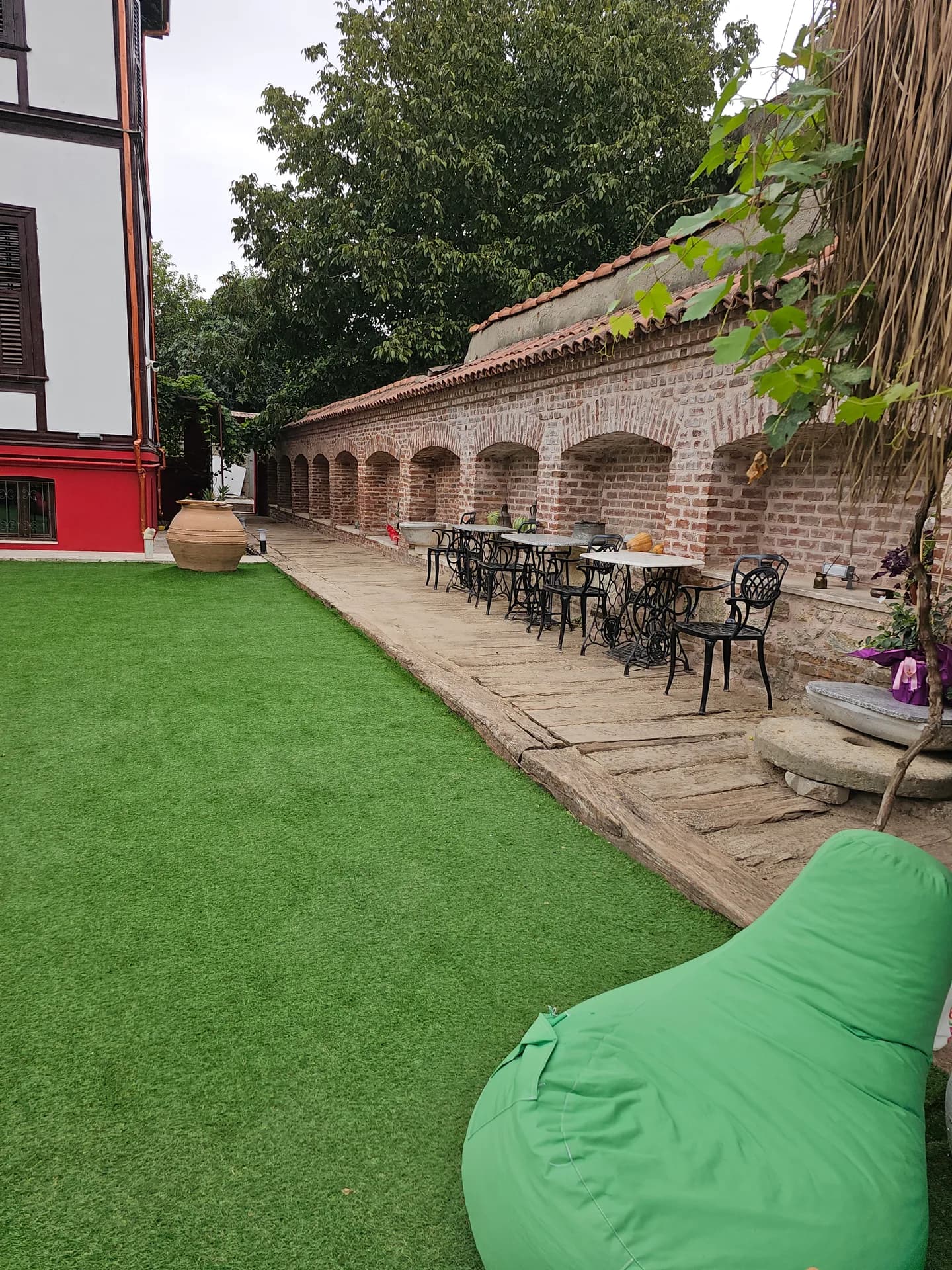
Café & Restaurant
Coffee, desserts and a relaxing break
Edirne lies in a transition zone between the Mediterranean and continental climates. As it is far from the sea, summer days are noticeably hotter than in Istanbul, while winter nights are colder.
Quick Overview
| Topic | Information |
|---|---|
| Climate type | Köppen Cfa; Mediterranean–continental transition |
| Annual average temperature | ~13.9 °C (from MGM 1930–2025 monthly values) |
| Annual rainfall | ~596 mm, ~105 rainy days |
| Hottest month | July: avg. 24.8 °C, avg. high 32.1 °C |
| Coldest month | January: avg. 2.8 °C, avg. low −0.4 °C |
| Wettest / driest month | December 70.5 mm / August 22.9 mm |
| Record high / low | 44.1 °C (25.07.2007) / −19.5 °C (14.01.1954) |
| Growing season | ~243 days (22 March–20 November) |
Edirne Temperature and Rainfall by Month
The table below shows the long-term (1930–2025) averages published by MGM for the Edirne station. Annual totals are calculated from the monthly values.
| Month | Avg. (°C) | Avg. high | Avg. low | Sunshine (hours/day) | Rainy days | Rainfall (mm) |
|---|---|---|---|---|---|---|
| January | 2.8 | 6.8 | −0.4 | 2.4 | 12.1 | 64.0 |
| February | 4.5 | 9.5 | 0.5 | 3.6 | 9.4 | 51.4 |
| March | 7.7 | 13.5 | 3.0 | 4.5 | 9.7 | 50.1 |
| April | 12.9 | 19.3 | 7.1 | 6.2 | 10.1 | 48.7 |
| May | 18.0 | 24.8 | 11.7 | 8.0 | 10.2 | 52.4 |
| June | 22.4 | 29.4 | 15.6 | 9.3 | 8.4 | 46.1 |
| July | 24.8 | 32.1 | 17.5 | 10.3 | 5.3 | 31.4 |
| August | 24.6 | 32.1 | 17.4 | 9.8 | 3.9 | 22.9 |
| September | 20.2 | 27.5 | 13.6 | 7.5 | 4.7 | 35.7 |
| October | 14.5 | 20.8 | 9.3 | 5.2 | 7.5 | 56.7 |
| November | 9.3 | 14.3 | 5.3 | 3.2 | 10.4 | 66.4 |
| December | 4.7 | 8.6 | 1.5 | 2.2 | 12.9 | 70.5 |
Three conclusions follow from the table:
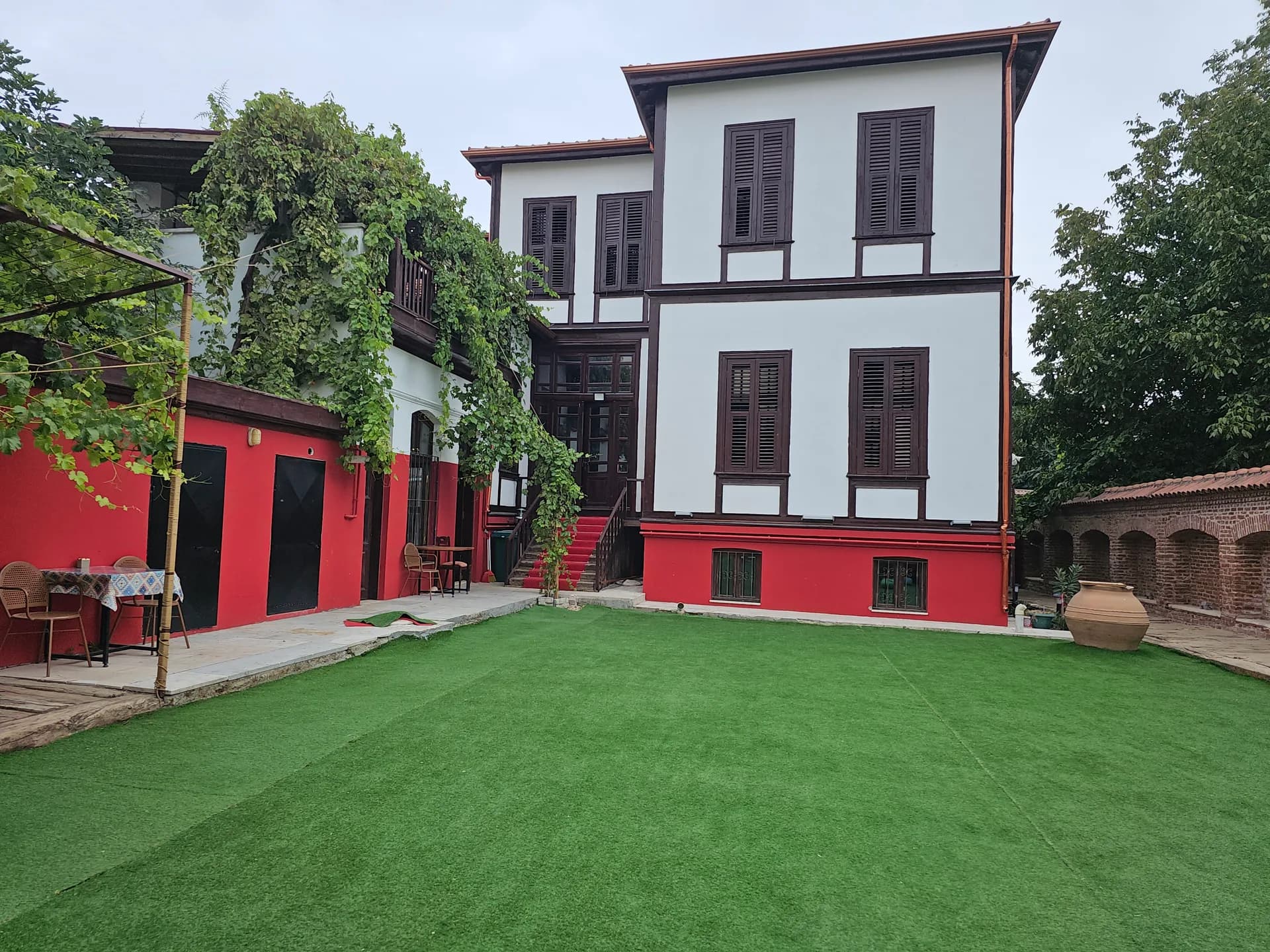
Stay
Stay in Edirne Kaleiçi with breakfast included
- Rain is concentrated in winter. The three months from November to January bring more than a third of the annual rainfall.
- Summer is dry but sunny. July has an average of 10.3 hours of sunshine a day; in August the number of rainy days drops below 4.
- Spring and autumn are mild. May (18.0 °C) and September (20.2 °C) are the most balanced months in terms of both temperature and rainfall.
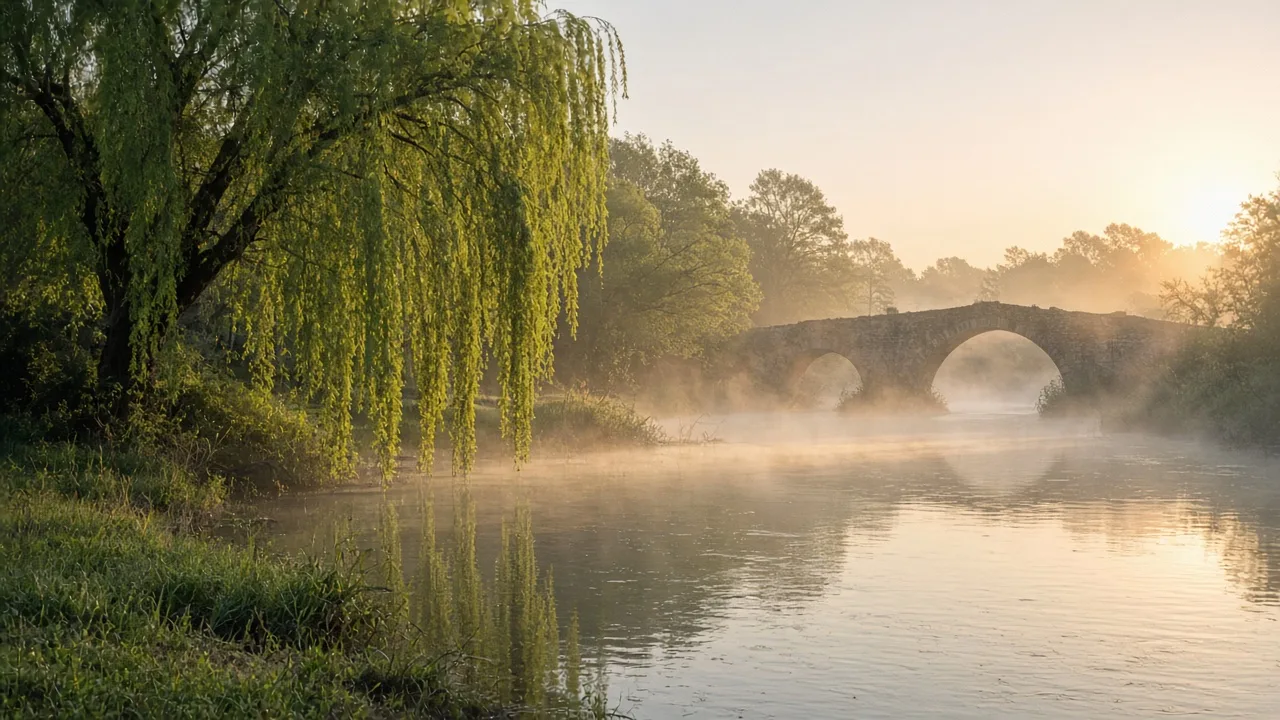
Edirne's Seasons
Spring (March–May)
March is still cool; the average low is 3.0 °C, and morning frosts can occur. The temperature rises to an average of 12.9 °C in April and reaches 18 °C in May. According to 1929–2006 data, the growing season (vegetation period) begins on average on 22 March. Spring showers are short and frequent: April and May each have more than 10 rainy days.
Summer (June–August)
Edirne's summers are hot compared with northern Türkiye. In July and August the average high is 32.1 °C. The hottest day on record is 44.1 °C, measured on 25 July 2007; 42.6 °C was also recorded on 27 June 2007. In August the average rainfall is only 22.9 mm. In the daytime heat the sightseeing pace slows, and the morning and late afternoon hours come into their own.
Autumn (September–November)
September keeps summer's warmth (average high 27.5 °C) while the number of rainy days stays at 4.7. In October rain returns, rising to 56.7 mm. The growing season ends on average on 20 November. November is the first month of winter rain: 66.4 mm and more than 10 rainy days.
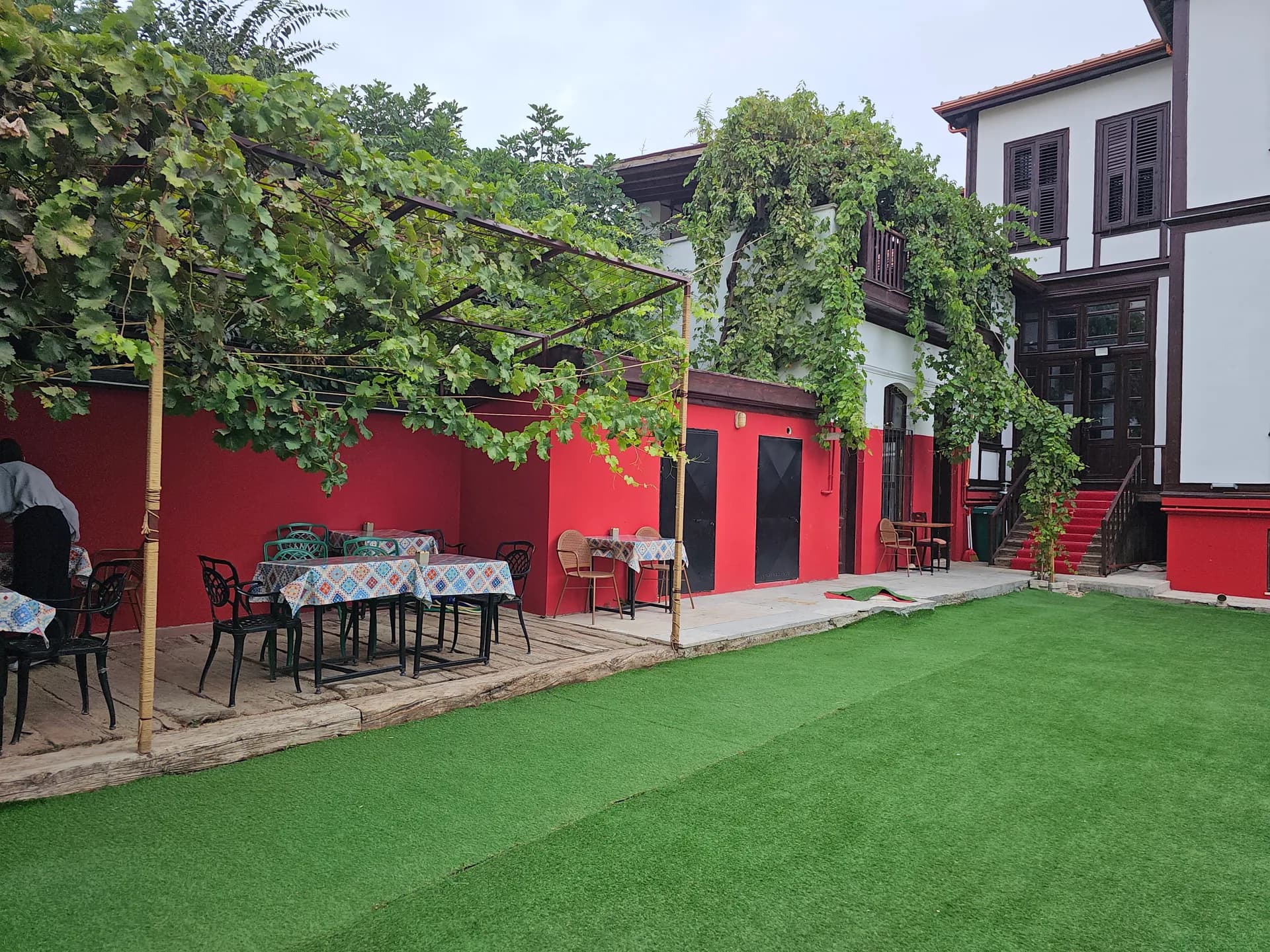
Events
Engagements, small weddings and private celebrations
Winter (December–February)
Winter is cool and damp. January's average low is −0.4 °C. The coldest value on record is −19.5 °C on 14 January 1954. The greatest snow depth, 50 cm, was measured on 1 February 1963. But winter is not always harsh: on 6 February 2024 the thermometer showed 24.5 °C.
Measured Records: Edirne's Extremes
The extreme values in MGM's 1930–2025 records:
| Record | Value | Date |
|---|---|---|
| Highest temperature | 44.1 °C | 25.07.2007 |
| Lowest temperature | −19.5 °C | 14.01.1954 |
| Highest daily rainfall | 128.5 mm | 28.11.2018 |
| Fastest wind | 28.9 m/s | 15.02.1970 |
| Greatest snow depth | 50 cm | 01.02.1963 |
Looking month by month, most of the highest values are recent. The March record was broken in 2025 at 28.1 °C, the February record in 2024 at 24.5 °C, and the December record in 2023 at 22.9 °C. The daily rainfall record is also recent: 128.5 mm of rain fell in a single day on 28 November 2018. That is almost twice the average rainfall for the whole of December.
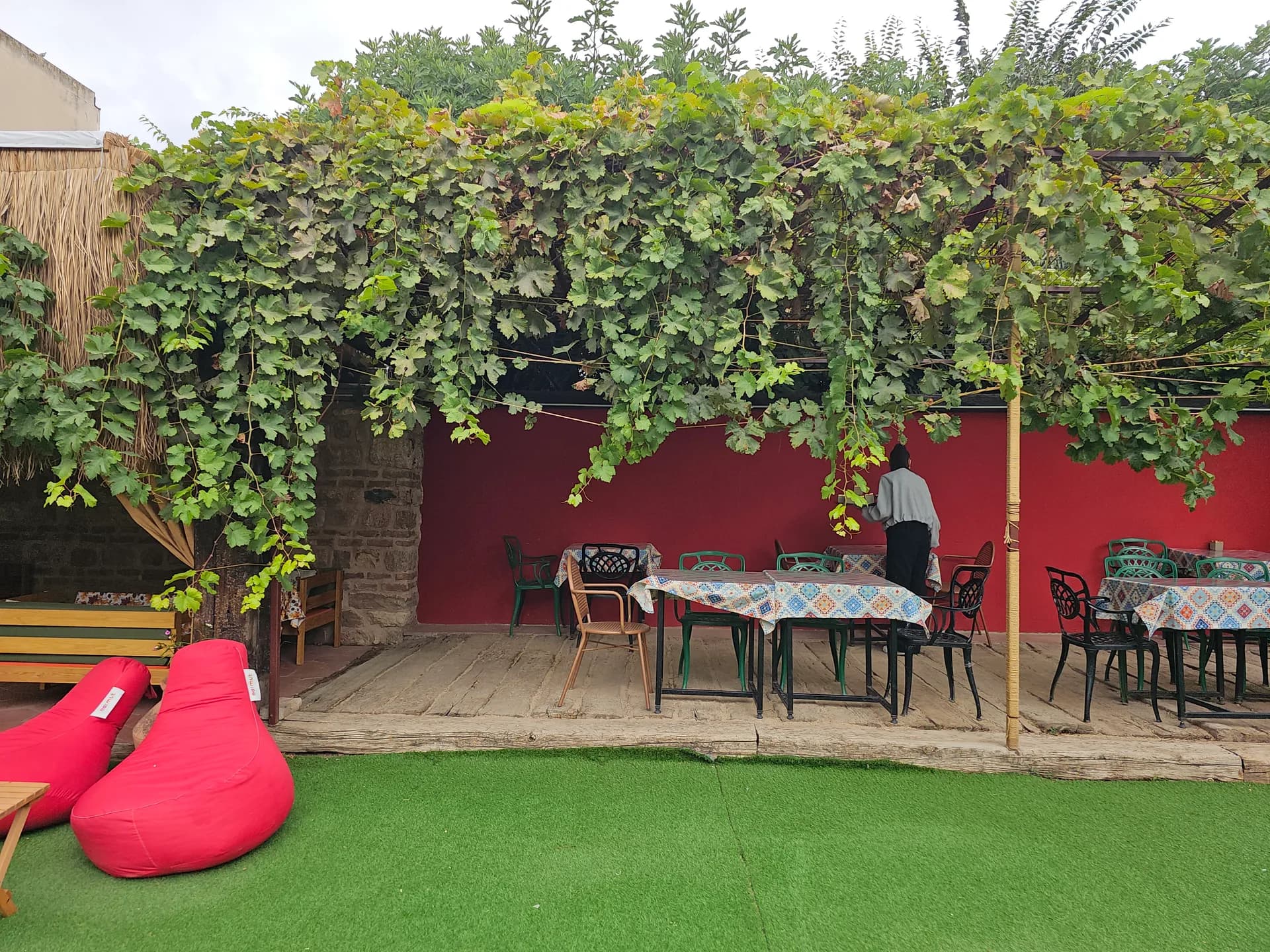
Breakfast
A generous Turkish breakfast spread in the garden
Is the Climate Changing? 1930–2025 Compared with 1991–2020
MGM publishes two separate data sets for Edirne. Comparing the long-term average (1930–2025) with the seasonal normals for the last 30 years (1991–2020) shows that the recent period is warmer:
| Month | 1930–2025 avg. | 1991–2020 avg. | Difference |
|---|---|---|---|
| March | 7.7 °C | 8.3 °C | +0.6 |
| May | 18.0 °C | 18.5 °C | +0.5 |
| July | 24.8 °C | 25.3 °C | +0.5 |
| August | 24.6 °C | 25.4 °C | +0.8 |
| October | 14.5 °C | 14.8 °C | +0.3 |
In the recent normals, August's average high has risen to 33.1 °C. Annual rainfall in 1991–2020 is about 625 mm. An academic study gives the annual average for 1992–2021 as 13.7 °C and 604.4 mm. According to the same study, the wettest year was 1998 (933.1 mm) and the wettest month was January 2021 (210 mm).
Daylight: How Long Is the Day in Edirne?
Since 2016, Türkiye has stayed on UTC+3 all year. As a result, winter mornings in Edirne get light late and summer evenings last long. Approximate values for the middle of each month:
| Month | Sunrise | Sunset | Daylight |
|---|---|---|---|
| January | 08:38 | 18:06 | ~9.5 hours |
| March | 07:27 | 19:19 | ~11.9 hours |
| May | 05:54 | 20:24 | ~14.5 hours |
| June | 05:38 | 20:49 | ~15.2 hours |
| September | 06:52 | 19:25 | ~12.5 hours |
| December | 08:33 | 17:44 | ~9.2 hours |
There is a difference of about 6 hours between June and December. This difference also determines how many days to plan for your trip. For details, see our how many days do you need in Edirne guide.
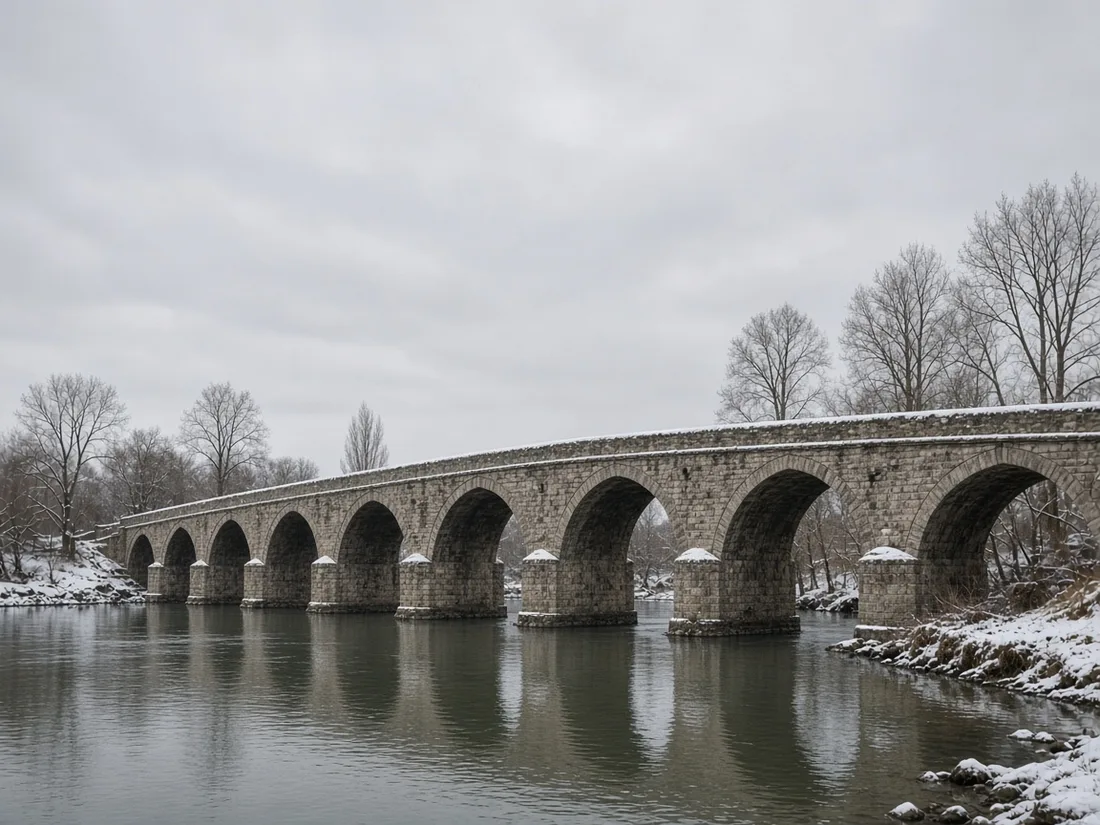
Rivers and Floods: Climate in the Meriç Basin
Edirne is built on a plain where the Meriç, Tunca and Arda rivers meet. Winter rain and spring snowmelt swell the rivers. The Meriç usually rises in May and falls to its lowest level in July–August. Major floods the city has seen in recent years:
| Date | Meriç flow | Note |
|---|---|---|
| February 2005 | 1,144 m³/s | Heavy snow followed by rain; the Karaağaç road closed |
| 9–16 March 2006 | 1,791 m³/s (DSİ) | Sarayiçi and the Er Meydanı were under water |
| 18–25 November 2007 | 1,205 m³/s | The river spread across the floodplain |
| February 2012 | 1,400 m³/s | In Sarayiçi the water receded after 6 days |
According to DSİ (the State Hydraulic Works), when the Meriç's flow exceeds 800 m³/s it begins to spread across the floodplain between the levees. Central Edirne today has 41 km of flood embankments. An early-warning protocol in place with the neighbouring country since 2005 also ensures that flow data is shared in advance. Floods mostly occur in February–March and November.
For the rivers' place in the city and a walking route, see our which rivers flow through Edirne guide.
Edirne's Calendar by Season
The climate also shapes the city's events calendar:
- April: The tulips planted by the municipality bloom. The upside-down tulip motif in the Selimiye is one of the city's symbols.
- 5–6 May: The Kakava–Hıdırellez Festivities, in Sarayiçi and along the Tunca. The average temperature in May is 18.0 °C.
- Late June – early July: The Kırkpınar Oil Wrestling. The 665th Kırkpınar in 2026 was held from 29 June to 5 July. In this period the average high is above 30 °C.
- September–October: The period when the heat breaks and the rains have not yet begun.
- December–February: The season of indoor venues and short days.
Our best time to visit Edirne guide, which looks at which month suits travel best, turns this data into a trip plan.
What to Wear by Season
| Period | Recommended clothing |
|---|---|
| December–February | Thick coat, hat, gloves, waterproof shoes |
| March–April | Layers, a light raincoat; mornings are cool |
| May–June | T-shirt and a light jacket; a light layer in the evening |
| July–August | Thin, light-coloured clothing, a hat, sunscreen |
| September–October | Summer clothes by day, a light jumper in the evening |
| November | Raincoat and a medium-weight coat |
When visiting mosques, clothing that covers shoulders and knees is required in every season. In summer, carrying a light shawl makes things easier.
Accommodation and Courtyard Season
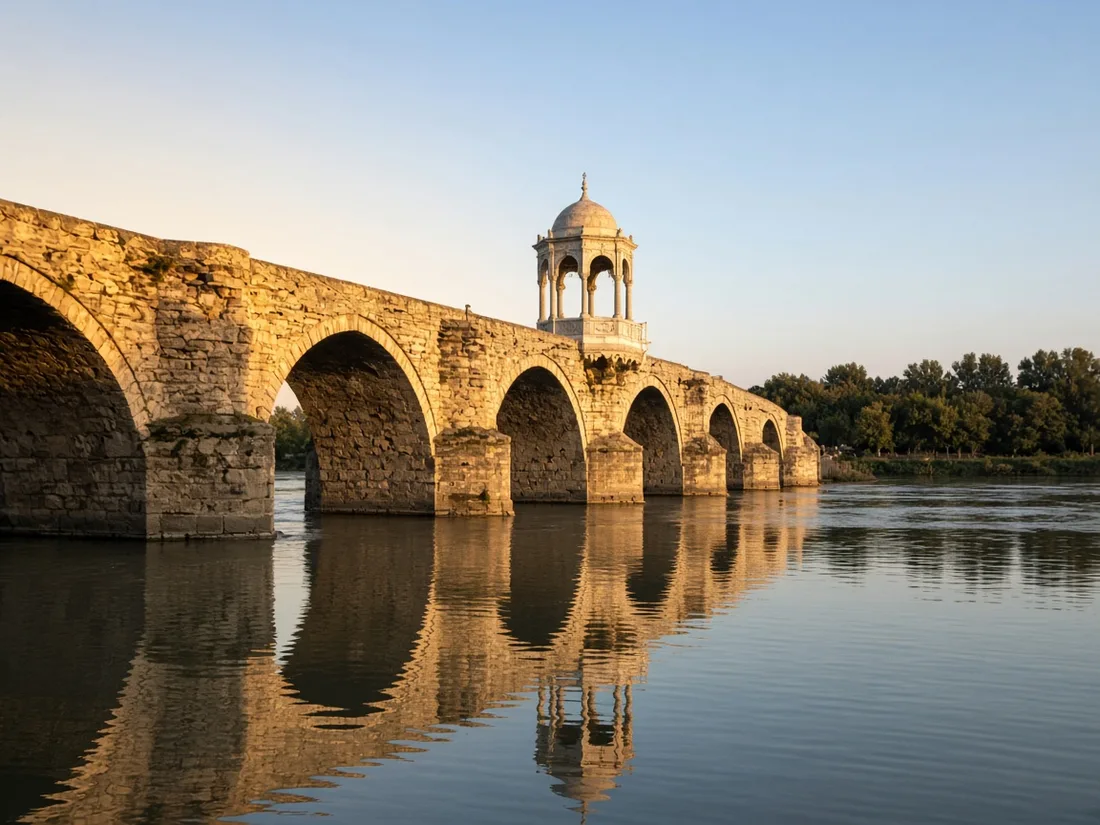
Breakfast in the garden in Kaleiçi is most enjoyable from April to October, when the weather allows. On May and September mornings, the coolness of around 11–14 °C is met with a hot tea in the courtyard. In winter, the table moves indoors. For the garden table, see our garden breakfast in Edirne page; for room options, see our Edirne accommodation page.
Our location in Kaleiçi, Edirne (Google Maps) is within walking distance of the Selimiye and the covered bazaars. On a rainy day this closeness is a big advantage; our what to do in Edirne on a rainy day guide offers a practical list.
Frequently Asked Questions
What is the climate like in Edirne?+
In Edirne, summers are hot and dry and winters cool and wet. It is in the Köppen Cfa group and has transitional features between the Mediterranean and continental climates. Pack for a real range, not for one mild season.
What is the hottest month in Edirne?+
July. According to MGM 1930–2025 data, July averages 24.8 °C with an average high of 32.1 °C. August is almost as hot. Plan shade and early starts if those are your dates.
Does it snow in Edirne?+
Yes, snow falls in winter, but it does not settle every year. The greatest snow depth on record was 50 cm, measured on 1 February 1963. Snow comes in winter, but a covering that stays is not guaranteed every year. The record depth shows it can be serious; most visits will see less than that.
Which month has the most rain in Edirne?+
December. The long-term average is 70.5 mm and about 13 rainy days. November (66.4 mm) and January (64.0 mm) follow. A winter week should assume wet shoes.
What is the highest temperature ever recorded in Edirne?+
44.1 °C, measured on 25 July 2007. The lowest value is −19.5 °C, measured on 14 January 1954. The recorded high is a serious heat figure from a July day, and the recorded low is a hard frost from a January night. They are extremes, not the forecast, but they show the range the city can reach.
Is Edirne hotter than Istanbul?+
In summer, yes. As Edirne is far from the sea, midday temperatures in July–August are noticeably higher. Winter nights are usually colder. In summer, yes, because it sits away from the sea, and winter nights are usually colder for the same reason. Do not dress for a coastal city and expect the same afternoon.
Which month has the best weather for visiting Edirne?+
May (average 18.0 °C) and September (20.2 °C) are the most balanced months. September has fewer than 5 rainy days.
How much rain does Edirne get a year?+
Calculated from MGM's 1930–2025 monthly averages, about 596 mm and 105 rainy days. In the 1991–2020 normals, the value is about 625 mm. The long average and the more recent normal differ a little, but both describe a moderately wet year, not a desert and not a rainy coast. Monthly pattern matters more than the annual total when you pack.
Is Edirne cold in winter?+
It is cool and damp. According to MGM data, January averages 2.8 °C, with an average low of −0.4 °C. As it is far from the sea, winter nights are usually colder than in Istanbul. A light jacket is not enough for an evening.
What is winter like in Edirne?+
December to February is wet; the November–January period brings more than a third of the annual rainfall. It snows, but snow does not settle every year, and in January there are about 9.5 hours of daylight. Snow is possible without being a certainty, and the January days are short.
You may also like: Accommodation, Breakfast, Events.