What grows in Edirne? Rice (38% of Türkiye's paddy), sunflowers, wheat, canola, olives and protected local products, with TÜİK 2024 data. Explore the plains.
Edirne grows mostly wheat, paddy rice and sunflowers. According to TÜİK (Turkish Statistical Institute) 2024 data, the province produces 391,101 tonnes of paddy rice, about 38% of Türkiye's output on its own, which makes it first in the country. About 9% of Türkiye's sunflower production and about 8.5% of its canola come from Edirne. Melons, watermelons, tomatoes and walnuts are also important crops. Olives, on the other hand, are still a small-scale crop that people are trying to revive on the Saros coast.
Café & Restaurant
Coffee, desserts and a relaxing break
The wide plains watered by the Meriç, Tunca, Ergene and Arda rivers make Edirne one of the most fertile farming regions in Thrace. Anyone on the road at the end of summer quickly notices that yellow sunflower fields and golden rice plains are the postcard view of this province.
Quick Overview
| Crop | Edirne production (2024) | Share of Türkiye | Note |
|---|---|---|---|
| Wheat | 550,101 tonnes | 2.60% | Largest crop by volume |
| Paddy rice | 391,101 tonnes | 38.38% | 1st in Türkiye |
| Sunflower | 173,878 tonnes | 9.37% | Mostly oilseed |
| Canola | 8,647 tonnes | 8.54% | |
| Barley | 27,030 tonnes | – | |
| Watermelon | 27,128 tonnes | – | |
| Tomato | 21,708 tonnes | – | |
| Melon | 18,870 tonnes | 1.28% | Meriç kara kavunu registered |
| Walnut | 4,575 tonnes | 1.07% |
Source: Edirne agricultural investment guide (2025) of the Ministry of Agriculture and Forestry, based on TÜİK 2024 data.
Edirne's Farmland: Plains and Rivers
According to the Ministry guide, Edirne's total farmland is about 3.5 million decares, roughly 57% of the province's area. The province also has about 1 million decares of forest and 880 thousand decares of meadow and pasture. Field crops are grown on 97% of the farmland, fruit and vineyards on 2% and vegetables on 1%. About 43% of the farmland is irrigable.
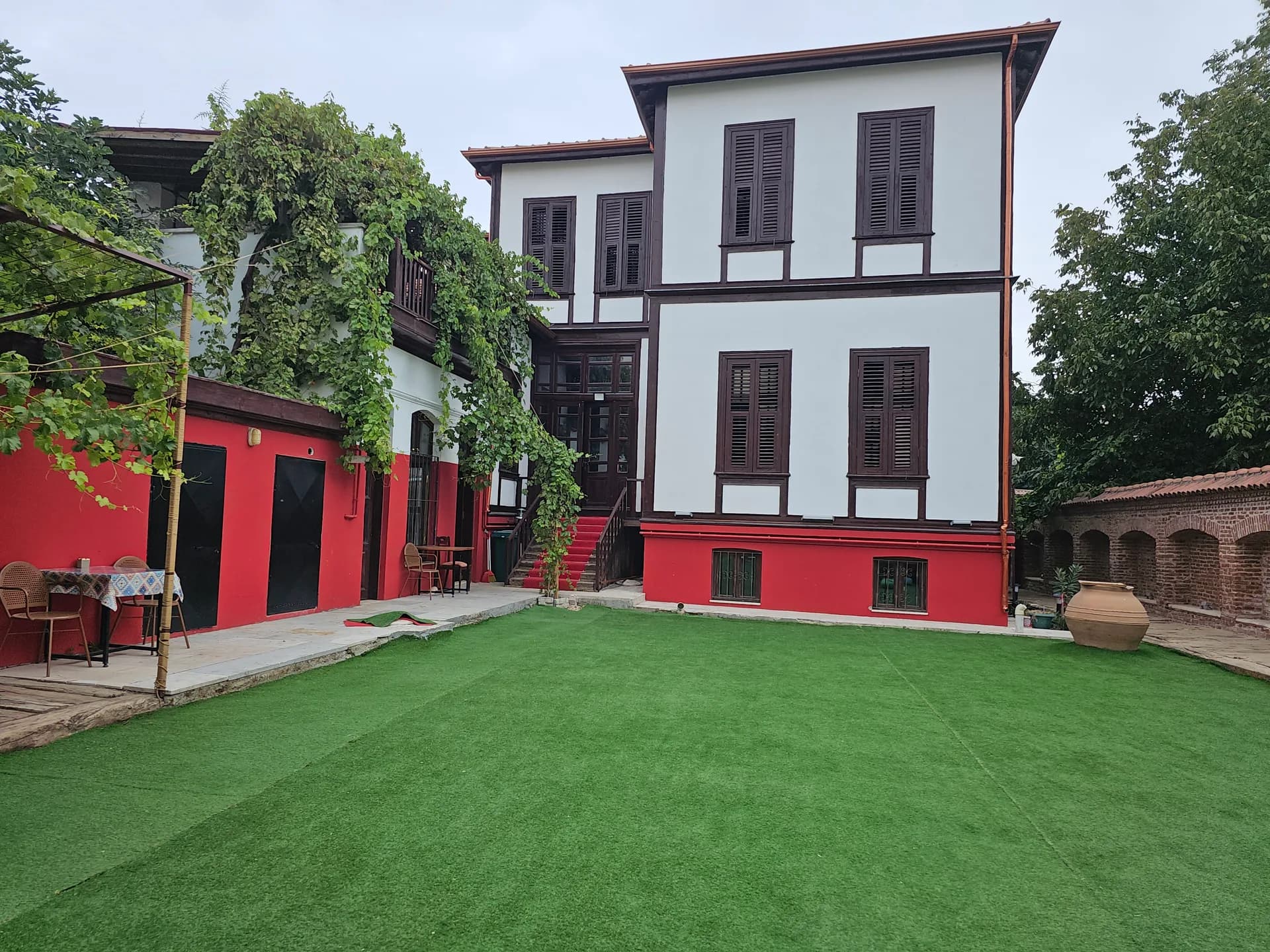
Stay
Stay in Edirne Kaleiçi with breakfast included
The main fertile areas are the Kazanova, Meriç, İpsala and Ergene plains. Alluvium carried by the rivers over centuries has fed these plains. According to Edirne Governorship data, the Meriç flows for 185 km within the province, the Ergene for 72 km and the Tunca for 56 km. Despite the summer drought, these rivers make water-hungry crops such as rice possible.
The province has 25,904 farmers registered in the Farmer Registration System (ÇKS). Farming is the backbone of the economy in almost every district except the central one.
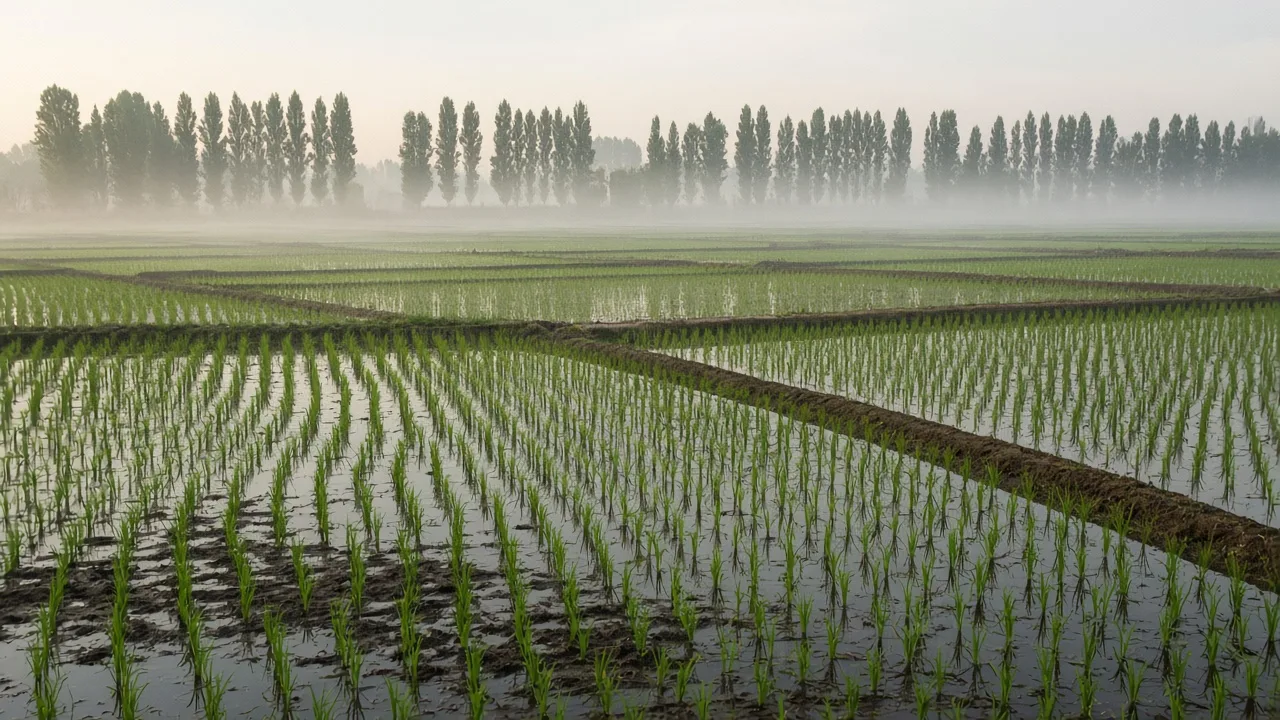
Paddy Rice and İpsala Rice: Türkiye's Rice Barn
Edirne alone grows more than a third of the paddy rice produced in Türkiye. According to figures reported by Anadolu Agency, rice is planted on about 486 thousand decares in the province. Most of the production is on the İpsala, Meriç and Enez plains along the Meriç River.
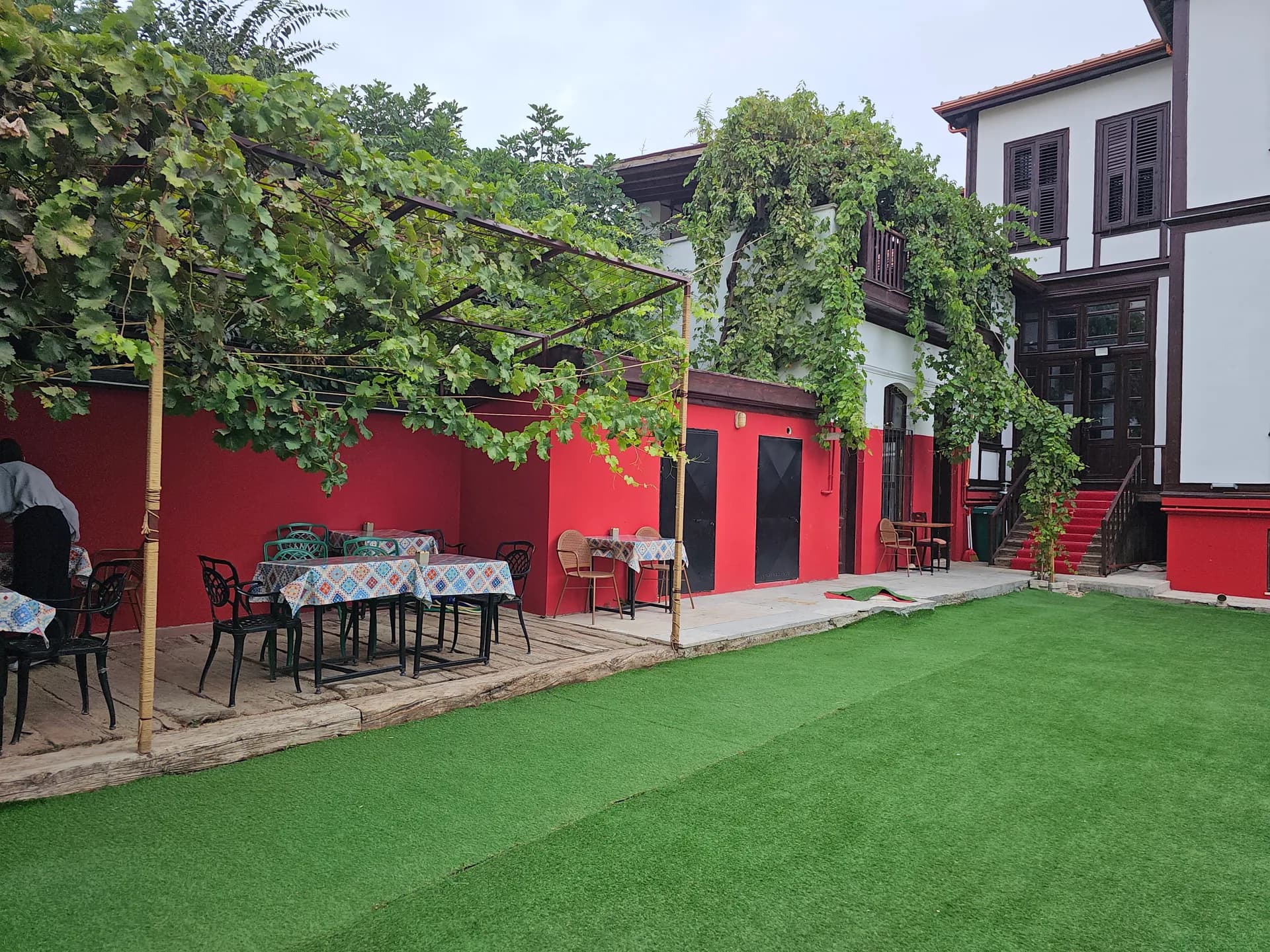
Events
Engagements, small weddings and private celebrations
Rice is sown in flooded fields in spring, spends the summer in water and is harvested in September–October. After harvest, the husk is removed and the processed grain becomes rice. The best-known rice of the region, İpsala rice, has a geographical indication. With its large, plump grains that stay separate when cooked, it is known as a rice for pilaf.
In late September or early October, the İpsala–Enez road runs between golden plains where harvesters are at work. For those heading down to the Saros coast, this road is a view to enjoy together with the sea.
Sunflowers, Wheat and Canola: The Yellow Fields of Thrace
By volume, Edirne's largest crop is wheat: 550,101 tonnes in 2024. Rice and sunflowers follow. Thrace is the centre of Türkiye's oilseed sunflower production, and Edirne supplies about 9% of it.
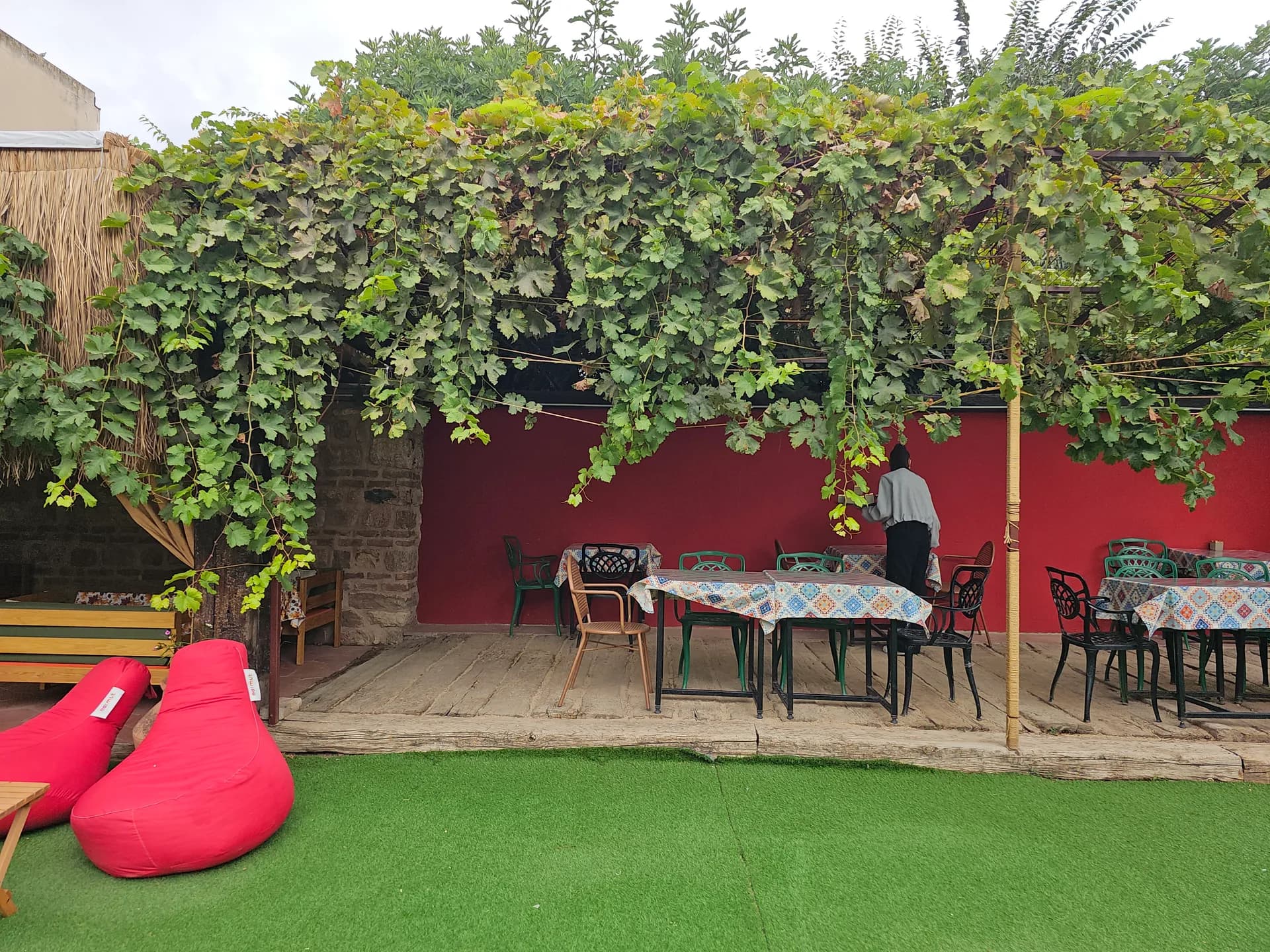
Breakfast
A generous Turkish breakfast spread in the garden
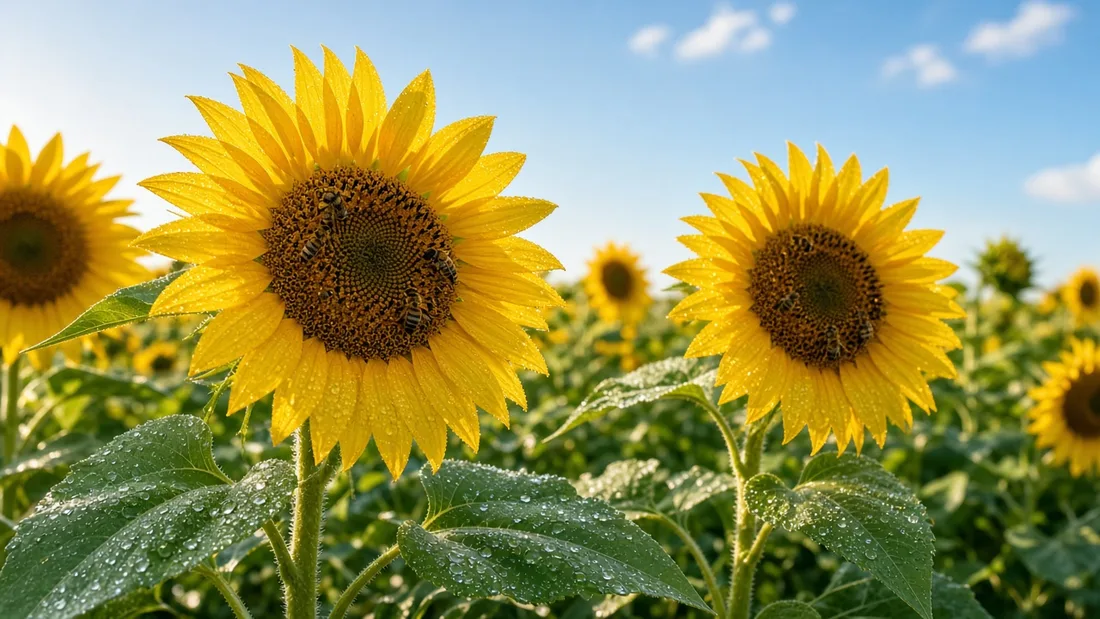
Sunflower fields are in full bloom between late June and mid-July. In this period you see kilometres of yellow fields along the Havsa, Uzunköprü and Keşan roads. The best hours for photos are first light and late afternoon. As the fields are private property, do not enter without the owner's permission and do not damage the plants.
Canola is an oil crop that flowers yellow in spring. With 8,647 tonnes, Edirne supplies about 8.5% of Türkiye's production. Canola fields, which bloom in late April and early May, are the "first yellow" season before the sunflowers.
Oilseed sunflowers also feed the province's industry. Many oil mills in Edirne and across Thrace process the crop. Sunflower oil from the harvest is shipped all over Türkiye.
Do Olives Grow in Edirne?
Olives are not a major crop in Edirne, but they do grow on the Saros coast and efforts are under way to spread them again. The coastal villages between Keşan and Enez have a milder climate than the interior thanks to the moderating effect of the gulf. "Zeytindere" (Olive Creek), one of the region's old place names, shows that the coast was historically olive country.
In 2021, BOTAŞ planted a total of 100 thousand olive saplings in villages around the Saros coast, mainly Sazlıdere, Gökçetepe, Mecidiye, Erikli and Yayla. Because the saplings will take years to bear fruit, Edirne's olive production is not significant in tonnage today. Still, if you travel along the Saros coast you will come across olive trees in village gardens.
Fruit, Vegetables and Products with Geographical Indication
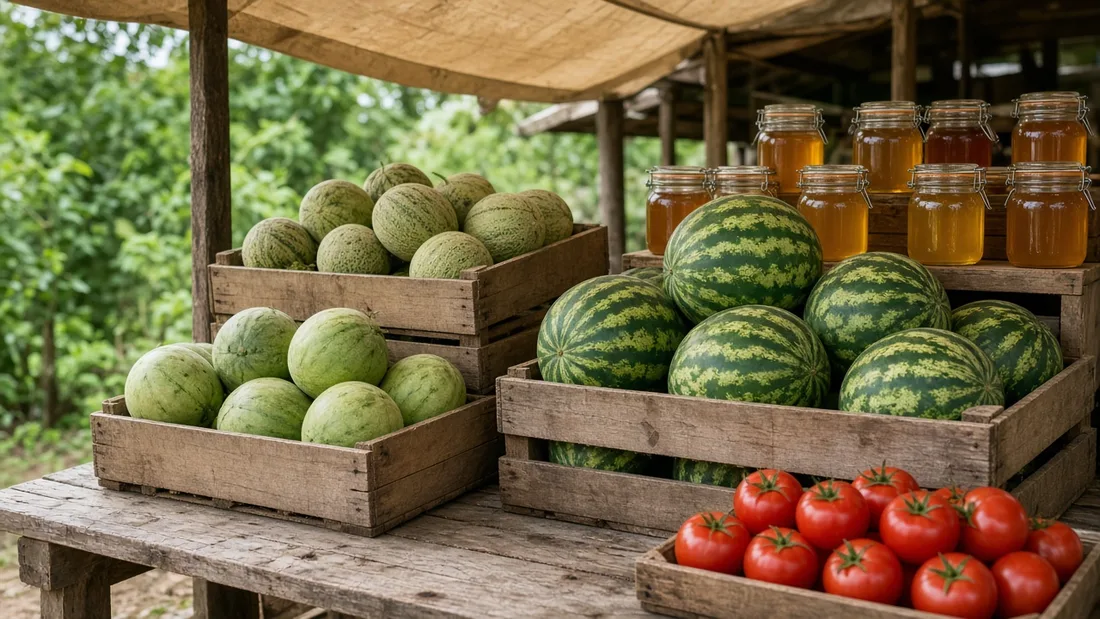
Although not as large as field crops, Edirne's fruit and vegetable production is varied. According to 2024 data, the province produced 27,128 tonnes of watermelon, 21,708 tonnes of tomatoes, 18,870 tonnes of melon, 7,350 tonnes of apples, 4,575 tonnes of walnuts and 3,745 tonnes of pears.
Some of Edirne's agricultural products with a geographical indication:
- İpsala rice: The large-grained pilaf rice of the Meriç plain.
- Meriç kara kavunu (Meriç dark melon): An aromatic summer melon with a dark green rind.
- Meriç peanuts: Peanuts grown in the sandy soils of Meriç.
- Keşan Korudağ flower honey: Flower honey from Koru Dağı (Koru Mountain), north of Saros.
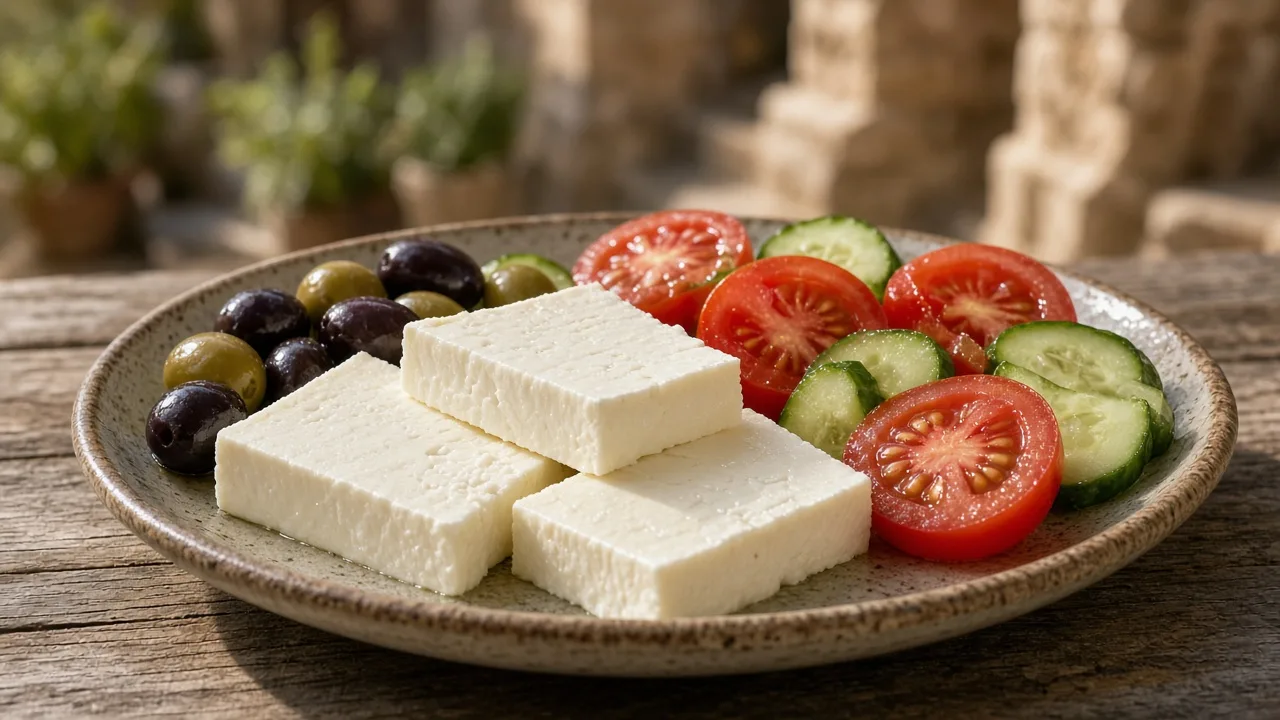
The province is also strong in livestock. According to 2024 data, Edirne has 95,623 pure-breed and 44,339 cross-breed cattle, 231,424 native sheep, 92,878 merino sheep and 65,237 hair goats. In beekeeping there are about 72 thousand hives. This dairy farming is also the basis of Edirne white cheese, which has a geographical indication: since 2024 the cheese has a designation of origin, and its milk must come only from Edirne.
Farming Seasons in Edirne: What to See and When
| Period | What is in the fields? |
|---|---|
| April–May | Canola blooms; rice fields are flooded |
| June | Wheat and barley harvest begins |
| Late June–July | Sunflowers in full bloom |
| July–August | Melon and watermelon season; roadside stalls |
| August–September | Sunflower harvest |
| September–October | Rice harvest; İpsala and Meriç plains turn golden |
This calendar is a good guide if you want to see Edirne beyond the city as well. The sunflower season coincides with Kırkpınar week in late June–early July, while the rice harvest adds colour to an autumn trip. For help choosing a season, see our best time to visit Edirne post.
From Field to Table: Local Produce at an Edirne Breakfast
Farming shows up directly on the Edirne table. White cheese, village butter, honey, tomatoes and Thracian sunflower oil are the cornerstones of the city's breakfast tradition. For tables set with local produce, see our Edirne village breakfast page and our short history of Edirne cuisine, which tells the story of the city's kitchen. If you want to buy local products in the bazaar, we also have a guide to what to buy in Edirne's historic bazaars.
If you want to spend the day on the plains and return to the city in the evening, you can stay in the centre: Edirne accommodation. To connect easily to the roads leading from Kaleiçi towards İpsala and Keşan, use our location in Kaleiçi, Edirne (Google Maps).
Frequently Asked Questions
What grows in Edirne?+
Mostly wheat, paddy rice and sunflowers. Canola, barley, watermelon, tomatoes, melon and walnuts are also important crops. Wheat, rice and sunflowers are the crops that shape the fields you drive through. The other plants matter locally, but those three explain most of the view.
What product is Edirne famous for?+
It is famous for paddy rice; it supplies about 38% of Türkiye's rice production. White cheese is also a registered and well-known product of the province. Rice is the crop the province is known for growing a large share of, and white cheese is the registered food people carry home. You will meet both more often than the crops you only see from the road.
Where is the most rice grown in Türkiye?+
In Edirne. According to TÜİK 2024 data, the province supplies 38.38% of Türkiye's production with 391,101 tonnes. Edirne is that province. The official share is the figure worth quoting, and it matches what people in the city will tell you.
When do sunflowers bloom in Edirne?+
They are usually in full bloom between late June and mid-July. The harvest takes place in August–September. Aim for that early-summer window if you want flowers, and expect a harvest picture once August comes. Late summer is a different landscape from the yellow weeks.
Do olives grow in Edirne?+
They grow in villages on the Saros coast, but production is small-scale. In 2021, 100 thousand olive saplings were planted in the area. They are a small story of the Saros villages, not a province-wide grove. Do not expect old olive hills on the drive out of the centre.
Why is İpsala rice famous?+
It is a product with a geographical indication. It grows in the alluvial soils of the Meriç plain and is known for large grains that do not fall apart when cooked. The protected name and the large grains that hold together in the pot are why cooks ask for it.
What are Edirne's agricultural products with a geographical indication?+
İpsala rice, Meriç kara kavunu, Meriç peanuts and Keşan Korudağ flower honey are some of them. Edirne white cheese also has a registered designation of origin.
When is the rice harvest in Edirne?+
It takes place in September and October. September and October are when the paddies are cut, so the fields look like work rather than a green summer view. It is a good time to see the crop up close if you are driving the plain.
How much farmland does Edirne have?+
The Ministry of Agriculture and Forestry guide puts Edirne's farmland at about 3.5 million decares, roughly 57 percent of the province. Field crops cover 97 percent of that land, fruit and vineyards 2 percent and vegetables 1 percent, and about 43 percent can be irrigated. The province has 25,904 farmers registered in the Farmer Registration System.
How much wheat, sunflower and canola did Edirne grow in 2024?+
TÜİK 2024 figures in the Ministry's 2025 investment guide list 550,101 tonnes of wheat, 173,878 tonnes of sunflower and 8,647 tonnes of canola. Sunflower is about 9 percent of Türkiye's crop and canola about 8.5 percent. By volume, wheat is the province's largest crop, ahead of paddy rice.
You may also like: Accommodation, Breakfast, Events.