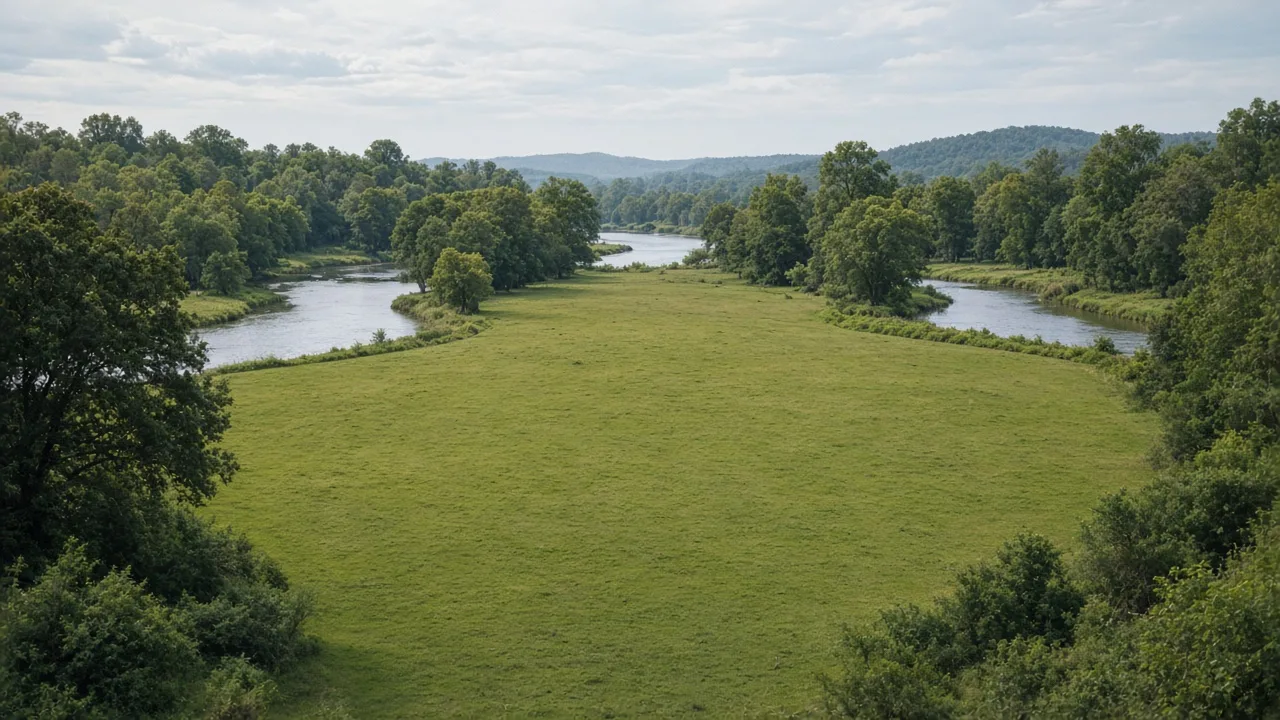
Sarayiçi in Edirne: the Edirne Palace begun in 1450, the 1561 Tower of Justice, the 1452 Fatih Bridge and UNESCO-listed Kırkpınar. Ruins, dates and a route.
Sarayiçi in Edirne is the area on the banks of the Tunca River that holds the remains of the Saray-ı Cedid-i Âmire (the Edirne Palace), considered the largest of the Ottoman palaces; the same area is home to the Er Meydanı, the arena where the Historic Kırkpınar Oil Wrestling is held. Construction of the palace began in 1450 in the reign of Murad II and was completed by Sultan Mehmed the Conqueror (Fatih Sultan Mehmed); the building was largely destroyed in 1877.
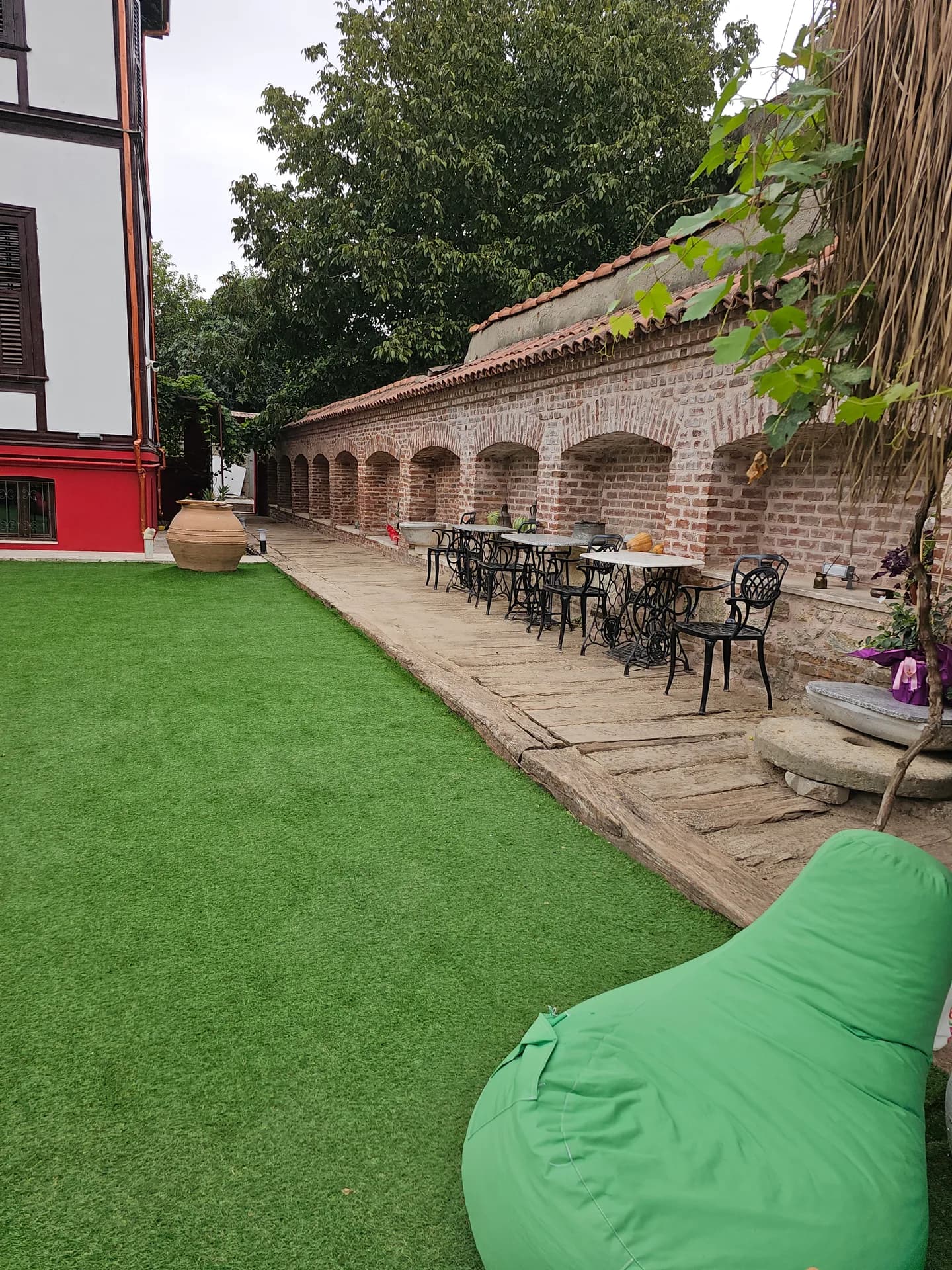
Café & Restaurant
Coffee, desserts and a relaxing break
Sarayiçi usually gets a single line in lists of things to do in Edirne; yet here the remains of an imperial palace and a UNESCO-listed cultural heritage sit side by side.
Quick Overview
| Topic | Information |
|---|---|
| Palace | Saray-ı Cedid-i Âmire, begun in 1450 |
| Main building | Cihannüma Pavilion, 1452 |
| Still standing | Adalet Kasrı (Tower of Justice, 1561), Fatih Bridge (1452) |
| Destruction | 1877 |
| Kırkpınar | Late June–early July, Er Meydanı |
| UNESCO | Kırkpınar, 2010 |
The Edirne Palace: The Largest Ottoman Palace
Sarayiçi ("inside the palace") takes its name from the Saray-ı Cedid-i Âmire (New Palace) built here. Construction began in 1450, in the reign of Murad II, and was completed by Sultan Mehmed the Conqueror. The palace's main building, the Cihannüma Kasrı (Cihannüma Pavilion, also called Taht-ı Hümayun, the Imperial Throne), is dated 1452.
The building's most striking feature is its scale: both in its architecture and in the area it covered, it is the largest of the Ottoman palaces. The palace was not a single building but a complex: the privy chamber, the chamber of the Holy Banner, the imperial library, the sultan's apartments, the Valide Sultan's (queen mother's) apartments, the princes' and concubines' apartments, the aghas' quarters and the Audience Chamber (Arz Odası) formed a whole. In front of the Audience Chamber stood the Bâbüssaâde (Gate of Felicity, also called the Gate of the White Eunuchs).
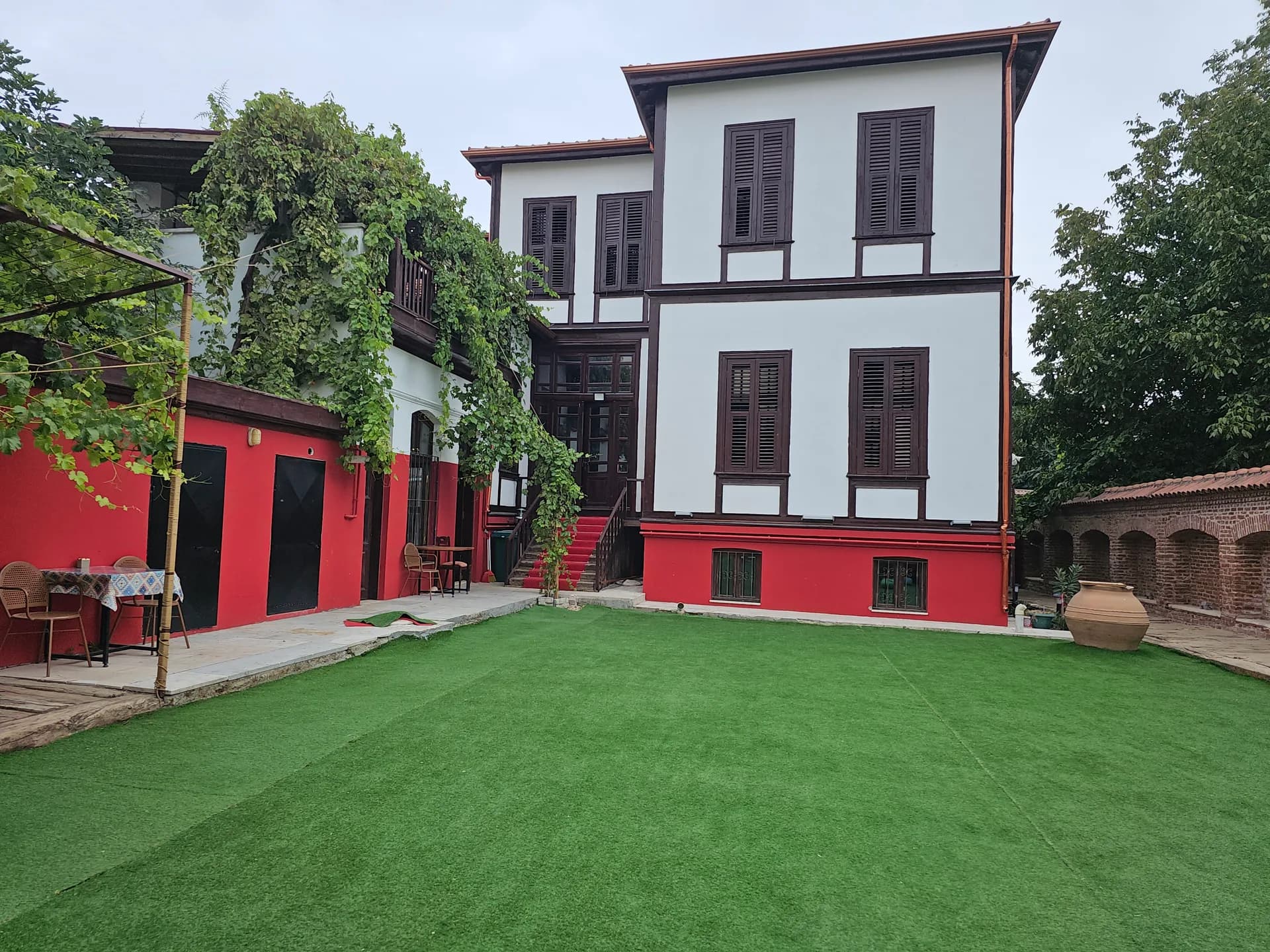
Stay
Stay in Edirne Kaleiçi with breakfast included
Mimar Sinan's water engineering
In the time of Süleyman the Magnificent (Kanuni Sultan Süleyman) and Mimar Sinan, the palace entered what was almost a second building phase. Sinan connected one branch of the Taşlımüsellim water he had brought to Edirne to the palace. To protect the palace buildings from floods, a large part of the water was diverted away from the palace grounds through an arc-shaped canal and connected to the Tunca next to the Saraçhane Bridge. This canal surrounded the palace grounds with a second waterway; thus the Hasbahçe (Privy Garden) was formed between the river and the canal, and the palace was protected without a city wall.
Why is it no longer standing?
The palace grew over the centuries and was repaired in 1758, 1767 and 1787. Its most brilliant period was the reign of Mehmed IV, when countless pools were dug in the gardens. The last comprehensive repair began in 1867 under Governor Hacı İzzet Paşa and continued until 1873.
However, in 1877 most of the palace was destroyed; the building was ruined while being used as an ammunition depot during the Ottoman-Russian War of 1877–1878.
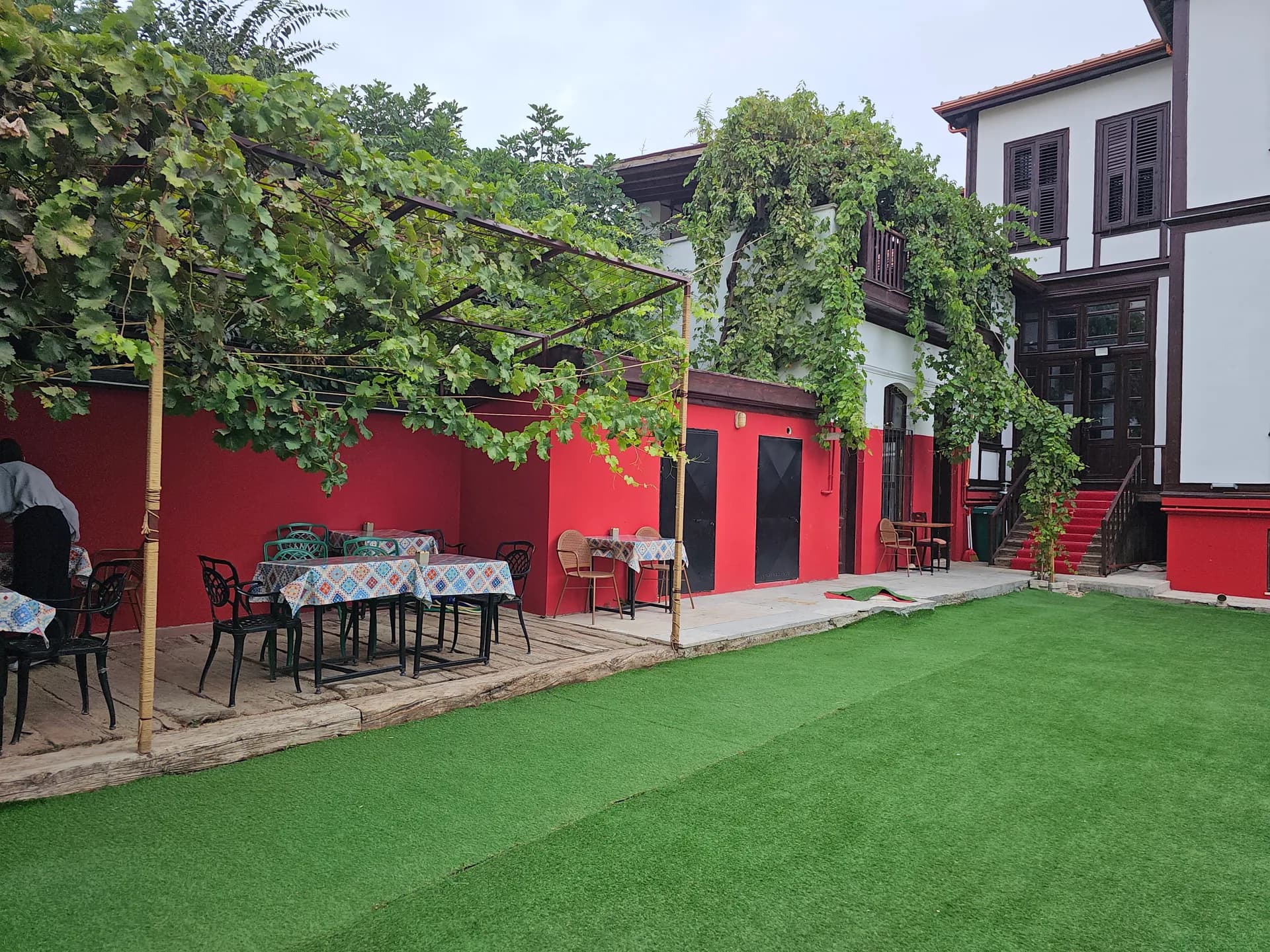
Events
Engagements, small weddings and private celebrations
The Surviving Structures
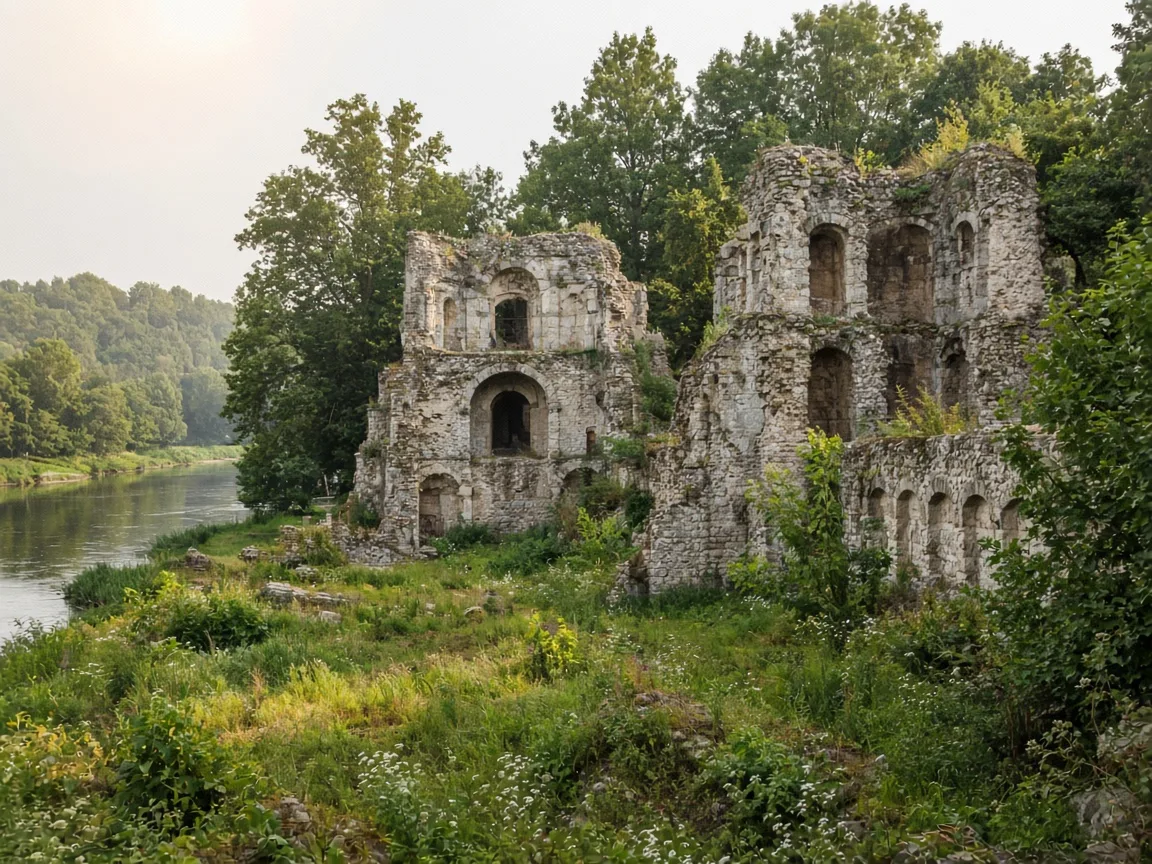
The remains you can see in Sarayiçi today:
Adalet Kasrı (Tower of Justice, 1561)
The best-preserved building of the palace; sources also describe it as "the only building that survived intact". It was built in 1561 by Mimar Sinan on the orders of Süleyman the Magnificent. It has a square plan in neat cut stone, and is covered with a dome on the inside and a pyramidal cone on the outside.
The floor layout tells you its function: on the first floor a şerbethane (sherbet room), on the second floor a divanhane (council hall), and on the top floor a pavilion room with a pool belonging to the sultan, with a marble selsebil (cascading fountain) in the middle. In its time it served the Imperial Council (Divan-ı Hümayun) and a judicial function; according to legend, Süleyman wrote the empire's laws here. An interesting detail: because of the water channels running through its walls, the building was long thought to be a water-balancing tower.
Breakfast
A generous Turkish breakfast spread in the garden
The two stone pedestals in front of the pavilion are also worth seeing: one is the "seng-i hürmet" (stone of respect), where the people left their petitions, and the other the "seng-i ibret" (stone of warning).
Note: According to sources, the interior of the building is closed to visitors; it is a good idea to check the current situation before you go.
Fatih Bridge (1452)
On the northern branch of the Tunca River, it links the palace's Hasbahçe and the Kum Meydanı (Sand Square). The three-arch bridge, built of neat cut stone, is dated 1452. It is also known as the Cephanelik (Arsenal) Bridge, the Süvari (Cavalry) Bridge and the Hasbahçe Bridge.
Other remains
- Wall remains of the Cihannüma Pavilion
- Kum Kasrı (Sand Pavilion) and the single-domed Kum Kasrı Hammam
- Bâbüssaâde (Gate of the White Eunuchs)
- Part of the nine-domed palace kitchens
- Kanuni Bridge — the bridge giving access into the palace grounds
Kırkpınar and the Er Meydanı
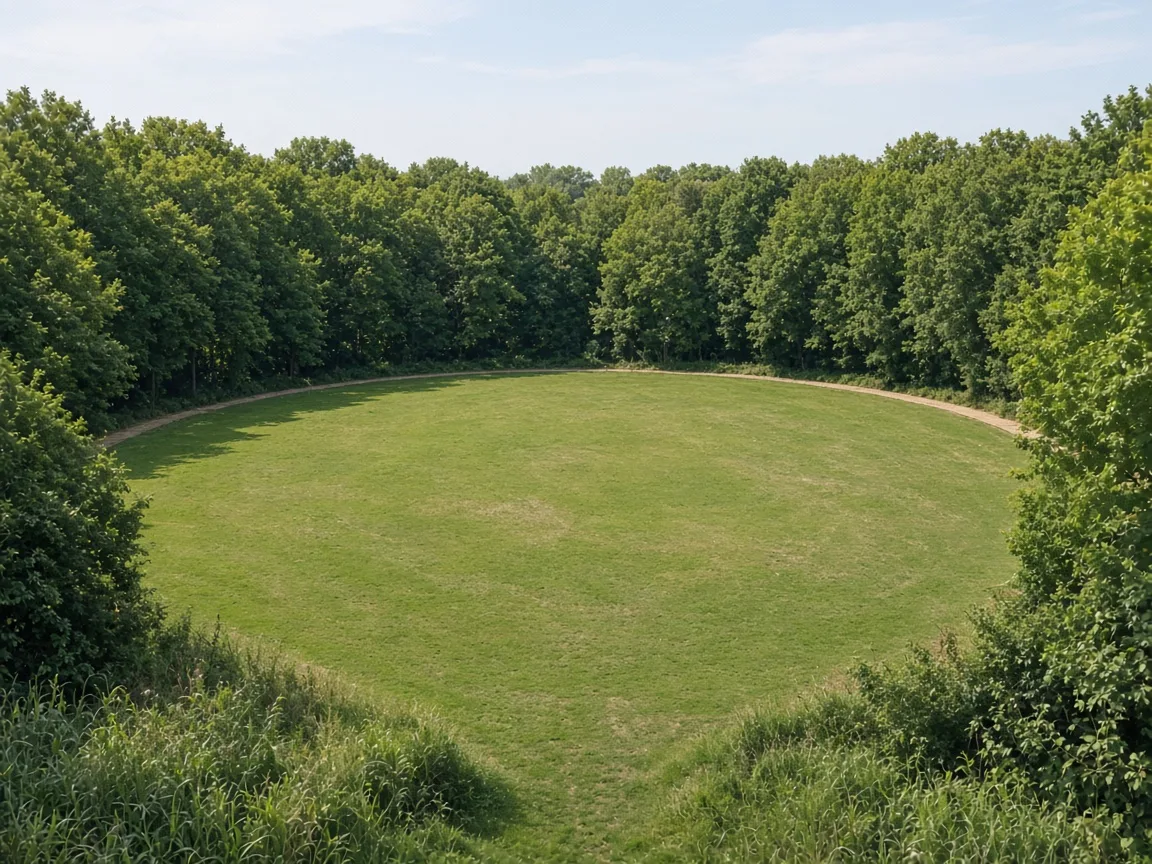
The real source of Sarayiçi's fame today is the Historic Kırkpınar Oil Wrestling. The wrestling takes place here, in the Er Meydanı.
The Kırkpınar Oil Wrestling Festival was inscribed in 2010 on UNESCO's Representative List of the Intangible Cultural Heritage of Humanity. According to the description by the Turkish National Commission for UNESCO, each festival is opened by the Kırkpınar Ağası, the honorary patron of the event, with a ceremony featuring forty drum and zurna (shawm) ensembles. The Golden Belt is carried through the city in a ceremonial procession after prayers are said at the Selimiye Mosque.
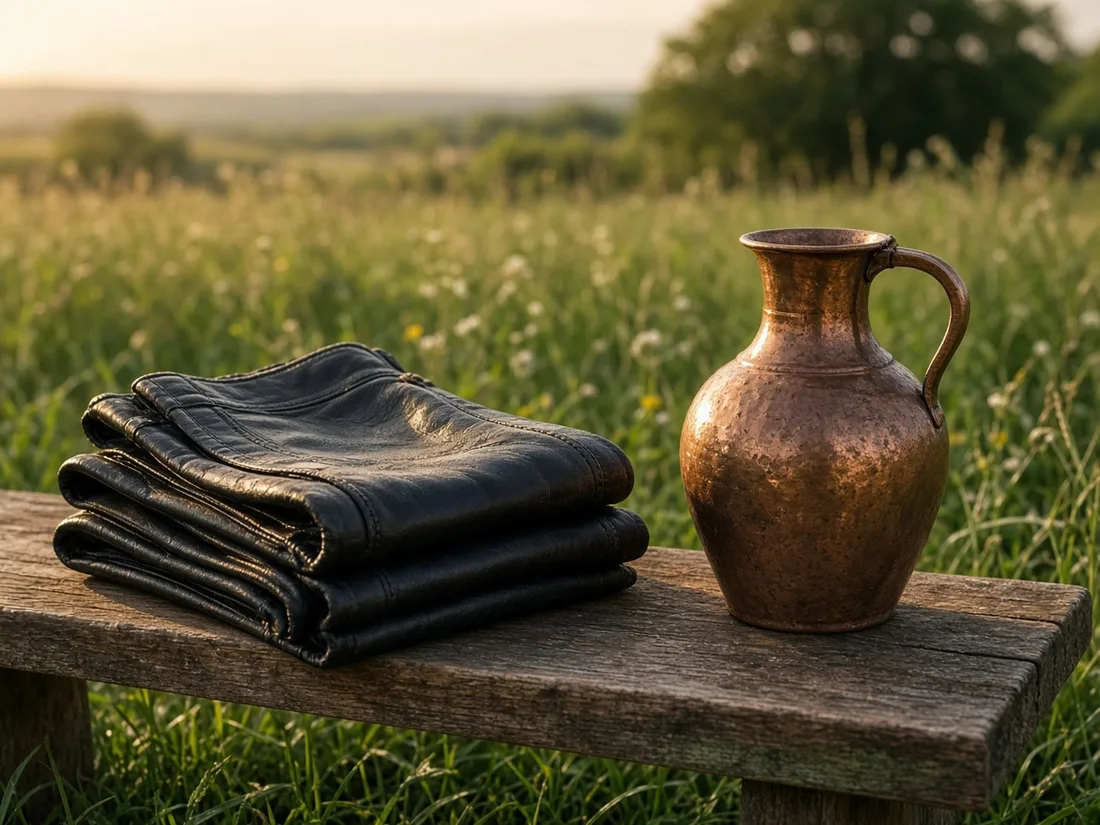
Details of the wrestling tradition: the wrestlers (pehlivan) wear thick trousers called "kıspet", made of water buffalo or cow hide, and are oiled with the help of an oiler and a cloth bearer. During the wrestling, drummers and zurna players play wrestling tunes unique to Kırkpınar. The contests are open to men of every culture, region and age, without distinction of religion, language or ethnicity; wrestlers are trained within a master-apprentice tradition.
Calendar
Kırkpınar is held every year between late June and early July. In 2026, the 665th edition took place from 29 June to 5 July; the wrestling bouts were held on 3–5 July in the Er Meydanı. On the last day, the finals in the başaltı and başpehlivan (chief wrestler) categories take place, and the auction for the next year's ağalık (patronage) is held.
The Kakava bonfire
The other date each year when the same area takes centre stage is 5 May. As part of the Kakava–Hıdırellez Festivities, the giant Kakava bonfire is lit in Sarayiçi and pilaf is served; on the morning of 6 May at 06:00, the "Entry into Spring" ritual takes place on the banks of the Tunca. The events are free. For the season and event plan, see our best time to visit Edirne article.
Sightseeing Route
The most efficient approach is to combine Sarayiçi with the stops around it:
1. Saraçhane Bridge: Built in 1451 by Şahabettin Paşa, Beylerbeyi (Governor-General) of Rumelia; 120 metres long, 5 metres wide, with 12 arches. In the middle there is a covered resting area. 2. Sarayiçi: Adalet Kasrı, Fatih Bridge and the palace remains — 45–60 minutes. 3. Er Meydanı: The Kırkpınar arena — 15 minutes. 4. Sultan Bayezid II Complex Health Museum: On the banks of the Tunca; the complex was built in 1488, and the museum won the Council of Europe Museum Prize in 2004. Details in our Edirne Health Museum guide. 5. Hıdırlık Redoubt (Balkan History Museum): Built between 1886 and 1888; it has 18 artillery rooms, a 120-metre tunnel and 4 passage rooms.
This route fits the second day of a three-day programme exactly; details in our Edirne in 3 days guide. If you want to extend your riverside walk, see our Meriç and Tunca river walking route article.
Practical Tips
- Time: Set aside half a day for Sarayiçi and its surroundings.
- Ground: The area is wide and open; comfortable shoes are needed.
- Shade: Shade is limited in the ruins area. In summer, the average maximum temperature in July–August is 32.1 °C (Turkish State Meteorological Service, MGM, 1930–2025); choose the early morning hours.
- Kırkpınar week: The busiest time of the year in the city; accommodation needs to be booked months in advance.
- Photography: The Adalet Kasrı and the Fatih Bridge look very good in afternoon light; see our Edirne photo spots article.
Location and Getting There
Sarayiçi is on the banks of the Tunca River in the north-west of the city and can be reached from the centre by city transport or a short ride. The address of the Adalet Kasrı is recorded as Sarayiçi/Edirne.
You can measure the distance to Sarayiçi using our location in Kaleiçi, Edirne (Google Maps). Central Edirne accommodation lets you combine Sarayiçi and the other stops along the Tunca in a single day; for options, see our stay in a historic konak in Edirne page. If you are coming from out of town, our how to get from Istanbul to Edirne article shows the way.
Frequently Asked Questions
Where is Sarayiçi and why is it important?+
It is in the north-west of Edirne, on the banks of the Tunca River. It holds the remains of the Saray-ı Cedid-i Âmire, considered the largest of the Ottoman palaces, and the Er Meydanı, where Kırkpınar is held. One walk covers both the ruins and the reason the meadow is famous.
When was the Edirne Palace built?+
Construction began in 1450 in the reign of Murad II and was completed by Sultan Mehmed the Conqueror. The main building, the Cihannüma Pavilion, is dated 1452. Begun under Murad II and finished by the Conqueror, with the main pavilion dated in that same campaign. You are in the capital-era palace, not a later pleasure house.
Why was the Edirne Palace destroyed?+
The palace was ruined while being used as an ammunition depot during the Ottoman-Russian War of 1877–1878; most of it was destroyed in 1877. The standing pieces are the exception.
Which structures are still standing in Sarayiçi?+
The Adalet Kasrı (1561), the Fatih Bridge (1452), the wall remains of the Cihannüma Pavilion, the Kum Kasrı and its hammam, the Bâbüssaâde and part of the nine-domed palace kitchens. If it is not on that list, do not expect a roof.
Who built the Adalet Kasrı?+
Mimar Sinan built it in 1561 on the orders of Süleyman the Magnificent. The three-storey building has a sherbet room on the first floor, a council hall on the second and a pavilion room with a pool on the top. The outside tells you the storeys; the inside is often shut.
Can you visit the Adalet Kasrı?+
According to sources, the interior of the building is closed to visitors; you can see its exterior and the seng-i hürmet and seng-i ibret stones in front of it. Check the current situation before you go. The interior is reported closed, so check before you come only for the rooms.
When is Kırkpınar held?+
Every year in late June–early July. In 2026, the 665th Kırkpınar was held from 29 June to 5 July; the wrestling took place on 3–5 July in the Er Meydanı. Late June into early July, and a recent edition filled those days at the meadow. Wait for the municipality's next dates before you book the year after.
Is Kırkpınar on the UNESCO list?+
Yes. The Kırkpınar Oil Wrestling Festival was inscribed in 2010 on UNESCO's Representative List of the Intangible Cultural Heritage of Humanity. The meadow is a heritage site because of the wrestling, which is why the week is crowded and the rest of the year is not.
Where is the Kakava bonfire lit?+
In Sarayiçi. It is lit every year on the evening of 5 May; on the morning of 6 May at 06:00, the Entry into Spring ritual takes place on the banks of the Tunca. Here, on the evening of the first May date, with the dawn ritual by the Tunca the next morning. If you want both, plan the night in between.
How long does a visit to Sarayiçi take?+
Half a day is enough, including the stops around it. In wrestling week, go early or accept the crowds as the visit.
You may also like: Accommodation, Breakfast, Events.