Edirne's bridges: build dates and sizes of the Saraçhane, Gazi Mihal, Tunca and Meriç bridges, plus a walking route and photo tips. Plan your route now.
Edirne's historic bridges are a series of stone bridges over the Tunca and Meriç rivers spanning the 15th to the 19th century: the main ones are the Saraçhane (1451), Fatih (1452), II. Bayezid (1484–1488), Kanuni (mid-16th century), Yalnızgöz (1567–1570), Gazi Mihal, Tunca (1608–1615) and Meriç (1842–1847) bridges. The most famous stone bridge within the province, however, is Uzunköprü over the Ergene (1427–1443).
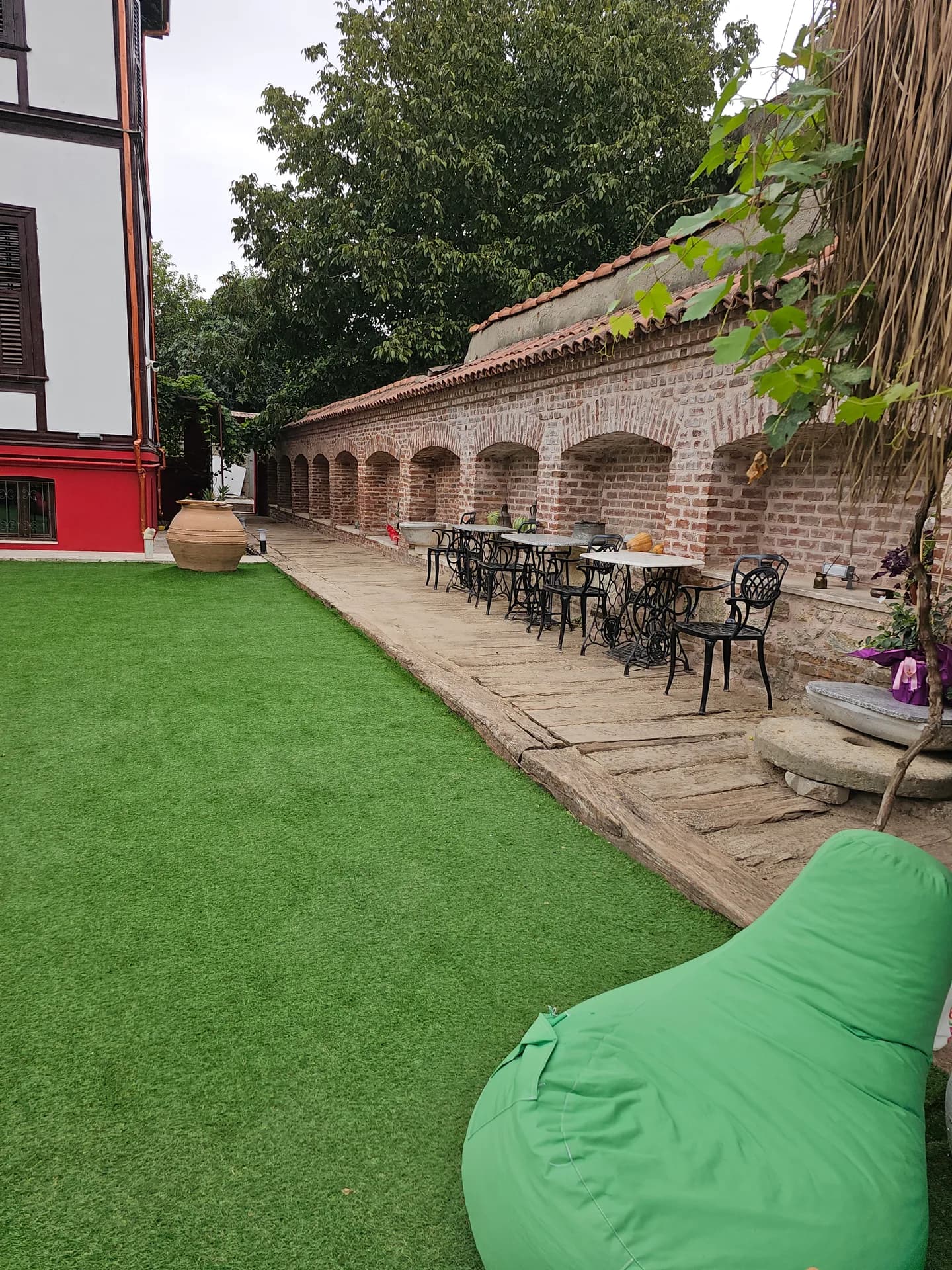
Café & Restaurant
Coffee, desserts and a relaxing break
Because the city was founded in the embrace of two rivers, bridges became part of everyday life in Edirne. Locally they are sometimes called "the city's necklaces"; most are still open to pedestrians and traffic today.
Quick Overview
| Bridge | River | Built | Patron / architect | Size (according to sources) |
|---|---|---|---|---|
| Saraçhane | Tunca | 1451 | Şehabeddin Paşa | 120 m, 12 arches |
| Fatih | Tunca | 1452 (believed) | Reign of Mehmed II | 34 m, 3 spans |
| II. Bayezid | Tunca | 1484–1488 | Bayezid II | 6 large spans |
| Kanuni (Saray) | Tunca | 1553–1554 or 1560 | Suleiman the Magnificent, Mimar Sinan | 4 spans |
| Yalnızgöz | Branch of the Tunca | 1567–1570 | Selim II | 1 large, 5 small spans |
| Gazi Mihal | Tunca | Early 15th c.; renewed 1900–1903 | Gazi Mihal Bey; Abdülhamid II | 184.18 m, 16 spans |
| Tunca (Ekmekçizade) | Tunca | 1608–1615 | Ekmekçizade Ahmed Paşa | 136.30 m, 10 arches |
| Meriç (Mecidiye) | Meriç | 1842–1847 | Sultan Abdülmecid | 263 m, 12 arches |
| Uzunköprü | Ergene | 1427–1443 | Murad II, Mimar Muslihiddin | Originally 1,392 m, 174 arches |
The Tunca Bridges North of Edirne: The Palace and Mosque Complex Line
North of Edirne, the Tunca winds in wide loops around Sarayiçi. In the Ottoman period, the palace, the mosque complexes and the city were linked by bridges built over these loops.
Saraçhane Bridge (1451)
According to the Kültür Portalı (Türkiye's culture portal), the Saraçhane Bridge was built in 1451 by Şehabeddin Paşa, one of the leading statesmen of Murad II's reign. The bridge is 120 metres long and 5 metres wide; it has 11 piers and 12 arches, and the arches at either end are buried underground. When its middle arch collapsed in 1702, it was repaired by Sultan Mustafa II and lengthened by about 50 metres. It takes its name from the Saraçhane neighbourhood to its east. The inscription pavilion and the balcony projection in its middle are the best places to stand on the bridge and watch the river.
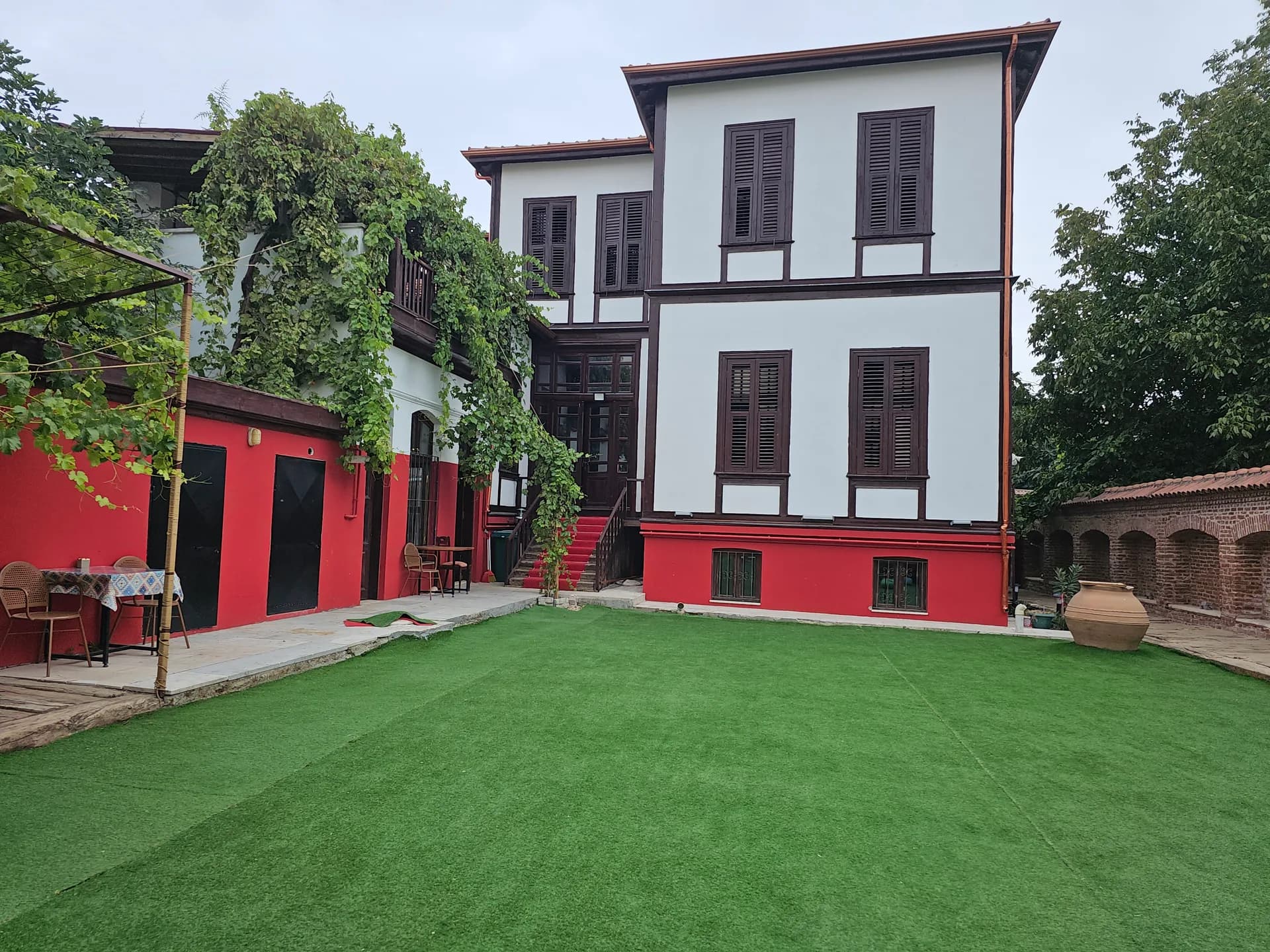
Stay
Stay in Edirne Kaleiçi with breakfast included
Fatih Bridge (1452)
It crosses the Tunca in Sarayiçi, between the Adalet Kasrı (Justice Pavilion) and Demirkapı. Although its exact construction date is unknown, it is accepted to have been built in 1452, in the reign of Mehmed II. With a large span in the middle and two small ones at the sides, the bridge is about 34 metres long. The Adalet Kasrı right next to the bridge, commissioned by Suleiman the Magnificent from Mimar Sinan in 1561, is the only structure of the Edirne Palace to survive intact.
Kanuni (Saray) Bridge
This bridge, which links Sarayiçi to the city, is of dressed stone and has four spans. Sources give different construction dates: the Kültür Portalı writes that it is believed to have been commissioned from Mimar Sinan around 1560 together with the Adalet Kasrı, while local sources give 1553–1554. Different lengths, such as 60 and 80 metres, are also reported. Sources mention that two of its arches were damaged in the 1902 flood. Across the bridge you reach the Sarayiçi flatland, home to the Kırkpınar wrestling ground (Er Meydanı); we describe the area in detail in our Sarayiçi and Kırkpınar guide.
II. Bayezid and Yalnızgöz Bridges
According to the TDV Encyclopaedia of Islam, the II. Bayezid Bridge (Yeni İmaret Bridge) was built together with the mosque complex to link it to the city. As it has no inscription, its date is set by the mosque's inscription, dated 1484–1488. It has six large pointed-arch spans of cut stone and two relief openings; sources give different lengths, such as 78 and 126.55 metres.
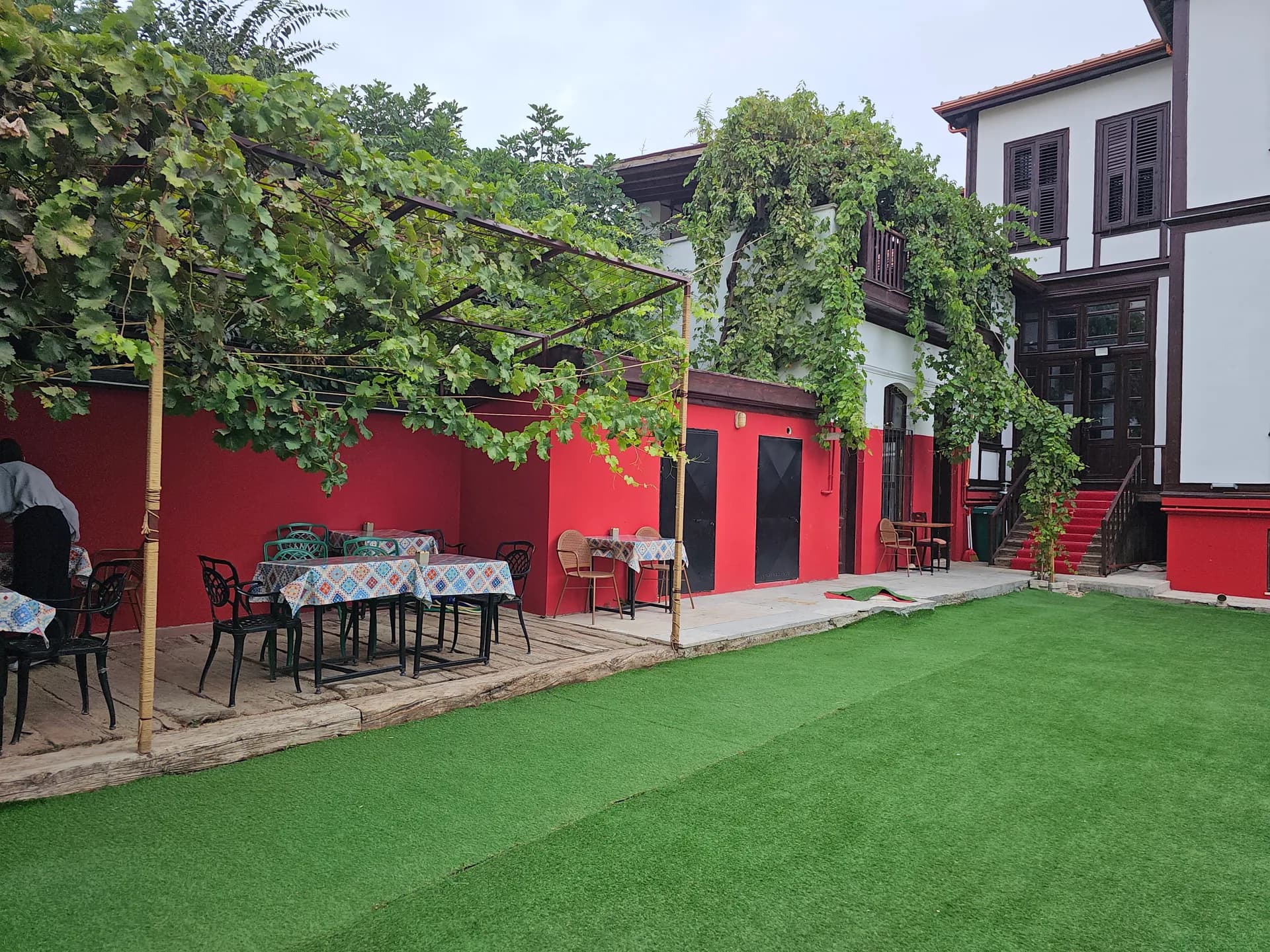
Events
Engagements, small weddings and private celebrations
The Yalnızgöz Bridge continues on from the II. Bayezid Bridge, over a branch of the Tunca. According to the Kültür Portalı inventory, it was built in 1570 in the reign of Selim II; some local sources mention 1567 and Mimar Sinan. It has a single large span on one side and five small spans on the other; it takes its name from this lone large arch ("yalnız göz", single eye). From the two balcony projections in the middle, stairs lead down to the water. Walking across the two bridges brings you straight to the II. Bayezid Complex, today's Health Museum.
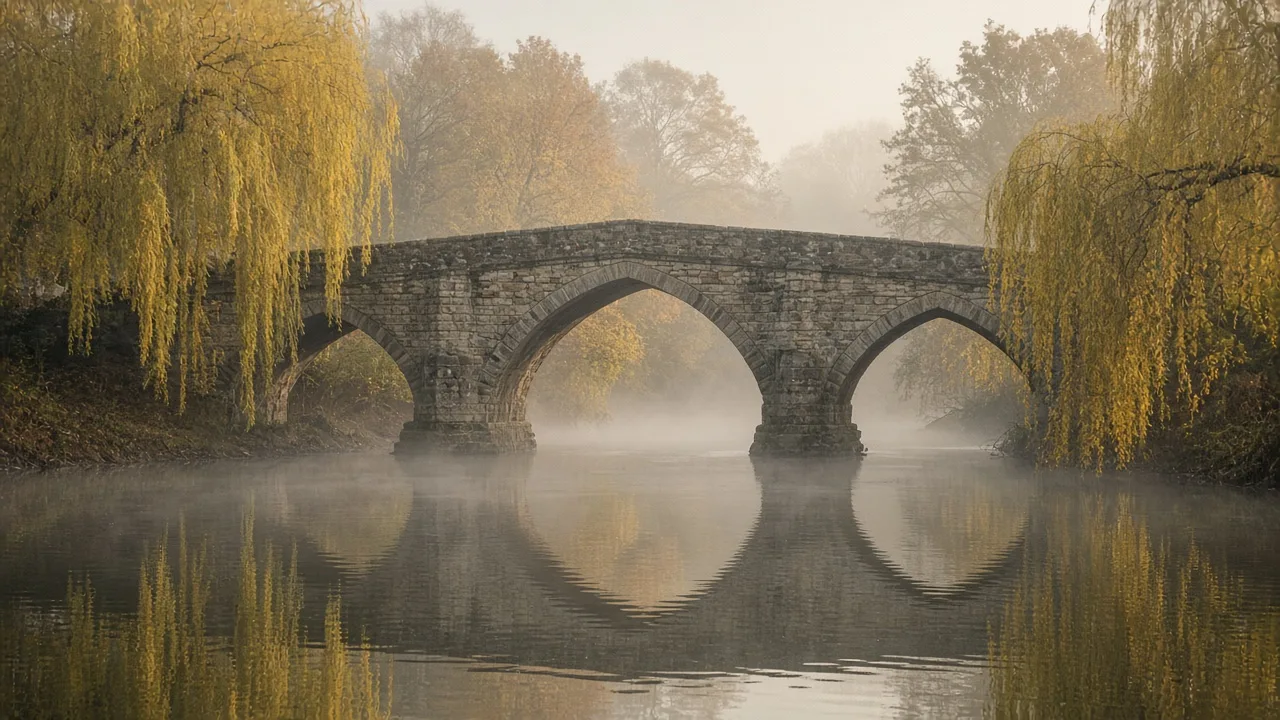
Gazi Mihal Bridge: The Ancient Crossing on the Kapıkule Road
The Gazi Mihal Bridge crosses the Tunca on the Kapıkule road to the west of the city. According to the TDV Encyclopaedia of Islam, the bridge's origins are accepted to go back to the Roman or Byzantine period; in the Ottoman period it was rebuilt, perhaps on the old foundations. Although its link to Gazi Mihal Bey cannot be firmly documented, it very probably belonged to his foundation, since it stands near his mosque and hammam. Sources give 1402 and 1420 for the Ottoman construction.
The bridge's history is a chain of repairs:
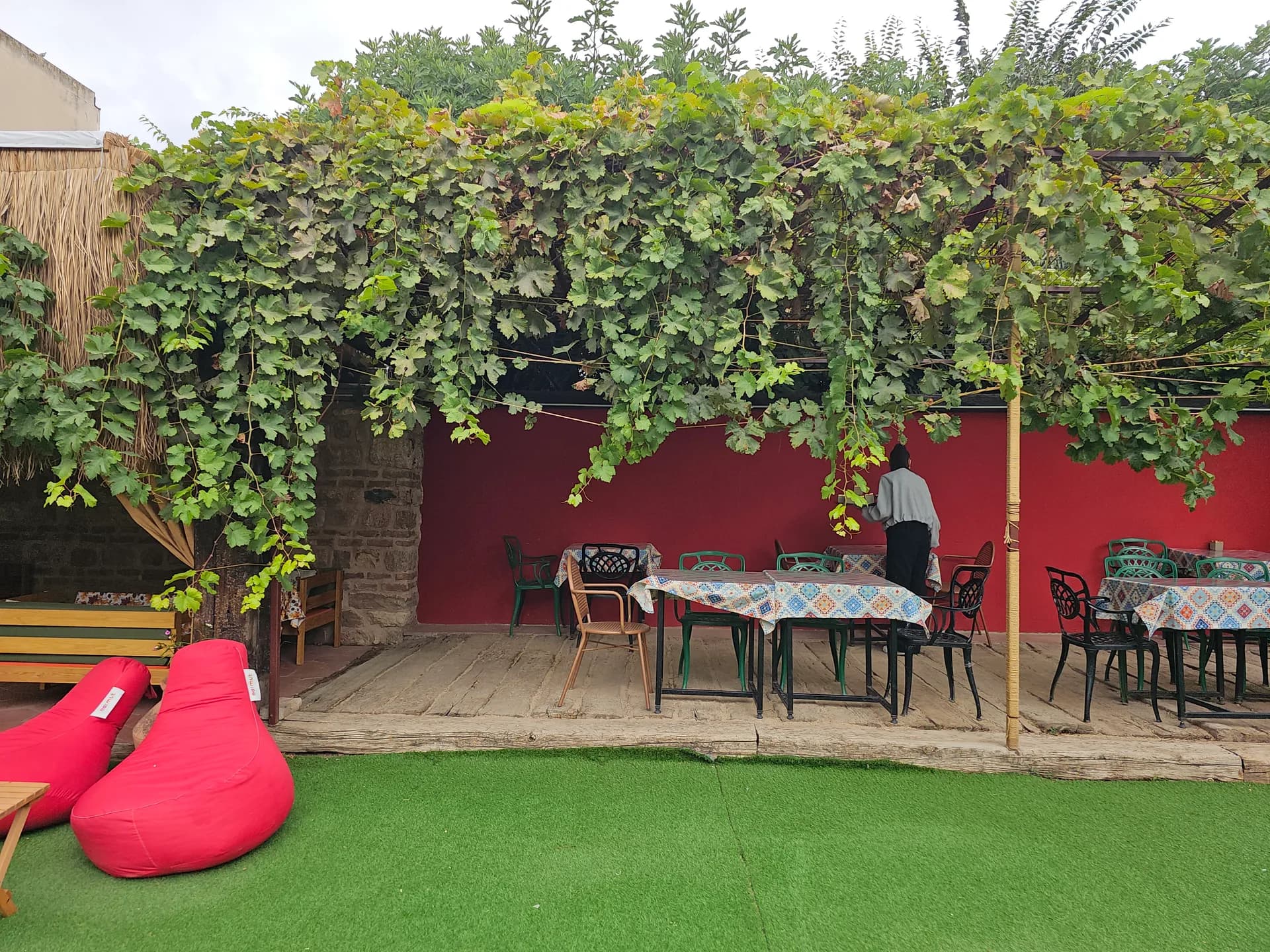
Breakfast
A generous Turkish breakfast spread in the garden
- 1640–1641: Grand Vizier Kemankeş Mustafa Paşa had it repaired; the date pavilion in the middle dates from this period.
- 1653: Evliya Çelebi describes the bridge as "built with stones as big as an elephant" and its arches as "like a rainbow".
- 1752: It was ruined in an earthquake and repaired on the orders of Mustafa III.
- 1900–1903: On the orders of Abdülhamid II, it was almost entirely rebuilt by Italian craftsmen and named the "Hamidiye Bridge". Locals kept using its old name.
According to Highways measurements, the bridge is 184.18 metres long and 5.90 metres wide, with 16 spans of 8.50 metres. The semicircular arches and the crescent-and-star emblems between them show the renewal of the 1900s. According to researchers, Rome's famous Via Militaris also entered the city along the line of this bridge.
The Meriç and the Karaağaç Road: The Tunca and Meriç Bridges
The road from Kaleiçi southwest to Karaağaç crosses two large bridges one after the other. Both are among the most photographed structures in Edirne today.
Tunca (Ekmekçizade Ahmed Paşa) Bridge
According to the Kültür Portalı, the Tunca Bridge was built between 1608 and 1615 by the treasurer Ekmekçizade Ahmed Paşa. The Kültür Portalı names its architect as Sedefkâr Mehmed Ağa; some researchers point out that this attribution is based on conjecture. The bridge has 10 arches on 11 piers; according to local sources it is 136.30 metres long and 6.90 metres wide. Half of it and the inscribed pavilion in the middle were destroyed by floods, and it was restored faithfully to the original in 2008. On calm days, the reflection of the arches in the water draws almost perfect circles.
Meriç (Mecidiye) Bridge
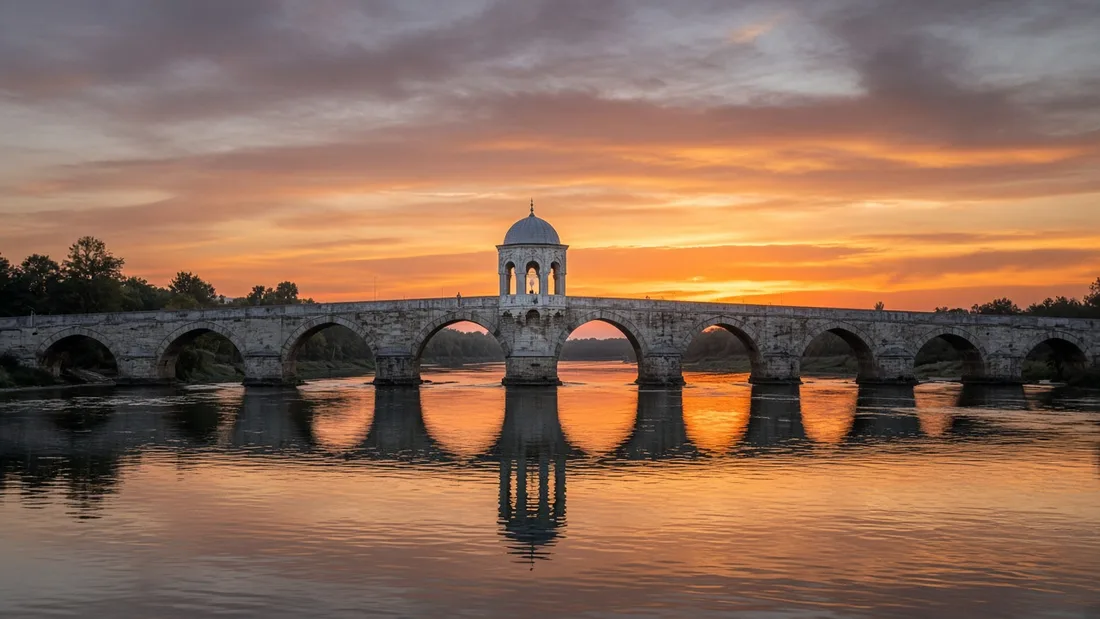
According to the Kültür Portalı, construction of the Meriç Bridge, regarded as a symbol of Edirne, began in 1842 in the reign of Sultan Abdülmecid, and the bridge was completed in 1847. It is a stone bridge 263 metres long and 7 metres wide, with 12 pointed arches on 13 piers; there are relief openings between the piers. The inscribed pavilion in its middle is of marble. According to a study by a Trakya University researcher based on Ottoman archives, however, the construction order was given in 1831 in the reign of Mahmud II, and its architect appears in the archive records as Edhem Efendi of the Hacegân (senior scribes).
The bridge is on the road to Karaağaç and the Pazarkule Border Crossing. The Edirne Governorship may apply one-way traffic towards Karaağaç on the Meriç and Tunca bridges in summer; if you are driving, confirm the current arrangement before you go. For those on foot, the bridge is the start of the road leading to the historic station building and the Lausanne Monument in Karaağaç.
A Note from Across the Province: Uzunköprü
The district of Uzunköprü, about 60 km south of central Edirne, takes its name from its bridge over the Ergene River. Built by Mimar Muslihiddin in the reign of Murad II between 1427 and 1443, the bridge, according to the TDV Encyclopaedia of Islam, was originally 1,392 metres long with 174 spans. As the ground has filled in, 164 spans remain open today. The bridge is on the UNESCO World Heritage Tentative List and is cited as the longest surviving stone bridge in the world. For detailed visiting information, see our Uzunköprü travel guide.
Edirne Bridges Walking Route
Edirne's historic bridges are grouped along two separate lines; you can do both on the same day, but it is tiring.
Southern line: Kaleiçi – Tunca Bridge – Meriç Bridge (about 2 km)
1. Walk from Kaleiçi towards Karaağaç; the road first reaches the Tunca Bridge. 2. Shortly after crossing the Tunca, the Meriç Bridge begins. The walk from Kaleiçi to here takes about 25 minutes. 3. Catch the sunset on the bridge and, if you like, continue to Karaağaç; you can return the same way.
Northern line: Saraçhane – Sarayiçi – II. Bayezid Complex (half a day)
1. Cross the Tunca over the Saraçhane Bridge. 2. In Sarayiçi, see the Kanuni and Fatih bridges, the Adalet Kasrı and the Kırkpınar wrestling ground. 3. Reach the mosque complex over the II. Bayezid and Yalnızgöz bridges, and visit the Health Museum. 4. As the Gazi Mihal Bridge is on the Kapıkule road, it requires a separate walk or a short drive.
We cover the influence of the two rivers on the city and riverside walks more widely in our Meriç and Tunca river walking route.
Starting the route from Kaleiçi makes it easy both to set off early in the morning and to rest in the evening. Komşu Konak is on the outer side of Kaleiçi, at İzmir Caddesi No 18, Mithat Paşa neighbourhood; those arriving by car can start walking without parking trouble on the outer edge of the area. If you would like to stay the night, see our page on staying in Kaleiçi, Edirne's old town, and plan your route with our location in Kaleiçi, Edirne (Google Maps).
Photography Tips for Edirne's Bridges
- Evening on the Meriç Bridge: Towards sunset, the bridge's arches and marble pavilion catch a warm light. To see the whole bridge, look for a side angle from the bank.
- Reflections on the Tunca: On windless mornings, the arches of the Tunca Bridge draw circles in the water. Oktay Aslanapa also wrote that the reflection of the arches in the water forms a parabola.
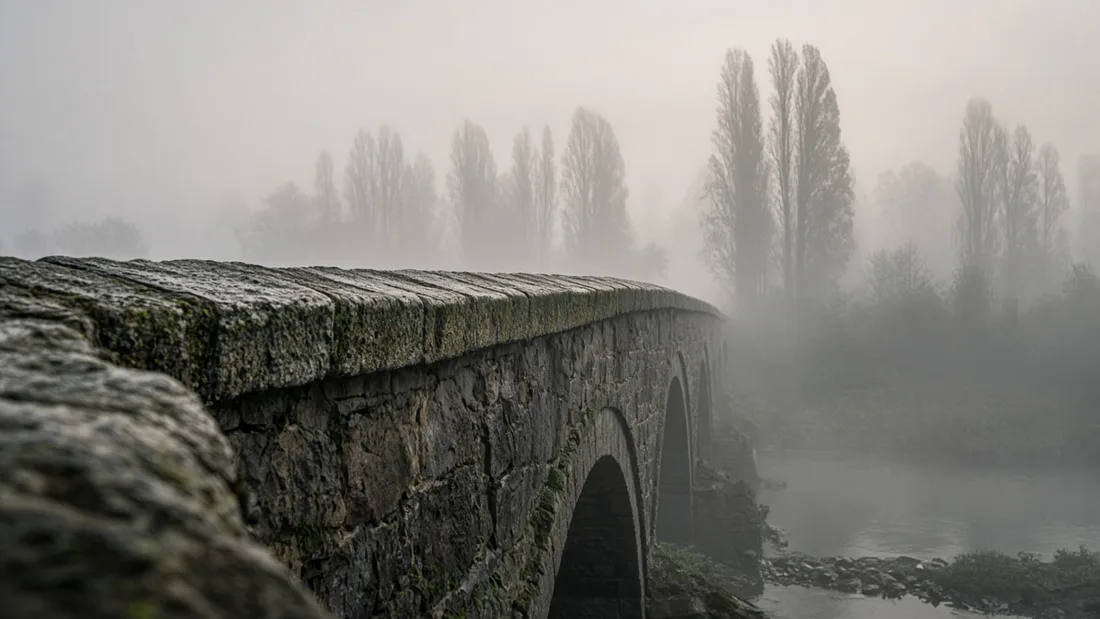
- Morning mist: On autumn and winter mornings, mist can form over the river; the Sarayiçi bridges look very different in this light.
- Details: The crescent-and-star emblems on Gazi Mihal, the steps of Yalnızgöz leading down to the water and the inscription pavilions are good close-up subjects.
- Safety: Most bridges are open to traffic; shoot from the pavement and do not let your tripod spill into the road.
- River level: Do not go down to the bank during floods; when the water is high, the lower arches are not visible anyway.
For those considering a portrait shoot against a controlled backdrop, our photo spots in Edirne page describes the options in a historic mansion courtyard.
Frequently Asked Questions
How many historic bridges are there in Edirne?+
In the centre there are eight main historic stone bridges over the Tunca and Meriç: the Saraçhane, Fatih, II. Bayezid, Kanuni, Yalnızgöz, Gazi Mihal, Tunca (Ekmekçizade) and Meriç bridges. Across the province, Uzunköprü over the Ergene is added to these. Start with the ones a Kaleiçi walk actually reaches.
When was the Meriç Bridge in Edirne built?+
According to the Kültür Portalı, construction began in 1842 in the reign of Sultan Abdülmecid and was completed in 1847. A study based on the archives suggests that the construction order was given in 1831 in the reign of Mahmud II. In the mid nineteenth century, under Abdülmecid, with one archive study putting the order earlier. Quote the portal's dates, and treat the earlier order as a separate claim.
How long is the Meriç Bridge and how many arches does it have?+
It is 263 metres long and 7 metres wide, with 12 pointed arches on 13 piers. Cross on foot if you want to feel the length rather than see it from a car.
Which is the oldest bridge in Edirne?+
The Gazi Mihal Bridge, whose origins are accepted to go back to the Roman or Byzantine period. The oldest Ottoman bridge with a firmly known date is the Saraçhane Bridge of 1451. Say which kind of oldest you mean.
Are Edirne's bridges the work of Mimar Sinan?+
The Kanuni (Saray) Bridge is attributed to Mimar Sinan; some local sources also link the Yalnızgöz Bridge to him. The other bridges were commissioned by different patrons in different periods. The others belong to different patrons and centuries.
Can you walk to the Meriç Bridge?+
Yes. It is about 2 km from Kaleiçi, and the walk takes about 25 minutes; the road first crosses the Tunca Bridge. It is a proper walk, not a step across the street.
Where can you watch the sunset in Edirne?+
The Meriç Bridge and its surroundings are where people most often watch the sunset in Edirne. Leave the centre in time, because the walk itself uses a good part of the late afternoon.
How far is Uzunköprü from central Edirne?+
The district of Uzunköprü is about 60 km south of central Edirne; the bridge was built between 1427 and 1443. Well to the south, and the bridge is early Ottoman. It is a district outing, not a stop you add after Selimiye.
How long is the Saraçhane Bridge, and who had it built?+
Şehabeddin Paşa in 1451, over the Tunca: 120 metres, with 12 arches. The Fatih Bridge is believed to date from 1452, in the reign of Mehmed II, at 34 metres with 3 spans. The set of bridges runs from the 15th century to the 19th, over the Tunca and the Meriç.
Which Edirne bridges belong to Bayezid II and to Süleyman?+
The II. Bayezid Bridge over the Tunca is dated 1484–1488 and has 6 large spans. The Kanuni, or Saray, Bridge is given as 1553–1554 or 1560, for Süleiman the Magnificent and Mimar Sinan, with 4 spans. Yalnızgöz, on a branch of the Tunca, is 1567–1570.
You may also like: Accommodation, Breakfast, Events.