The year, founder and quarter of 12 historic mosques in Edirne: Muradiye tiles, Gazi Mihal, Selimiye and a suggested walking order. Plan your mosque route now.
Edirne's historic mosques show, in a single city, an Ottoman architectural journey of about 170 years, from the Eski Cami (Old Mosque), whose foundations were laid in 1403, to Selimiye, opened for worship in 1575. The main buildings are: Eski Cami, Gazi Mihal Bey, Şah Melek Paşa, Beylerbeyi, Muradiye, Üç Şerefeli, Ayşe Kadın, Evliya Kasım Paşa, Sitti Sultan, Bayezid II, Selimiye and Defterdar Mustafa Paşa mosques. Most of these mosques are in the centre or on the Tunca bank and can be visited on foot or with a short drive.
Café & Restaurant
Coffee, desserts and a relaxing break
The city's mosque architecture is a textbook in itself: every stage still stands in Edirne, from the early nine-domed plan to the zaviye-type buildings of the Murad II period, and on to the great space Mimar Sinan gathered under a single dome.
Quick Overview
| Mosque | Built | Founder | Quarter / location |
|---|---|---|---|
| Eski Cami (Old Mosque) | 1403–1414 | Begun by Emir Süleyman, completed by Çelebi Mehmed | Centre, next to the Bedesten |
| Gazi Mihal Bey Mosque | 1421–1422 | Gazi Mihal Bey | Kapıkule road, Tunca bank |
| Şah Melek Paşa Mosque | 1429 | Şah Melek Paşa, governor-general of Rumelia | At the end of the Gazi Mihal Bridge |
| Beylerbeyi Mosque | 1429 | Sinaneddin Yusuf Paşa | Babademirtaş Mahallesi |
| Muradiye Mosque | 1435–1436 (inscription) | Murad II | Muradiye hill |
| Üç Şerefeli Mosque | 1438–1447 | Murad II | Centre |
| Ayşe Kadın Mosque | 1468 | Ayşe Hatun, daughter of Çelebi Mehmed | Ayşekadın quarter |
| Evliya Kasım Paşa Mosque | 1478 | Vizier Evliya Kasım Paşa | Kirişhane, Tunca bank |
| Sitti Sultan Mosque | 1482 | In the name of Sitti Hatun | Sabuni Mahallesi |
| Bayezid II Mosque | 1484–1488 | Bayezid II (architect Hayreddin) | Yeniimaret, Tunca bank |
| Selimiye Mosque | 1568–1574 | Selim II (Mimar Sinan) | Centre |
| Defterdar Mustafa Paşa Mosque | Second half of the 16th century | Defterdar Mustafa Paşa | Sabuni Mahallesi, Atatürk Caddesi |
Dates are given according to inscriptions and foundation records; for some buildings, sources give dates that differ by a year or two.
The Big Three in the Centre: Selimiye, Üç Şerefeli and Eski Cami
The three buildings that first come to mind when people think of Edirne's mosques stand a few hundred metres from one another in the city centre and represent three separate periods of Ottoman architecture.
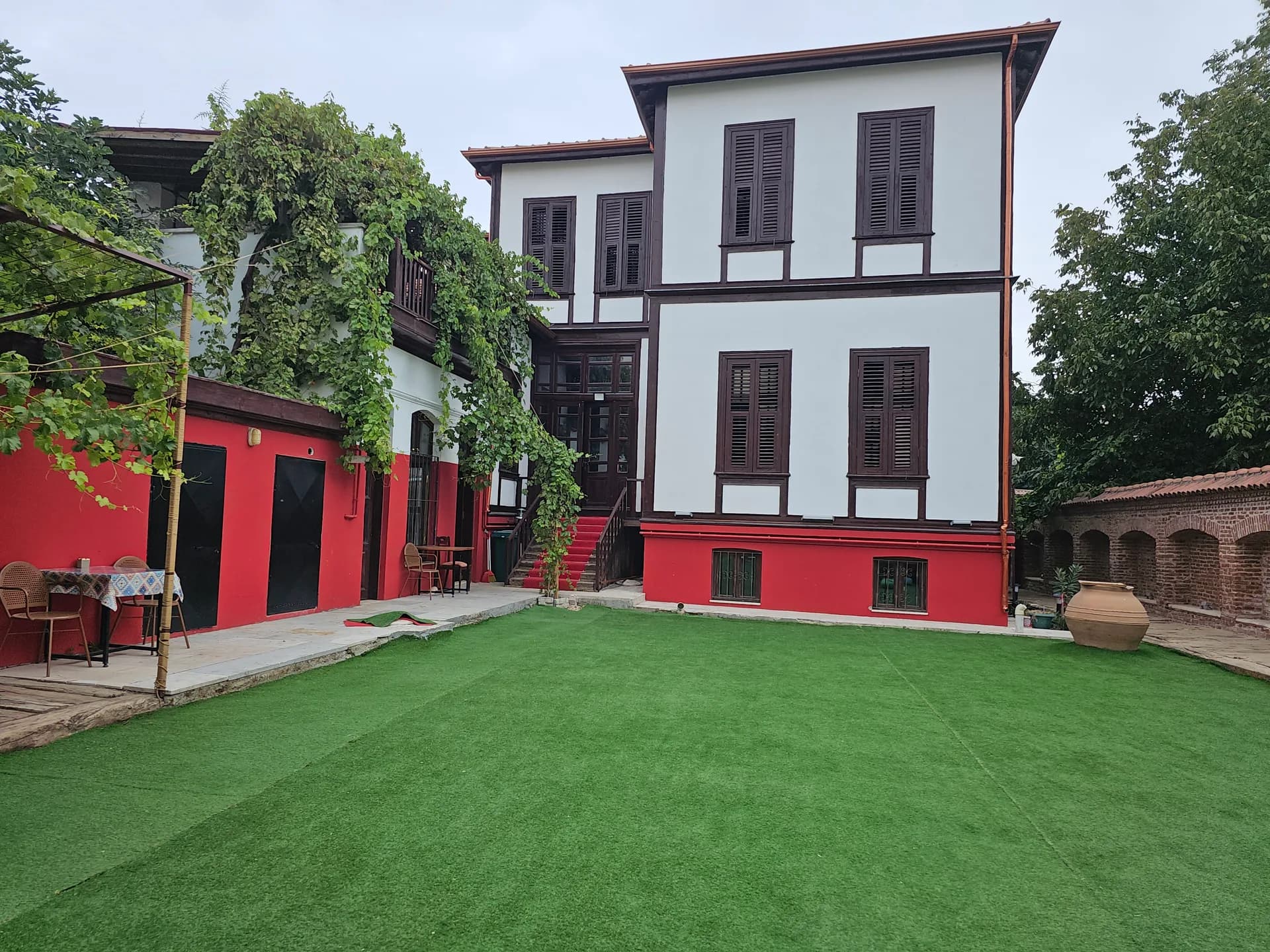
Stay
Stay in Edirne Kaleiçi with breakfast included
Eski Cami (1403–1414): Begun under Emir Süleyman and completed in the reign of Çelebi Mehmed, the mosque is the first monumental Ottoman building in Edirne to survive to the present day. According to the inscription on its side door, its architect was Hacı Alaeddin and the master builder who carried out the work was Ömer bin İbrahim. The square interior is covered by nine domes; the large calligraphy on the walls is the building's most memorable detail.
Üç Şerefeli Mosque (1438–1447): Built by Murad II, the mosque showed the way for later great mosques with its 24-metre central dome and its arcaded courtyard, used for the first time in Ottoman architecture. The minaret with three balconies (şerefe) that gives the mosque its name rises over 67 metres, and each balcony is reached by a separate staircase. To get to know both buildings in detail, take a look at our Üç Şerefeli and Eski Cami guide.
Selimiye Mosque (1568–1574): The mosque Mimar Sinan called his "masterpiece" was built for Selim II. According to the Kültür Portalı (Türkiye's culture portal), its dome is 31.30 metres in diameter and its minarets are 85.67 metres including their finials. The complex has been on the UNESCO World Heritage List since 2011. After a restoration by the General Directorate of Foundations lasting about four years, the mosque reopened for worship in 2026. For visiting hours and the interior, our Selimiye Mosque visiting hours and etiquette guide goes into more detail.
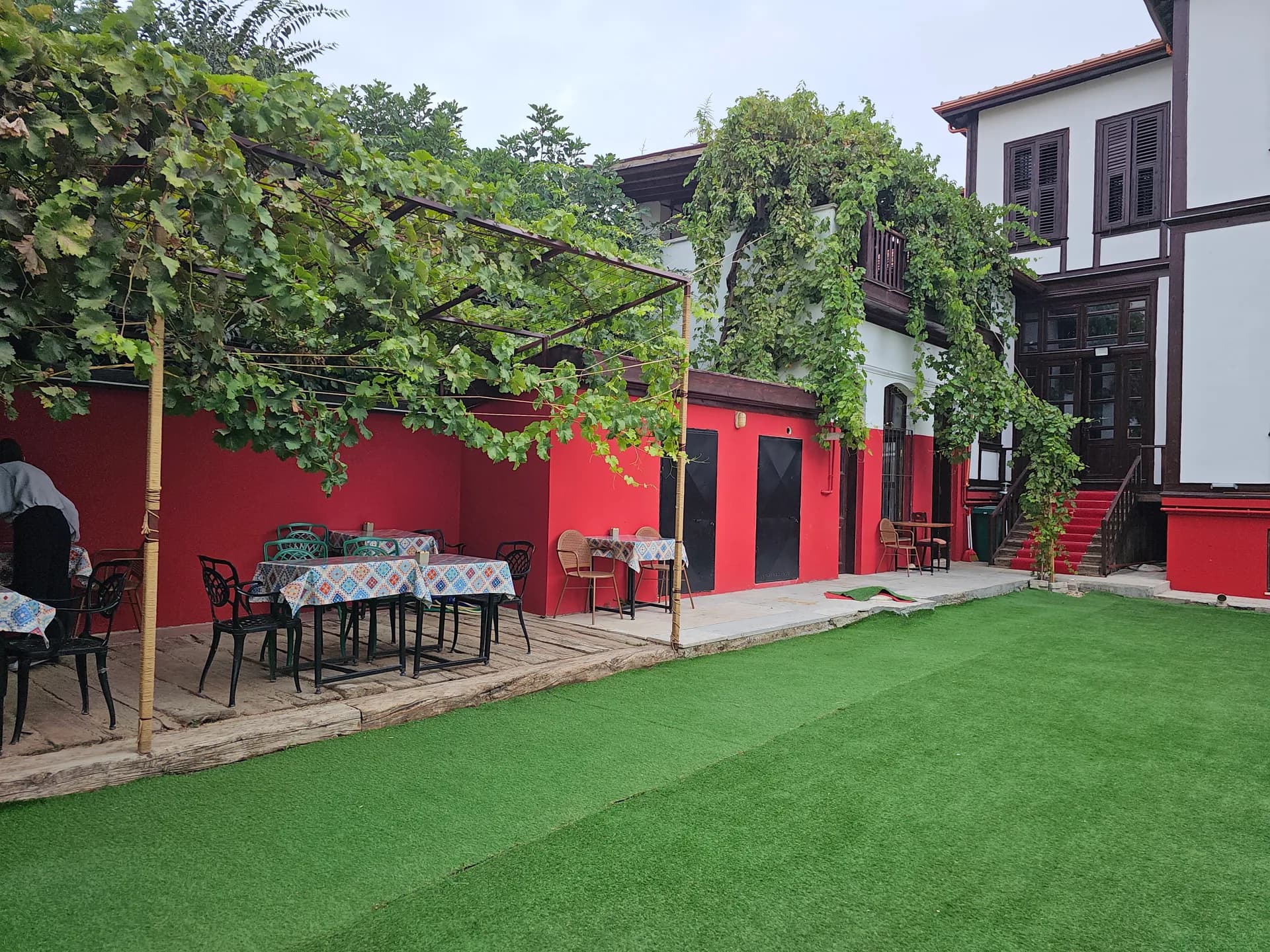
Events
Engagements, small weddings and private celebrations
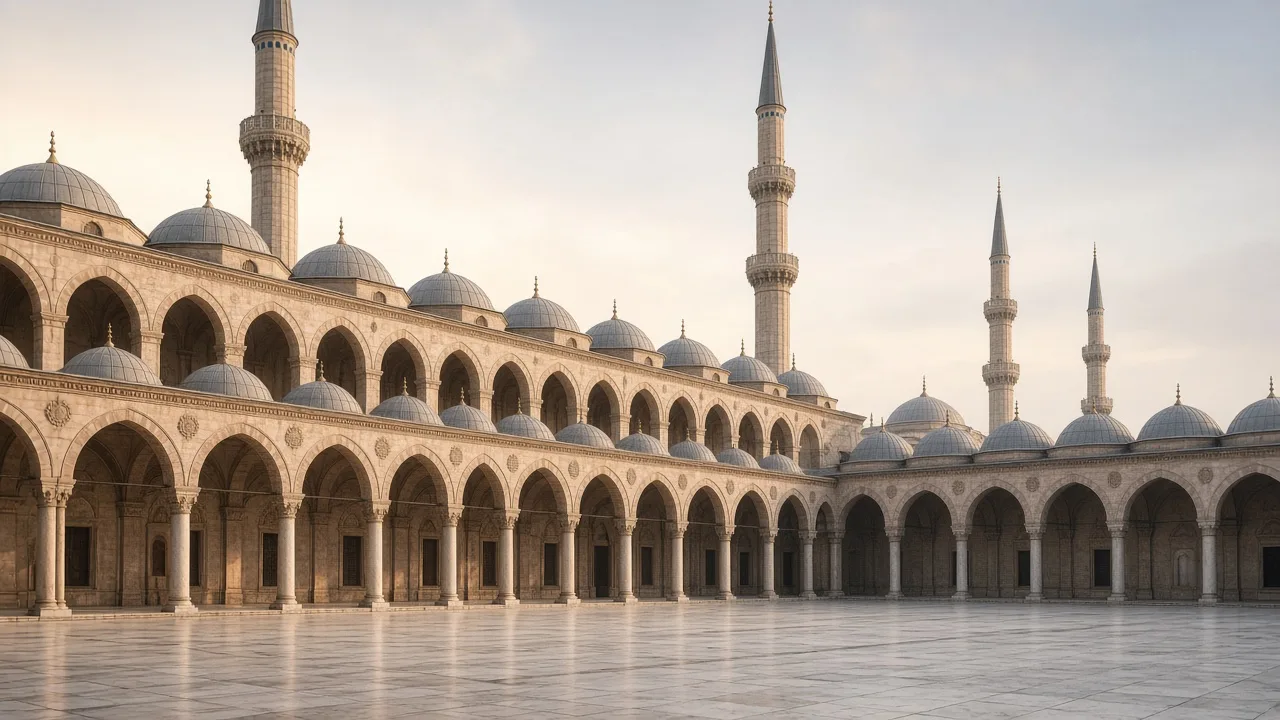
The Murad II Period: Muradiye, Şah Melek Paşa, Beylerbeyi and Gazi Mihal
In the first half of the 15th century, when Edirne was the capital, many medium-sized mosques were added to the city. Some of them follow the plan called "zaviye-type" or "with side rooms": next to the prayer hall are rooms where travellers and dervishes stayed.
Muradiye Mosque
Standing on a high hill overlooking Sarayiçi, Muradiye was first built by Murad II as a Mevlevi lodge, then converted into a mosque with the addition of a minbar and minaret. The inscription above the portal gives the date 1435–1436; the foundation deed, now lost, is known to have been dated 1426–1427. The architect is not certain; it is attributed to Şehabeddin, one of the architects of the period.
What makes the building famous is its 15th-century tiles inside. The side walls of the mihrab are covered with underglaze blue-and-white hexagonal tiles on a white ground, with turquoise triangles between them. The tile mihrab, made with the coloured-glaze technique, is considered one of the most important examples of early Ottoman tile art. Of the complex's Mevlevi lodge, soup kitchen and school, only the mosque, ablution fountain, fountain and graveyard have survived.
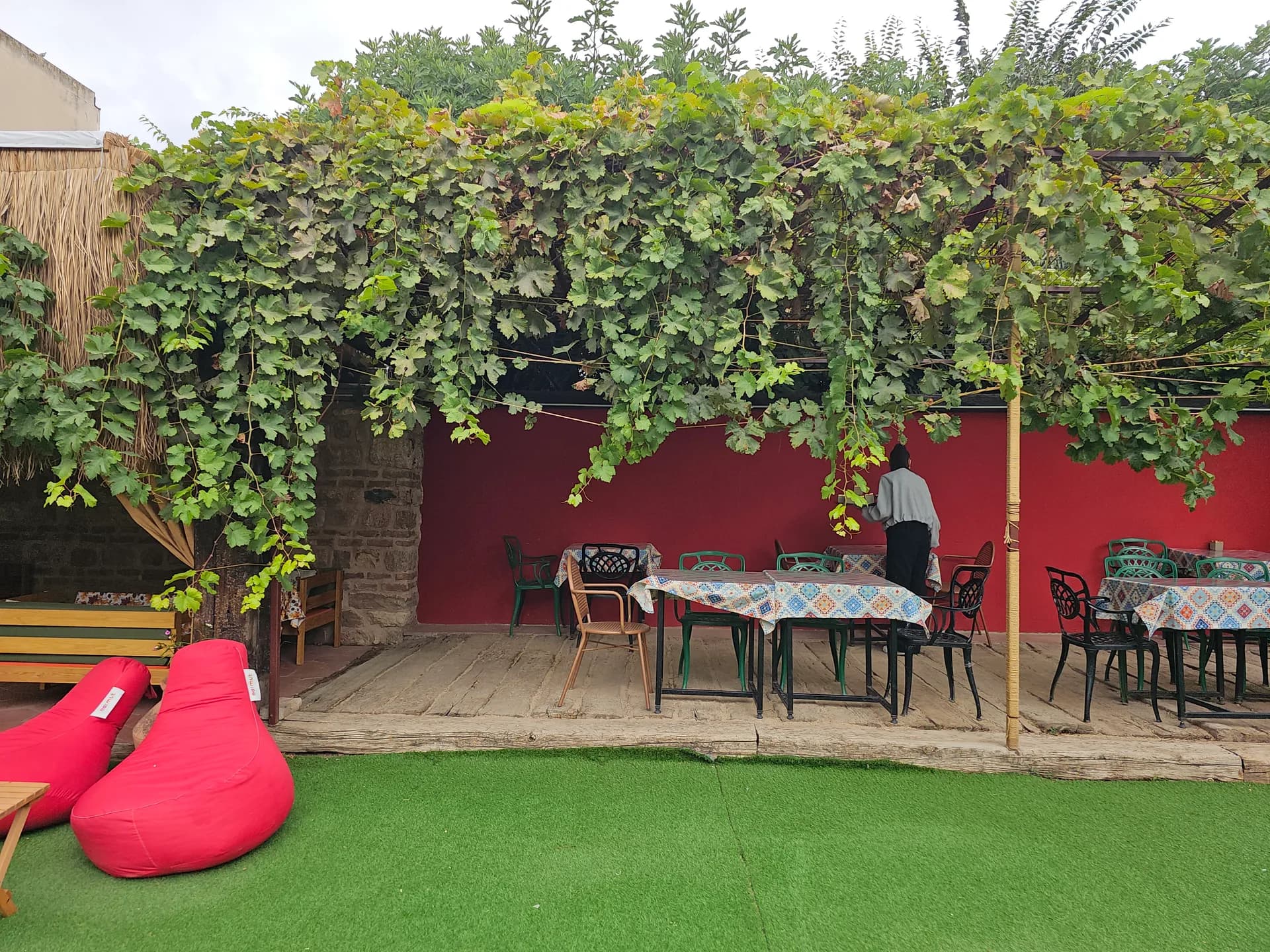
Breakfast
A generous Turkish breakfast spread in the garden
Şah Melek Paşa Mosque
It stands on the Kapıkule road, on the city side of the Gazi Mihal Bridge. It was built by Şah Melek Paşa, governor-general of Rumelia in the reigns of Mehmed I and Murad II; the inscription above the door gives the date June 1429. On the portal, the phrase "Allah ganî" (God is self-sufficient), repeated twelve times in Kufic script, and the turquoise-glazed bricks between the letters stand out. The founder died in 1441 and was buried in the mosque's graveyard. The building was repaired by the Directorate of Foundations between 1963 and 1966.
Beylerbeyi Mosque
It is in Babademirtaş Mahallesi, on the street leading from the Government House to Sarayiçi. It has no inscription; foundation records show that its founder was Sinaneddin Yusuf Paşa, governor-general of Rumelia, and that the building was established in 1429–1430. The mosque is part of a small complex made up of a mosque, tomb, hammam and madrasa. It has a single-domed plan with side rooms; the marble portal and the painted decoration under the great arch are worth seeing.
Gazi Mihal Bey Mosque
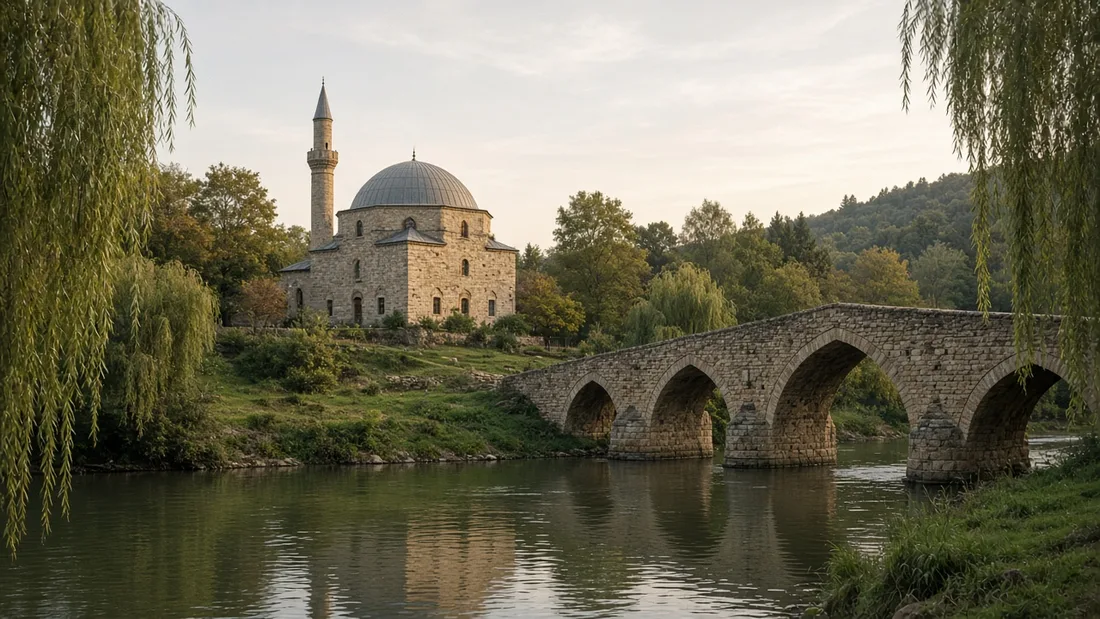
It stands on the Tunca bank, on the far side of the Gazi Mihal Bridge. According to its inscription, it was built by Gazi Mihal Bey in AH 825, that is 1421–1422. The plan, made up of a domed central hall and a barrel-vaulted prayer space, is one of the early examples in Edirne. Damaged in the 1953 earthquake, the mosque remained closed for many years and reopened in 1998 after restoration. The stone bridge beside it dates from 1420.
The Second Half of the 15th Century and the Sinan Period
Ayşe Kadın Mosque
It stands on the old İstanbul road, on Düz Kaldırım Caddesi in the Ayşekadın quarter that bears its name. According to its inscription, it was built in July 1468 by Ayşe Hatun, daughter of Çelebi Mehmed. Its dome and minaret collapsed in the 1752 earthquake and were later repaired. The quarter's present name also comes from this founder.
Evliya Kasım Paşa Mosque
This is a single-domed "waterside mosque" built in 1478 by Evliya Kasım Paşa on the bank of the Tunca River in the Kirişhane quarter. Left between the flood embankment and the river, it was often flooded and fell out of use in the mid-20th century. The General Directorate of Foundations began restoration in 2024; by June 2026 work had moved on to the ground-strengthening stage. If you cannot go inside, viewing the building from outside and from the riverbank is enough.
Sitti Sultan Mosque
It is in Sabuni Mahallesi, around Lise Bayırı Sokak. It was built in 1482 in the name of Sitti Hatun, wife of Sultan Mehmed the Conqueror and daughter of Dulkadiroğlu Süleyman Bey; it is also known locally as Sitti Şah Sultan and Hatuniye Mosque. It has three foundation deeds, dated 1520, 1530 and 1574. The building was repaired in the 1980s and 1990s.
Bayezid II Mosque
It stands at the centre of the large complex on the Tunca bank, about 2 kilometres from the city centre. The architect of the complex, built by Sultan Bayezid II between 1484 and 1488, was Hayreddin. A single dome about 20.5 metres in diameter covers the square prayer hall; on either side are guest wings (tabhane) of nine units each. The marble sultan's loge, regarded as one of the first royal loges in Ottoman mosques, and the courtyard surrounded by domed arcades are the building's standout details. The complex's hospital (darüşşifa) is now used as a museum; details are in our Edirne Health Museum guide.
Defterdar Mustafa Paşa Mosque
It stands on Atatürk Caddesi, between the Sitti Sultan and Ayşe Kadın mosques. As it has no inscription, its construction date is not known for certain; sources point to the second half of the 16th century and attribute the building to Mimar Sinan. Its slender minaret and plain façade reflect Sinan's style. The Directorate of Foundations renewed the dome, the late-comers' portico and the portal faithfully to the original in 1953 and 1962.
A Suggested Walking Order for Edirne's Mosques
Visiting all twelve mosques in one day is possible but tiring. A plan split into three parts is more comfortable:
1. Centre (half a day, on foot): Start with Eski Cami, move on to Üç Şerefeli and finish with Selimiye. All three are a few minutes from one another. Then climb the slope to the northeast and see the tiles of Muradiye. 2. Southern axis (2–3 hours): Start at Sitti Sultan in Sabuni Mahallesi, walk along Atatürk Caddesi to Defterdar Mustafa Paşa, and from there head down to the Ayşekadın quarter. 3. Tunca bank (half a day, partly by car): After Beylerbeyi Mosque, move on to the Bayezid II Complex. On the way back, see Evliya Kasım Paşa from outside in Kirişhane and close the day with the Şah Melek Paşa and Gazi Mihal Bey mosques at either end of the Gazi Mihal Bridge.
It makes sense to start the walk from Kaleiçi: from our konak on the outer edge of the quarter it is a 12–15 minute walk (~950 m) to Selimiye and a few minutes to the Ali Paşa Bazaar. When planning the route, our location in Kaleiçi, Edirne (Google Maps) can serve as your starting point. If you are thinking of a two-day trip, see our stay near Selimiye Mosque page, and for a table in the courtyard before setting off in the morning, our breakfast in a historic Kaleiçi mansion page.
Mosque Etiquette in Edirne
Almost all of Edirne's historic mosques are still open for worship today. A few simple rules both make your visit easier and show respect for the congregation:
- Mind prayer times. During prayer times, and especially the Friday noon prayer, wait in the courtyard instead of touring the interior.
- Clothing: Choose clothes that cover the shoulders and knees. Women visitors are expected to cover their hair; carrying a scarf is practical.
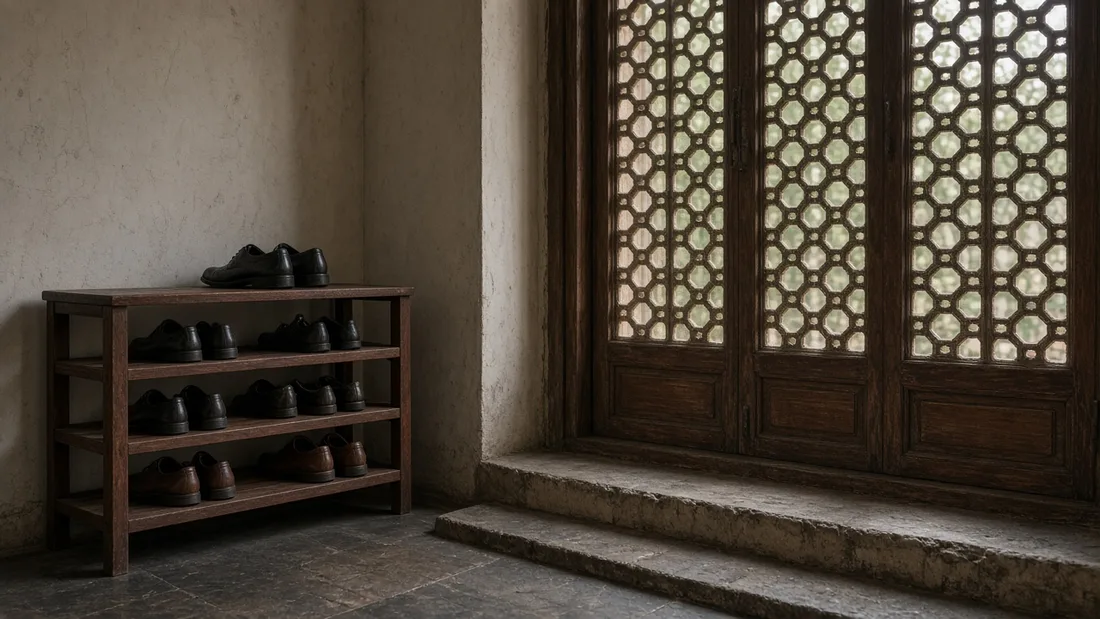
- Shoes: Shoes are taken off before stepping onto the carpet and placed on the racks or in a bag.
- Quiet and photography: Speak softly, do not use flash, do not walk in front of people praying and do not photograph them.
- Buildings under restoration: The interior may be closed in mosques where work is ongoing; confirm the current situation before you go.
As prayer times change with the seasons, it is a good idea to check the current timetable before planning your day.
Frequently Asked Questions
How many historic mosques are there in Edirne?+
It is hard to give an exact number; the city has many mosques and masjids from the Ottoman period. The main visitable and well-preserved buildings are the Eski Cami, Üç Şerefeli, Selimiye, Muradiye, Bayezid II, Gazi Mihal Bey, Şah Melek Paşa, Beylerbeyi, Ayşe Kadın, Sitti Sultan, Defterdar Mustafa Paşa and Evliya Kasım Paşa mosques. Too many for one exact public count. Start with the well-kept ones visitors can actually enter, and treat the long list as a second trip.
What is the oldest mosque in Edirne?+
The first monumental Ottoman building to survive to the present day is the Eski Cami, begun in 1403 and completed in 1414. It is the first monumental Ottoman mosque in the city that still stands.
Why is Muradiye Mosque famous?+
Because of its 15th-century tiles inside. The underglaze blue-and-white hexagonal tiles and the tile mihrab made with the coloured-glaze technique are counted among the important examples of early Ottoman tile art. Go for the walls, not for a large courtyard.
Which mosques in Edirne are by Mimar Sinan?+
The best known is Selimiye Mosque, built between 1568 and 1574. Defterdar Mustafa Paşa Mosque, which has no inscription, is also attributed to Mimar Sinan in the sources. Selimiye is the certain one.
How many days does it take to see Edirne's mosques?+
Eski Cami, Üç Şerefeli and Selimiye in the centre can easily be seen in half a day. When you add Muradiye, the mosques on the southern axis and the buildings on the Tunca bank, one and a half to two days is ideal.
Is there an entrance fee for the mosques?+
As Edirne's mosques are places of worship, there is generally no entrance fee. Conditions may differ for sections such as the museums within the Selimiye complex; confirm with an up-to-date source before you go. Rooms used as museums inside the Selimiye complex can differ, so ask there rather than assuming one rule for every door.
Where is Gazi Mihal Bey Mosque?+
It is on the Kapıkule road, on the bank of the Tunca River, on the far side of the Gazi Mihal Bridge. Şah Melek Paşa Mosque is on the city side of the same bridge.
Is Evliya Kasım Paşa Mosque open to visitors?+
The restoration begun by the General Directorate of Foundations in 2024 was still ongoing as of June 2026; the interior may be closed. Confirm the current situation before you go. The restoration that began that year was still going the following summer, so the interior may be shut. Check before you cross town for the inside.
How many years of Ottoman mosque-building does Edirne show in one city?+
About 170 years, from the Old Mosque, whose foundations were laid in 1403, to Selimiye, opened for worship in 1575. The Old Mosque was begun by Emir Süleyman and completed by Çelebi Mehmed between 1403 and 1414, next to the Bedesten. Most of these mosques are in the centre or on the Tunca bank, reached on foot or with a short drive.
Who built the Şah Melek Paşa Mosque, and where does it stand?+
Şah Melek Paşa, governor-general of Rumelia, in 1429, at the end of the Gazi Mihal Bridge. Gazi Mihal Bey Mosque, just before it in date, is 1421–1422 on the Kapıkule road by the Tunca. The twelve principal mosques run from the Old Mosque through to the Defterdar Mustafa Paşa Mosque.
You may also like: Accommodation, Breakfast, Events.