What does Edirne mean and where does the name come from? Follow its journey from Orestia and Uskudama to Hadrianopolis, Edrine and Edirne. Read the full story.
The name "Edirne" comes from the name of the Roman Emperor Hadrian and means "the city of Hadrian". In the 2nd century AD, Hadrian refounded the old settlement in the area and gave it his own name: Hadrianopolis. In the Ottoman period the name passed through the forms "Edrinus", "Edrinabolu" and "Edrene" before taking its present form, Edirne. Traces of the old name still live on in European languages: Adrianople in English, Adrianopel in German.
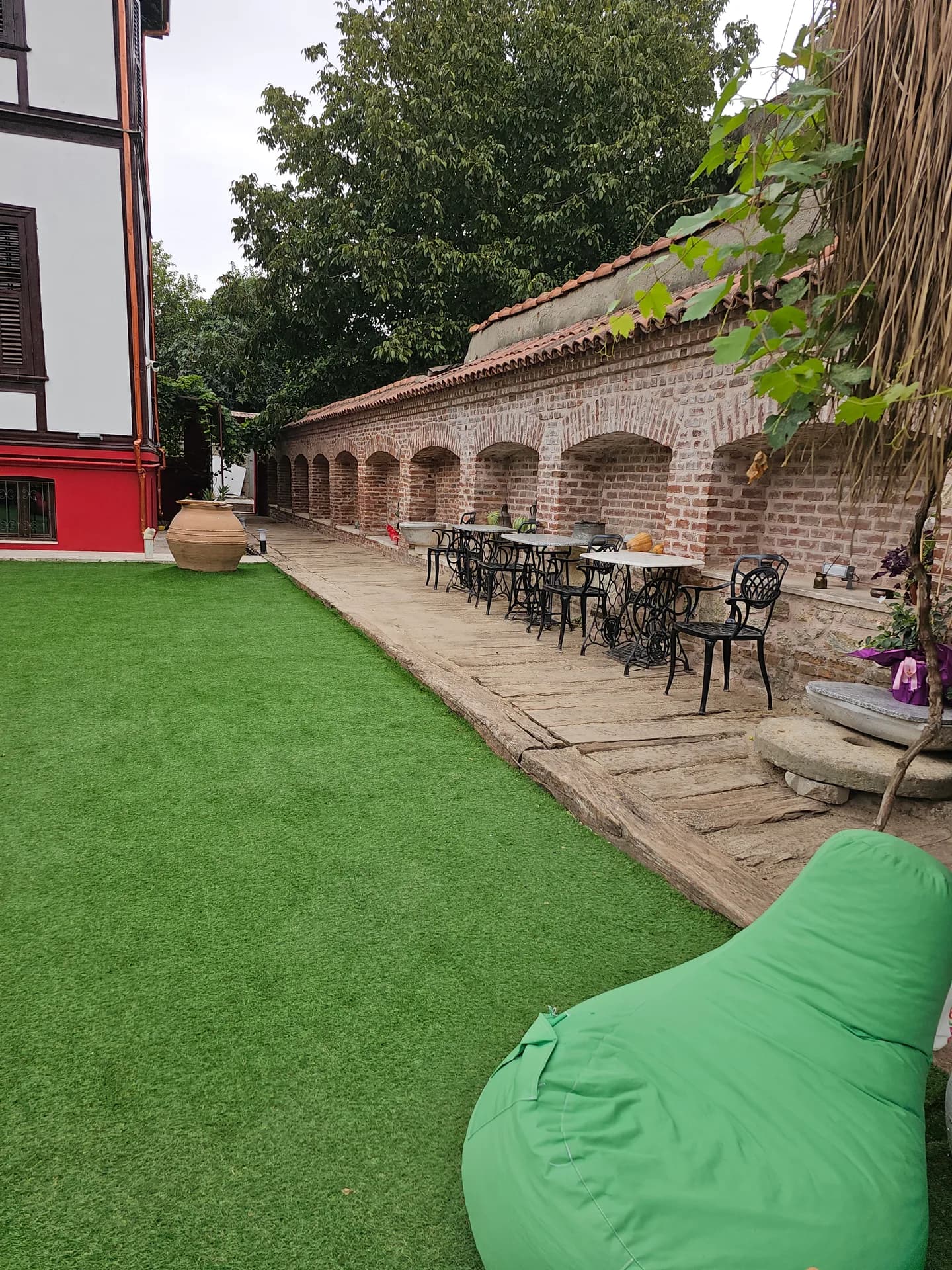
Café & Restaurant
Coffee, desserts and a relaxing break
The city had names before Hadrian too: Odrisia, from the Thracian Odrysian tribe; Orestia, from the Macedonian period; and Uskudama, mentioned by ancient writers. Below we follow this journey of names, and the correct spelling of the name, step by step.
Quick Overview
| Period | Name | Note |
|---|---|---|
| Thracian period | Odris / Odrisia | Settlement founded by the Odrysian tribe |
| Ancient sources | Uskudama | According to Ammianus Marcellinus and Eutropius |
| Macedonian period | Orestia / Orestias | Used in sources until the late Byzantine period |
| Roman period (after AD 123–124) | Hadrianopolis | "The city of Hadrian" |
| Early Ottoman period | Edrinus, Edrune, Edrinabolu, Edrene | The spelling "Edrene" under Murad I |
| Today | Edirne | Adrianople / Adrianopel in European languages |
What Does Edirne Mean?
The meaning of the word "Edirne" is hidden in the name it derives from, Hadrianopolis. The name has two parts:
- Hadrianus (Hadrian): The Roman Emperor who reigned from AD 117 to 138.
- Polis: Greek for "city".
So Hadrianopolis means "the city of Hadrian". It was a common tradition for Roman emperors to give their own names to cities they founded or refounded. Hadrian, too, enlarged this strategic settlement in Thrace and gave it his name. "Edirne" is the form of this name that, over the centuries, was shortened and reshaped to fit the sound pattern of Turkish.
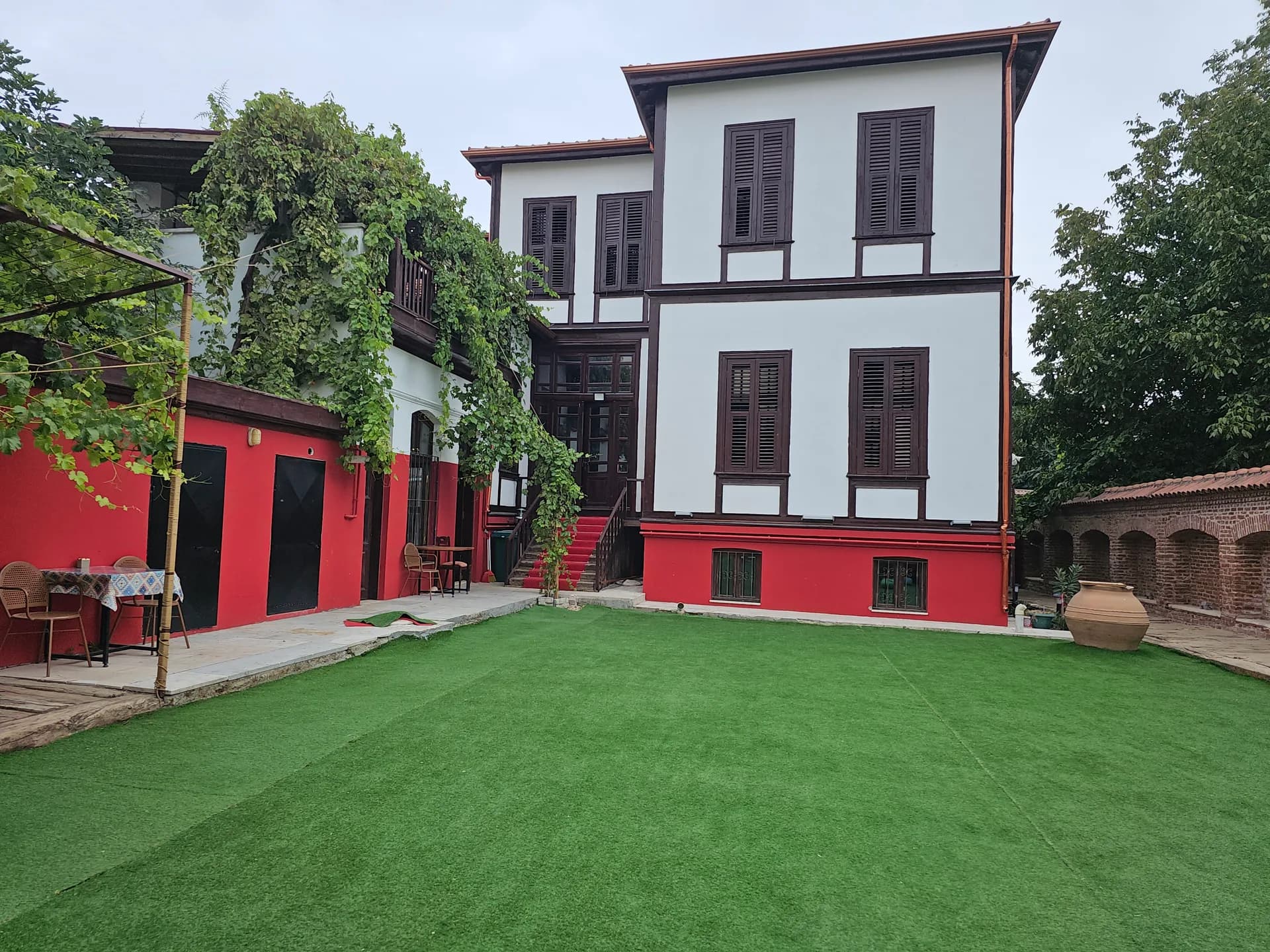
Stay
Stay in Edirne Kaleiçi with breakfast included
Before Hadrian: Odrisia, Orestia and Uskudama
According to the TDV Encyclopaedia of Islam, the oldest city on the site of Edirne was founded by the Odrysians, one of the Thracian tribes, where the Meriç and Tunca rivers meet. The history published by the Edirne Special Provincial Administration states that this settlement was most likely known as Odris or Odrisia.
When the Macedonians came to dominate the region, the city began to be known as Orestia or Orestias. According to the TDV, the Macedonians made it a colony of the Orestians and named its outskirts Gonnoi. The name Orestia was not forgotten even after Hadrianopolis became widespread; it continued to be used in late Byzantine sources.
The ancient writers Ammianus Marcellinus and Eutropius, meanwhile, give the city's pre-Roman name as Uskudama. Academic studies hold differing views on whether Uskudama was today's Edirne or another settlement nearby. In short, the sources do not agree on a single name for the period before Hadrian.
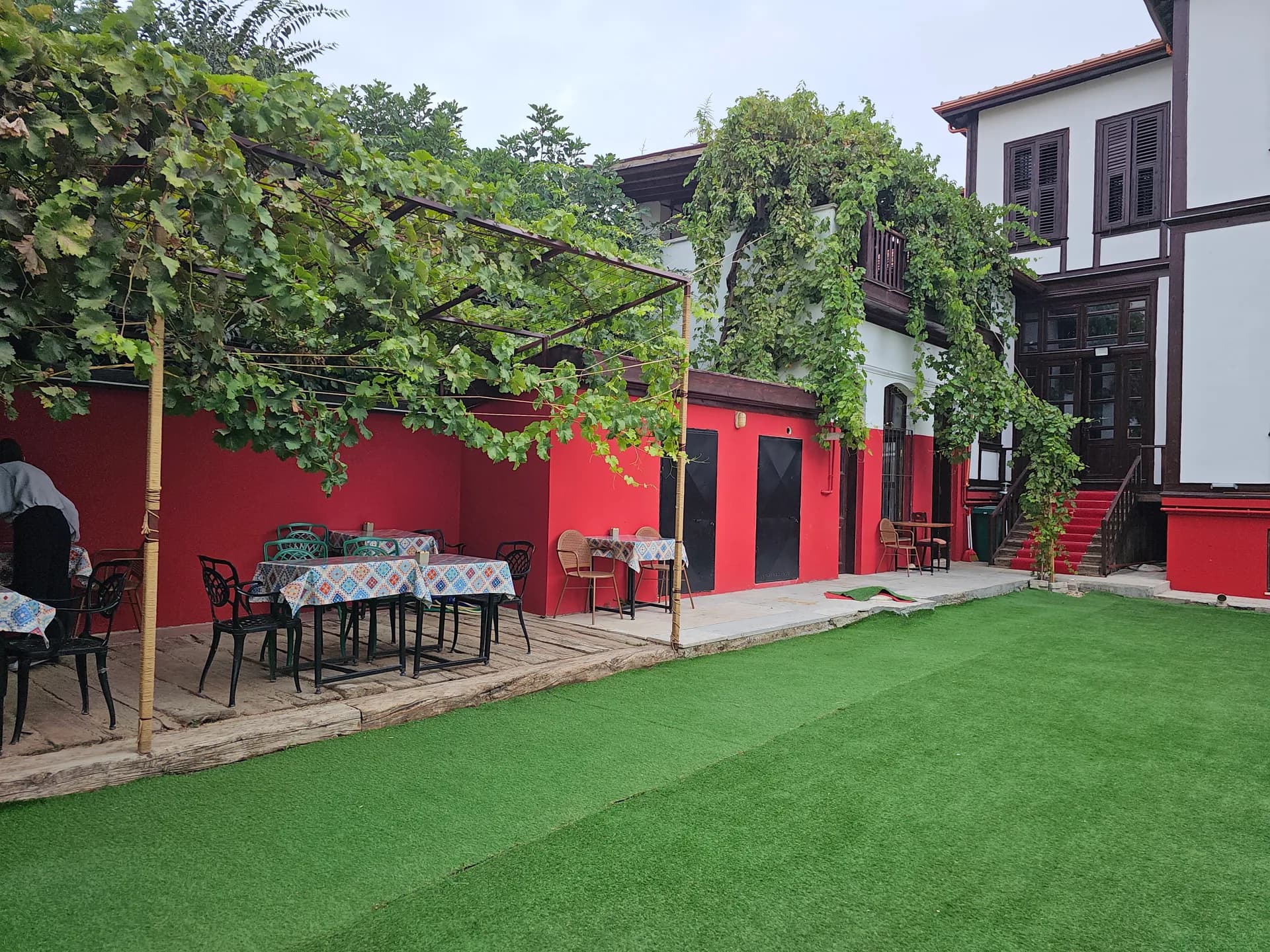
Events
Engagements, small weddings and private celebrations
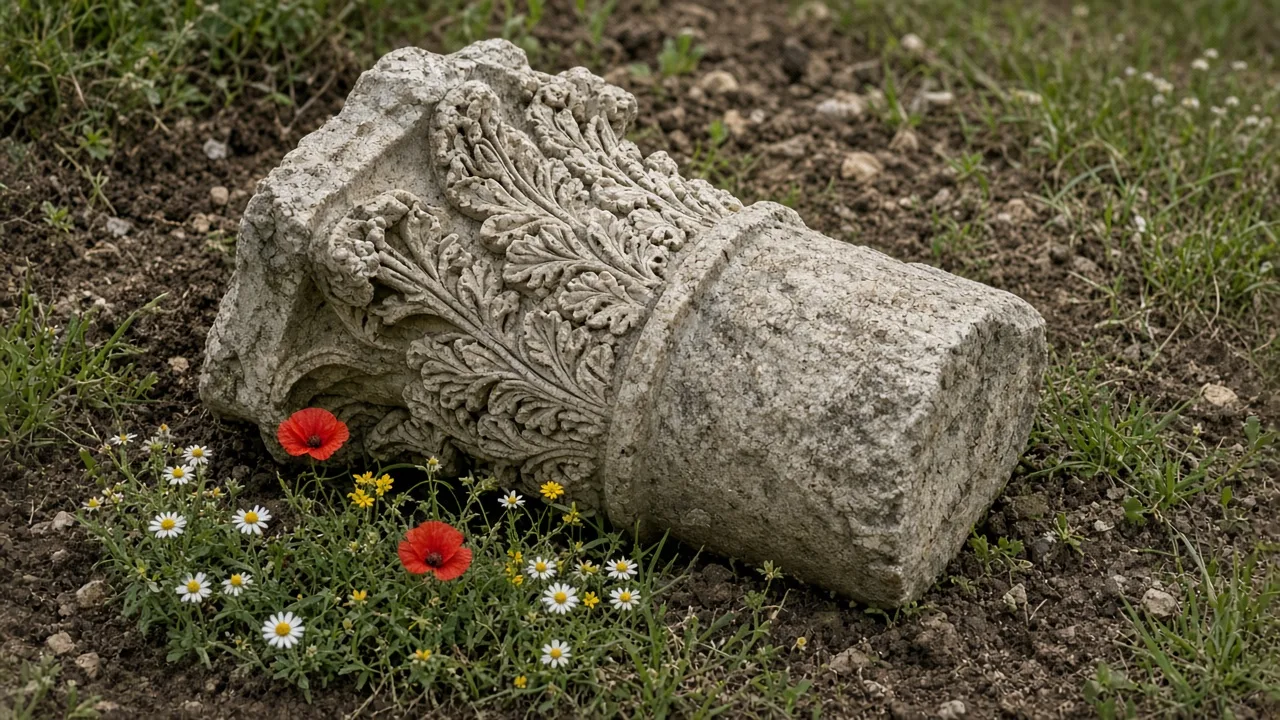
Hadrianopolis: An Emperor's City
According to academic sources, the city's name was changed and the settlement was granted city status during a journey to the east that Emperor Hadrian made in AD 123–124. From then on, for about twelve hundred years until the Ottoman period, the city was known as Hadrianopolis (or Adrianopolis, Hadrianupolis).
The name also settled into European languages:
- English: Adrianople
- German: Adrianopel
- French: Andrinople
If you come across these names today on old maps or in history books written in Europe, the place meant is Edirne. The Macedonian Tower, part of the walls surviving from the Roman period, still stands at the northern end of Kaleiçi.
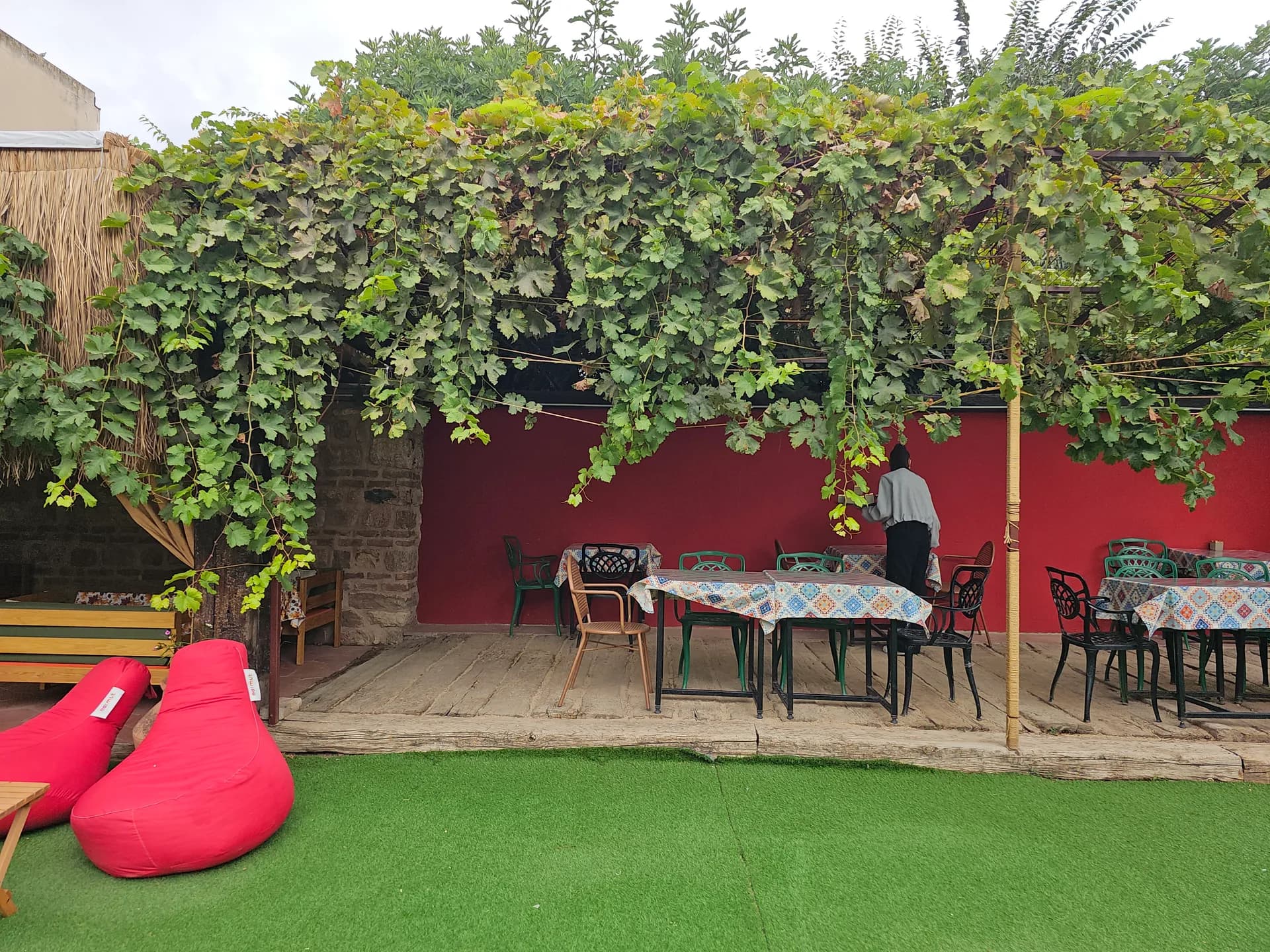
Breakfast
A generous Turkish breakfast spread in the garden
From Hadrianopolis to Edirne: The Change in the Ottoman Period
After the city became part of Ottoman lands in the 14th century, the name began to change to fit the sound pattern of Turkish:
1. Edrinus, Edrune, Edrinabolu, Endriye: According to the Edirne Special Provincial Administration, these forms were used in the early Ottoman period. The "-bolu" in "Edrinabolu" is the Turkified form of the Greek "polis". 2. Edrene: According to the TDV, this spelling was adopted under Murad I. In the chronicle of Aşıkpaşazade, written in 1476, the city's name also appears as Edrene. 3. Edirne: Today's pronunciation. Sources give different dates for when this form became widespread: the Special Provincial Administration points to the early 16th century, while the TDV Encyclopaedia of Islam points to probably the 18th century.
In Ottoman Turkish written in Arabic script, the name was spelled "ادرنه" and could be read both as "Edrene" and "Edirne". This explains why the two forms lived side by side for a long time. After the switch to the Latin alphabet in 1928, the spelling Edirne also became established internationally.

Karaağaç and the Name "Orestiada"
Another interesting detail of the city's name history lies in the Karaağaç district. According to academic studies, Karaağaç's old name is recorded as Orestiada. Those who left here with the population exchange of the 1920s founded a town of the same name on the opposite bank of the Meriç. In this way, the ancient name Orestia lived on in different forms on both sides of the border.
Today Karaağaç, just beyond the Meriç Bridge, is one of Edirne's quietest districts, with its historic station building and riverbank. For those who want to explore the district, our Karaağaç travel guide offers a route.
How Is "Edirne" Written in Turkish? Suffixes and the Apostrophe
According to the spelling rules of the Turkish Language Association (TDK), inflectional suffixes added to proper names are separated with an apostrophe. Derivational suffixes, however, take no apostrophe. So:
| Correct | Incorrect | Why |
|---|---|---|
| Edirne'de (in Edirne) | Edirnede | -de is an inflectional suffix, separated by an apostrophe |
| Edirne'ye (to Edirne) | Edirneye | -ye is an inflectional suffix |
| Edirne'den (from Edirne) | Edirneden | -den is an inflectional suffix |
| Edirne'nin (of Edirne) | Edirnenin | -nin is an inflectional suffix |
| Edirneli (a person from Edirne) | Edirne'li | -li is a derivational suffix and takes no apostrophe |
| Edirnelilik (being from Edirne) | Edirne'lilik | Derivational suffixes take no apostrophe |
A tip: when a further inflectional suffix is added to words like "Edirneli", no apostrophe is used either; you write "Edirneliler" (people from Edirne) and "Edirnelilerin".
A Walk in the Footsteps of the Name
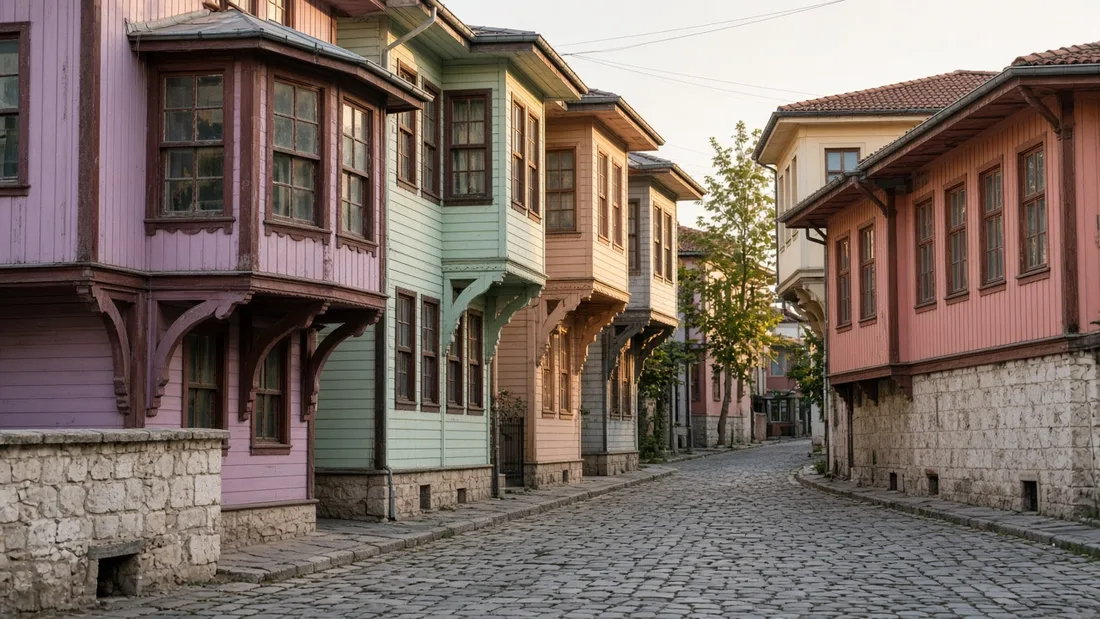
Edirne's name history can be read in its streets. The Macedonian Tower, surviving from the Roman walls, stands at the northern end of Kaleiçi; the mosques and bazaars that tell the story of Ottoman "Edrene" are in the centre; and Karaağaç, which carries the trace of the name Orestiada, lies beyond the Meriç. You can visit these three stops in a day; for the bigger picture of the city, also see our history of Edirne article.
The most practical base for exploring these layers on foot is Kaleiçi. For a place to stay, take a look at our Edirne Kaleiçi stay in a historic mansion page, and to start the day in the courtyard, our Edirne breakfast in a konak courtyard page. To see walking distances, use the our location in Kaleiçi, Edirne (Google Maps) link.
Frequently Asked Questions
What does Edirne mean?+
The name Edirne comes from Hadrianopolis, meaning "the city of Hadrian". The Roman Emperor Hadrian refounded the city in the 2nd century AD and gave it his own name. You will still meet Hadrian's name on labels and older maps, so the modern city and the Roman name are one place. Remembering the city of Hadrian is enough to follow those signs.
What was Edirne's old name?+
From the Roman period to the Ottoman period it was Hadrianopolis. Before that it was also known as Odrisia, Orestia and, according to ancient sources, Uskudama. Hadrianopolis is the name visitors meet most often. If a sign says that, it is not a different city; the earlier names belong to the older history.
Who gave Edirne its name?+
The Roman Emperor Hadrian (reigned AD 117–138). According to academic sources, the name change happened during his journey to the east in AD 123–124. The reign and that journey east are the dates tied to the renaming. You do not need the rest of his life story to enjoy Edirne; the name on the gate is his.
What is Edirne's name in English?+
Today Edirne is used internationally as well. Its historical English name is Adrianople. Older books and some maps still say Adrianople, so both names point to the same place. For tickets, maps and addresses, use Edirne.
When did the name Edirne come into use?+
In the early Ottoman period the forms Edrinus, Edrinabolu and Edrene were used. According to sources, the pronunciation "Edirne" became widespread in the 16th or 18th century. Sources give a spread of centuries rather than one settled year, which is why the modern pronunciation is dated only loosely. In daily life you will only need the name as it is used now.
Is it written Edirnede or Edirne'de?+
The correct form is "Edirne'de". Inflectional suffixes added to proper names are separated with an apostrophe. You will see the apostrophe form on signs and addresses meaning in the city. When you write the name yourself, keep the apostrophe before the suffix.
Does Edirneli take an apostrophe?+
No. "-li" is a derivational suffix and takes no apostrophe; it is written "Edirneli". It means a person or a thing from the city, and the suffix sits flush against the name. Use the apostrophe when you mean in the city, and leave it out for this form.
What is the link between Orestia and Edirne?+
Orestia is the city's name from the Macedonian period. The old name of the Karaağaç district is also recorded as Orestiada. The similar words are easy to mix up: one is an ancient name of the city, the other a recorded old name of the Karaağaç district.
When did Hadrian give the city the name Hadrianopolis?+
According to academic sources, the name was changed and the settlement was granted city status during Emperor Hadrian's journey to the east in AD 123–124. Hadrian reigned from AD 117 to 138. From then until the Ottoman period, for about twelve hundred years, the city was known as Hadrianopolis.
What was Uskudama?+
The ancient writers Ammianus Marcellinus and Eutropius give the city's pre-Roman name as Uskudama. Academic studies differ on whether Uskudama was today's Edirne or another settlement nearby, so the sources do not agree.
You may also like: Accommodation, Breakfast, Events.