Why did Edirne become the Ottoman capital? Rumelia's crossroads, three rivers, campaigns and a palace: the capital years after Bursa until 1453. Read the story.
Edirne became the Ottoman capital because it lay in the middle of Rumelia (the Ottoman Balkans), at the crossroads of the roads leading into the Balkans, on a fertile plain protected by three rivers. The city, which came under Ottoman rule in the second half of the 14th century, became the state's centre of government after Bursa and remained the capital until the conquest of Istanbul in 1453. Sources give different lengths for this period: the Edirne Special Provincial Administration takes 1365–1453 (88 years), while Edirne Municipality takes 92 years.
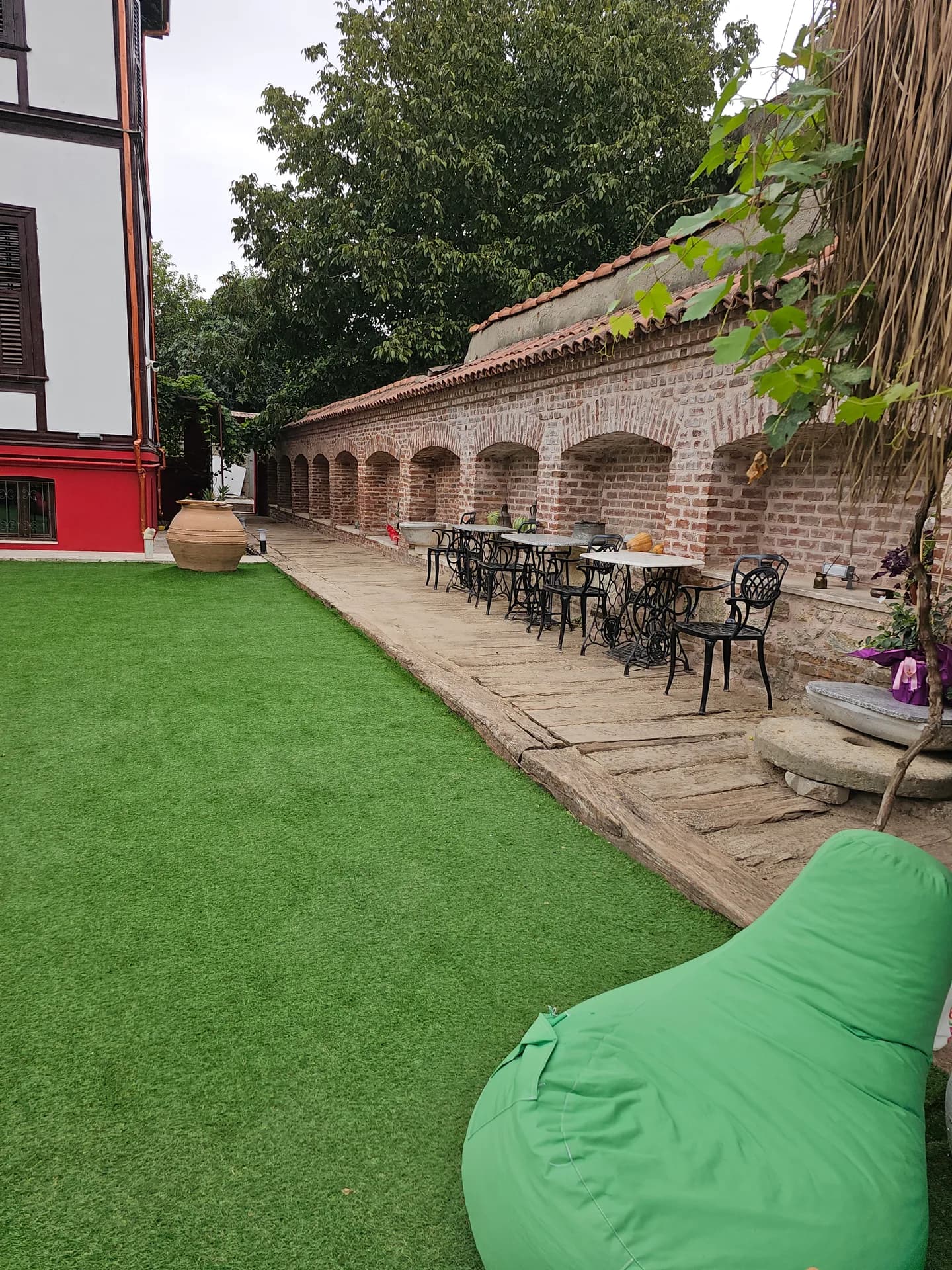
Café & Restaurant
Coffee, desserts and a relaxing break
Its status as capital did not begin with a decree; the city gradually became the centre as the place where campaigns were prepared, the treasury was kept and envoys were received. Below, we walk step by step through the reasons for this process and the traces it left.
Quick Overview
| Topic | Information |
|---|---|
| Came under Ottoman rule | 1361 is widely accepted; sources also give dates between 1362 and 1369 |
| Capital period | 1365–1453 by the common view |
| Length as capital | 88 years (Special Provincial Administration) / 92 years (Municipality) |
| Previous centre | Bursa |
| Next capital | Istanbul (1453) |
| Sultan born here | Mehmed II (the Conqueror), 1432 |
| After its capital years | Again the city where the court stayed for long periods in the 17th century |
When Did Edirne Come Under Ottoman Rule?
The year in which Edirne joined Ottoman lands is debated. According to the TDV Encyclopaedia of Islam, sources have proposed different dates such as 1361, 1362, 1367 and 1369. Among these, the view that the city was taken in 1361, in the reign of Orhan Gazi, as the result of a systematic campaign led by his son Murad and Lala Şahin Paşa, has gained the most weight. Some historians, drawing on Byzantine chronicles, argue for 1363–1365, and another view for 1369.
The reason for this uncertainty is that sources from the period are few and contradict each other. Today, official institutions in Edirne generally use 1361 as the date the city was taken and 1365 as the start of its time as capital.
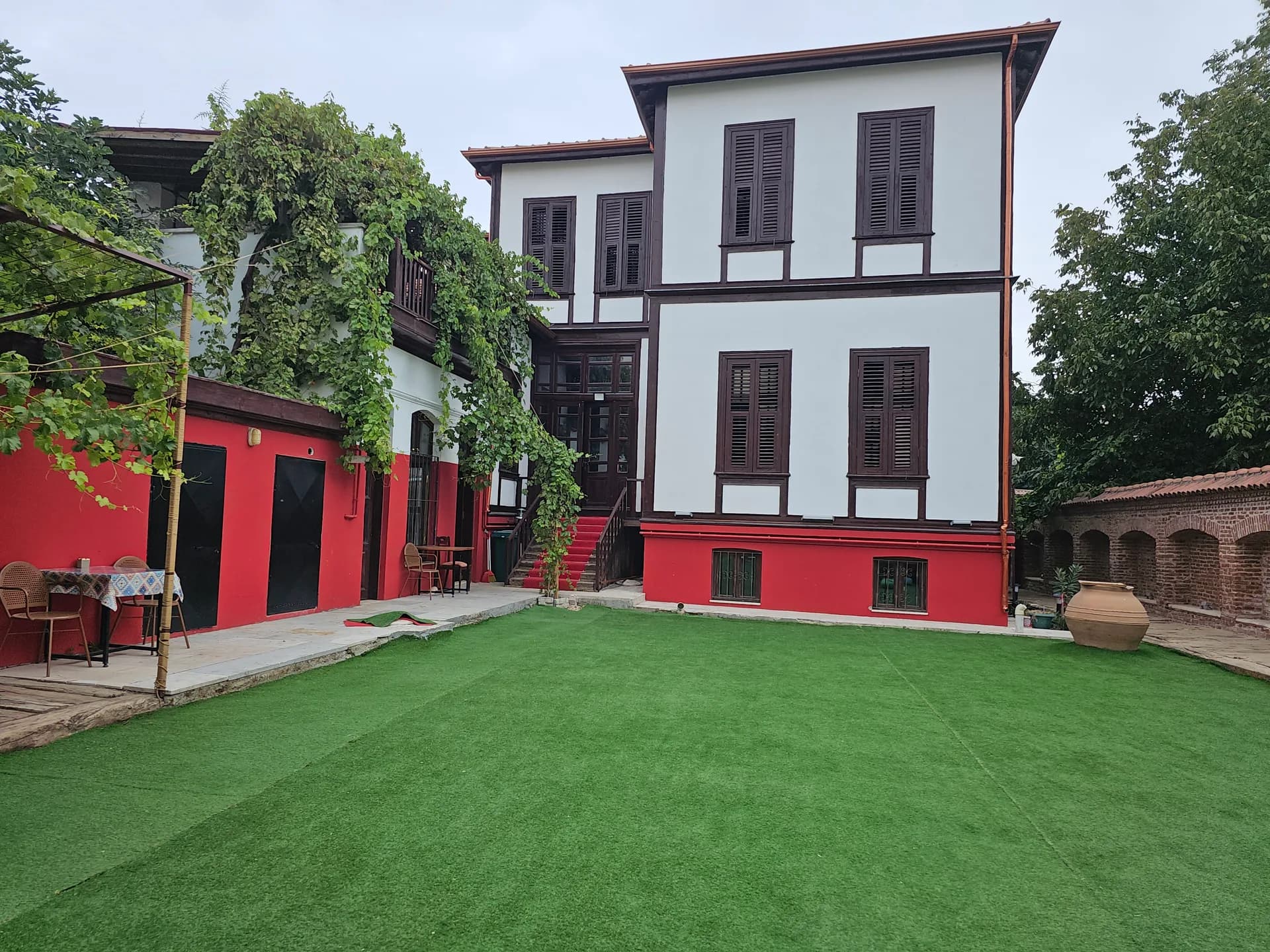
Stay
Stay in Edirne Kaleiçi with breakfast included
Why Did Edirne Become the Capital? Four Main Reasons
1. A strategic location at the heart of Rumelia
Edirne was the largest city in Thrace and stood at the crossroads of the main roads to the Balkans. According to the TDV Encyclopaedia of Islam, the city was used as a base of operations for campaigns in Rumelia. Sending armies from Bursa to the fronts in the Balkans required crossing the Dardanelles; Edirne, by contrast, was a few days from the front. As the state grew, it was a natural consequence that its centre should move in the direction in which it was growing.
2. A fertile plain protected by rivers
The city is built where the Meriç, Tunca and Arda rivers meet. The rivers meant both a natural line of defence and plentiful water. The wide plains around it were fertile enough to feed an army and a large court. Even today, Edirne is Türkiye's leading province for paddy rice production.
3. A centre for preparations and campaigns
Bayezid I (Yıldırım Bayezid) made his preparations for the siege of Istanbul in Edirne and marched from there. Half a century later, Mehmed II also had all the plans and preparations for the conquest of Istanbul made in Edirne in the winter of 1452–1453. The city was where major military decisions were taken.
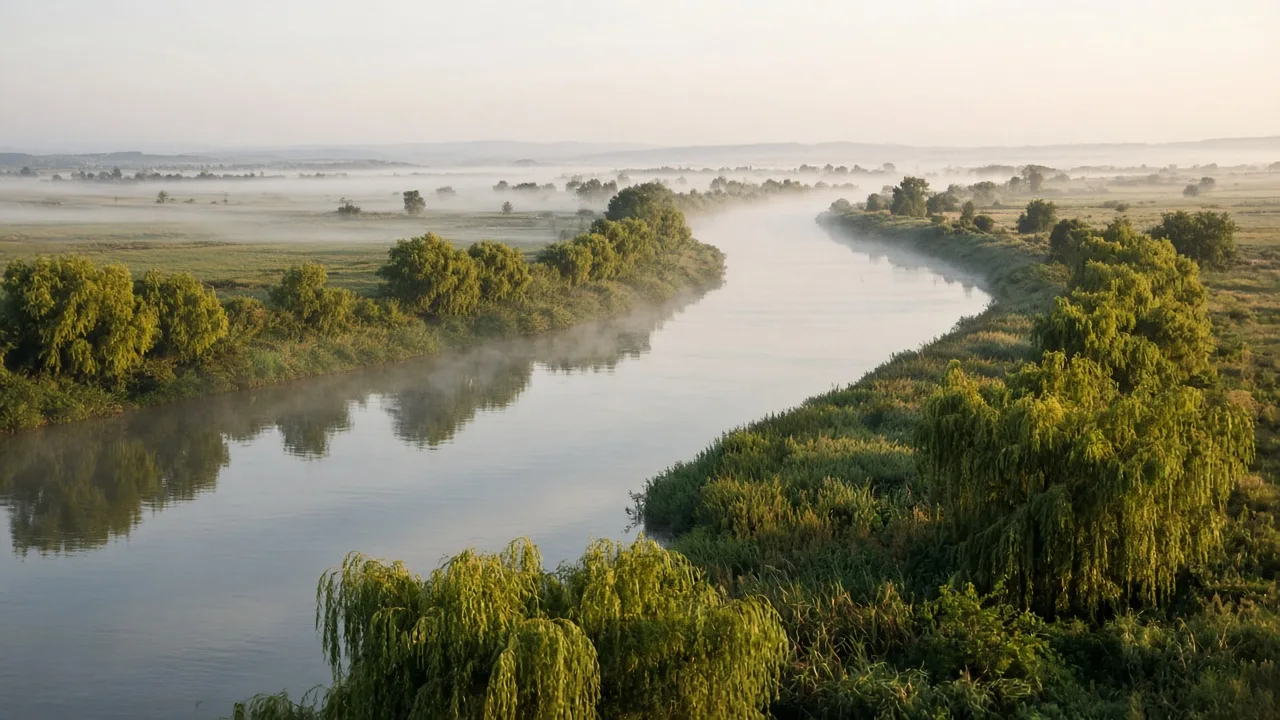
Events
Engagements, small weddings and private celebrations
4. The treasury and state records move to Edirne
After the Battle of Ankara in 1402, the state was plunged into great turmoil. According to the TDV Encyclopaedia of Islam, in this period Emir Süleyman came to Edirne with the treasury and the state's official records; in this way, Edirne became the centre of the state. The Türk Maarif Ansiklopedisi also writes that the city became the capital through this development. The succession struggles between the princes in the Interregnum period were also fought largely over control of Edirne.
What Happened in Edirne as Capital?
During its years as capital, Edirne became the political and cultural showcase of the state:
- The reign of Murad II: The city's development gathered pace. Murad directed his activities in Rumelia from here, received envoys here and died in the city on 3 February 1451. The Üç Şerefeli Mosque (1438–1447) is a work of this period.
- Sultans' births and weddings: Mehmed II (the Conqueror) was born in Edirne in 1432. His father, Murad II, also held his wedding in the city in 1450.
- A new palace: On the wide plain west of the Tunca, construction of the great palace known as the Saray-ı Cedid (New Palace) began under Murad II and was completed in the reign of Mehmed II. Its remains are at Sarayiçi today.
- Eski Mosque and the Bedesten: The Eski Mosque, built between 1403 and 1414, and the Bedesten (covered market), built in 1418 as an endowment for the mosque, formed the commercial centre of the capital.
Most of these buildings are within walking distance of each other in the centre today. If you want to see the two great mosques together, our guide to the Üç Şerefeli and Eski mosques offers a detailed route.
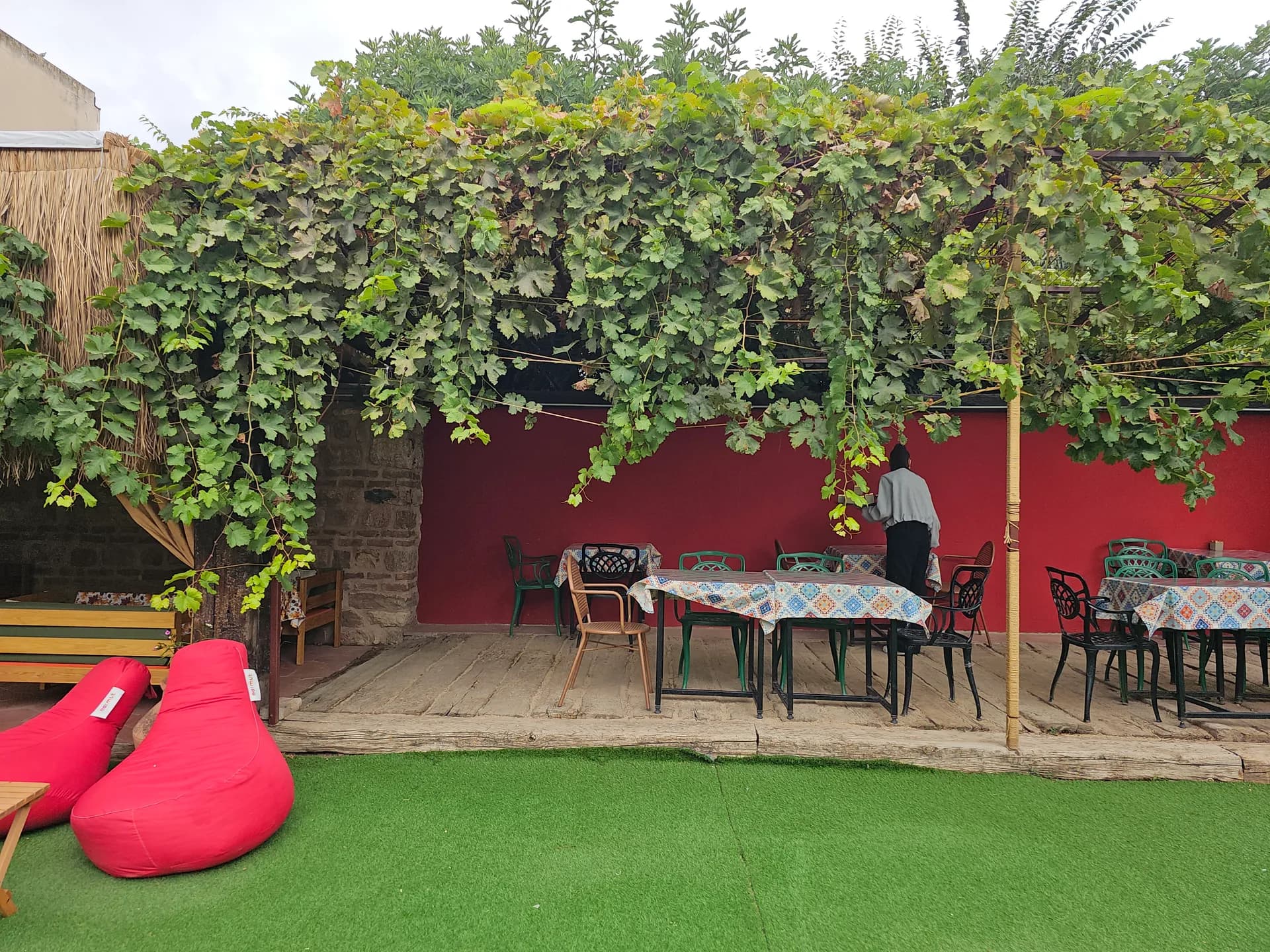
Breakfast
A generous Turkish breakfast spread in the garden
Edirne After 1453: The "Second Capital"
With the conquest of Istanbul, the capital moved to Istanbul, but Edirne did not lose its importance. Even after 1453, Mehmed II used Edirne as a base for campaigns in the Balkans. In the spring of 1475, he held the month-long circumcision celebrations of his sons in the gardens of the Saray-ı Cedid.
According to the TDV Encyclopaedia of Islam, the sultan who truly made the city a centre of state again was Mehmed IV. Known by the nickname "the Hunter", he stayed in Edirne for long periods because of campaigns, received envoys here and held his princes' weddings here. This period ended with the Edirne Incident of 1703; after these events, the court returned permanently to Istanbul.
Edirne's architectural peak also came after its years as capital: Mimar Sinan built the Selimiye Mosque here for Selim II between 1568 and 1574. Selimiye has been on the UNESCO World Heritage List since 2011. For your visit, see our article on Selimiye Mosque visiting hours.
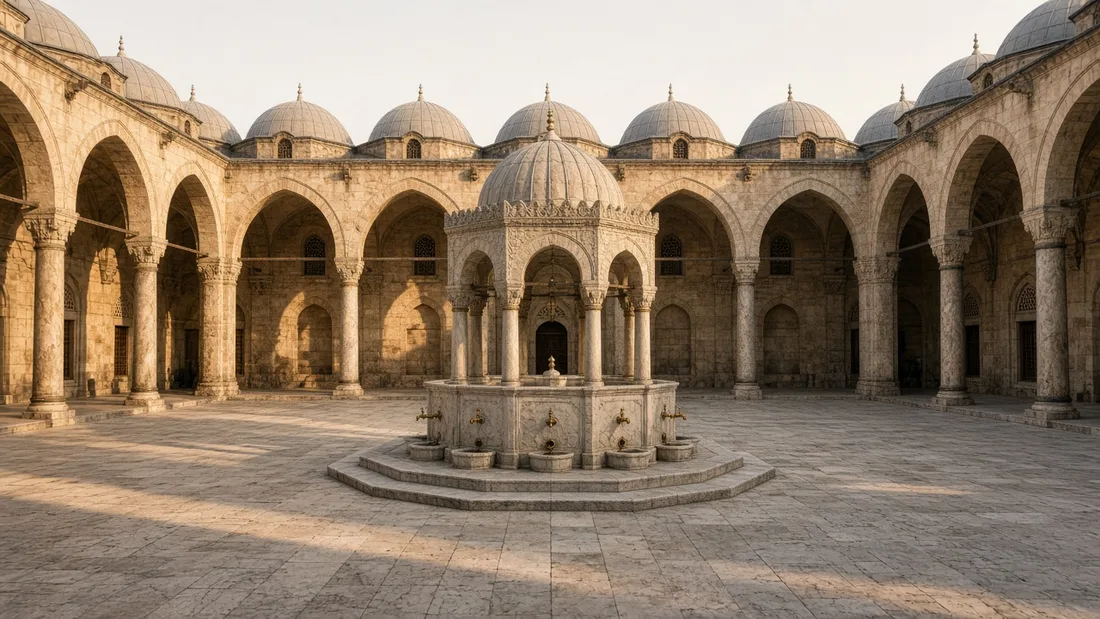
The Ottoman Capitals in Order
As the Ottoman state grew, its centre of government moved west and then to Istanbul. The common order is as follows:
| No. | City | Period (approximate) |
|---|---|---|
| 1 | Söğüt | Founding period |
| 2 | Bursa | After 1326 |
| 3 | Edirne | 1365–1453 |
| 4 | Istanbul | 1453–1922 |
Some sources also add İznik and Dimetoka in Rumelia to this list; in particular, it is known that the court stayed for a while in Dimetoka in the years immediately after the city was taken. The answer to the question "which Ottoman capital was Edirne?" therefore depends on the source. But the common view is that Edirne was the capital after Bursa and before Istanbul.
Seeing the Traces of Capital Edirne: A One-Day Route
A short route for reading the capital period on the ground:
1. Eski Mosque and the Bedesten: The capital's first great buildings, side by side in the centre. 2. Üç Şerefeli Mosque: Built by Murad II between 1438 and 1447, a building that pointed the way for the Ottoman mosques that followed. 3. Selimiye Mosque: The masterpiece of the period after Edirne's capital years, bearing the signature of Mimar Sinan. 4. Sarayiçi: The remains of the Saray-ı Cedid and the Kırkpınar wrestling ground. To get to know the area, see our guide to Sarayiçi and Kırkpınar. 5. Health Museum: The complex built by Bayezid II in 1488; proof of how important the city remained after its time as capital.
Most of the route can be done on foot. From Kaleiçi, the Eski Mosque is 8–10 minutes away and Selimiye 12–15 minutes. If you are curious about the city's general history, you can also read our article on the history of Edirne.

A Night Inside History
Exploring the capital period fills a day; staying in the city to look at Selimiye's illuminated dome in the evening and make a calm start the next morning is the most enjoyable part of the trip. For a place to stay in the centre, see our historic mansion stay in Edirne and Edirne Kaleiçi stay pages, and to start the day with local produce, our Edirne serpme kahvaltı (spread breakfast) page. As the starting point for your route, our location in Kaleiçi, Edirne (Google Maps) may come in handy.
Frequently Asked Questions
Why did Edirne become the capital?+
Because it lay in the middle of Rumelia, at the crossroads of the roads to the Balkans, on a fertile plain protected by rivers. Campaigns were directed from here; after 1402, the treasury and state records were also moved to Edirne. The mosques you visit are the capital written in stone.
How many years was Edirne the capital?+
It depends on the source: the Edirne Special Provincial Administration takes 1365–1453 (88 years), while Edirne Municipality takes 92 years. Two official counts disagree by a few years, so quote the institution if you quote a number. Either way it was a long capital century, not a brief episode.
When did Edirne come under Ottoman rule?+
The common view is 1361. However, sources also propose different dates such as 1362, 1367 and 1369. The usual date is one year in the thirteen-sixties, and serious sources also offer neighbours to that year. Treat the common date as the one on most signs, not as the only one ever proposed.
Which Ottoman capital was Edirne?+
In the common order, it comes after Söğüt and Bursa; it was the capital after Bursa and before Istanbul. That order is the one that stops people calling it the first or the last.
Which city became the capital after Edirne?+
With the conquest of Istanbul in 1453, the capital moved to Istanbul. Istanbul, with the conquest. Edirne's capital years end there, which is why the two cities stay paired in the story.
Where was Sultan Mehmed the Conqueror born?+
He was born in Edirne in 1432. He also had his preparations for the conquest of Istanbul made in Edirne in the winter of 1452–1453. The birth is a local fact, not a reason to expect a single birthplace museum on the high street.
Did Edirne lose its importance after its time as capital?+
No. In the reign of Mehmed IV, the court again stayed in Edirne for long periods; this period ended with the Edirne Incident of 1703. The city did not become a backwater the year the capital moved.
Which buildings remain from the capital period?+
The main ones are the Eski Mosque (1403–1414), the Bedesten (1418), the Üç Şerefeli Mosque (1438–1447) and the remains of the Saray-ı Cedid at Sarayiçi. The Old Mosque, the Bedesten, Üç Şerefeli and what is left of the new palace at Sarayiçi. Those are the capital you can still walk to; later Selimiye is a different reign.
Do official sources agree on how long Edirne was the capital?+
Not on the exact length. The Special Provincial Administration counts 88 years, from 1365 to 1453, and the Municipality counts 92 years. The common view still places the capital period after Bursa and before Istanbul in 1453.
What happened in Edirne after Istanbul became the capital?+
In the spring of 1475, Mehmed II held the month-long circumcision celebrations of his sons in the gardens of the Saray-ı Cedid (New Palace). Even after 1453 he used Edirne as a base for campaigns in the Balkans, and the city stayed an important second seat of the court.
You may also like: Accommodation, Breakfast, Events.