Five Edirne recipes to make at home: fried liver, ciğer sarma, deva-i misk, almond paste and almond cookies. Try them now with exact measures and clear steps!
The easiest Edirne recipes to try at home are tava ciğeri (Edirne-style fried liver), ciğer sarma (liver-and-rice parcel), deva-i misk helva, badem ezmesi (almond paste) and almond Edirne cookies. Four of these five are registered with a geographical indication at the Turkish Patent and Trademark Office, and all of them can be made in an ordinary kitchen with the right technique.
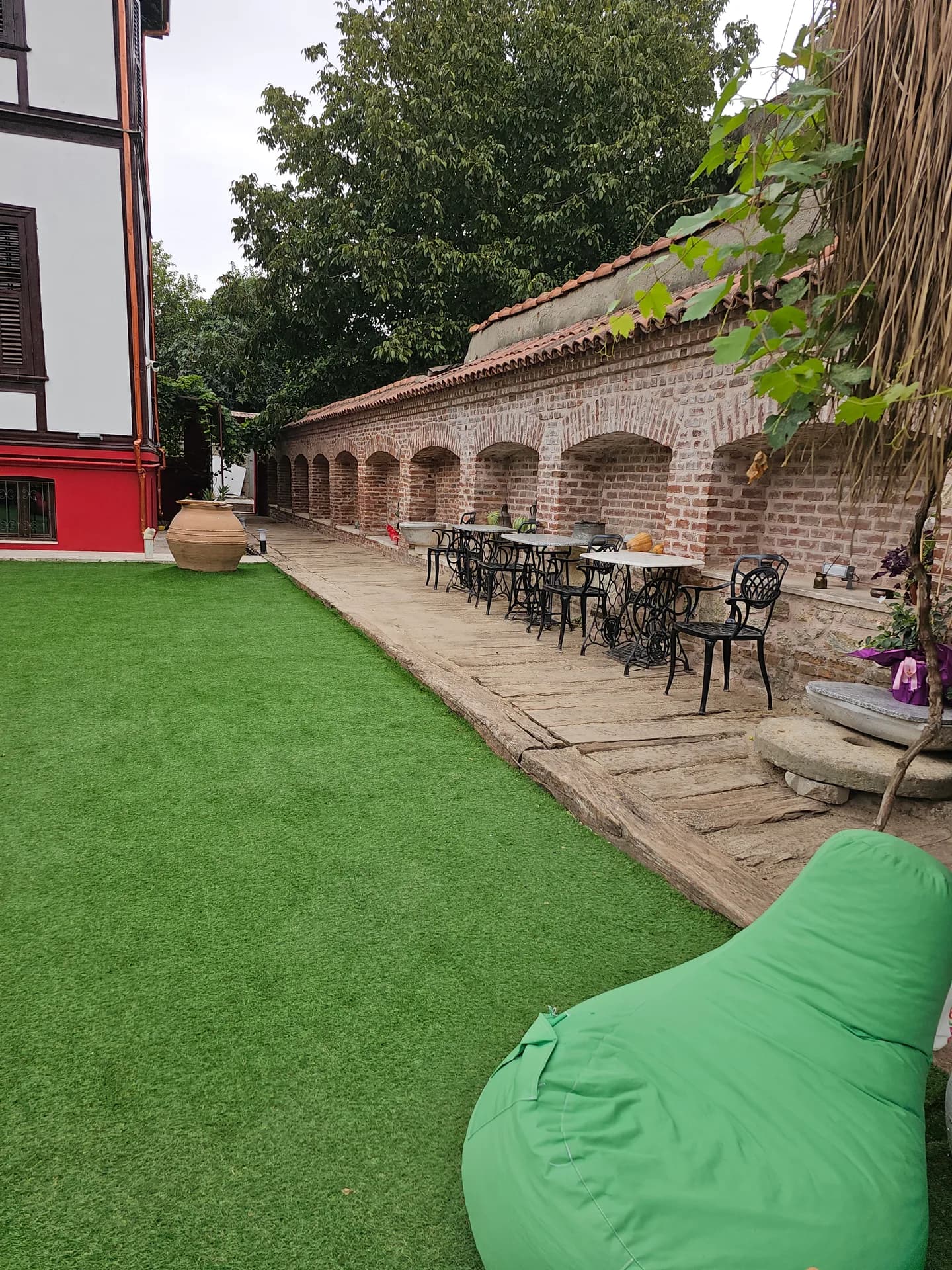
Café & Restaurant
Coffee, desserts and a relaxing break
Edirne's culinary identity sits at two extremes: leaf-thin liver cooked in seconds in hot oil, and the almond-rich, spiced sweets handed down from the palace kitchen.
Quick Overview
| Recipe | Yield | Total time | Geographical indication (registration date) |
|---|---|---|---|
| Edirne tava ciğeri | Serves 2 | ~35 min | Edirne Tava Ciğeri, 25.02.2010 (No 128) |
| Edirne ciğer sarma | Serves 4–6 | ~1 hr 30 min | Edirne Ciğer Sarma, 03.08.2022 (No 1186) |
| Deva-i misk helva | ~450 g | ~45 min | Deva-i Misk Helvası, 06.01.2021 (No 643) |
| Badem ezmesi | 30–40 pieces | ~1 hr + 1 hr resting | Edirne Badem Ezmesi, 25.01.2021 (No 656) |
| Almond Edirne cookies | 25–30 pieces | ~50 min | No registration record |
Edirne's Liver Recipes
In Edirne, liver is not just street food; it is the city's signature. Tava ciğeri is made with calf's liver, while ciğer sarma uses lamb's liver. We tell the story of tava ciğeri, how it is served and the details in its registration document in our Edirne fried liver guide. For a good result at home, a sharp knife, hot oil and patience are all you need.
Edirne Tava Ciğeri (leaf-thin liver at home)
Serves 2 · Preparation 30 min · Cooking 2–3 min
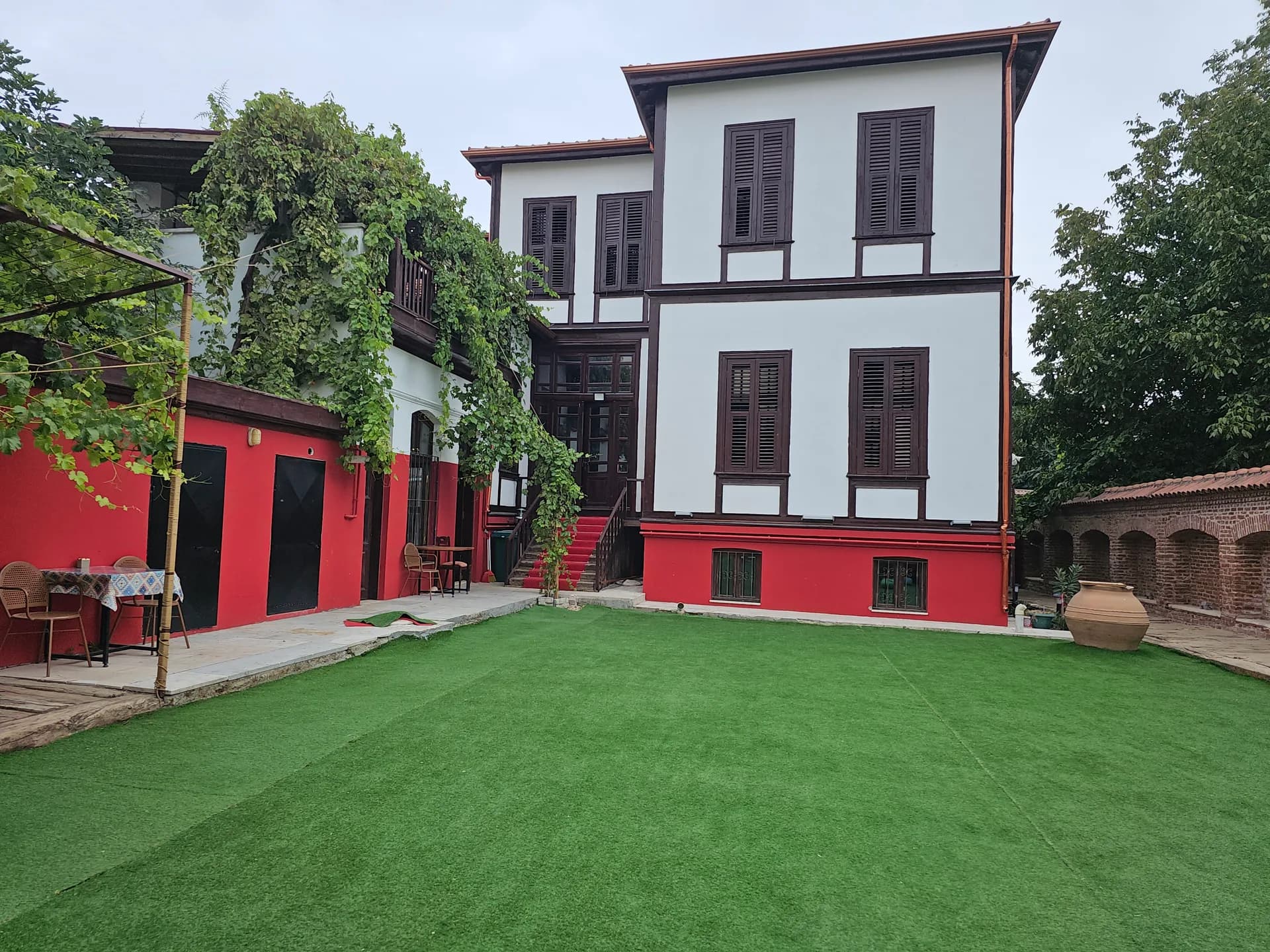
Stay
Stay in Edirne Kaleiçi with breakfast included
Ingredients
- 400 g calf's liver (from a calf at least 1 year old, according to the registration document)
- 1 level dessertspoon of salt (about 10 g)
- 1 cup of white wheat flour
- 500 ml sunflower oil
- 4–6 dried red peppers (Karaağaç pepper, known locally as "karacı")
- To serve: finely chopped red onion, tomato, yoghurt or cacık (yoghurt with cucumber)
Method
1. Peel off the thin membrane on the liver with a sharp knife; trim away sinews and veins. Leaving the liver in the freezer for 30 minutes makes slicing easier. 2. Cut the liver into equal pieces of 6–7 cm, then slice them into paper-thin leaves. This is where the name "yaprak ciğeri" (leaf liver) comes from. 3. Rinse the leaves under plenty of water to wash away the blood. Mix with the salt and leave to rest in a colander in the fridge for 15–20 minutes. 4. Drain the liver thoroughly in the colander. Wet liver takes up too much flour and turns doughy. 5. Heat the oil well in a deep pan. Drop in one leaf; if it rises to the surface and fries briskly, the oil is ready. 6. Dredge the liver in flour and shake off the excess in a sieve. Add it to the pan in small batches and fry for 1–2 minutes. 7. Lift out with a slotted spoon and drain off the oil. Turn the peppers in the same oil for 5–10 seconds and place them beside the liver. Serve hot.
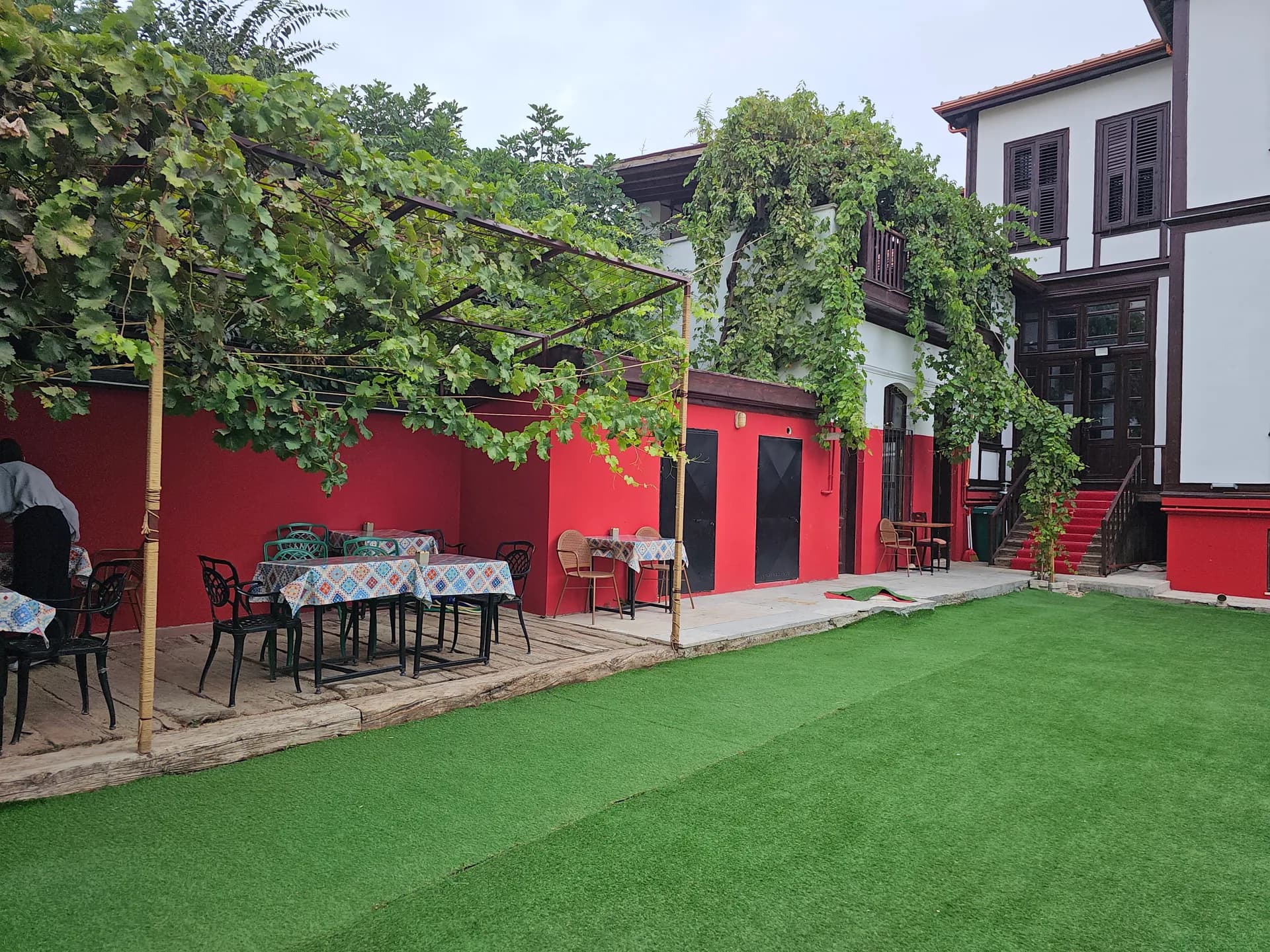
Events
Engagements, small weddings and private celebrations
According to the registration record, a portion is at least 120 grams and the cooking time is about 2 minutes.
Edirne Ciğer Sarma
Serves 4–6 · Preparation 45 min · Cooking 40–45 min
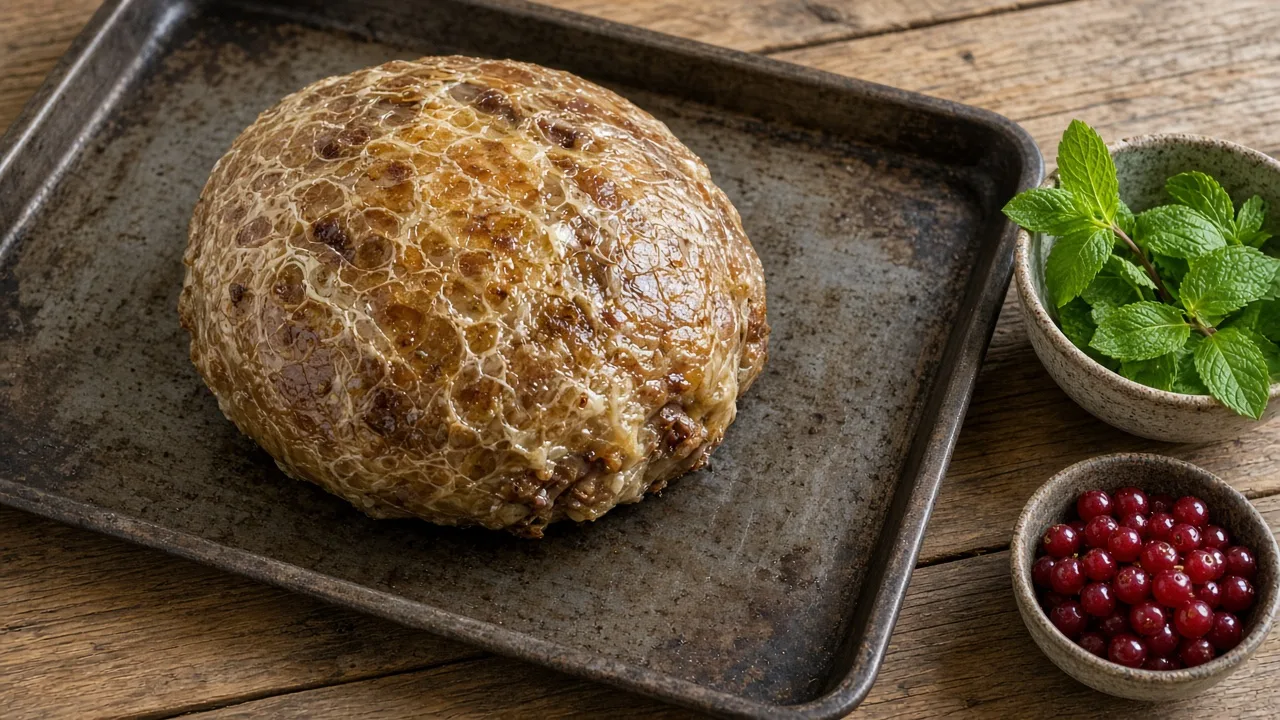
Ciğer sarma is made by wrapping a pilaf prepared with lamb's liver in lamb caul fat (ciğer zarı) and baking it in the oven. According to the Kültür Portalı (Türkiye's culture portal), it used to be made in spring, in the lambing season, and shared with neighbours. The geographical indication description specifies Kıvırcık milk-fed lamb weighing no more than 25 kilograms and İpsala rice, which also carries a geographical indication. The ingredient list is based on the Edirne recipe on the Kültür Portalı.
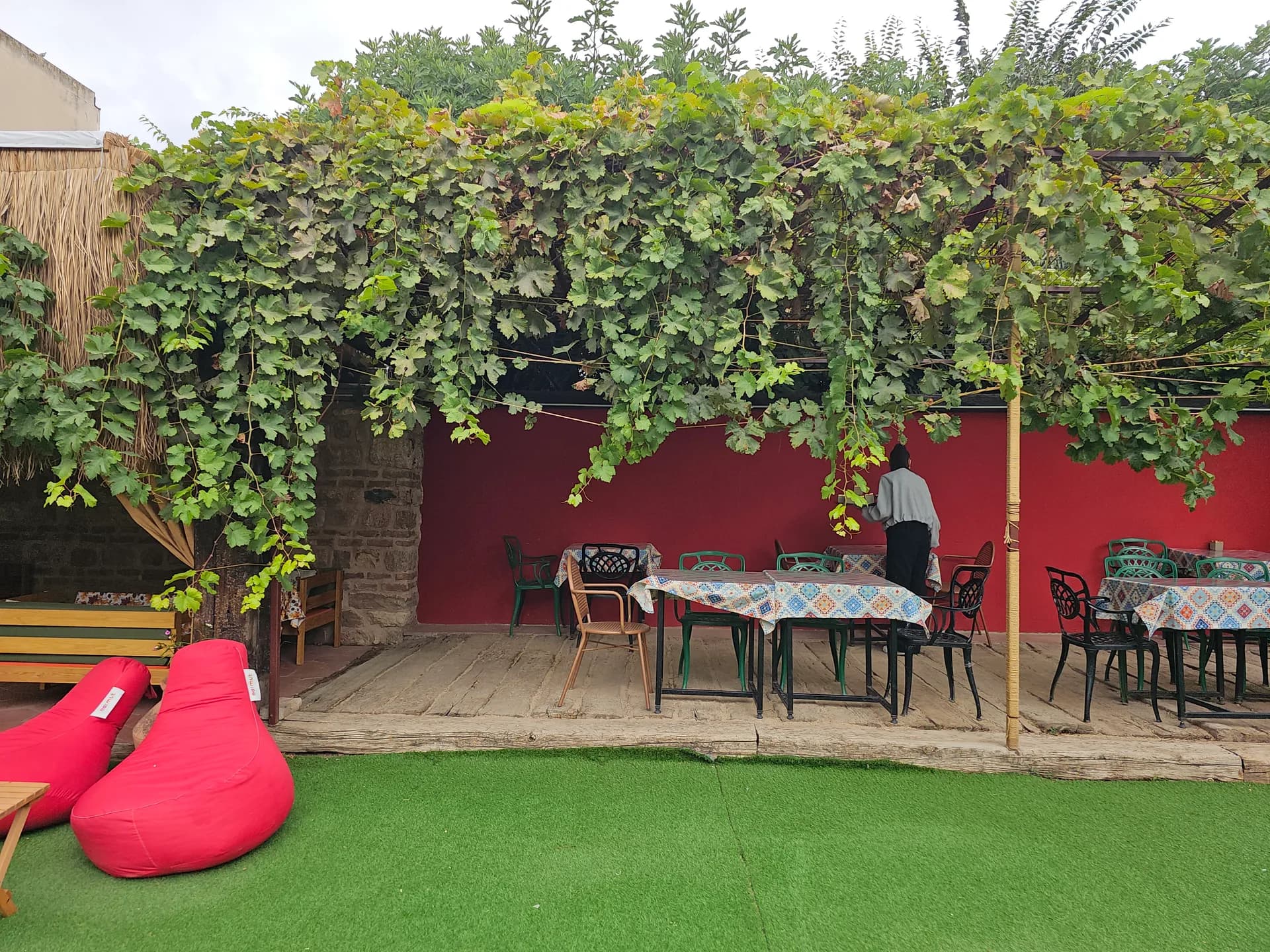
Breakfast
A generous Turkish breakfast spread in the garden
Ingredients
- 1 set of lamb's liver
- 1 lamb caul (ciğer zarı; order it from the butcher in advance)
- 1 cup of rice
- 1 bunch of spring onions or 1 large onion
- 5–6 sprigs of fresh mint or 2 tablespoons of dried mint
- 2 tablespoons of pine nuts
- 2 tablespoons of currants
- 2 eggs
- 1 tablespoon of melted butter
- Salt and black pepper
Method
1. Soak the caul in plenty of lukewarm water to soften it. 2. Wash the liver and boil it in large pieces for 10 minutes. Remove the veins and cut it into small cubes. 3. Fry the pine nuts in butter until golden. Add the washed rice and fry for another 3–4 minutes. 4. Add half a cup of hot water and cook until it is absorbed. 5. Turn off the heat. Add the chopped liver, finely chopped onion, mint, currants, salt and black pepper, and leave to rest for 10 minutes. 6. Beat 1 egg and stir it into the cooled pilaf. 7. Spread the caul on a tray and put the filling in the middle. Gather the edges into a round parcel, secure with toothpicks and turn it over. 8. Brush the yolk of the second egg over the top. Warm a little of the caul's soaking water and add it to the edge of the tray. 9. Bake in an oven preheated to 180 °C for 40–45 minutes, until the top is browned.
Edirne's Sweet Recipes
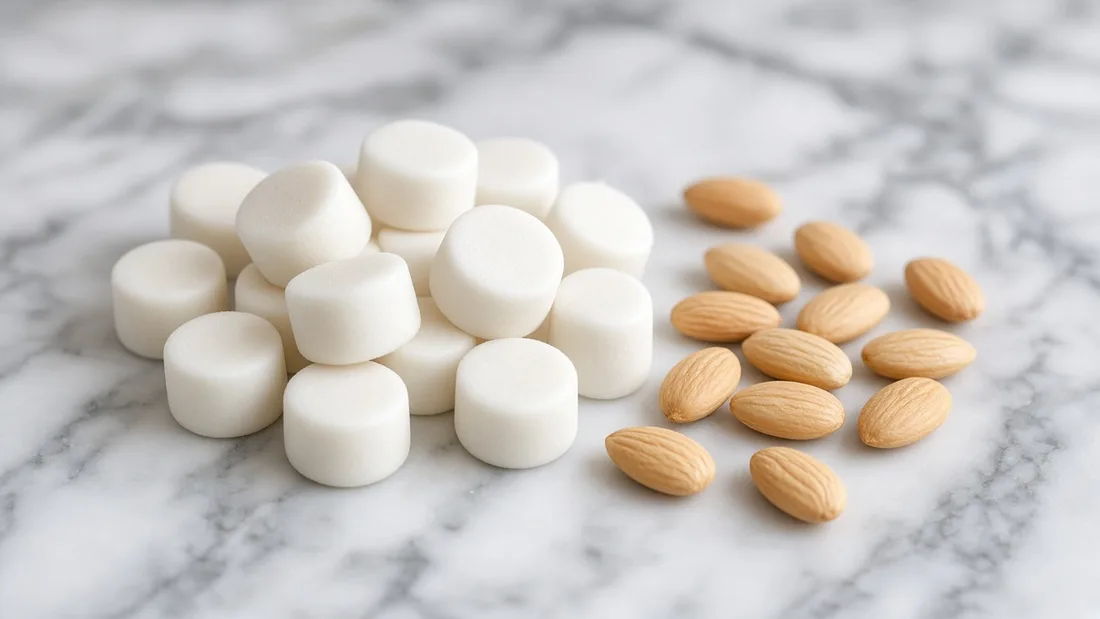
The common denominator of Edirne's sweets is almonds. You can find the history of the sweets, their registration details and where to buy them in the city in our Edirne's famous sweets article.
Deva-i Misk Helva (home style)
About 450 g · Preparation 15 min · Cooking and beating 30 min
Deva-i misk, whose name means "fragrant and good for the body", is a white helva made with egg white, sugar, honey and spices. According to the Kültür Portalı, in Ottoman Edirne it was offered to the public on certain days at the Bayezid II Hospital (Şifahane). According to sources, the masters' recipe contains between 39 and 41 spices; at home, the basic spices are enough.
Ingredients
- 2 cups of granulated sugar (about 400 g)
- 1 cup of water
- 1/4 teaspoon of cream of tartar or 1 dessertspoon of lemon juice
- 1 pasteurised egg white
- 1 tablespoon of honey
- 1 teaspoon of cinnamon, 1/2 teaspoon of ginger
- 1/4 teaspoon of ground cloves, 1/4 teaspoon of allspice
- 1 pinch of cardamom and 1 pinch of ground mastic
Method
1. Mix the sugar, water and cream of tartar in a pan and bring to the boil. Do not stir once it is boiling. 2. When it reaches 116–118 °C (soft-ball stage) on a sugar thermometer, take it off the heat. If you have no thermometer, drop a little into cold water; it should form a soft ball. 3. Pour the syrup into a wide bowl or onto a lightly dampened marble slab and leave it to cool without touching it. 4. Beat it with a wooden spatula, folding from the edges towards the centre. The yellowish syrup turns white and thickens in 10–15 minutes. 5. In a separate bowl, whisk the egg white until stiff; add the honey and spices. 6. Add this mixture to the whitened sugar and keep beating until it is fluffy and white. 7. Transfer to a glass jar and store in a cool, dry place.
In traditional production, the syrup is boiled to about 140 degrees and beaten for a long time in a cauldron; the home version gives a softer texture. As raw egg white is used, choose a pasteurised product. In Edirne, deva-i misk is eaten with a spoon or stirred into hot milk and drunk.
Edirne Badem Ezmesi (home style)
30–40 pieces · Preparation 1 hr · Resting 1 hr
The registration document for Edirne Badem Ezmesi specifies the Hacı Alibey (48-5) almond variety grown in Edirne and a ratio of 55% sugar, 35% almonds and 10% water, with a deviation of ±5%. The masters boil the syrup to 120 °C. For a home recipe, the measures in the Edirne Governorship's publication "Topraktan Sofraya Edirne" (Edirne from Soil to Table, 2024) are more practical.
Ingredients
- 500 g raw almonds
- 200 g granulated sugar
- 300 ml water
Method
1. Blanch the almonds in boiling water for 1–2 minutes or soak them in lukewarm water; peel off the brown skins. 2. Spread the almonds on a tray and dry them completely in a 70 °C oven or at room temperature. 3. Grind the dry almonds in a food processor in short bursts until they become a fine flour, without letting them release oil. 4. Boil the sugar and water to make a syrup; leave it to cool. 5. Add the syrup to the almond flour little by little and knead until you have a dough that does not stick to your hands. 6. Shape the dough into long rolls and rest them in the fridge for 1 hour. 7. Cut the rolls into rounds of 1.5–2 cm and serve.
Almond Edirne Cookies
25–30 pieces · Preparation 30 min · Baking 15–18 min
The Kültür Portalı describes the Edirne cookie as a toasted-flour cookie with Ottoman roots, made with almonds and served with icing sugar. According to the Ministry of Culture and Tourism, this treat, also known as the "Kavala cookie", is a product of the shared culinary culture of the region's peoples.
Ingredients
- 1 cup of coarsely ground raw almonds (about 120 g)
- 2 cups of flour (about 240 g)
- 150 g butter at room temperature
- 1/2 cup of icing sugar (for the dough)
- 1 cup of icing sugar (for coating)
- 1 teaspoon of baking powder
- 1 sachet of vanillin
Method
1. Toast the almonds and 1 cup of the flour in a dry pan over a low heat, stirring constantly, for 8–10 minutes; when the flour turns light brown and smells toasty, take it off the heat and let it cool. 2. Add the butter, the icing sugar for the dough, the remaining flour, the baking powder and the vanillin to the cooled mixture. 3. Knead into a dough as soft as an earlobe that does not stick to your hands. 4. Roll the dough out to 1 cm thick; cut it into crescents or cubes. 5. Arrange on a tray lined with baking paper and bake in an oven preheated to 170 °C for 15–18 minutes, until the bottom edges take on a little colour. 6. Once completely cool, roll generously in the coating icing sugar.
The Edirne Commodity Exchange announced in 2021 that it had also applied for a geographical indication for this cookie.
The Right Ingredients and Tips for the Recipes
What makes the difference in Edirne recipes is the ingredients themselves:
- Karaağaç pepper: The indispensable companion of tava ciğeri. It is grown in Edirne's Karaağaç neighbourhood and dried naturally. If you cannot find it, use a thin-skinned, mildly hot dried red pepper.
- Sunflower oil: The registered description of tava ciğeri is based on oil made from locally grown sunflowers. Olive oil or butter changes the flavour completely.
- Almonds: Use well-dried almonds for the paste; damp almonds make the dough oily.
- Temperature: If the oil is not hot enough, the liver soaks it up; if the helva syrup is overcooked, it becomes impossible to beat.
We have gathered the other local dishes of Edirne cuisine, from its cheese to its seasonal flavours, in our what to eat in Edirne article.
Tasting Edirne's Flavours on the Spot
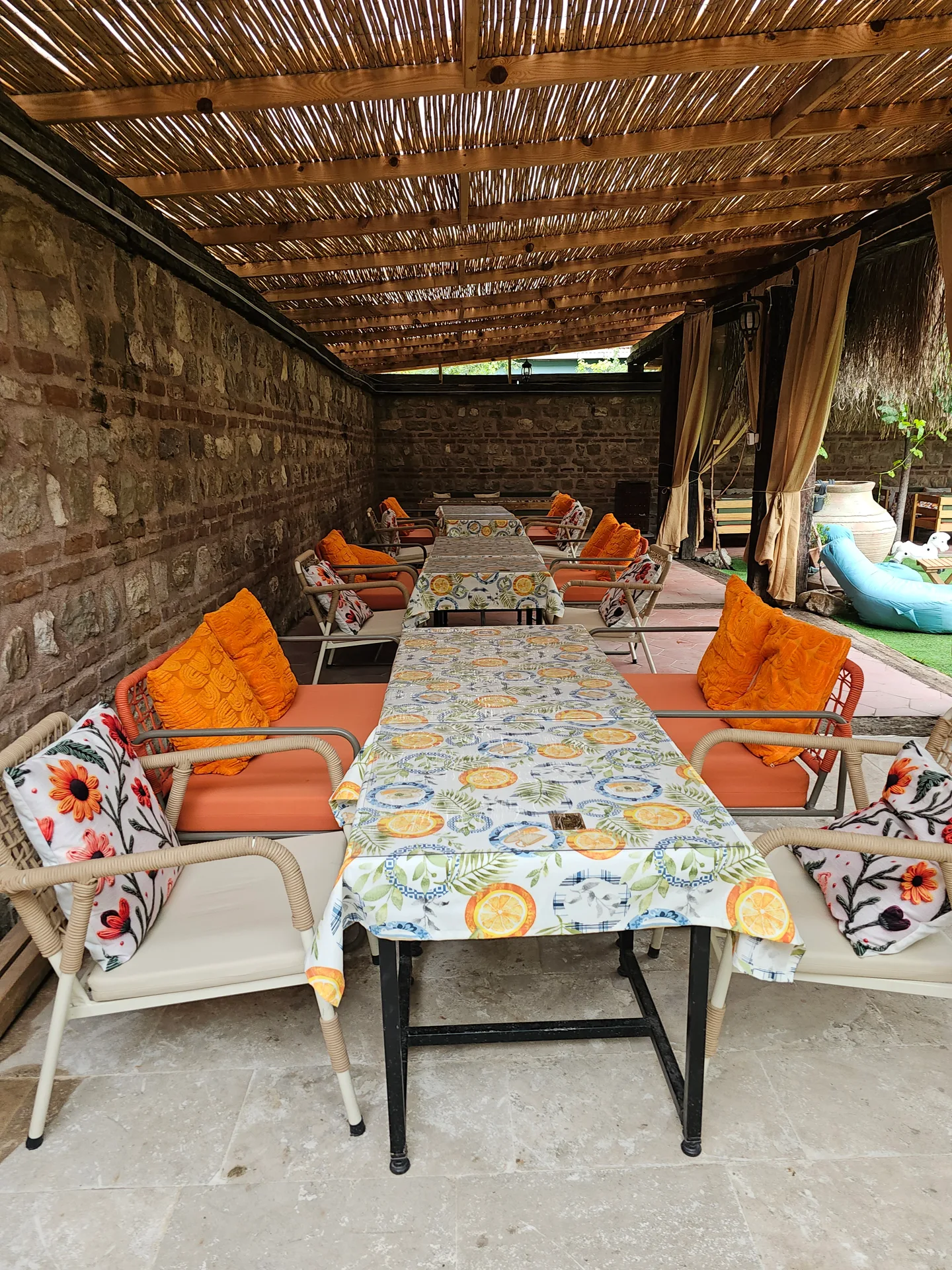
If you would like to get to know Edirne's morning table in person before trying the recipes at home, the Edirne serpme kahvaltı (spread breakfast) laid out in the grassy courtyard of a historic mansion in Kaleiçi is a good start. After breakfast, the Ali Paşa Bazaar is a few minutes' walk away. You can plan your way using our location in Kaleiçi, Edirne (Google Maps); because we are on the outer side of Kaleiçi, parking is no problem if you arrive by car.
Frequently Asked Questions
How do you make Edirne tava ciğeri at home?+
The calf's liver is stripped of its membrane and sinews, sliced paper-thin, salted and rested, dredged in flour and fried in very hot sunflower oil for 1–2 minutes. It is served with dried red peppers. Have the plate ready, because the cooking itself is brief.
Which liver is used for tava ciğeri?+
Calf's liver is used. According to the registration document, the liver must come from a calf at least 1 year old. Calf's liver, and not from a very young animal, is what the registration asks for. Lamb belongs to the wrapped dish, not to this fry.
What is deva-i misk?+
It is a white, fragrant Edirne helva made with egg white, sugar, honey and many spices. It received a geographical indication on 6 January 2021. Serve it at the end of the meal, not as a savoury course.
Which almonds are used in Edirne almond paste?+
According to the registration document, the Hacı Alibey (48-5) almond variety grown in Edirne is used. At home, any good-quality peeled raw almond will do. The registration names a variety grown in Edirne; at home, good peeled raw almonds are the honest stand-in. A batch from the cupboard should not be sold under the protected name.
Are the Edirne cookie and the Kavala cookie the same?+
Yes, it is the same cookie, made with toasted flour and almonds and rolled in icing sugar. In Edirne it is also called the almond cookie or the Edirne cookie.
Which liver is used for ciğer sarma?+
It is made with lamb's liver and wrapped in lamb caul (ciğer zarı). Edirne Ciğer Sarma received a geographical indication on 3 August 2022. Lamb's liver, wrapped in lamb caul, is this dish, and it is registered on its own. Do not swap in the calf's liver from the fried recipe.
What are Edirne's dishes with a geographical indication?+
In the culinary field, Edirne Tava Ciğeri, Edirne Ciğer Sarma, Deva-i Misk Helvası and Edirne Badem Ezmesi are the leading registered products. The fried liver, the wrapped liver, the spiced helva and the almond paste are the culinary names to look for. Other foods can be local without being on that list.
How long does almond paste keep?+
Store homemade almond paste in a closed container in a cool, dry place; as it contains no preservatives, it is best eaten within a few days. For registered production, too, storage in a cool, dry place in hot weather and at room temperature without humidity in cold weather is recommended. The registered product wants the same care, matched to hot or cold weather.
How many pieces does a home batch of Edirne almond paste make?+
The home recipe yields about 30 to 40 pieces and takes about an hour of work plus an hour of resting. Edirne Badem Ezmesi was registered on 25 January 2021 as number 656. Almond Edirne cookies, by contrast, make about 25 to 30 pieces in about 50 minutes and have no geographical-indication record.
How much deva-i misk helva does the home recipe yield?+
The home recipe yields about 450 grams in about 45 minutes. Deva-i Misk Helvası was registered on 6 January 2021 as number 643. Edirne ciğer sarma, another registered dish, serves 4 to 6 people and takes about an hour and a half.
You may also like: Accommodation, Breakfast, Events.