Visiting Edirne for the first time? UNESCO sites, 17 museums, MüzeKart rules, climate data, local flavours and 6 mistakes first-timers make. Plan your trip now.
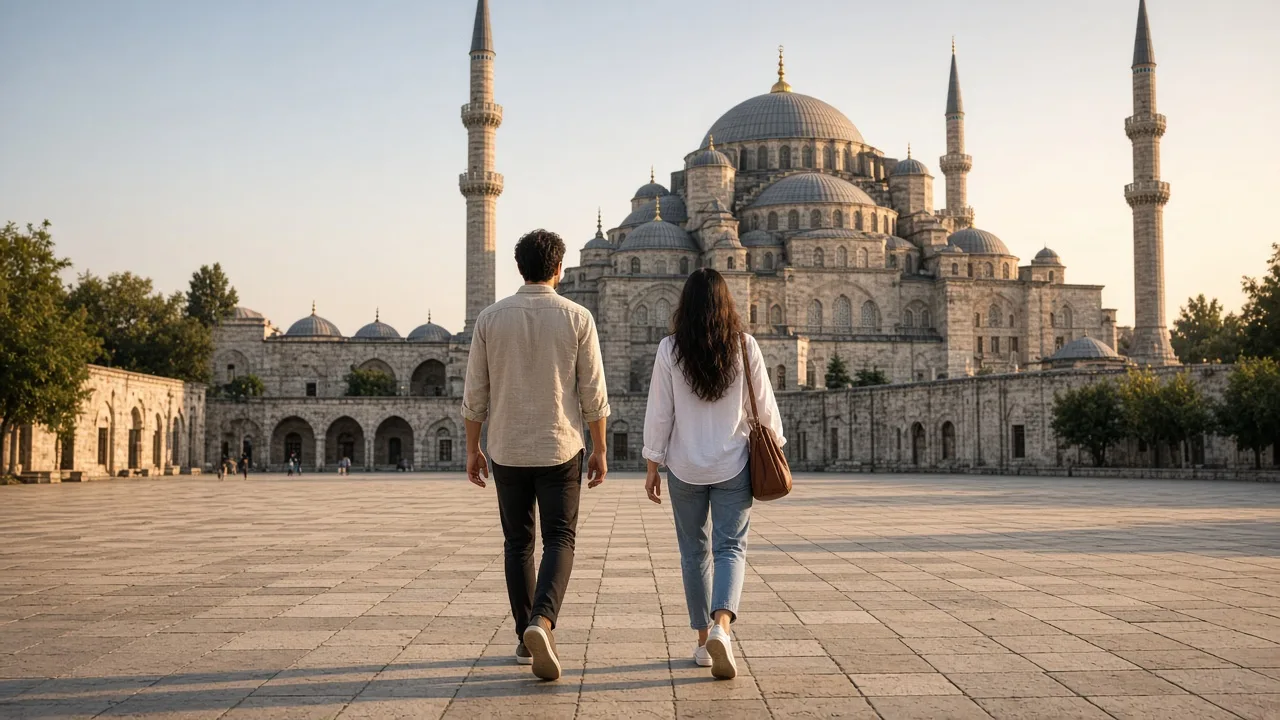
There are three things first-time visitors to Edirne should know: the city was the Ottoman capital until the conquest of Istanbul, the main sights in the centre are within walking distance of each other, and there are 17 museums in the city. Selimiye Mosque and Complex was added to the UNESCO World Heritage List in 2011, and the Kırkpınar Oil Wrestling Festival to the UNESCO Intangible Cultural Heritage List in 2010. Below you will find what you need to plan your first visit, the most common mistakes and the practical details.
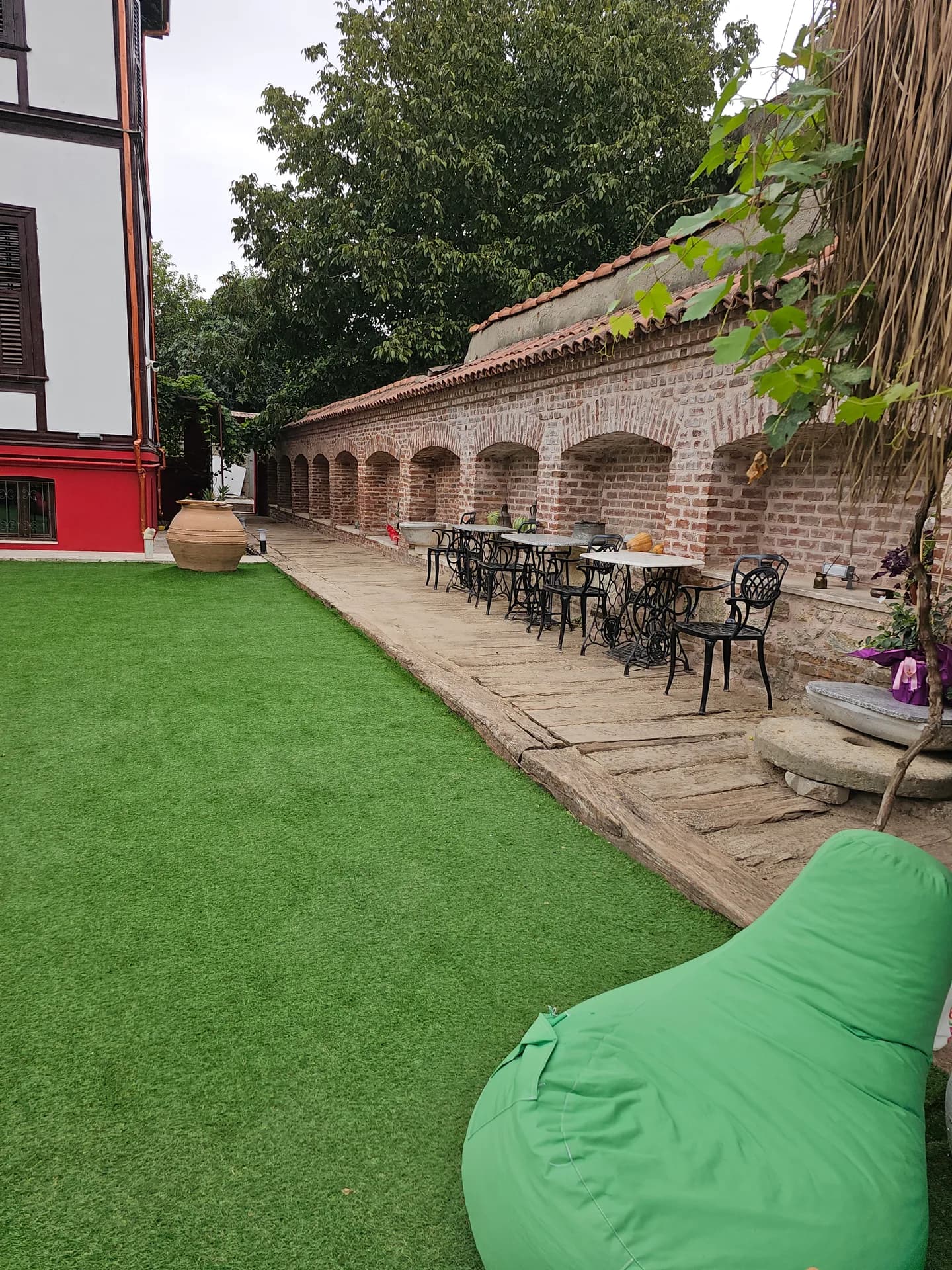
Café & Restaurant
Coffee, desserts and a relaxing break
The most common mistake first-timers make is thinking of Edirne as "a stopover town on the way". In fact, the city is a cultural centre that deserves at least two days of its own.
Quick Overview
| Topic | Information |
|---|---|
| Historical significance | Ottoman capital until the conquest of Istanbul |
| UNESCO | Selimiye (2011), Kırkpınar (2010) |
| Number of museums | 17 (TÜİK, Turkish Statistical Institute, 2025) |
| Ideal length | 2 full days, 3 days with museums |
| Best time | May–June, September–October |
| Touring the centre | On foot, 5–7 km a day |
What Kind of City Is Edirne?
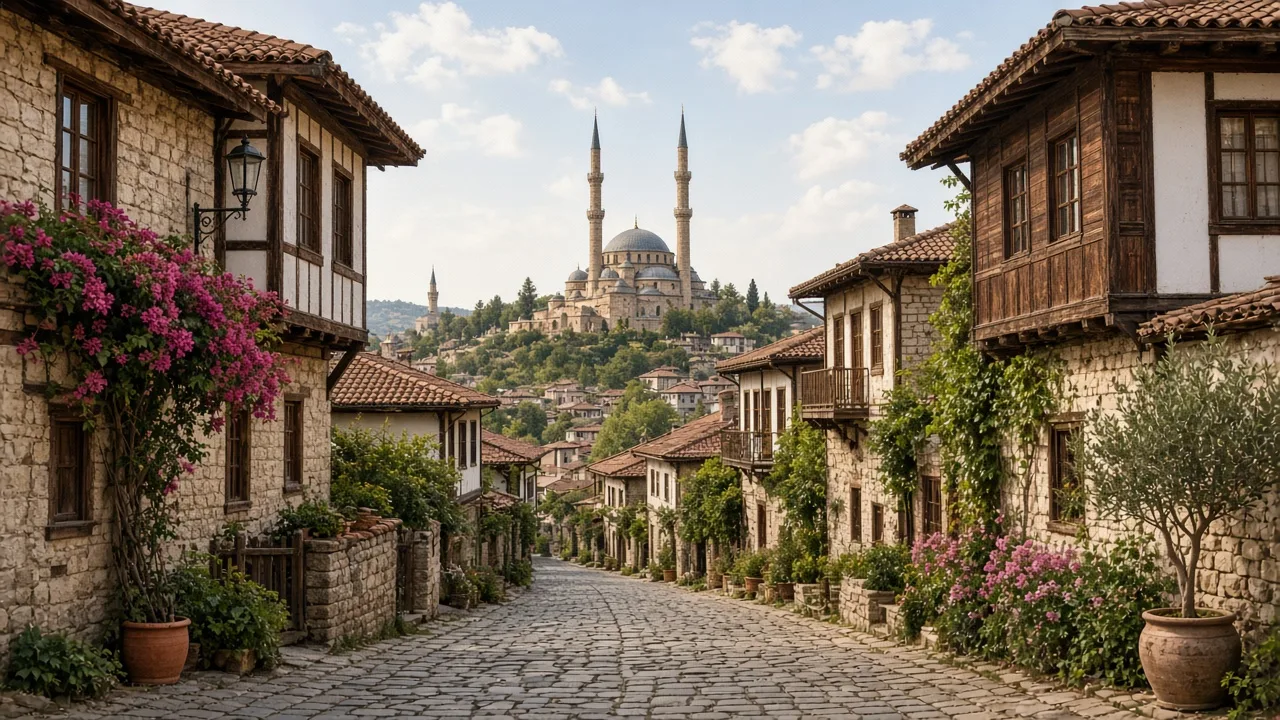
Edirne was the first capital of the Ottoman Empire on the European continent and kept this role until the conquest of Istanbul. This past is reflected directly in the fabric of the city: in the centre are three monumental imperial mosques, surrounded by complexes, historic bazaars and bridges.
The city is also one of Türkiye's provinces with land on the European continent, and it stands on a plain where three rivers (the Meriç, Tunca and Arda) meet. This geography makes riverside walks a natural part of any visit.
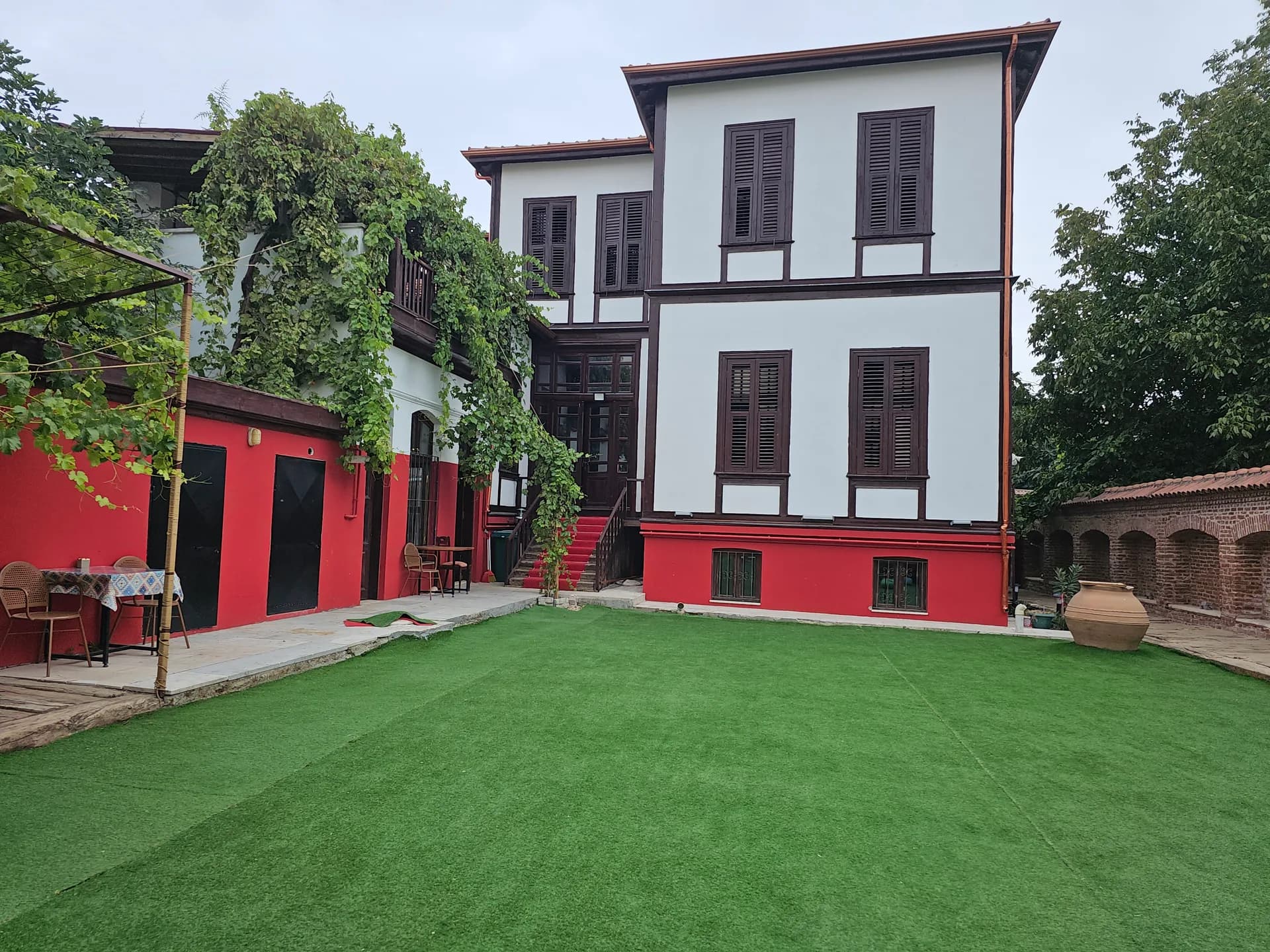
Stay
Stay in Edirne Kaleiçi with breakfast included
1. Three Mosques You Must See
A local rhyme sums up the stops in Edirne: "The calligraphy of the Old Mosque, the gate of Üç Şerefeli, the structure of Selimiye."
- Selimiye Mosque and Complex: The building Mimar Sinan called "my masterpiece" was completed in 1574. It was added to the UNESCO World Heritage List in 2011 (list no. 1366). The dome is about 31.3 metres in diameter and 43.28 metres high; the four minarets are 70.89 metres.
- Üç Şerefeli Mosque: Built between 1438 and 1447 by Murad II. Its minaret is 67.62 metres, and you climb to its three balconies by 203 steps on three separate staircases that never meet. It has the first large arcaded courtyard in Ottoman architecture.
- Old Mosque: Built between 1403 and 1414; Emir Süleyman began it and Sultan Mehmed I completed it. It is a multi-domed congregational mosque known for its large calligraphy.
Entry to the mosques is free. For details, see our Selimiye Mosque visiting guide and Üç Şerefeli Mosque and Old Mosque guide articles.
2. Museums: More Than You Expect
According to TÜİK's 2025 Cultural Heritage Statistics, there are 17 museums operating in Edirne; 3 are run by the Ministry of Culture and Tourism and 14 fall into the private museum category. With this number Edirne shares 7th place in Türkiye with Konya. The number of registered items in the three ministry museums is 35,246.
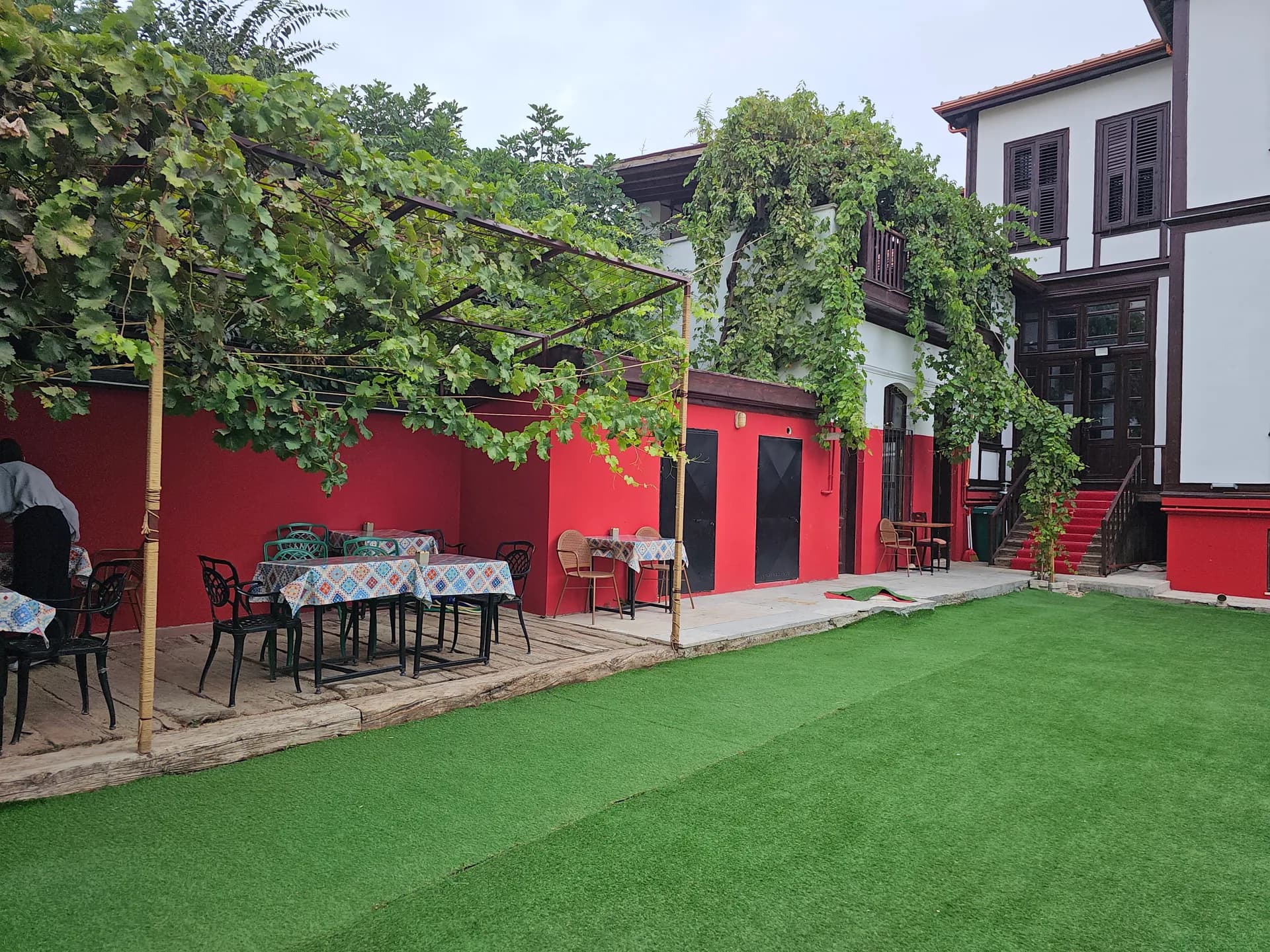
Events
Engagements, small weddings and private celebrations
Three stand out on a first visit:
- Sultan Bayezid II Complex Health Museum: The complex was built in 1488; its hospital (darüşşifa) section became a museum on 23 April 1997 and won the Council of Europe Museum Prize in 2004. It is famous for the section where mental illnesses were treated with music and the sound of water.
- Edirne Museum (Archaeology and Ethnography): Next to Selimiye, opened on 13 June 1971.
- Edirne City Museum: In the historic Hafız Ağa Mansion; it tells the city's story from the Neolithic period to the present with interactive panels.
For the full list, see our Edirne museums guide.
MüzeKart information
People who do not know this detail are surprised at the door: the MüzeKart (Türkiye's museum pass) is valid at the ministry-run Edirne Museum, the Museum of Turkish and Islamic Arts and the Hıdırlık Tabya Balkan History Museum. Because the Health Museum is run by Trakya University, the MüzeKart is not accepted there; you buy a separate ticket.
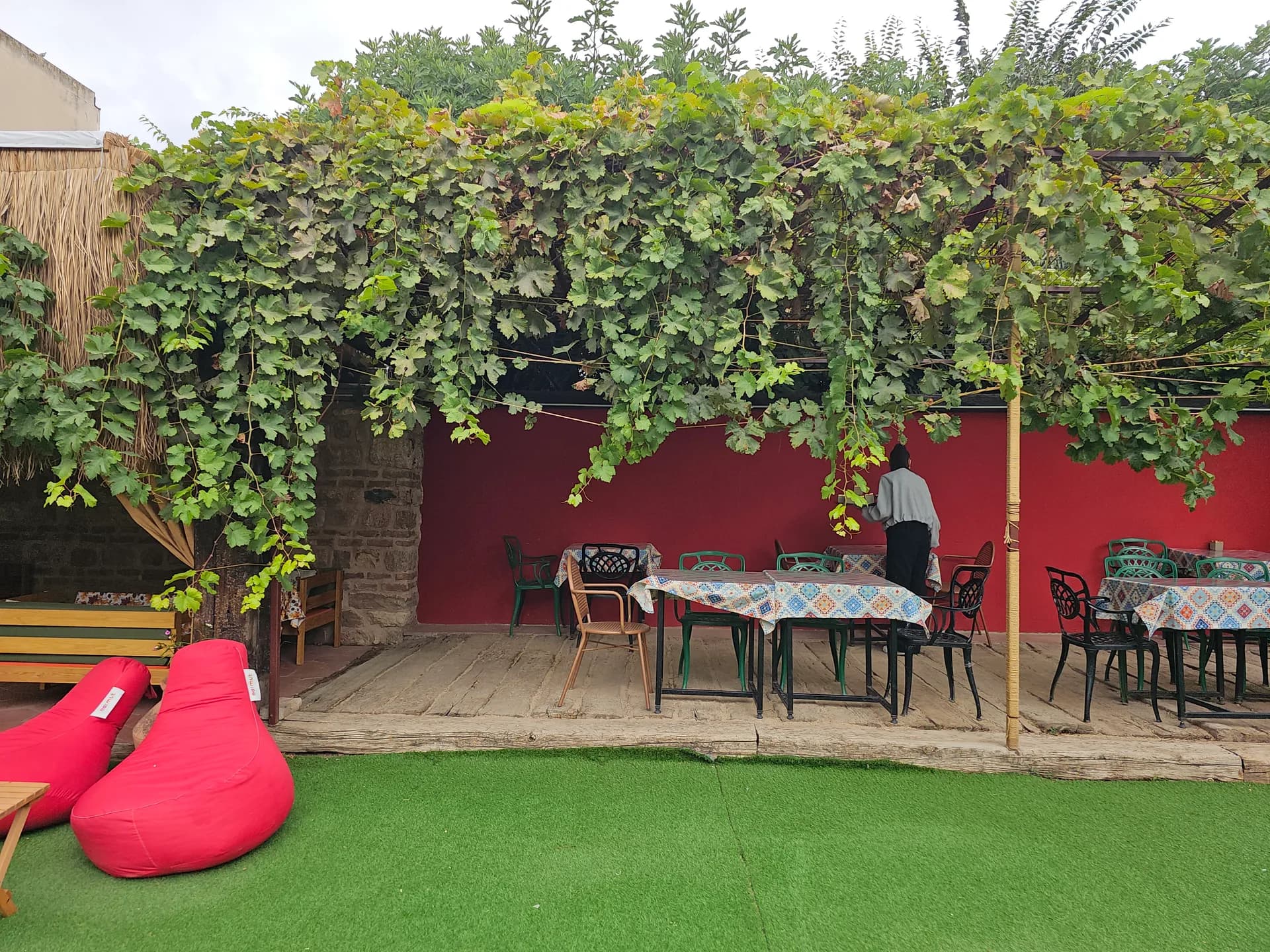
Breakfast
A generous Turkish breakfast spread in the garden
3. When to Go?
According to Turkish State Meteorological Service (MGM) data for 1930–2025, the most balanced periods are May–June and September–October:
- September: An average of 20.2 °C and only 4.7 rainy days — according to the data, the most favourable month.
- May–June: Averages of 18.0 °C and 22.4 °C; nature at its liveliest.
- July–August: The average maximum temperature is 32.1 °C. Hot but dry (3.9 rainy days in August).
- December–January: The wettest period (70.5 mm and 12.9 rainy days in December), and daily sunshine drops to 2.2 hours.
For a detailed monthly table, see our best time to visit Edirne article.
Two major events
- Kakava–Hıdırellez Festivities: Every year on 5–6 May. On the evening of 5 May the Kakava bonfire is lit in Sarayiçi, and at 06:00 on the morning of 6 May the Welcoming Spring ritual takes place on the banks of the Tunca. Free.
- Historic Kırkpınar Oil Wrestling: Late June–early July. In 2026 the 665th edition was held from 29 June to 5 July; the wrestling took place on 3–5 July at the Sarayiçi Er Meydanı (wrestling arena). The festival was added to the UNESCO list in 2010.
These two periods are the city's busiest days; you need to book accommodation well in advance.
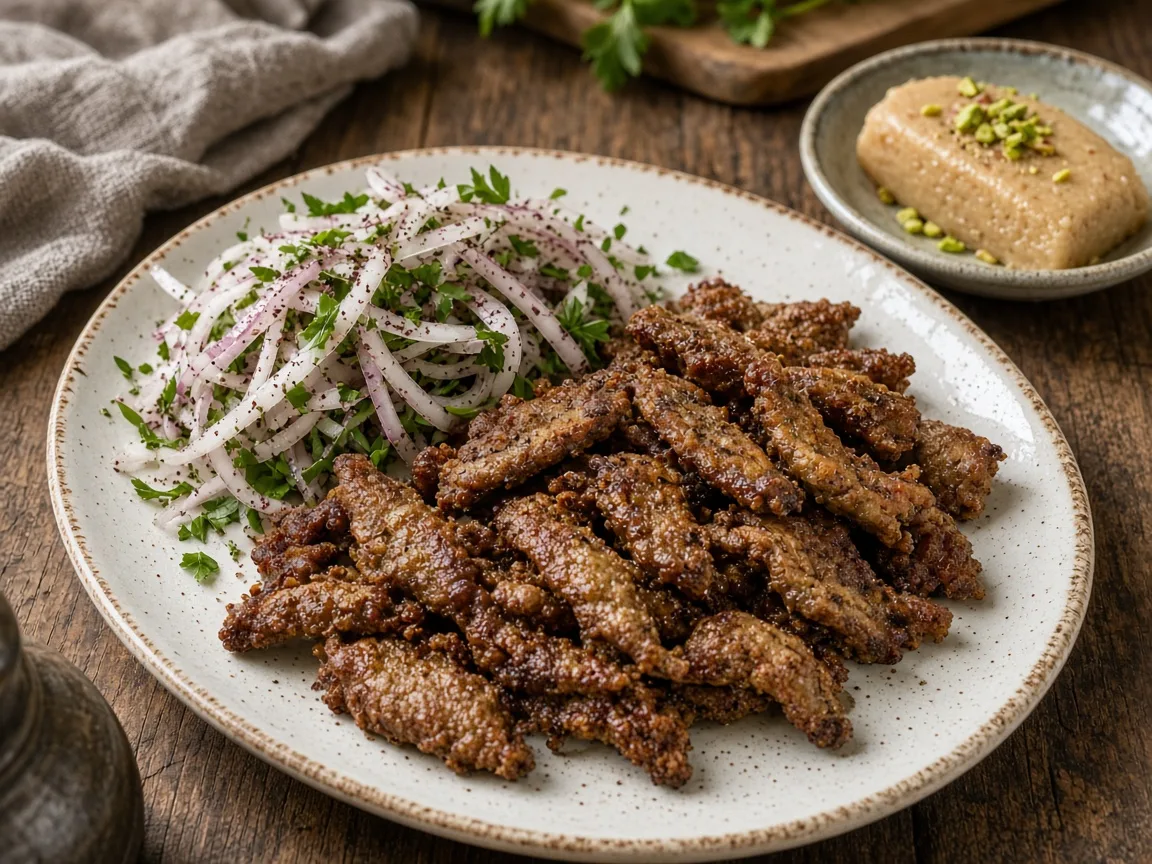
4. What to Eat?
Edirne cuisine is an important part of a first visit:
- Tava ciğeri (Edirne-style fried liver): The city's best-known dish. Details in our fried liver guide.
- Edirne badem ezmesi (almond paste): Its best-known sweet and the most popular souvenir.
- Hardaliye: A traditional non-alcoholic fermented grape drink of Thrace, made with grapes and mustard seeds. Details in our what is hardaliye and how to drink it article.
- Serpme kahvaltı (spread breakfast): Another of the city's strengths; see our where to find an Edirne spread breakfast page.
For a general list, our what to eat in Edirne and Edirne desserts guide articles will help.
5. How Many Days Should You Allow?
- 1 day: Three mosques + two museums + the bazaars. Tight but possible. For a programme, see our Edirne in one day itinerary.
- 2 days: The centre + the Health Museum + the riverside. Ideal for most visitors. See our Edirne 2-day travel guide.
- 3 days: All of the above + Karaağaç, the Lausanne Museum and the remaining museums. See our Edirne in 3 days guide.
To decide, our how many days do you need in Edirne article makes a comparison.
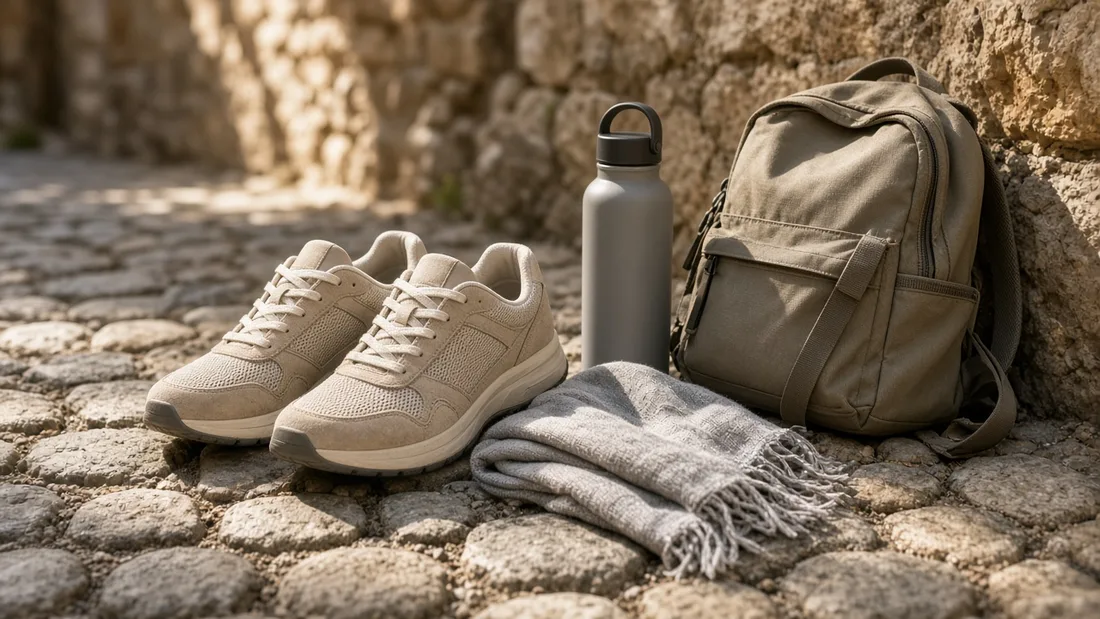
6 Mistakes First-Time Visitors Make
1. Treating it as a stopover. The city deserves at least two days; in half a day you will only see Selimiye. 2. Staying outside the city. The sights in the centre are within walking distance; staying far from the centre means losing time on transport every day. 3. Relying on the MüzeKart. It is not accepted at the Health Museum; carry cash or a card. 4. Spending summer middays outdoors. With an average of 32 °C, it is wiser to spend the midday hours in museums. 5. Skipping the rivers. The historic bridges over the Meriç and Tunca and the 10-kilometre walking trail at Söğütlük are among the city's finest sides. See our Meriç and Tunca river walking route article. 6. Not checking museum hours. Hours change between summer and winter, and some museums may be closed on Mondays.
Location and Getting There
On a first visit, the most important decision is where you stay. If you stay in the centre, you will not need a car to get between the mosques, museums and bazaars. You can check the distances to the sights on our location in Kaleiçi, Edirne (Google Maps).
Kaleiçi is the city's historic urban centre of about 26 hectares; thanks to the zoning plan implemented in 1908, its streets cross each other at right angles, so finding your way is easy. For the advantages of staying in the area, see our advantages of staying in Kaleiçi article, and for options, our places to stay in Edirne page. For getting there, our how to get from Istanbul to Edirne article shows the way.
Frequently Asked Questions
Where should first-time visitors to Edirne start?+
With Selimiye Mosque and Complex. The Museum of Turkish and Islamic Arts and the Edirne Museum next to it can be combined in the same walk. Selimiye and its complex, then the two museums beside it, is the morning that orients everything else. Start there before the bazaars pull you off the plan.
How many days do you need to see Edirne?+
Two full days for the centre are enough for most visitors. If you add the museums and Karaağaç, you need three days. Museums plus Karaağaç are what turn it into three.
What are Edirne's UNESCO heritage sites?+
Selimiye Mosque and Complex was inscribed on the World Heritage List in 2011, and the Kırkpınar Oil Wrestling Festival on the Representative List of the Intangible Cultural Heritage of Humanity in 2010. One is a building you enter; the other is an event you attend only in its week.
How many museums are there in Edirne?+
According to TÜİK's 2025 data, 17 museums are operating; 3 are run by the ministry and 14 fall into the private museum category. The provincial total mixes a few ministry museums with a larger private group. You will not see all of them; choose the ones next to the walk you are already doing.
Is the MüzeKart valid in Edirne?+
It is valid at the ministry-run Edirne Museum, the Museum of Turkish and Islamic Arts and Hıdırlık Tabya. It is not accepted at the Health Museum, which is run by Trakya University. Ask before you queue if you are unsure which desk is which.
What should you eat in Edirne?+
Its best-known dish is tava ciğeri (fried liver), its best-known sweet is badem ezmesi (almond paste), and its local drink is hardaliye, a non-alcoholic grape drink. You can meet all of them in a day without a special tour.
When is the best time to visit Edirne?+
May–June and September–October. In September the average temperature is 20.2 °C and there are 4.7 rainy days (MGM 1930–2025). September's mild average and few rainy days are why it keeps coming up as the easy month.
What should you keep in mind when entering a mosque?+
Entry is free. Appropriate clothing is required, shoes are taken off, and visitor numbers can rise at prayer times. There is no charge. Cover up, take your shoes off, and expect a pause or a crowd when prayer is on.
Can you explore the city on foot?+
Yes. If you stay in the centre, you can reach all the main sights by walking 5–7 kilometres a day.
Was Edirne once an Ottoman capital?+
Yes. The city was the Ottoman capital until the conquest of Istanbul, which is why a first visit starts with the great mosques rather than a single landmark. Selimiye, completed in 1574, has been UNESCO list number 1366 since 2011. Üç Şerefeli, built for Murad II between 1438 and 1447, has a minaret of 67.62 metres climbed by 203 steps on three staircases that never meet.
You may also like: Accommodation, Breakfast, Events.