Edirne's Saraçlar Caddesi: the story of the 750-metre historic pedestrian street, its restoration project, nearby bazaars and a walking route. Explore it today.
Edirne's Saraçlar Caddesi (Saddlers' Street) is a historic pedestrian street, about 700–750 metres long, running parallel to the old eastern walls of Kaleiçi in the city centre. Following an urban design project prepared in 2003, it was closed to traffic in 2008. In a restoration programme run by the Ministry of Culture and Tourism and the Edirne Governorship, 233 buildings on both sides of the street, 129 of them listed, are being renovated in keeping with the historic fabric. Opening onto the Ali Paşa Bazaar, the Tahtakale Hammam and the Çilingirler Bazaar, Saraçlar is the centre of everyday life, shopping and evening strolls in Edirne.
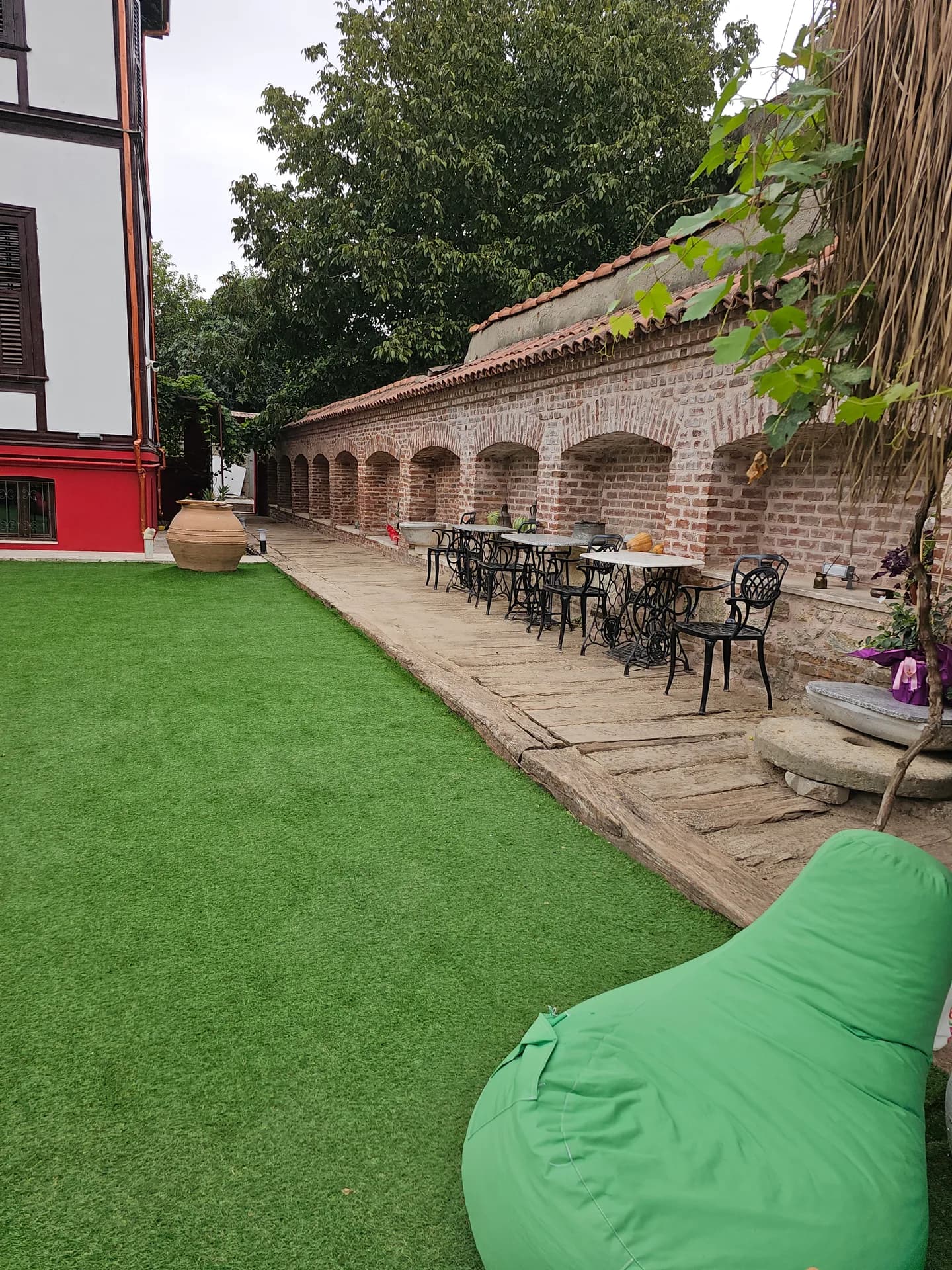
Café & Restaurant
Coffee, desserts and a relaxing break
Quick Overview
| Topic | Information |
|---|---|
| Length | About 700–750 metres |
| Location | City centre, along the eastern edge of Kaleiçi |
| Pedestrianisation | 2003 project, implemented in 2008 |
| Vehicle traffic | Closed except for a service window of a few hours in the morning |
| Restoration | 233 buildings, 129 of them listed |
| Parallel and connected buildings | Ali Paşa Bazaar, Tahtakale Hammam, Çilingirler Bazaar |
| Origin of the name | Saraç: a craftsman who made saddles, harnesses and straps from leather |
| Walking time | 10–15 minutes end to end, 1–1.5 hours with stops |
| Best time | Afternoon and early evening |
The History of Saraçlar Caddesi
The street takes its name from the saddlers (saraç) who gathered here in the Ottoman period. Saddlers were craftsmen who made leather goods such as saddles, horse harnesses, belts, sword scabbards and bags. Because each craft gathered in its own street in the Ottoman bazaar system, names such as Çilingirler (Locksmiths), Kunduracılar (Shoemakers) and Balık Pazarı (Fish Market) still live on in Edirne alongside Saraçlar.
The street runs parallel to the eastern line of the old Roman-Byzantine walls that surrounded Kaleiçi. As noted in studies prepared by Trakya University, the walls can barely be made out along this line today, but the street's gently curving line follows the trace of the old castle wall. According to sources, this axis was one of the city's main thoroughfares, in use since the Byzantine period.
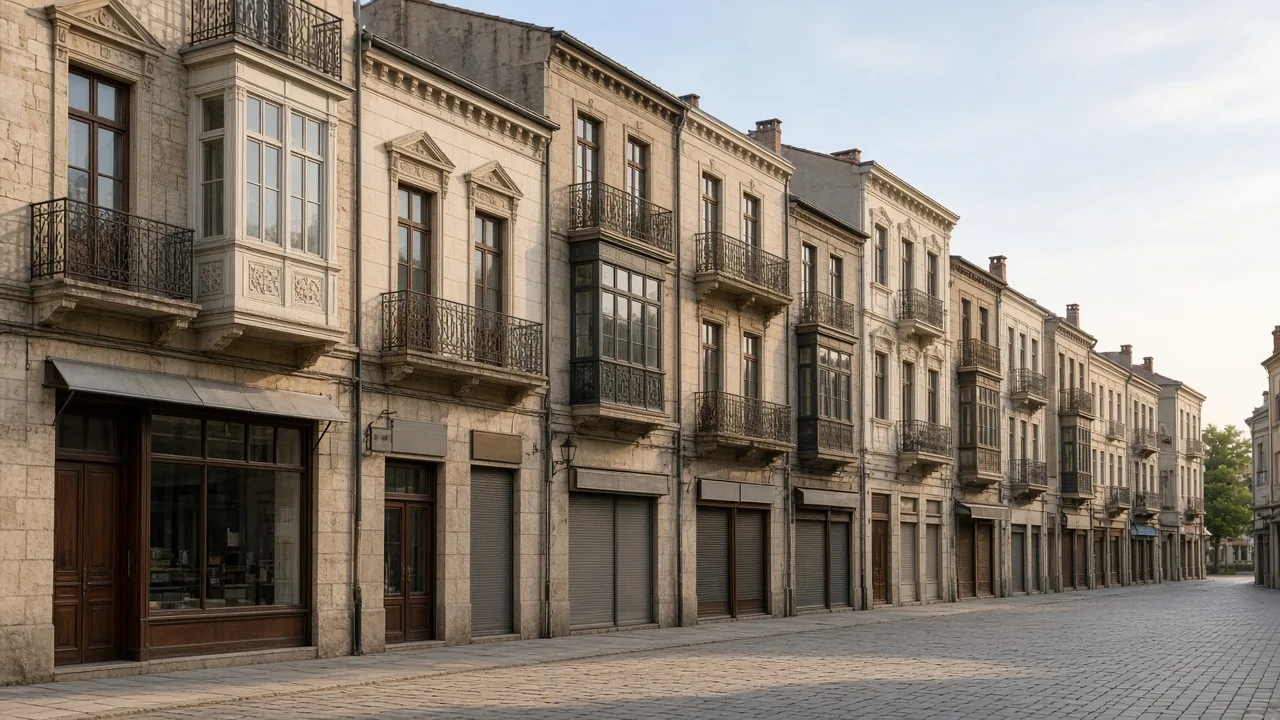
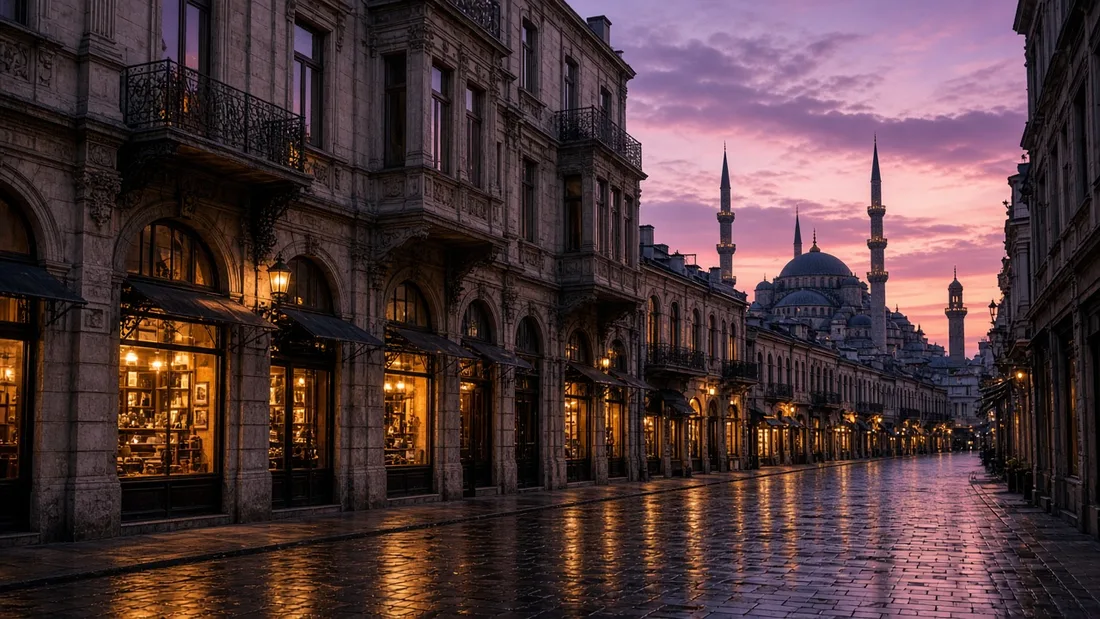
In the late 19th and early 20th centuries, the street took on its present appearance with two- or three-storey masonry shop-houses. With a shop on the ground floor and storage or housing above, these buildings' bay windows (cumba), iron-railed balconies and ornate window pediments give the street a distinctive character. It is one of the lines where Edirne's civil architecture is seen most densely.
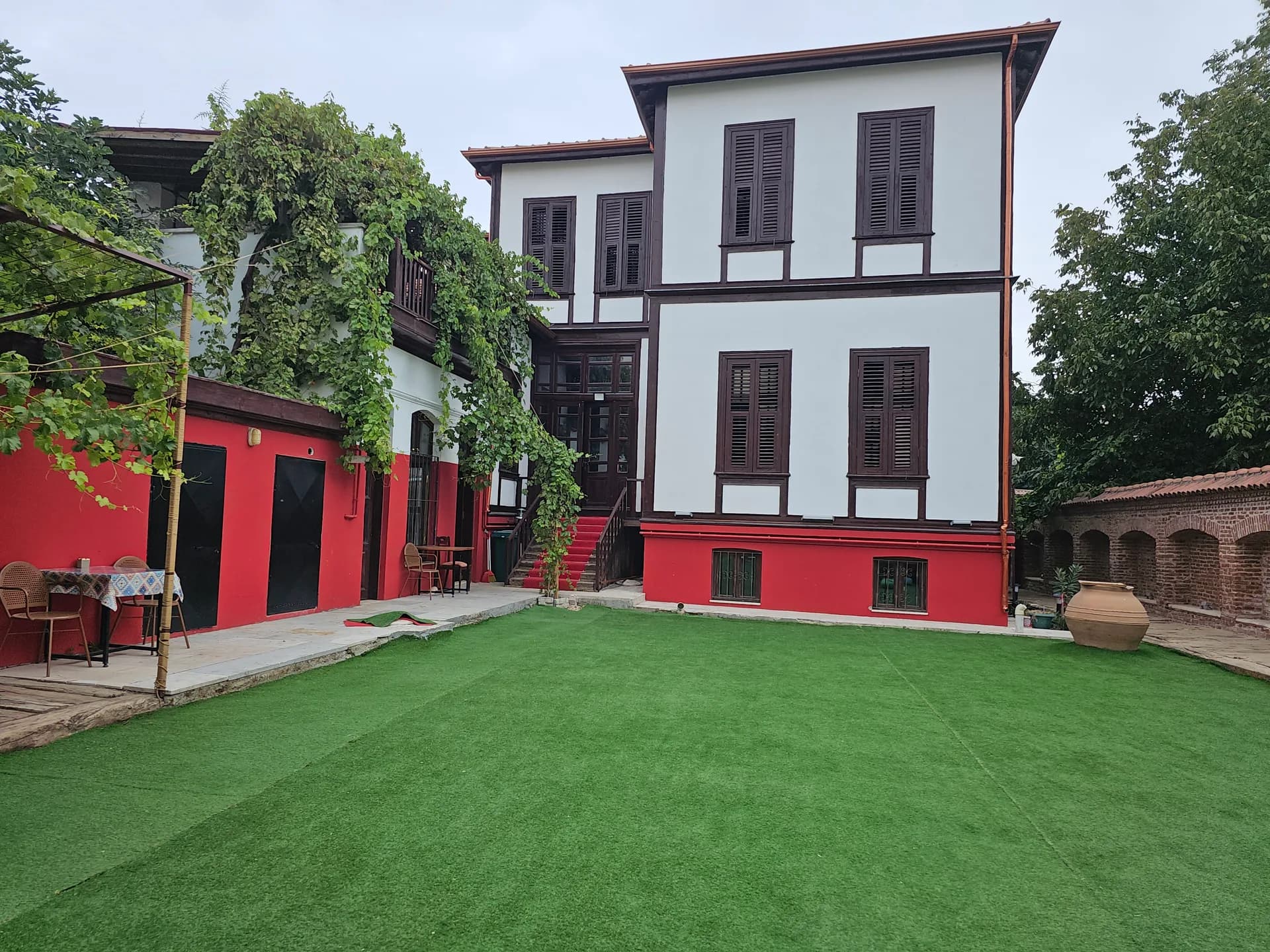
Stay
Stay in Edirne Kaleiçi with breakfast included
Pedestrianisation: The 2003 Project and Its 2008 Implementation
In the early 2000s, Saraçlar was a shopping street choked by traffic, noise and pollution. In 2003, Edirne Municipality commissioned an Urban Design Project with the contribution of Trakya University's Revolving Fund Enterprise. The project was based on the "urban rights" principle of the European Urban Charter and on the protection of historic values.
The street was pedestrianised in line with this project in 2008. Today, vehicles are allowed in only during a short service window in the morning. In assessments after pedestrianisation, residents reported that pollution and noise had decreased and that the street hosted more events and social gatherings. Saraçlar soon became Edirne's "living room".
The Restoration Project: Signs Come Down, Facades Open Up
Pedestrianisation solved the traffic but did not make the historic facades visible. The jumble of awnings and the large signs in front of the shops hid the buildings' architecture. In response, the Saraçlar Caddesi Restoration Project was prepared under the leadership of the Edirne Governorship.
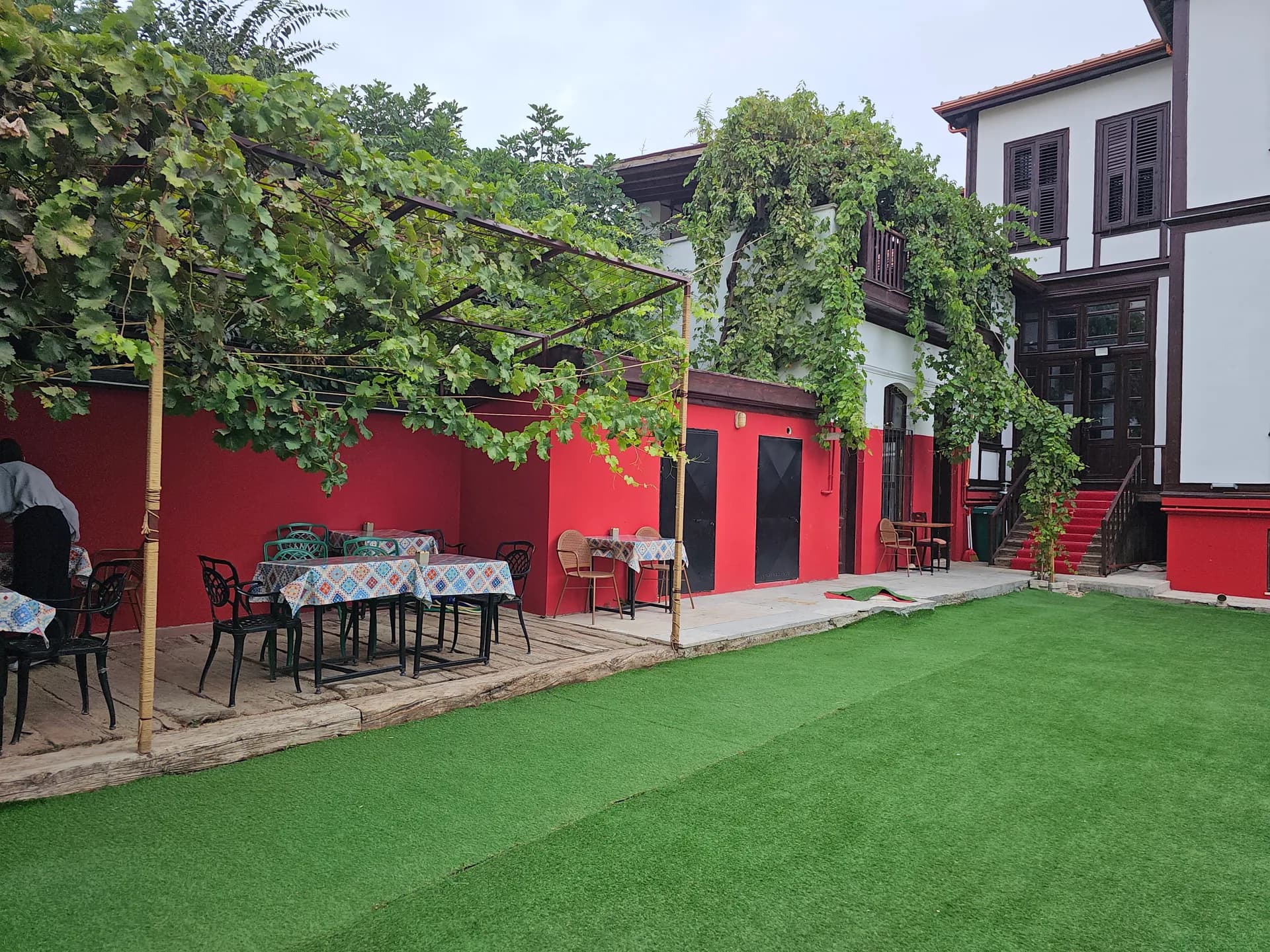
Events
Engagements, small weddings and private celebrations
According to information reported by the Anadolu Agency:
- The work covers both sides of the street, which is about 750 metres long.
- The facades of 233 buildings are being rearranged in keeping with the historic fabric; 129 of them are listed.
- At the time of the announcement, work had been carried out on 160 buildings, and the paving and landscaping stage was planned next.
- The next phases are planned to continue towards the Balık Pazarı, Kaleiçi and the Kunduracılar Bazaar, whose project has been approved, and to be completed with the redesign of a city square.
Under the project, signs are being reduced in size and standardised, later cladding is being removed and window and door joinery is being renewed according to its original forms. As the progress of the work changes from time to time, you may see scaffolding on some sections of the street.
Historic Buildings Opening off Saraçlar
What makes Saraçlar special is not that it is a street on its own, but that it is intertwined with the city's most important bazaar and hammam buildings.
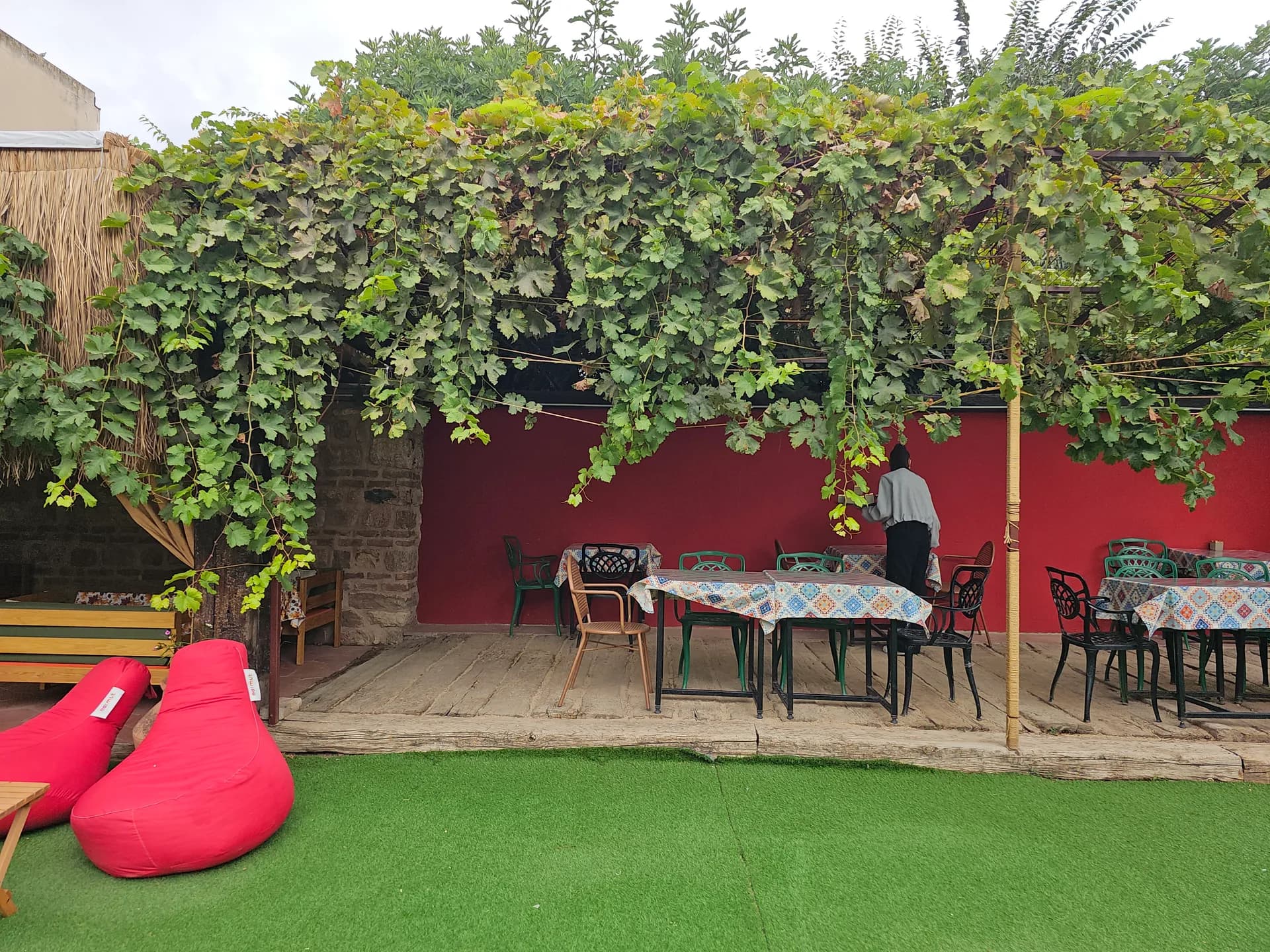
Breakfast
A generous Turkish breakfast spread in the garden
The Ali Paşa Bazaar
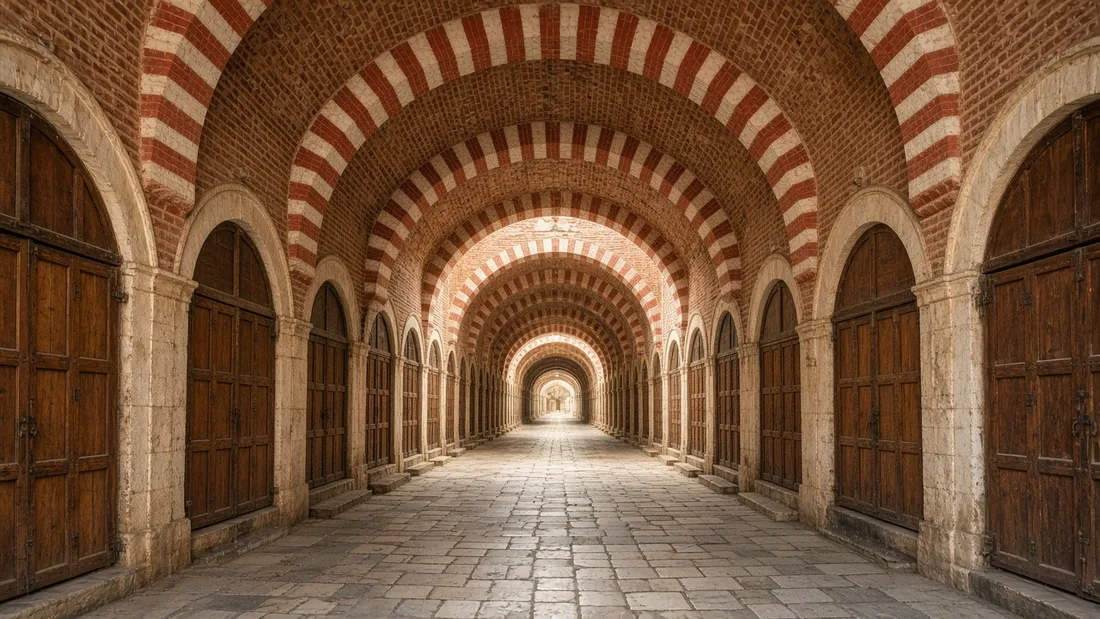
Running parallel to Saraçlar, the Ali Paşa Bazaar is the covered bazaar that Hersekli Semiz Ali Paşa commissioned from Mimar Sinan to provide income for his endowment in Babaeski. Most sources date the building to 1569. Apart from the Kule Kapısı (Tower Gate) and Balıkhane Kapısı (Fish House Gate) at the two ends of the vaulted street, about 300 metres long, it has four more gates opening onto side streets. The Edirne Evkaf (Endowments) Register dated 1568–69 records 211 shops and 25 cells; today there are around 130 shops inside the bazaar and at its entrances.
The Tahtakale Hammam
Built by Murad II in 1434–35, the Tahtakale Hammam is Edirne's largest hammam, and its entrance is on the Saraçlar side. Because of the rising road level, it now sits in a hollow; the 16-metre dome of the men's changing hall can be seen between the surrounding buildings. Details are in our historic hammams of Edirne article.
The Çilingirler Bazaar and the Broom-Maker Statue
At the entrance to the Çilingirler Bazaar, which branches off Saraçlar, stands the Broom-Maker Statue (Süpürgeci Heykeli), commissioned by Edirne Municipality. The statue is dedicated to Edirne broom-making, a craft that had nearly 400 producers half a century ago and continues today with around 10 masters. Mirrored brooms can still be found in the shops in this area.
Things to Do on Saraçlar Caddesi
Saraçlar is a place to walk to feel the city's rhythm rather than to visit a particular monument. A short list of things to do:
- Buy badem ezmesi (almond paste) and deva-i misk. Edirne almond paste with a geographical indication can be found at the confectioners on the street and in the side streets.
- Browse fruit soaps and mirrored brooms. Edirne's handicrafts are concentrated around the Ali Paşa Bazaar and Çilingirler.
- Have tava ciğeri for lunch. The streets near Saraçlar are full of liver restaurants serving Edirne tava ciğeri (Edirne-style fried liver), which has a geographical indication.
- Study the facade architecture. Look up: above the ground-floor shop windows you will see window pediments, iron balconies and bay windows from the late 19th and early 20th centuries.
- Take an evening stroll. After working hours, the people of Edirne flock to the street, and the fronts of tea gardens and patisseries fill up.
For a full list of souvenir shopping, see our what to buy in Edirne article, and for local flavours, our what to eat in Edirne article.
A Walking Route Centred on Saraçlar
Saraçlar is like a backbone linking Edirne's monuments. A walk of about two hours can be put together like this:
1. Selimiye Mosque and Arasta — Start the day with Sinan's masterpiece. 2. Old Mosque and Bedesten — The Old Mosque, dated 1414, and the Bedesten right next to it. 3. Üç Şerefeli Mosque — Dated 1447, with four differently decorated minarets. 4. Ali Paşa Bazaar — Enter through the Kule Kapısı and walk along the vaulted street. 5. Saraçlar Caddesi — Leave the bazaar and cross to the street; study the facade architecture. 6. Çilingirler Bazaar — The Broom-Maker Statue and handicraft shops. 7. Kaleiçi — From the southern end of the street, enter the grid-planned streets of Kaleiçi.
Details of the Üç Şerefeli and Old Mosques are in our Üç Şerefeli and Old Mosque guide; a longer route is in our a day in Kaleiçi article.
When to Go to Saraçlar
The street shows a different face at every hour. Between 09.00 and 11.00 in the morning it is quiet and good for photography; shops are just opening and service vehicles are leaving. Midday is busy, especially at weekends and during Kırkpınar week. After 17.00, the street truly comes alive: locals come out for a stroll and the shop-window lights come on.
In summer, as there is little shade on the street, walking in the midday heat is tiring; at this time of year the cool vaults of the Ali Paşa Bazaar are a good refuge. In winter, the street gets dark early after 17.00 because of the short days, but the shop-window lights still make for a pleasant evening walk.
Staying and Taking a Break Near Saraçlar
As Saraçlar Caddesi is on the eastern edge of Kaleiçi, those staying in Kaleiçi can reach it with a few minutes' walk. If you are coming by car, the street itself is closed to traffic, so use the car parks in the surrounding area. If you are looking for somewhere to stay, see our Edirne Kaleiçi accommodation and stays in central Edirne pages. You can map your route from our location in Kaleiçi, Edirne (Google Maps), and after shopping you can rest in our courtyard café in Kaleiçi.
Frequently Asked Questions
Where is Saraçlar Caddesi?+
Saraçlar Caddesi runs along the eastern edge of Kaleiçi in Edirne city centre. It is parallel to the Ali Paşa Bazaar and within walking distance of the Selimiye Mosque. If you are in the old quarter, you will meet it without a taxi.
How long is Saraçlar Caddesi?+
According to sources, the street is about 700–750 metres long. Walking from one end to the other takes 10–15 minutes. A few hundred metres, a short walk end to end. It is a stroll, not a hike, which is why people use it as the spine of an evening.
When was Saraçlar Caddesi pedestrianised?+
The street was pedestrianised in 2008, in line with the urban design project prepared in 2003 by Edirne Municipality and Trakya University. In the late two-thousands, following a design the city and the university had drawn up a few years earlier. The closure is planned, not a temporary barrier.
Can you drive onto Saraçlar Caddesi?+
No. The street is closed to vehicle traffic except for a short service window in the morning. If you arrive by car, use the nearby car parks. Park nearby and walk; the street is for people.
Where does the name Saraçlar come from?+
The name comes from the saddlers who gathered here in the Ottoman period. Saddlers were craftsmen who made saddles, harnesses, belts and bags from leather.
What can you buy on Saraçlar Caddesi?+
Edirne almond paste, deva-i misk helva, fruit soap and mirrored brooms are the most popular purchases. The nearby Ali Paşa Bazaar and Çilingirler Bazaar are also good places for handicrafts. Buy the food where you can see the registered name.
What is the Saraçlar Caddesi restoration project?+
Run by the Ministry of Culture and Tourism and the Edirne Governorship, the project is bringing the signs, awnings and facades of 233 buildings on the street, 129 of them listed, into line with the historic fabric. The next phases are planned to continue towards the Balık Pazarı, Kaleiçi and the Kunduracılar Bazaar. A bit of scaffolding is the work, not a reason to skip the street.
When should you go to Saraçlar Caddesi?+
The best times are 09.00–11.00 in the morning for photographs and quiet, and after 17.00 in the early evening for a lively atmosphere. Midday is neither.
How many buildings are included in the Saraçlar restoration?+
233 buildings on both sides of the street, 129 of them listed, in a programme of the Ministry of Culture and Tourism and the Edirne Governorship. The street itself is about 700 to 750 metres, along the old eastern edge of Kaleiçi. The urban design project dates from 2003, and traffic was closed in 2008.
Which old buildings does Saraçlar Caddesi open onto?+
The Ali Paşa Bazaar, the Tahtakale Hammam and the Çilingirler Bazaar. Vehicles are kept off the street except for a service window of a few hours in the morning. It is the centre of everyday shopping and of the evening stroll.
You may also like: Accommodation, Breakfast, Events.