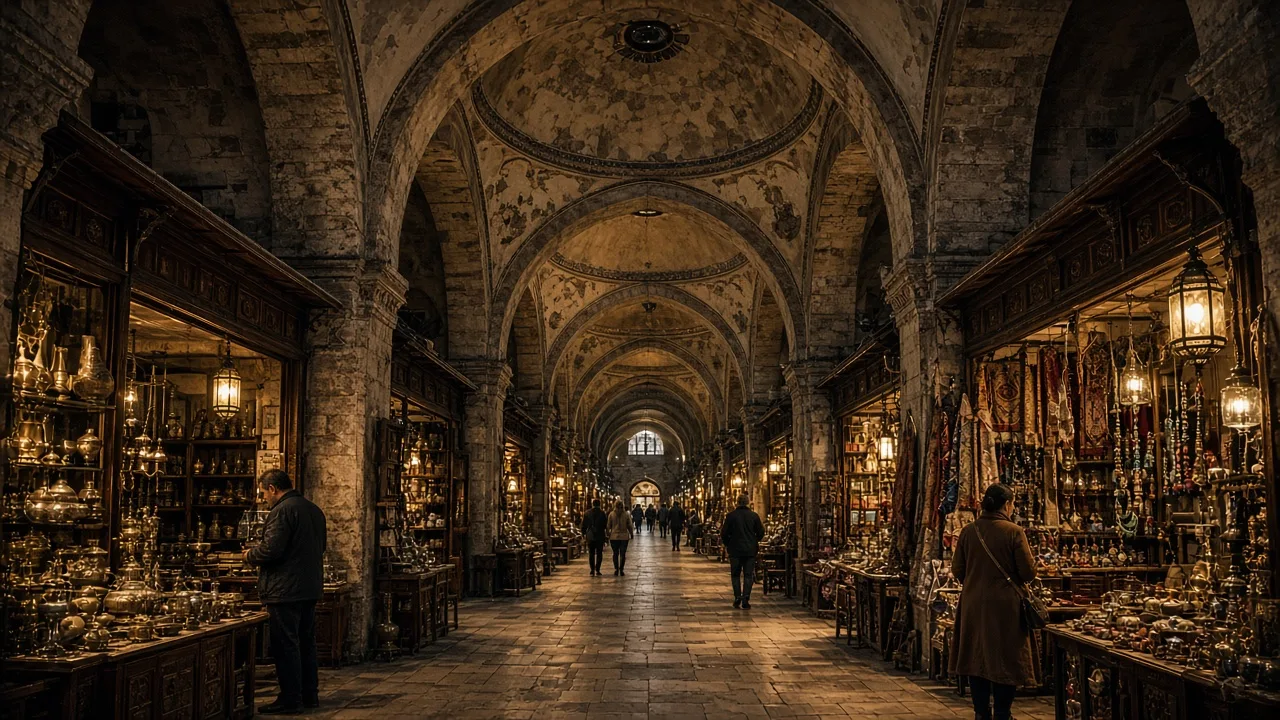
What to buy in Edirne: almond paste, fruit-shaped scented soap, Deva-i Misk, white cheese and hardaliye; a souvenir list with Ali Paşa Bazaar, Bedesten and Arasta.
The top souvenirs to buy in Edirne are Edirne Badem Ezmesi (almond paste), Edirne Mis Meyve Sabunu (fruit-shaped scented soap) and Deva-i Misk helva, all registered with a geographical indication; the easiest places to find them are the city's historic bazaars: the Ali Paşa Bazaar, the Bedesten and the Selimiye Arasta. To date, 14 products from Edirne have been placed under geographical indication protection by the Turkish Patent and Trademark Office. Below are the bazaars' histories, what to look out for with each product and the registration details, all in one place.
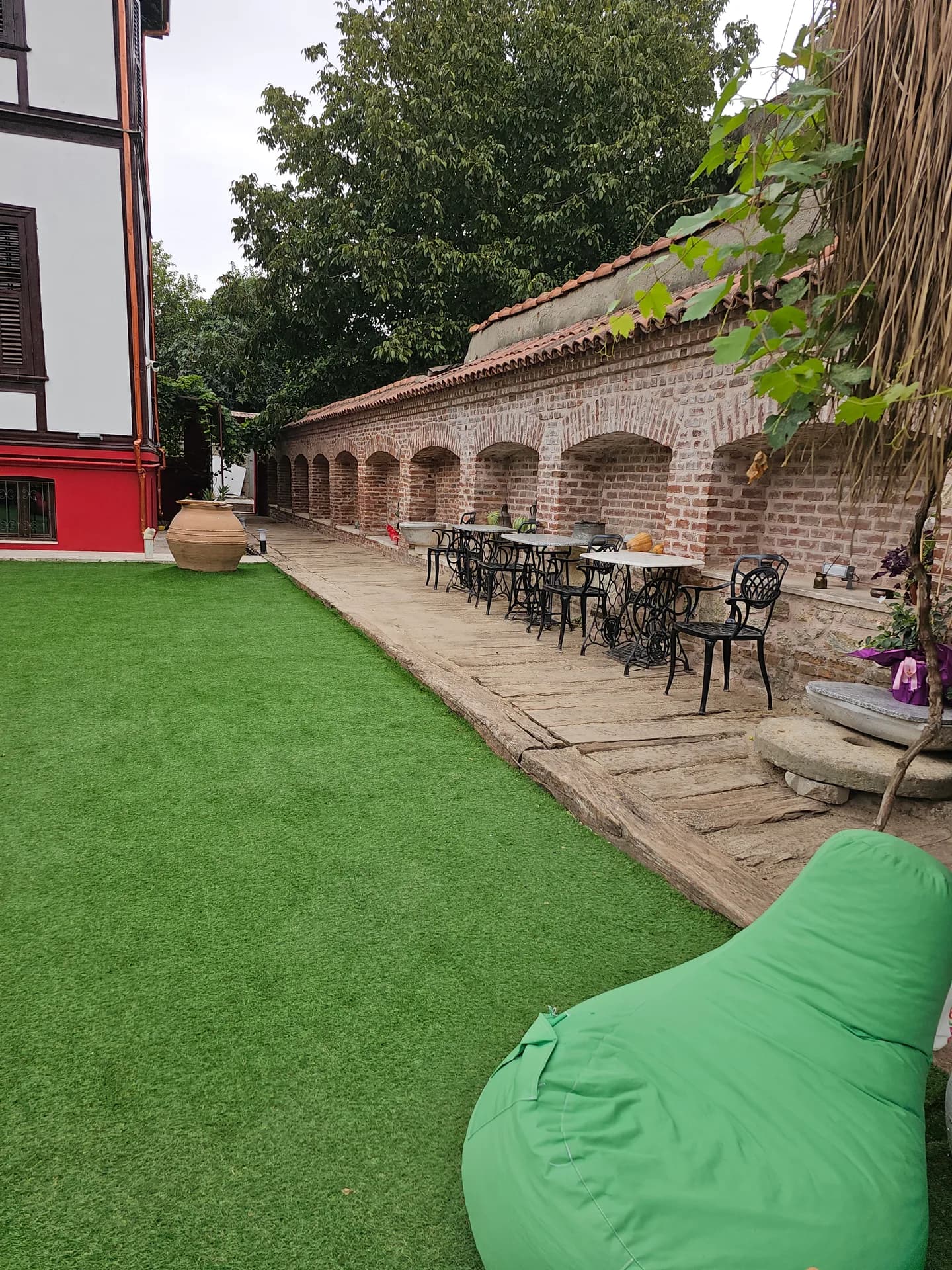
Café & Restaurant
Coffee, desserts and a relaxing break
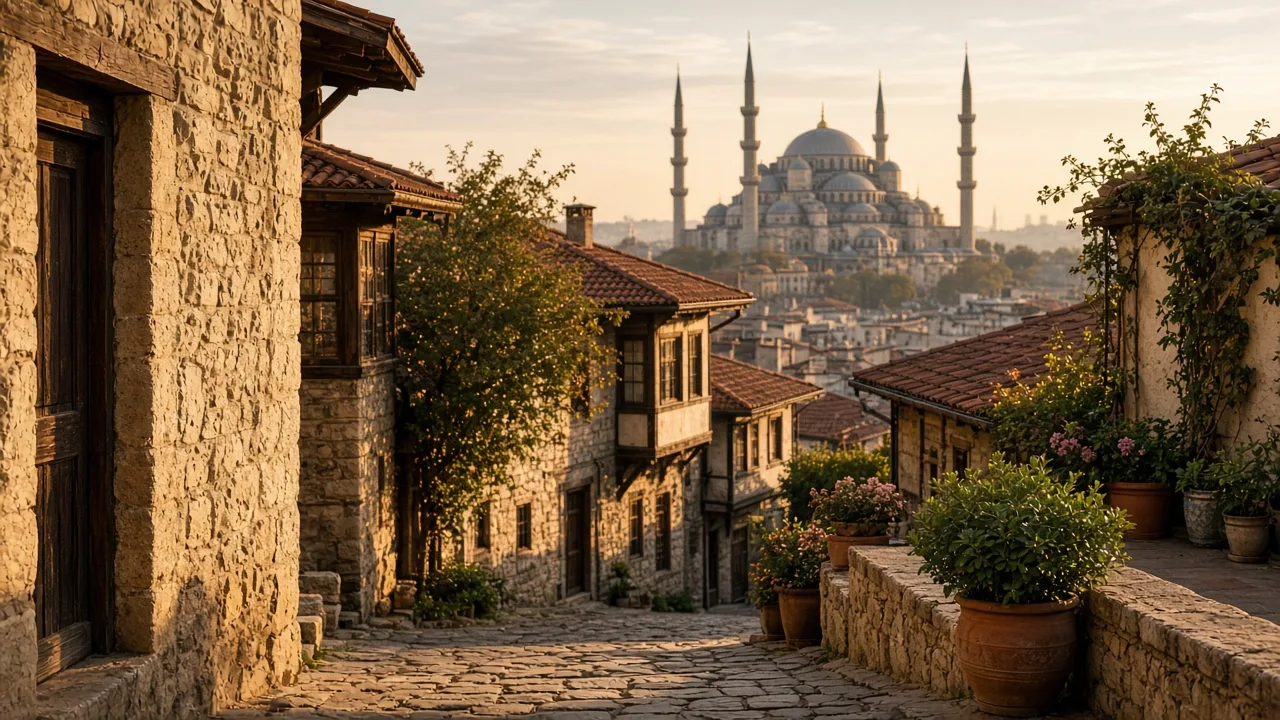
Shopping in Edirne is less a souvenir hunt than a cultural tour, because the bazaars themselves are monumental buildings from the 15th and 16th centuries.
Quick Overview
| Bazaar | Built | Feature |
|---|---|---|
| Ali Paşa Bazaar | 1568–69 | Mimar Sinan, ~300 m, 6 gates |
| Bedesten | 1417–18 | To provide income for the Old Mosque |
| Selimiye Arasta | Reign of Murad III | 73 arches, 124 shops |
What to Bring Back from Edirne: A Short Souvenir List
If suitcase space and budget are limited, it helps to think of the list in three parts: something sweet, something fragrant and something for the table. The table below also shows how each Edirne souvenir holds up on the journey.
| Souvenir | Why choose it | Travel note |
|---|---|---|
| Edirne Badem Ezmesi | The city's symbol; geographical indication, registration no. 656 | Packaged, carried at room temperature |
| Edirne Mis Meyve Sabunu | Decoration and fragrance; 24 fruit shapes in the registration | Lasts 10–15 years as long as it does not get wet |
| Deva-i Misk Helva | Traditional helva with 39 spices | Dry product, easy to carry |
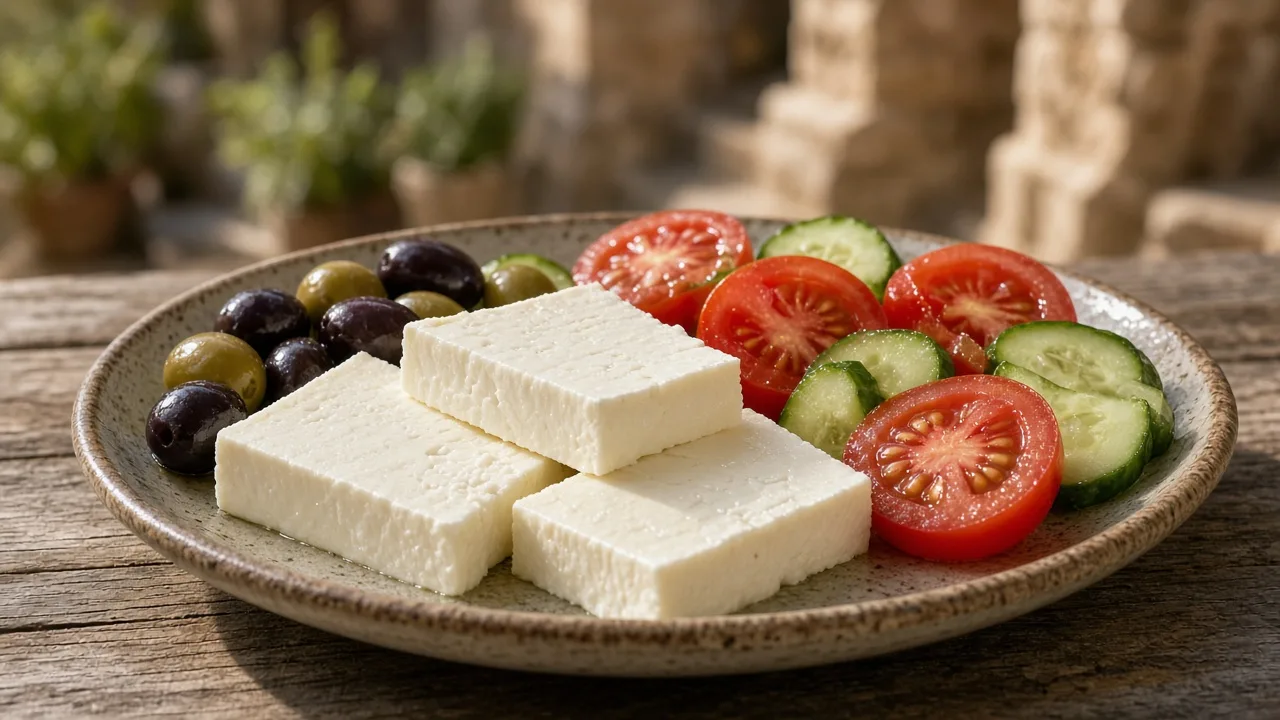
| Edirne Beyaz Peyniri (white cheese) | Breakfast cheese with a designation of origin | Needs a cold chain and leak-proof packaging |
| Hardaliye | Traditional non-alcoholic fermented grape drink of Thrace, with mustard seed | In a bottle, kept somewhere cool |
| Keşan Korudağ flower honey | Honey with a designation of origin | In a jar, durable |
| Meriç peanuts | Nuts with a designation of origin | Light and dry |
| İpsala rice | Pilaf rice with a designation of origin | Dry but heavy |
| Mirrored Edirne broom | A handmade city symbol | Wrap the mirrored part when carrying |
| Small object with edirnekâri decoration | Box, tray or mirror frame with floral painted ornament | Fragile, wrap in foam |
If you are looking for a non-food keepsake, the longest-lasting options are fruit soap, the mirrored broom and objects with edirnekâri painting. On the food side, almond paste and Deva-i Misk are the easiest pair to carry on a long journey, as they need no refrigeration.
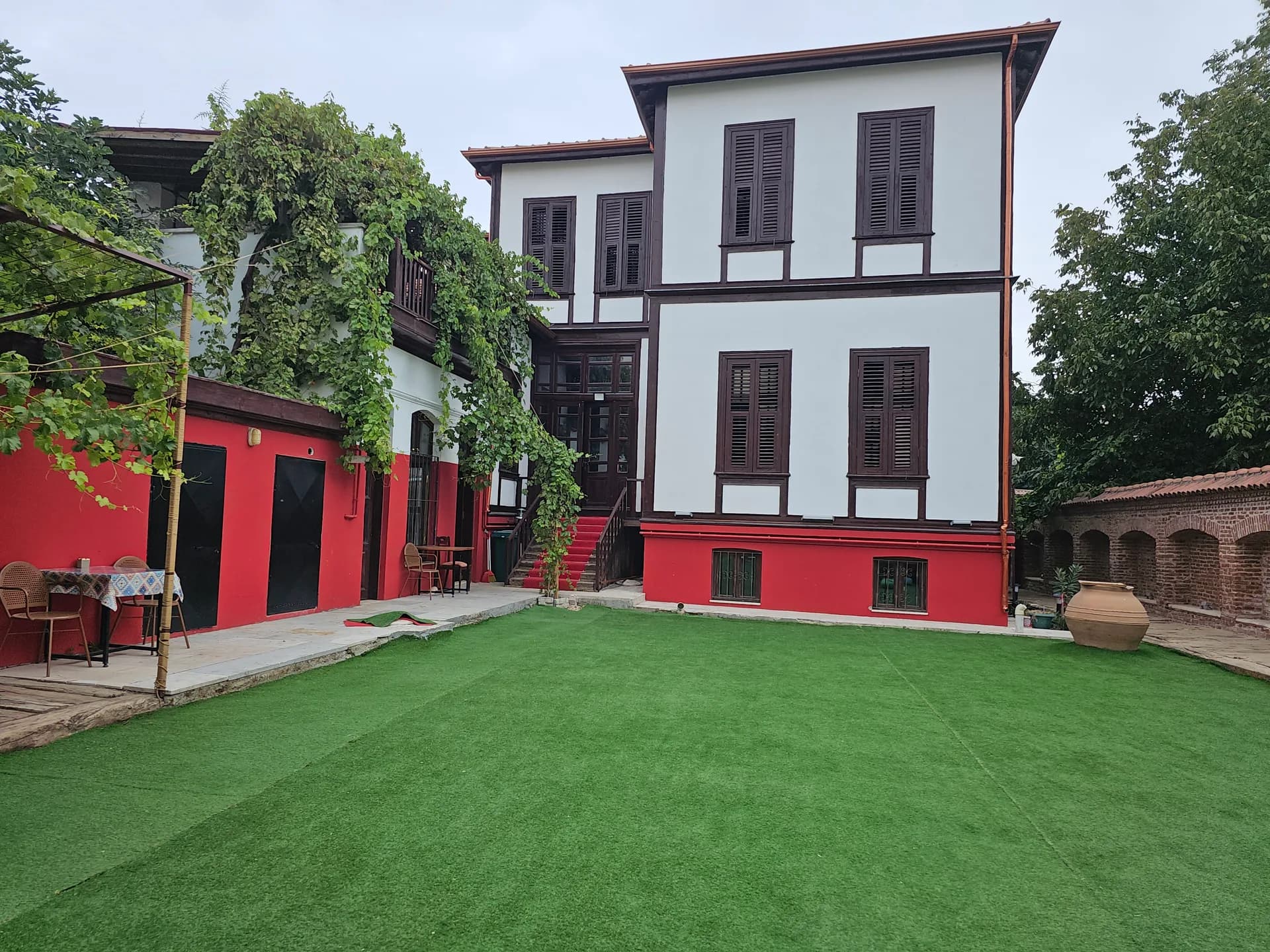
Stay
Stay in Edirne Kaleiçi with breakfast included
The Ali Paşa Bazaar: Mimar Sinan's Only Bazaar
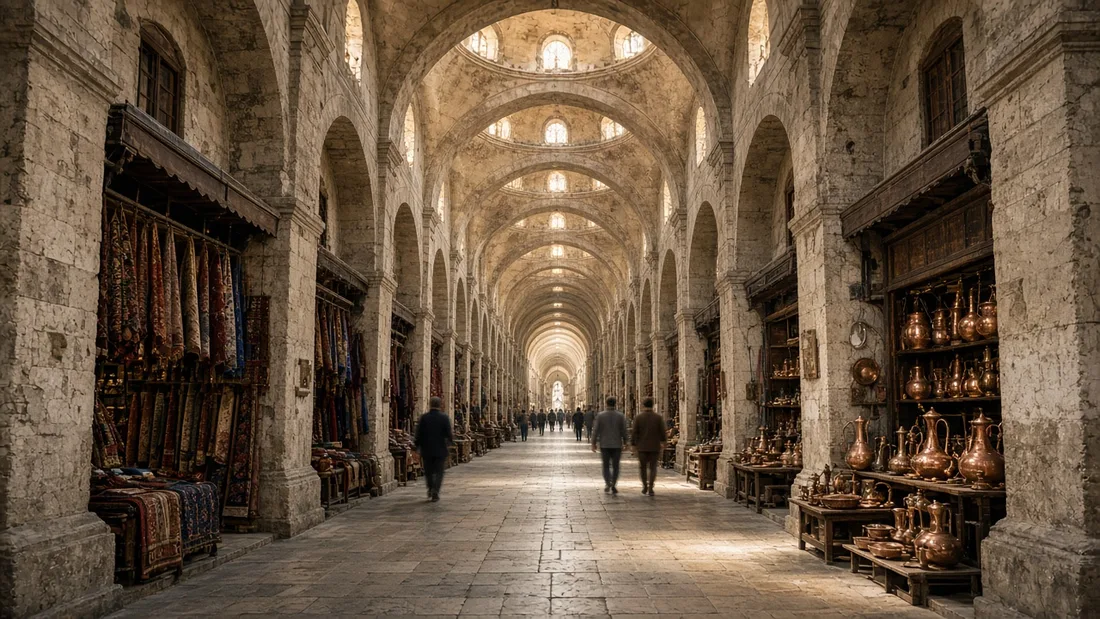
This is Edirne's most important commercial building. The bazaar was commissioned by Hersekli Semiz Ali Paşa, grand vizier from 1561 to 1565, to provide endowment income for his charitable works in Babaeski. That its architect was Mimar Sinan is known from the *Tezkiretü'l-Ebniye*, which lists Sinan's works; the building is recorded there as "the Ali Paşa Bazaar and Caravanserai in Edirne". It is the only building Mimar Sinan built as a bazaar that has survived to the present day.
In the Edirne Evkaf (Endowments) Register dated 976 (1568–69), the bazaar's shop count is recorded as 211 units + 25 cells. The building is a typical arasta: a vaulted street about 300 metres long, lined on both sides with vaulted shop units. Each shop opens onto the central street through an arch.
How many shops are there? An interesting historical debate
Sources do not agree on this, and that is part of the bazaar's story:
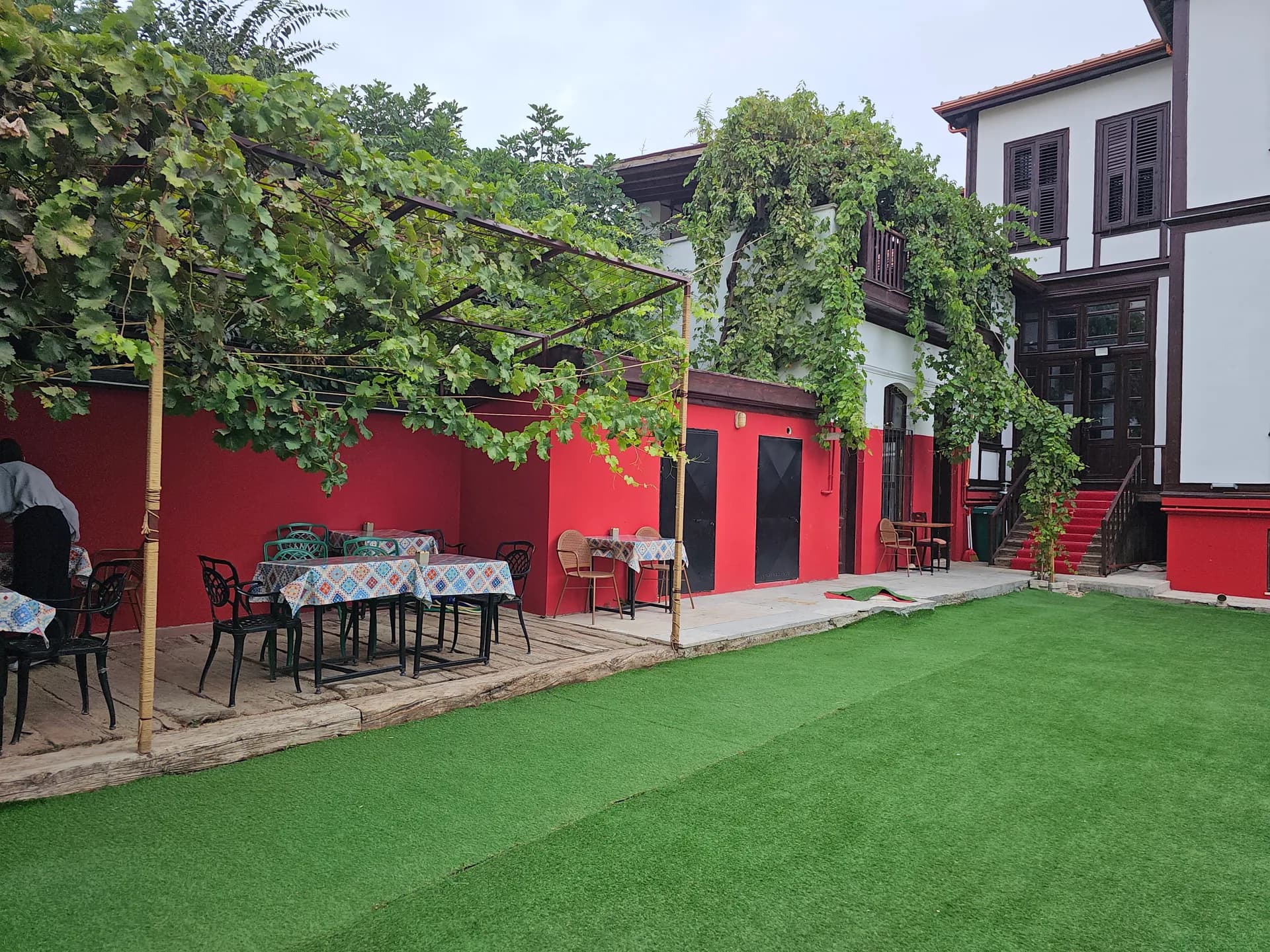
Events
Engagements, small weddings and private celebrations
- Endowment record (1568–69): 211 units + 25 cells
- Evliya Çelebi: 360 shops; he gives the bazaar's length as "1000 paces" and writes that there were gates like castle gates at both ends
- Lady Montagu: 365 shops
- Today: About 100–130 shops
Researchers explain the difference by suggesting that wooden shops once leaning against the bazaar's two side walls may also have been counted.
Apart from the Kule Kapısı (Tower Gate) and Balıkhane Kapısı (Fish House Gate) at the two ends of the bazaar, there are four more gates giving access from side streets; one of them is known as the İğneciler Kapısı (Needle-Makers' Gate). The building was repaired in 1867–68 and in 1947, and has come back to life since the 1960s.
The Bedesten and the Selimiye Arasta
The Bedesten was built in 1417–18, in the reign of Çelebi Sultan Mehmed, to provide income for the Old Mosque (Eski Cami). In the Ottoman world, bedestens were enclosed buildings where valuable goods (fabrics, jewellery) were sold safely, which is why their architecture is also more secure.
Breakfast
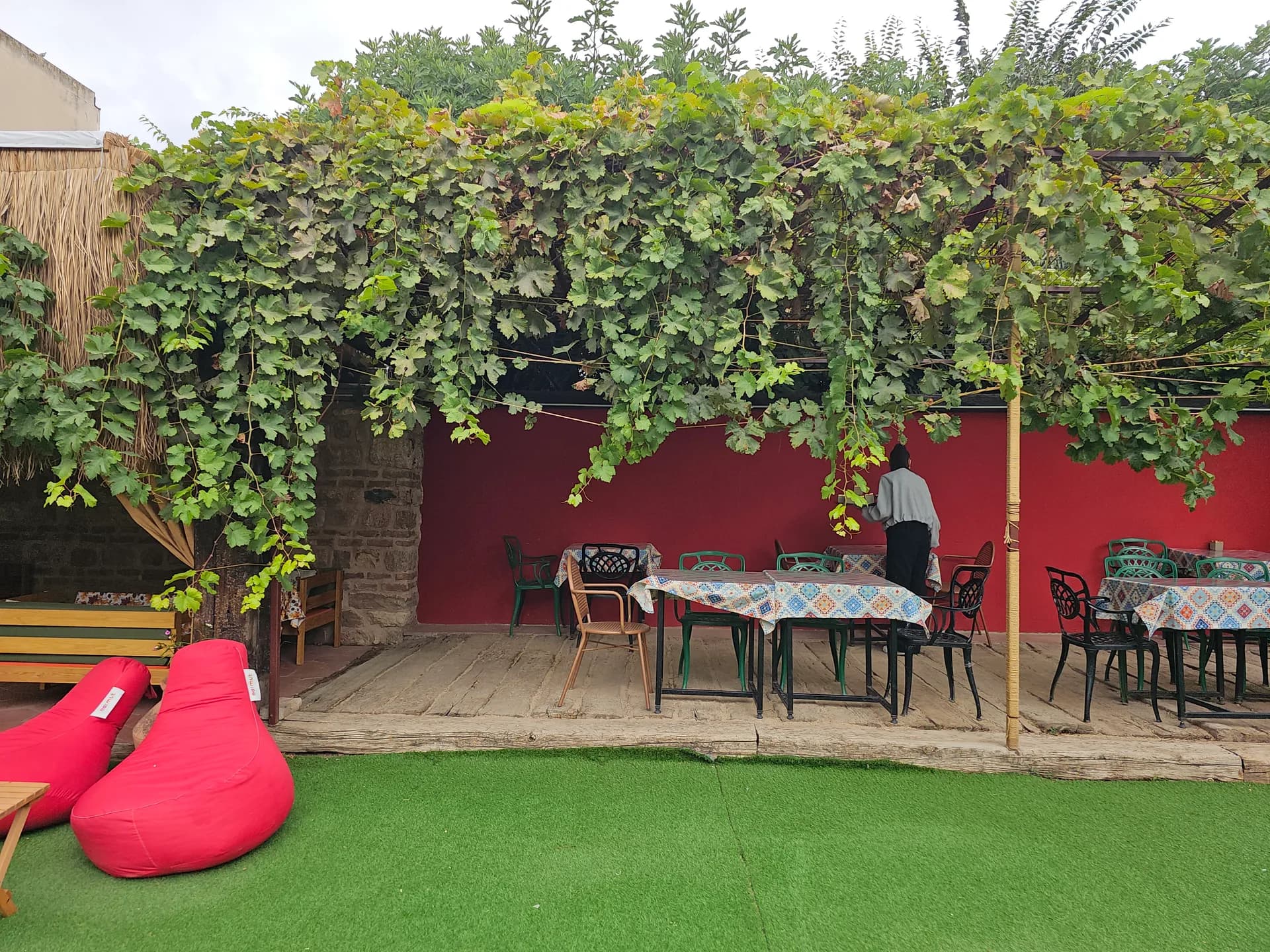
A generous Turkish breakfast spread in the garden
The Selimiye Arasta was built by the architect Davud Ağa in the reign of Murad III to provide income for the Selimiye Mosque. It consists of 73 arches and 124 shops. It is the natural continuation of your Selimiye visit; after touring the complex you can walk down to the arasta from the same courtyard. For details, see our Selimiye Mosque visitor guide.
All three bazaars are in the centre and within walking distance of each other; you can fit them all into a single afternoon. For a day plan, see our Edirne in one day itinerary.
What to Buy: Registered Products
In Edirne, 14 products are registered with a geographical indication. Choosing registered products as souvenirs guarantees both that you are buying the genuine local product and that it was made with the right production method.
Edirne Badem Ezmesi
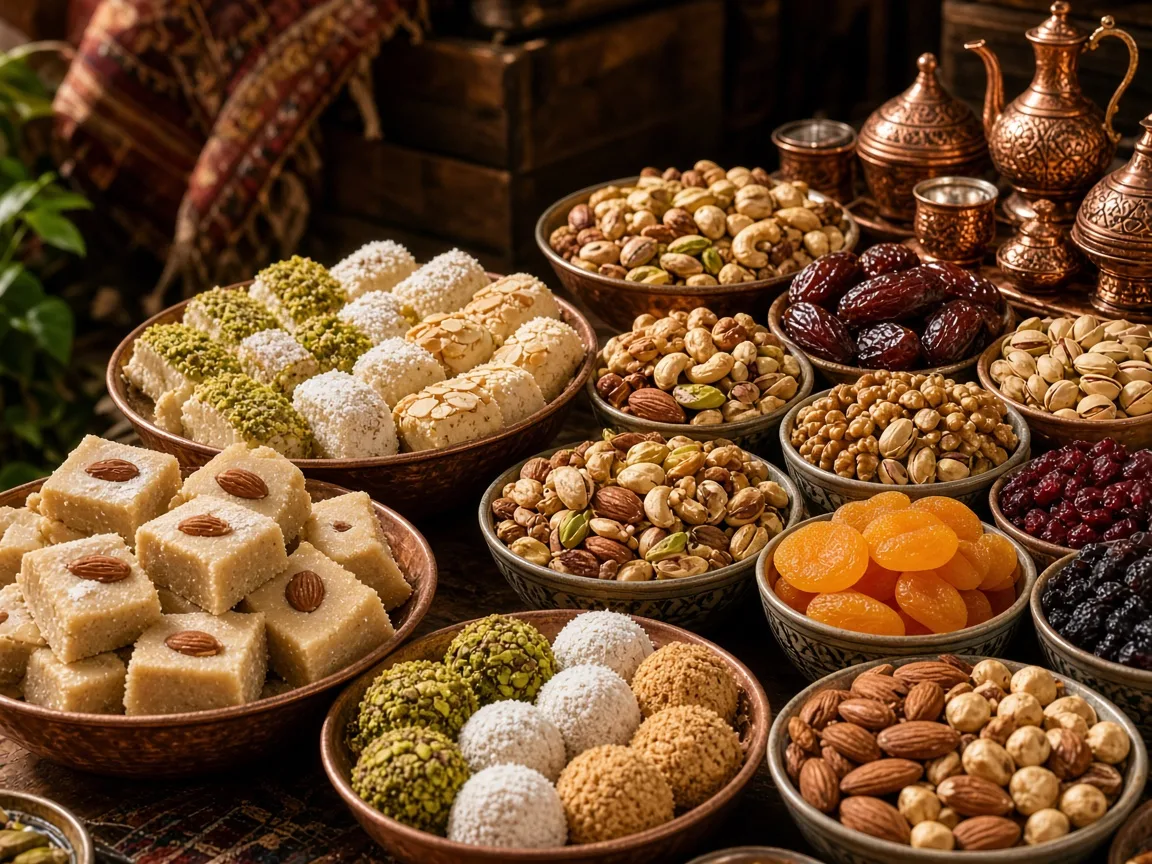
The city's symbol. Geographical indication, registration no. 656, registered on 25 January 2021 (Edirne Chamber of Commerce and Industry). Its history goes back to the Ottoman palace kitchen.
The details in the registration document come in handy when shopping: the product is made by drying and grinding almonds of the Hacı Alibey (48-5) variety, which grows wild in Edirne, and mixing them with syrup. The composition is 55% sugar, 35% almonds, 10% water (with a ±5% deviation). All stages of production must take place in Edirne.
Edirne Mis Meyve Sabunu
Perhaps the most original souvenir. Geographical indication, registration no. 452, registered on 9 September 2019. Its history goes back to the 1600s: in the 17th century, soap mixed with musk, ambergris and rose essence into a paste was shaped to the exact size of fruits and dyed in real fruit colours. These soaps became among the valuable gifts presented to the Ottoman palace and state dignitaries, and fruit-soap making became an important craft in Edirne.
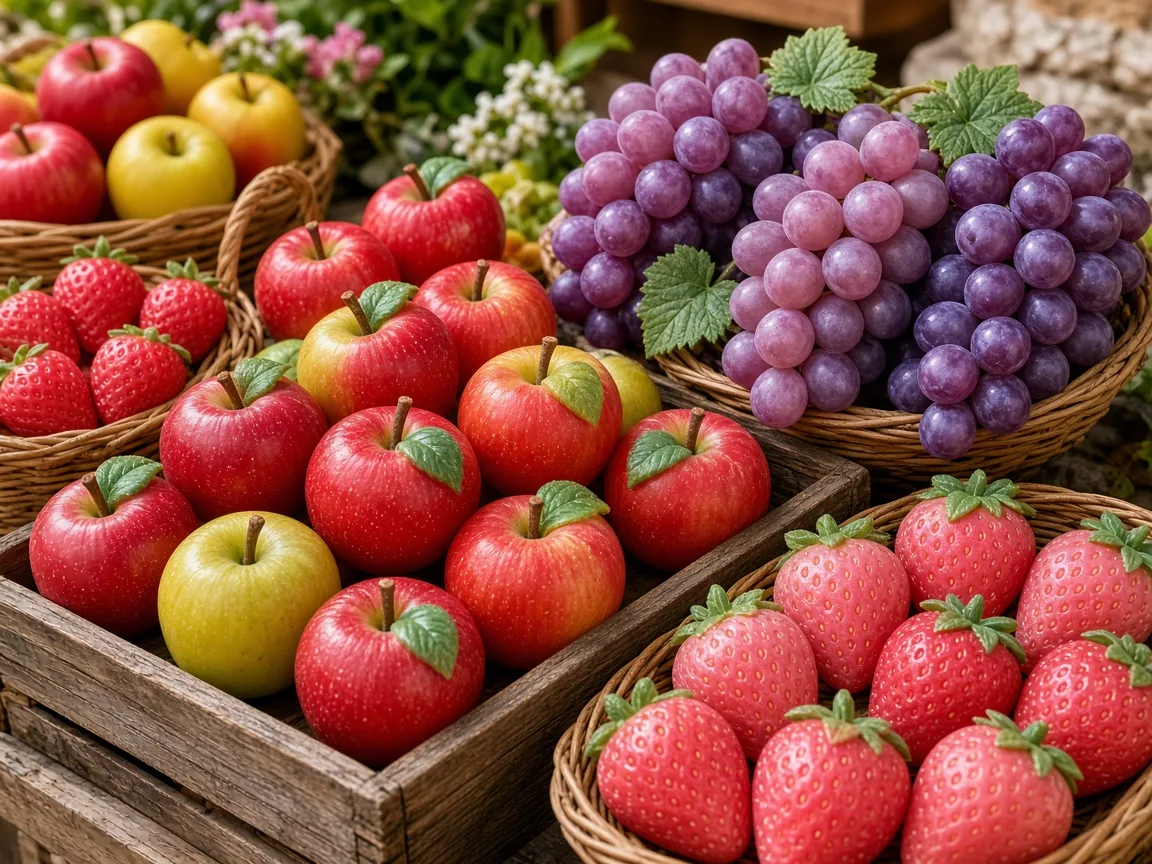
The registration document lists 24 different fruit shapes: melon, watermelon slice, quince, peach, lemon, banana, pomegranate, red apple, green apple, golden apple, plum, strawberry, apricot, yellow grape, green grape, purple grape, orange, green pear, yellow pear, pineapple, green fig, black fig, cherry and split pomegranate.
Important note: As long as it is not wetted with water, the product keeps its original appearance for 10–15 years. In other words, it is bought for decoration and fragrance, not for washing.
Deva-i Misk Helva
Its name means "fragrant and good for the body". The geographical indication was obtained by the Edirne Commodity Exchange on 6 January 2021. It contains 39 kinds of spices and was once eaten for its healing properties. It is known to have been produced and exported in the 17th century. An interesting detail is that it was part of the wrestlers' diet during Kırkpınar. It is especially popular in the winter months.
Other registered products
On the food side, the products completing the list are:
- Geographical indication (mahreç işareti): Edirne Tava Ciğeri (Edirne-style fried liver), Keşan Satır Eti (Keşan cleaver-chopped meat), Uzunköprü Köftesi (Uzunköprü meatballs)
- Designation of origin (menşe adı): Edirne Beyaz Peyniri, İpsala rice, Keşan Siğilli okra, Keşan Mahmutköy dried beans, Keşan Korudağ flower honey, Meriç black melon, Meriç peanuts
Of these, Edirne Beyaz Peyniri and Keşan Korudağ flower honey are practical souvenirs because they travel well. Tava ciğeri has to be eaten on the spot; details are in our Edirne fried liver guide. For all the local flavours, see our what to eat in Edirne and Edirne sweets guide articles.
Hardaliye
A traditional non-alcoholic fermented grape drink of Thrace, made with grapes and mustard seed. It is sold bottled. For details, see our what hardaliye is and how to drink it article.
The Edirne broom
One of the city's best-known symbols, but an honest note is needed: the broom is not currently on the list of registered products; the application process for the "Aynalı Süpürge" (Mirrored Broom) is still under way. Broom-making is a declining craft because apprentices are hard to find. So if you buy one, it is a good idea to confirm that it is handmade.
Shopping Tips
- Check for the registration packaging: For almond paste and fruit soap, the geographical indication emblem is clearly displayed on the packaging or in the shop.
- The ratio in almond paste: In the registered product the almond content is around 35%; much sweeter products may be different.
- Do not buy the soap for washing: It is decorative; as long as it does not get wet, it lasts 10–15 years.
- Carrying: Ask the seller about cold chain and packaging for white cheese and helva.
- Bazaar hours: The historic bazaars are generally open during the day; on Sundays more shops may be closed.
Location and Getting There
All three historic bazaars are in the centre. The Ali Paşa Bazaar and the Bedesten are around the Old Mosque, while the Selimiye Arasta is inside the complex. Saraçlar Caddesi (Saddlers' Street), which forms the eastern edge of Kaleiçi, is the city's main shopping axis.
You can see the distances to the bazaars from our location in Kaleiçi, Edirne (Google Maps). Edirne accommodation in the centre lets you drop your shopping bags in your room after a bazaar run and keep exploring; for options, see our stays in central Edirne page and our advantages of staying in Kaleiçi article. For a break, our Kaleiçi café guide shows the way.
Frequently Asked Questions
What should you buy and bring back from Edirne?+
The best-known products are Edirne Badem Ezmesi, Edirne Mis Meyve Sabunu and Deva-i Misk helva, all with geographical indications. Edirne white cheese, hardaliye and handmade brooms are also popular. Those are the things people actually carry home.
What makes a good souvenir from Edirne?+
Apart from food, the longest-lasting options are Edirne Mis Meyve Sabunu, the mirrored Edirne broom and small objects with edirnekâri decoration, such as boxes, trays or mirrors. Fruit soap does not spoil for 10–15 years as long as it does not get wet. The soap is for scent and display, which is why it lasts.
How many of Edirne's products have a geographical indication?+
14 products have been placed under protection by the Turkish Patent and Trademark Office; some are registered as geographical indications (mahreç işareti) and some as designations of origin (menşe adı). A protected set, some as geographical indications and some as designations of origin. Read the mark on the packet rather than the stall's word for it.
Who commissioned the Ali Paşa Bazaar?+
It was commissioned by Hersekli Semiz Ali Paşa, and its architect was Mimar Sinan. The Evkaf Register dated 1568–69 records 211 units and 25 cells. It is a planned market, not a street that grew by chance.
How long is the Ali Paşa Bazaar?+
It is a vaulted arasta about 300 metres long. It has six gates in total, including the Kule Kapısı and the Balıkhane Kapısı at its two ends. Walk it as one building.
What is special about Edirne almond paste?+
It is made from the Hacı Alibey (48-5) almond variety that grows wild in Edirne, and according to the registration it consists of 55% sugar, 35% almonds and 10% water. It uses the local wild almond, and the registration fixes the shares of sugar, almond and water. If the packet does not say so, it is a different sweet.
Is fruit-shaped scented soap meant for washing?+
No, it is for decoration and fragrance. As long as it is not wetted with water, it keeps its original appearance for 10–15 years. It is for decoration and scent, and it keeps its look for years if it stays dry. Do not put it in a washbag.
What is Deva-i Misk helva?+
A traditional helva containing 39 kinds of spices, once eaten for its healing properties. Its geographical indication was registered on 6 January 2021. A helva of many spices, once taken for health and now under a geographical mark. Buy it where that registration can be shown.
How many shops are there in the Selimiye Arasta?+
It consists of 73 arches and 124 shops; it was built by the architect Davud Ağa in the reign of Murad III to provide income for the Selimiye. It is the mosque's market, which is why it sits against the complex.
Are the bazaars close to each other?+
Yes, all three are in the centre and within walking distance. They can be explored in a single afternoon. One afternoon is enough if you are choosing, not if you mean to enter every shop.
You may also like: Accommodation, Breakfast, Events.